


 Náhled v interiéru
 Sdílet
 Sdílet
 Podrobnosti o díle
 Průvodce

 Stáhnout
 Podobné položky
 Rentgenové snímky
 Slideshow
 Statistiky
The Lotus Screen, S.S.S
 Painting
- Pictorialism
 1909
1909- Modern
 61.0 x 61.0 cm
A poignant portrait of a contemplative woman in black captures deep introspection in Edward Steichen's 1909 painting The Lotus Screen, S.S.S, an evocative masterpiece ready to grace your private collection.
 Zobrazit více
Edward Steichen byl průkopníkem fotografie a kurátor, známý pro Pictorialismus, módní fotografii a ikonickou výstavu 'Rodina'. Jeho dílo spojuje evropské umění s americkým modernismem a zachycuje lidské zkušenosti.
Umělecké dílo zobrazené na této stránce je chráněno autorským zákonem, což znamená, že nemůžeme legálně vytvářet ani prodávat jeho identickou reprodukci. Tato ochrana je vymáhána na základě mezinárodních dohod, jako například Berberská úmluva a národními zákony, včetně těch stanovených v Americký autorský zákon – Díl 17. Všechna práva vyhrazena.
Tato metoda je plně v souladu s autorským právem, protože nezahrnuje kopírování ani duplikování chráněného díla. Jde o kreativní reinterpretaci – nový obraz, který je inspirován originálem, ale není s ním identický.
Giclée / Umělecký tisk
Giclée nebo plátěný tisk muzeální kvality s rychlou výrobou a širokou nabídkou povrchových úprav. ( Koupit ručně malovaný obraz Přepnout na digitální obraz)




P118B Kč10

P118H Kč10

P118W Kč10

P438Z Kč10

P508JH Kč12

P508YH Kč12

P805H Kč10

P805Z Kč10

P919BZ Kč10

P919G Kč10

P919XJ Kč10

P959ZH Kč10

P968JZ Kč12

W106C Kč8

W218G Kč10

W218JH Kč8

W218Y Kč10

W307PJ Kč10

W316G Kč10

W316PJ Kč8

W316Y Kč10

W398PJ Kč8

W4111J Kč10

W500HY Kč15

W500JH Kč15

W692G Kč12

W849H Kč8

W940BG Kč15

W953PJ Kč8




Standardní velikost
na zakázku
CM
INCH
Vyberte si z našich přednastavených velikostí, které odpovídají původním proporcím díla.
Loading sizes...

šířka
výška
Zadejte šířku a výšku, které potřebujete pro váš rám nebo stěnu. Tisk lze pouze oříznout, nikdy však nelze zvětšit obraz nad jeho původní rozměr, proto při výběru jiného formátu dochází ke ztrátě části obrazu. Před samotným tiskem vám zašleme digitální náhled k schválení. Obraz zobrazený na této stránce nenabízí skutečný výřez — ten uvidíte pouze v náhledu.
Celosvětové doručení () do 2 týdnů namísto standardních 4/5 týdnů. (26 říjen)

Zdarma celosvětová expresní doprava

Vysoce kvalitní lněné plátno

Kompletní pojištění přepravy

Záruka vrácení celního poplatku

Záruka věrného barevného souladu

100dení lhůta pro vrácení zboží (pouze při vadách výroby)

100% záruka vrácení peněz

Sleva při více objednávkách
 Skleněná varianta je dostupná pouze u rozměrů menších než 110 cm

The Lotus Screen, S.S.S
Giclée / Umělecký tisk
Rozměry reprodukce
-


Celková cena za vybrané možnosti reprodukcí
Kč 1475
A Study in Introspection: The Soul of The Lotus Screen
In the quiet, amber-hued depths of Edward Steichen’s The Lotus Screen, S.S.S, we encounter a moment frozen in time, where the boundaries between painting and photography begin to blur into a singular, evocative vision. Created in 1909, this masterpiece captures a woman lost in a profound state of contemplation. Seated with her hands delicately pressed against her face, she creates a veil of privacy, shielding her inner world from the viewer's gaze. The composition is anchored by a striking contrast: the somber weight of her black attire set against a luminous, golden-yellow background that seems to radiate a soft, melancholic warmth. This interplay of light and shadow does more than just define form; it establishes an atmosphere of heavy, beautiful stillness.
The technique employed in this work reflects Steichen’s unique position at the dawn of the twentieth century, a period where the Pictorialist movement sought to elevate photography to the status of fine art through painterly effects. Every brushstroke—or in the case of his photographic inspirations, every tonal gradation—serves to soften the edges of reality. The presence of a single pink flower tucked into her hair acts as a delicate symbol of fleeting beauty and vulnerability, a poignant counterpoint to the heavy, introspective mood of the subject. This subtle splash of color draws the eye, acting as a focal point that bridges the gap between the woman's physical presence and her emotional interiority.
Timeless Elegance for the Modern Collector
For the discerning collector or interior designer, The Lotus Screen, S.S.S offers much more than mere decoration; it provides a window into an era of profound emotional depth. The painting’s palette—dominated by ochre, gold, and deep blacks—makes it an incredibly versatile piece for sophisticated interior curation. It possesses the rare ability to anchor a room with its gravity while simultaneously adding a layer of warmth and historical prestige. Whether placed in a minimalist contemporary gallery or a richly textured classical study, the artwork commands attention through its quiet strength rather than through loud, jarring colors.
Owning a high-quality reproduction of this work allows one to invite Steichen’s mastery of light into their personal sanctuary. The piece serves as a conversation starter, inviting guests to contemplate the themes of solitude and the human condition. It is an ideal selection for those who appreciate art that speaks in whispers rather than shouts, providing a sense of calm, intellectual stimulation, and a timeless connection to the legendary artistic odyssey of one of the most influential figures of the modern age.
Otázky a odpovědi
Jakou celkovou náladu vyzařuje „The Lotus Screen, S.S.S“ od Edward Steichen?
Celková nálada díla „The Lotus Screen, S.S.S“ od Edward Steichen je Dramatic. Tato nálada vystihuje obecnou atmosféru tohoto díla.
O jaký typ uměleckého díla se jedná u „The Lotus Screen, S.S.S“ od Edward Steichen?
„The Lotus Screen, S.S.S“ je dílo typu wall art.
Jsou barvy díla „The Lotus Screen, S.S.S“ od Edward Steichen živé, nebo tlumené?
Barvy díla „The Lotus Screen, S.S.S“ od Edward Steichen vykazují Balanced Soft saturaci s Balanced intenzitou.
Biografie umělce
A Life Bridging Worlds: The Artistic Odyssey of Edward Steichen
Edward Steichen, later known as Edward Jean Steichen, was a figure who transcended simple categorization. Born in 1879 in the small village of Bivange, Luxembourg, his life became an extraordinary journey from European roots to becoming one of America’s most influential artists – not merely as a photographer, but as a painter, curator, and visionary who reshaped how we perceive visual culture. The early years were marked by a significant relocation; in 1881, the Steichen family emigrated to Hancock, Michigan, seeking new opportunities. This move instilled in young Edward a sense of displacement and perhaps, a heightened sensitivity to observation – qualities that would profoundly shape his artistic vision. Even as a child, an innate talent for drawing was evident, nurtured by supportive parents who recognized and encouraged his creative inclinations. The pivotal moment arrived at sixteen when he received his first camera, initiating a period of largely self-directed learning through relentless experimentation. This wasn’t merely about mastering technique; it was about discovering a new language, a way to capture the world with an immediacy and intimacy previously unattainable. A subsequent move to Milwaukee saw him apprenticed as a lithographer, providing valuable technical skills while simultaneously allowing his artistic pursuits to flourish.From Pictorialism to Modern Vision: Steichen’s Artistic Evolution
Steichen's emergence coincided with the burgeoning Pictorialist movement, an attempt to elevate photography to the status of fine art. He quickly became a central figure, embracing soft focus and painterly effects to create images that evoked mood and atmosphere rather than simply documenting reality. This pursuit led him to Alfred Stieglitz, a kindred spirit who recognized Steichen’s exceptional talent. Together, they co-founded the Photo-Secession in 1902, a group dedicated to promoting photography as a legitimate art form. The publication of *Camera Work*, a highly influential photographic journal, became their platform for disseminating ideas and showcasing groundbreaking work. The establishment of the 291 gallery in New York City further cemented their influence, providing a space where avant-garde European art – Picasso, Matisse, Cézanne – was exhibited alongside photography, fostering cross-cultural dialogue and challenging conventional artistic boundaries. However, Steichen’s artistic journey wasn't one of static adherence to a single style. The upheaval of World War I proved catalytic. He abandoned the ethereal qualities of Pictorialism, embracing instead a “Straight Photography” aesthetic – characterized by sharp focus, precise detail, and an unadorned representation of reality. This shift reflected a broader cultural move towards modernity and a rejection of sentimentality in favor of clarity and directness.A Master of Many Mediums: Fashion, Film, and the Human Condition
Steichen’s versatility was remarkable. He didn't confine himself to one artistic domain; he seamlessly transitioned between photography, painting, and even filmmaking. His foray into fashion photography during the 1920s and 30s revolutionized the industry. Working for *Vogue* and *Vanity Fair*, he moved beyond mere documentation of clothing to create images that were sophisticated, glamorous, and imbued with a sense of narrative. He understood how to use light, pose, and composition to convey not just style but also personality and emotion. This period established him as a pioneer in the field, setting standards for generations of fashion photographers to come. During World War II, Steichen served his adopted country by directing *The Fighting Lady* (1944), an acclaimed documentary film for the U.S. Navy that offered a compelling glimpse into aerial combat. But perhaps his most enduring legacy lies in *The Family of Man*, curated at the Museum of Modern Art in 1955. This monumental exhibition, featuring photographs from sixty-eight countries, was a powerful statement about universal human experiences – love, birth, death, joy, sorrow – transcending cultural and geographical boundaries. Recognized by UNESCO’s Memory of the World Register, it remains a testament to Steichen's belief in the unifying power of photography.Notable Works
- The Pond–Moonlight (1904): A landmark Pictorialist photograph celebrated for its atmospheric depth and tonal richness; a record-breaking auction price attests to its enduring appeal.
- The Flatiron (1904): Another significant early work showcasing his mastery of photographic technique and composition, also achieving a remarkable price at auction.
- Portraits of Celebrities: A vast collection capturing the essence of prominent figures in art, literature, and entertainment with insightful sensitivity.
- The Fighting Lady (1944): An acclaimed World War II documentary film offering a compelling glimpse into aerial combat.
- The Family of Man (1955): A groundbreaking exhibition at MoMA, featuring photographs from around the globe that explored universal human experiences and earned UNESCO recognition.
Legacy and Influence: A Lasting Impact on Visual Culture
Edward Steichen died in 1973, leaving behind an extraordinary body of work that continues to inspire and provoke. His influence is multifaceted. He fundamentally altered perceptions of photography, elevating it from a purely technical process to a recognized art form. His pioneering work in fashion photography not only defined the aesthetic of an era but also established new standards for visual storytelling within the industry. The 291 gallery, through its championing of European modernism, played a crucial role in introducing American audiences to groundbreaking artistic movements. And *The Family of Man*, with its message of shared humanity, remains profoundly relevant in an increasingly fragmented world. His ability to seamlessly navigate between commercial and artistic pursuits demonstrated that creativity could thrive in diverse contexts. Steichen’s career was a testament to the power of experimentation, innovation, and a relentless pursuit of artistic vision. He wasn't simply documenting the world; he was interpreting it, shaping it, and ultimately, changing how we see it.
Edward Steichen
1900 - 1973 , Lucembursko
Rychlé informace o umělci
- Artistic Movement Or Style: Pictorialismus, Pravá fotografie
- Artists Or Movements Influenced By This Artist: ['Modernismus']
- Artists Who Influenced This Artist: ['Alfred Stieglitz']
- Date Of Birth: 27. března 1879
- Full Name: Edward Jean Steichen
- Nationality: Američan
- Notable Artworks:
- Nádrž – Měsíční svit
- Flatiron
- Portréty celebrit
- Bojová dáma
- Rodina člověka
- Place Of Death: West Redding, Connecticut
Související články

Top 10 slavných obrazů v odstínech černé – Umění a dekor s TopImpressionists
Prozkoumejte 10 nejslavnějších obrazů ovládaných odstíny černé. Objevte příběhy za uměleckými díly, techniky a inspiraci ikonických mistrů. Reprodukce obrazů s TopImpressionists – luxusní dekorace pro váš domov. Prohlédněte si celou kolekci online!
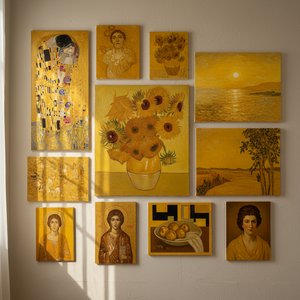
Top 10 slavných obrazů v odstínech žluté охry – inspirace pro váš interiér
Objevte top 10 slavných obrazů v odstínech žluté охry od Van Gogha, Rembrandta a Moneta. Inspirujte se uměleckými reprodukcemi pro váš interiér! Historie, techniky a emoce nejikoničtějších děl na TopImpressionists.com.
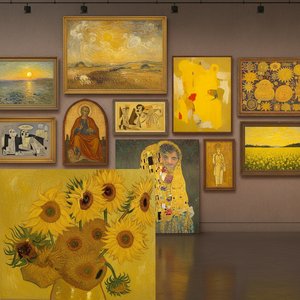
Top 10 slavných obrazů v zářivých odstínech chromové žluté | TopImpressionists.cz
Objevte top 10 slavných obrazů ovládaných chromovou žlutou! Prozkoumejte příběhy Van Gogha, Moneta a dalších mistrů impresionismu. Najděte inspiraci pro váš interiér s uměleckými reprodukcemi na TopImpressionists.com.

Top 10 slavných obrazů v odstínech světle růžové – umění a inspirace pro interiér
Objevte top 10 slavných obrazů v odstínech světle růžové! Prozkoumejte příběhy Monetových, Renoirových a dalších mistrů. Inspirace pro váš interiér s reprodukcemi nejvyšší kvality na TopImpressionists.com.

Top 10 slavných obrazů s dominantní černou barvou | TopImpressionists.cz
Prozkoumejte 10 nejslavnějších obrazů s dominantní černou barvou od Van Gogha, Muncha a dalších mistrů. Objevte příběhy za uměleckými díly, techniky a inspiraci. Reprodukce obrazů nejvyšší kvality na TopImpressionists.com.
Prozkoumejte umělecká díla uspořádaná podle témat, stylů a charakteristik.


