


 Náhled v interiéru
 Sdílet
 Sdílet
 Podrobnosti o díle
 Průvodce

 Stáhnout
 Podobné položky
 Rentgenové snímky
 Slideshow
 Q&A
Q&A Statistiky
Tree
 27.0 x 22.0 cm
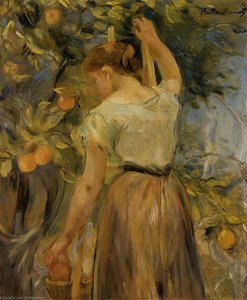
Discover Elizabeth Muntz's evocative landscapes & studies of nature (1894-1977). Explore her detailed depictions of trees, boats, and harbors through TopImpressionists.
 Zobrazit více
Umělecké dílo zobrazené na této stránce je chráněno autorským zákonem, což znamená, že nemůžeme legálně vytvářet ani prodávat jeho identickou reprodukci. Tato ochrana je vymáhána na základě mezinárodních dohod, jako například Berberská úmluva a národními zákony, včetně těch stanovených v Americký autorský zákon – Díl 17. Všechna práva vyhrazena.
Jako etická a právní alternativa nabízíme vlastní, ručně malovaná umělecká díla inspirovaná originálem. Naši zdatní a profesionální umělci si pečlivě studují styl, náladu a uměleckou podstatu originálu, aby vytvořili nové, jedinečné dílo, které vyvolává stejný pocit – přičemž zůstává samostatným originálním tvůrčím dílem.
Tato metoda je plně v souladu s autorským právem, protože nezahrnuje kopírování ani duplikování chráněného díla. Jde o kreativní reinterpretaci – nový obraz, který je inspirován originálem, ale není s ním identický.
Ručně malovaná olejová reprodukce
Rukou malované olejné plátno v libovolném rozměru i s rámem, vyrobené našimi umělci na zakázku. ( Přepnout na tisk Přepnout na digitální obraz)




































Standardní velikost
na zakázku
CM
INCH
Vyberte si z našich přednastavených velikostí, které odpovídají původním proporcím díla.
Loading sizes...

šířka
výška
Zadejte šířku a výšku, které potřebujete pro váš rám nebo stěnu. Protože se jedná o ruční malbu, při výběru jiného formátu může umělec kolem obrazu domalovat o něco více, nebo jej mírně oříznout — rozhodnete si vy. Před zahájením malby vám zašleme digitální náhled ke schválení. Obraz zobrazený na této stránce neodpovídá skutečnému výsledku — pouze digitální náhled jej zobrazuje.
Příklady možných změn: nahrazení obličeje fotografií zákazníka; přidání domácího mazlíčka (např. nahrazení kočky psem); vložení skrytého vzkazu do pozadí; změna krajiny nebo prvků v pozadí.
Po přijetí objednávky vám tým TopImpressionists.com zašle e-mail s pokyny a poskytne náhledovou verzi.
Po přijetí objednávky vám tým TopImpressionists.com zašle e-mail s pokyny a poskytne náhledovou verzi.
Celosvětová doprava () za 3–4 týdny namísto standardních 5 týdnů. (28 říjen). Bez kompromisů v kvalitě.

Zdarma celosvětová expresní doprava

Vysoce kvalitní lněné plátno

Kompletní pojištění přepravy

Záruka vrácení celního poplatku

Záruka věrného barevného souladu

100dení lhůta pro vrácení zboží (pouze při vadách výroby)

100% záruka vrácení peněz

Sleva při více objednávkách
 Skleněná varianta je dostupná pouze u rozměrů menších než 110 cm

Tree
Technika reprodukce
Rozměry reprodukce
-


Celková cena za vybrané možnosti reprodukcí
Kč 5792
Podobná díla


Biografie umělce
Elizabeth Muntz: A Dorset Visionary of Trees and Light
Born in Toronto, Canada, in 1894, Elizabeth Muntz’s artistic journey was one shaped by a confluence of European influences and a deep connection to the natural world. Her early life provided a foundation rooted in Canadian heritage, yet it was her relocation to Paris at a young age that truly ignited her creative spirit. Studying under Antoine Bourdelle at the Académie de la Grande Chaumière, Muntz absorbed the principles of classical sculpture while simultaneously embracing the burgeoning Impressionist movement – a synthesis that would profoundly inform her later work. This formative period instilled in her a meticulous attention to form and an appreciation for capturing fleeting moments of light and atmosphere, qualities she would carry with her throughout her career.
Returning to England in the mid-1920s, Muntz established herself as a significant figure within the British art scene. She quickly joined influential groups like The Artist-Craftsmen Group and the London Group, demonstrating a willingness to engage with contemporary artistic dialogues. Her relocation to Dorset, specifically to Apple Tree Cottage in East Chaldon, proved to be a pivotal moment. This idyllic setting, nestled amidst rolling hills and ancient woodlands, became the primary source of inspiration for her art – particularly her celebrated depictions of trees and landscapes. Her close relationship with her aunt, Laura Muntz Lyall, another accomplished Canadian painter, undoubtedly contributed to her artistic sensibilities, fostering an appreciation for capturing the beauty of the natural world through a sensitive and observant lens.
The Language of Trees: Style and Technique
Muntz’s art is characterized by a remarkable sensitivity to detail and a masterful command of technique. While she initially trained in sculpture, her paintings demonstrate a profound understanding of color, texture, and composition. Her landscapes are not merely representations of scenery; they are imbued with a palpable sense of atmosphere – the dappled sunlight filtering through leaves, the subtle shifts in tone as clouds drift across the sky, the quiet stillness of a coastal harbor. She frequently employed a loose, expressive brushstroke, prioritizing capturing the *feeling* of a place over precise realism. Her use of color was particularly noteworthy; she favored warm, earthy tones – ochres, siennas, and umbers – to evoke the richness and depth of the Dorset countryside.
A key element of Muntz’s artistic practice was her meticulous study of trees. She produced numerous detailed studies of individual specimens, capturing their unique forms, textures, and patterns of light and shadow. These studies weren't simply botanical illustrations; they were explorations of the tree as a living entity – a symbol of resilience, growth, and connection to the earth. Her work often reveals an almost meditative quality, suggesting a deep reverence for the natural world.
A Dorset Legacy: Exhibitions and Recognition
Throughout her career, Muntz exhibited widely in both Britain and abroad, gaining recognition from prominent art critics and collectors. She was a regular participant in London Group exhibitions, showcasing her paintings alongside works by other leading artists of the period. Her work also appeared at The Modern Group of Artist-Craftsmen Second Exhibition and with the Seven and Five Society at the Beaux Arts Gallery. In 1932, she held a solo exhibition featuring drawings and sculptures at Cooling Galleries in London. Later in her career, Muntz’s paintings were exhibited at the Royal Academy, Goupil Gallery, and the Society of Women Artists, demonstrating her continued relevance within the British art world.
Notably, Muntz was awarded the title of Freeman of the Ancient Order of Purbeck Marblers and Stonecutters in 1960 – a testament to her connection with the local community and her appreciation for Dorset’s rich artistic heritage. Her legacy extends beyond her individual artworks; she also played a role in nurturing young artists, offering instruction at Bryanston School. A memorial stone carved by Muntz honoring Llewelyn Powys stands on the Dorset Cliffs, serving as a lasting reminder of her contribution to the region's cultural landscape.
The Enduring Vision
Elizabeth Muntz’s art continues to resonate with viewers today due to its profound sense of place and its intimate portrayal of the natural world. Her paintings offer a glimpse into a bygone era, yet they retain a timeless quality – a testament to her skill as an artist and her deep connection to the Dorset countryside. Her work is held in several British collections, including those at Dorset Museum & Art Gallery, ensuring that her vision will continue to inspire and captivate audiences for generations to come.

Elizabeth Muntz
1894 - 1977
Rychlé informace o umělci
- Full Name: Elizabeth Muntz
- Nationality: Canadian
- Date Of Birth: 1894
- Date Of Death: 1977
- Place Of Birth: Toronto, Canada
- Notable Artworks:
- Study of Fence & Trees
- Queen Elizabeth II Law Courts
- Artistic Movement Or Style: Impressionism
- Artists Who Influenced This Artist:
- Antoine Bourdelle
- Frank Dobson
- Artists Or Movements Influenced By This Artist:
- Maillolesque tradition
- London Group