


 Náhled v interiéru
 Sdílet
 Sdílet
 Podrobnosti o díle
 Průvodce

 Stáhnout
 Podobné položky
 Rentgenové snímky
 Slideshow
 Statistiky
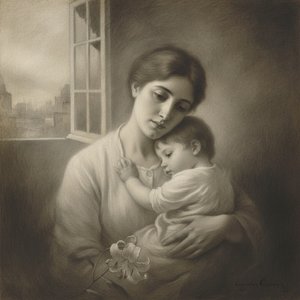
Maternity


Experience Eugène Carrière’s ‘Maternity,’ a poignant monochrome portrait of a nursing mother and child, capturing tender gestures and spiritual resonance. This iconic Symbolist work by the ‘painter of Breast-Feeding’ invites contemplation on domestic tranquility and inner light.
 Zobrazit více
"meta_description": "Eugène Carrière (1849-1906) byl francouzský symbolista známý pro své melancholické, hnědé monochromatické obrazy zobrazující intimní životní scény a vliv na Picassa. Objevte jeho díla!"
Giclée / Umělecký tisk
Giclée nebo plátěný tisk muzeální kvality s rychlou výrobou a širokou nabídkou povrchových úprav. ( Koupit ručně malovaný obraz Přepnout na digitální obraz)




P118B Kč10

P118H Kč10

P118W Kč10

P438Z Kč10

P508JH Kč12

P508YH Kč12

P805H Kč10

P805Z Kč10

P919BZ Kč10

P919G Kč10

P919XJ Kč10

P959ZH Kč10

P968JZ Kč12

W106C Kč8

W218G Kč10

W218JH Kč8

W218Y Kč10

W307PJ Kč10

W316G Kč10

W316PJ Kč8

W316Y Kč10

W398PJ Kč8

W4111J Kč10

W500HY Kč15

W500JH Kč15

W692G Kč12

W849H Kč8

W940BG Kč15

W953PJ Kč8




Standardní velikost
na zakázku
CM
INCH
Vyberte si z našich přednastavených velikostí, které odpovídají původním proporcím díla.
Loading sizes...

šířka
výška
Zadejte šířku a výšku, které potřebujete pro váš rám nebo stěnu. Tisk lze pouze oříznout, nikdy však nelze zvětšit obraz nad jeho původní rozměr, proto při výběru jiného formátu dochází ke ztrátě části obrazu. Před samotným tiskem vám zašleme digitální náhled k schválení. Obraz zobrazený na této stránce nenabízí skutečný výřez — ten uvidíte pouze v náhledu.
Celosvětové doručení () do 2 týdnů namísto standardních 4/5 týdnů. (27 říjen)

Zdarma celosvětová expresní doprava

Vysoce kvalitní lněné plátno

Kompletní pojištění přepravy

Záruka vrácení celního poplatku

Záruka věrného barevného souladu

100dení lhůta pro vrácení zboží (pouze při vadách výroby)

100% záruka vrácení peněz

Sleva při více objednávkách
 Skleněná varianta je dostupná pouze u rozměrů menších než 110 cm

Maternity
Giclée / Umělecký tisk
Rozměry reprodukce
-


Celková cena za vybrané možnosti reprodukcí
Kč 1480
A Portrait of Maternal Reverence: Eugène Carrière’s Maternity
Eugène Anatole Carrière stands apart from his contemporaries—Monet, Degas, Cézanne—not merely in stylistic preference but in a profound philosophical commitment to capturing the essence of human experience. Born in 1849 in Gournay-sur-Marne, France, he embarked on an artistic journey marked by unwavering dedication to exploring themes of spirituality and domestic tranquility. His formative years were shaped by exposure to Rubens’s luminous palette and the crucible of imprisonment in Dresden, experiences that instilled within him a sensitivity to light and color—though he would ultimately abandon them for a distinctive monochrome aesthetic. This singular approach cemented his reputation as “the painter of Breast-Feeding,” a genre he pursued with fervent conviction throughout his prolific career. ### The Monochrome Palette: A Symbol of Inner Light Carrière’s artistic signature is undeniably his masterful manipulation of color—or rather, the deliberate absence thereof. Rejecting the Impressionist obsession with capturing fleeting moments of visual sensation, he sought to distill emotion into its purest form: a subdued brown hue that permeated nearly all his canvases. This stylistic choice wasn't simply an aesthetic preference; it represented a deeply held belief in the primacy of inner contemplation and spiritual illumination. As Edmond de Goncourt eloquently observed during Carrière’s lifetime, “This Carrière really is the painter of Breast-Feeding.” He meticulously studied gestures and expressions, striving to convey not just what he saw but what he felt—a palpable resonance with the viewer's own emotional landscape. The monochromatic palette served as a conduit for conveying profound psychological depth, mirroring the stillness and serenity of domestic life. ### Maternity: A Study in Tender Gestures and Spiritual Resonance “Maternity,” completed in 1890, exemplifies Carrière’s artistic vision at its zenith. This evocative portrait depicts a woman cradling her infant child, bathed in soft light emanating from an unseen source—a deliberate allusion to divine grace and nurturing compassion. The composition is strikingly simple yet powerfully expressive: the woman's gaze directs upwards, suggesting contemplation of something beyond the immediate physical realm; her hands are outstretched, conveying warmth and protection. Two figures flank the central scene, adding depth and subtly hinting at the broader context of familial devotion. Véronique Milin Dumesnil, Carrière’s granddaughter, recounted that the models for Maternity were his wife and one of their seven children—Jean René or Leon—underscoring the artist's personal connection to the subject matter. ### Technique and Historical Context: Embracing Rubensian Influence Carrière’s technique is characterized by meticulous detail and painstaking layering of paint—a testament to his unwavering commitment to capturing nuanced textures and tonal variations. He achieved this remarkable effect through a process of gradual buildup, applying thin glazes over thicker underlayers to create an illusion of depth and luminosity despite the absence of color. This approach harkens back to Rubens’s masterful use of chiaroscuro—the dramatic interplay between light and shadow—a technique that Carrière adopted with unwavering fidelity. The painting emerged during a period marked by growing interest in Symbolism, a movement that sought to transcend mere representation and delve into realms of psychological and spiritual significance. Like many Symbolist artists, Carrière aimed to evoke emotion rather than depict reality objectively, inviting viewers to contemplate the profound mysteries of human existence. ### Legacy and Emotional Impact: A Timeless Expression of Maternal Love “Maternity” remains a captivating masterpiece—a testament to Carrière’s artistic genius and his unwavering belief in the transformative power of art. Its enduring appeal lies not only in its exquisite craftsmanship but also in its ability to resonate deeply with audiences across generations. The painting captures the essence of maternal tenderness, conveying a sense of serenity and spiritual contemplation that transcends time and culture. It serves as an inspiring reminder of the beauty and significance of familial bonds—a timeless expression of love, compassion, and faith.Otázky a odpovědi
Jak mohu získat digitální kopii díla „Maternity“ od Eugène Anatole Carrière?
Digitální obraz díla „Maternity“ od Eugène Anatole Carrière si můžete zakoupit na jeho stránce pro digitální objednávky Digitální snímek: stažení digitálního obrazu ve vysokém rozlišení.
Jaký je doporučený formát a orientace pro tisk díla "Maternity"?
Pro dílo „Maternity“ doporučujeme tisk ve velikosti Large v orientaci Portrait.
Kdo vytvořil dílo "Maternity" a v jakém roce?
Dílo "Maternity" vytvořil/a Eugène Anatole Carrière v roce 1880.
Biografie umělce
Raný život a vzdělání
Eugène Anatole Carrière, významný francouzský symbolista, se narodil 16. ledna 1849 v Gournay-sur-Marne v regionu Seine-Saint-Denis. Svou cestu k umění začal studiem na École des Beaux-Arts v Paříži a později pod vedením mistra Cabanela, což položilo pevné základy jeho budoucí tvorbě.Umělecký styl a vlivy
Carrièrova díla jsou proslulá svou charakteristickou hnědou monochromatickou paletou, která fascinuje milovníky umění po celém světě. Jeho styl byl hluboce ovlivněn dílem Petra Paula Rubense, ke kterému získal přístup během svého věznění v Drážďanech; tento vliv je patrný zejména v zářivých barvách jeho raných obrazů. Matka a dítě (1879), jedno z jeho prvních významných děl, je dnes uloženo v Musée des Beaux-Arts de Rouen. Právě toto dílo definovalo jeho zaměření na intimní scény z rodinného života, které se staly jeho uměleckým znamením.Významná díla a výstavy
- Nemocné dítě (Montargis)
- První svatba (Toulon)
- Portrét Louisa-Henriho Devillez (1887), dílo vysoce ceněné pro schopnost zachytit podstatu svých subjektů.
Odkaz a vliv na moderní umění
Monochromatický styl Carrièra nacházíme i v díle Pabla Picassa, zejména během jeho slavné modré éry. Tento vliv je jasným důkazem trvalého dopadu Carrièrova umění na moderní dějiny umění.- prohlédněte si další Carrièrova díla na TopImpressionists.com/eugène anatole carrière
- objevte Musée des Beaux-Arts de Rouen, které hostí některá jeho raná díla, při návštěvě Musée des Beaux-Arts de Carcassonne (Francie)
- zjistěte více o symbolismu a jeho vlivu na umění na stránkách hnutí symbolismu

Eugène Anatole Carrière
1849 - 1906 , Francie
Rychlé informace o umělci
- Artistic Movement Or Style: Symbolismus
- Artists Or Movements Influenced By This Artist: ['Pablo Picasso']
- Artists Who Influenced This Artist: ['Peter Paul Rubens']
- Date Of Birth: 16 January 1849
- Full Name: Eugène Anatole Carrière
- Nationality: Francouzský
- Notable Artworks:
- The Sick Child
- Young Mother
- Place Of Death: Paris, France
Související články

The Evocative Realm of Symbolism: Exploring Meaning & Mysticism in Late 19th-Century Art
Explore the captivating world of Symbolism art! Discover key artists, defining themes & its lasting influence on modern movements. A deep dive into late 19th-century masterpieces.

Monochrome Visions: Exploring the Aesthetic & Historical Significance of Black & White Photography
Explore the rich history & artistic power of black and white photography. From early techniques to iconic masters like Ansel Adams, discover why monochrome continues to captivate art lovers today. Expert insights for collectors.

The Subtleties of Shade: Exploring Monochrome's Enduring Power in Art History & Contemporary Practice
Explore the captivating world of monochrome painting! Discover its rich history, from Renaissance chiaroscuro to contemporary minimalism. Uncover the emotional power and artistic techniques behind this enduring art form.
Eugène Carrière: The 'Peintre d'Âme' & Symbolist Portraiture’s Intimate Vision
Explore the haunting world of Eugène Carrière, a pivotal French Symbolist artist known for his deeply intimate portraits & 'peinture d'âme'. Discover his life, style, and lasting influence on modern masters like Picasso. Shop high-quality reproductions at TopImpressionists.

Late Medieval Masterpieces: 10 Artworks That Defined an Era | TopImpressionists
Journey through 10 defining Late Medieval masterpieces – from Giotto's frescoes to Jan van Eyck’s realism. Explore the stories, techniques & vibrant colors of Gothic art. Find museum-quality reproductions and elevate your home decor with TopImpressionists.com! Discover all masterpieces on TopImpressionists.com