

 Náhled v interiéru
 Sdílet
 Sdílet
 Podrobnosti o díle
 Průvodce

 Stáhnout
 Podobné položky
 Rentgenové snímky
 Slideshow
 Otázky a odpovědi
 Statistiky
Man with an Ax


Paul Gauguin's 'Man with an Ax' (1891) captures Polynesian life with bold colors & expressive brushstrokes. A key Post-Impressionist work exploring themes of labor and culture.
 Zobrazit více
Paul Gauguin: Revolucionářský malíř s výraznými barvami, exotickými motivy & symbolistickými tématy. Objevte jeho cestu z financí k legendárnímu umělcovi.
Giclée / Umělecký tisk
Giclée nebo plátěný tisk muzeální kvality s rychlou výrobou a širokou nabídkou povrchových úprav. ( Koupit ručně malovaný obraz Přepnout na digitální obraz)




P118B Kč10

P118H Kč10

P118W Kč10

P438Z Kč10

P508JH Kč12

P508YH Kč12

P805H Kč10

P805Z Kč10

P919BZ Kč10

P919G Kč10

P919XJ Kč10

P959ZH Kč10

P968JZ Kč12

W106C Kč8

W218G Kč10

W218JH Kč8

W218Y Kč10

W307PJ Kč10

W316G Kč10

W316PJ Kč8

W316Y Kč10

W398PJ Kč8

W4111J Kč10

W500HY Kč15

W500JH Kč15

W692G Kč12

W849H Kč8

W940BG Kč15

W953PJ Kč8




Standardní velikost
na zakázku
CM
INCH
Vyberte si z našich přednastavených velikostí, které odpovídají původním proporcím díla.
Loading sizes...

šířka
výška
Zadejte šířku a výšku, které potřebujete pro váš rám nebo stěnu. Tisk lze pouze oříznout, nikdy však nelze zvětšit obraz nad jeho původní rozměr, proto při výběru jiného formátu dochází ke ztrátě části obrazu. Před samotným tiskem vám zašleme digitální náhled k schválení. Obraz zobrazený na této stránce nenabízí skutečný výřez — ten uvidíte pouze v náhledu.
Celosvětové doručení () do 2 týdnů namísto standardních 4/5 týdnů. (6 listopad)

Zdarma celosvětová expresní doprava

Vysoce kvalitní lněné plátno

Kompletní pojištění přepravy

Záruka vrácení celního poplatku

Záruka věrného barevného souladu

100dení lhůta pro vrácení zboží (pouze při vadách výroby)

100% záruka vrácení peněz

Sleva při více objednávkách
 Skleněná varianta je dostupná pouze u rozměrů menších než 110 cm

Man with an Ax
Giclée / Umělecký tisk
Rozměry reprodukce
-


Celková cena za vybrané možnosti reprodukcí
Kč 1525
Man with an Ax: A Post-Impressionist Masterpiece
- Title: Man with an Ax
- Artist: Paul Gauguin
- Date: 1891
- Current Location: Private Collection
- Medium: Oil on Canvas
The Painting's Composition and Symbolism
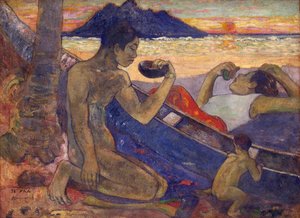
“Man with an Ax” is a captivating piece that showcases Paul Gauguin’s unique style and his ability to evoke emotions through his work. Created in 1891, this oil on canvas painting is a quintessential example of Post-Impressionism, a movement that Gauguin was heavily influenced by. The artwork depicts a man holding a large axe over his head while standing in a boat. The man appears to be the main focus of the scene, with the boat occupying most of the background. There are two other people visible in the image, one on the left side and another on the right side of the painting. The presence of bananas scattered throughout the boat adds a sense of liveliness to the scene, indicating that the man might be preparing for a journey or engaging in some form of transportation using the boat.
The symbolism within "Man with an Ax" is rich and layered. Gauguin was deeply interested in exploring non-Western cultures and sought to capture their essence through his art. The figure of the man, often referred to as “Totefa” or “Jotefa,” embodies a raw masculinity and connection to nature. His pose suggests both strength and vulnerability, hinting at the complexities of human existence. The surrounding landscape, with its vibrant colors and simplified forms, represents Gauguin’s attempt to move beyond mere representation and convey emotional truth.
Gauguin's Post-Impressionist Style
“Man with an Ax” exemplifies Gauguin’s distinctive Post-Impressionist style. Departing from the Impressionists’ focus on capturing fleeting moments of light, Gauguin sought to express deeper emotions and symbolic meanings through his art. He employed bold colors, simplified forms, and expressive brushstrokes to create a sense of emotional intensity. The flattened perspective and lack of traditional depth contribute to the painting's immediacy and impact.
Gauguin’s use of color is particularly striking in “Man with an Ax.” The vibrant hues of pink, purple, and orange in the background create a dreamlike atmosphere, while the darker tones used for the figures add a sense of drama. His brushwork is loose and impasto, creating texture and adding to the painting's overall energy.
Historical Context and Gauguin’s Tahitian Period
“Man with an Ax” was created during Gauguin’s time in Tahiti, a period that profoundly influenced his artistic development. Seeking refuge from European society and its perceived materialism, Gauguin traveled to the South Pacific islands in search of a more authentic and spiritual way of life. He was captivated by the Polynesian culture and sought to capture its essence in his art.
However, Gauguin’s relationship with Tahitian culture was complex and controversial. While he admired certain aspects of their traditions, his portrayal of them has been criticized for being romanticized and exoticizing. Nevertheless, “Man with an Ax” remains a significant work in Gauguin's oeuvre, offering insights into his artistic vision and his exploration of cultural identity.
Emotional Impact and Legacy
“Man with an Ax” evokes a range of emotions in the viewer – awe, mystery, and perhaps even a sense of unease. The painting’s powerful imagery and symbolic depth invite contemplation and interpretation. It is a testament to Gauguin's ability to capture not only the visual world but also the complexities of human experience.
As a handmade oil painting reproduction, “Man with an Ax” can be appreciated in a new light, allowing viewers to experience the beauty and emotion of Gauguin’s original work. It is a timeless masterpiece that continues to inspire and captivate art lovers around the world.
Otázky a odpovědi
Je „Man with an Ax“ od Paul Gauguin portrét, krajina nebo čtvercová kompozice?
Dílo „Man with an Ax“ od Paul Gauguin má formát Portrait. Tento formát určuje poměry kompozice.
Kde si mohu koupit ručně malovanou reprodukci díla „Man with an Ax“ od Paul Gauguin?
Ručně malované kopie díla „Man with an Ax“ od Paul Gauguin jsou k zakoupení na webu tato webová stránka: ručně malovaná olejová reprodukce na lněném plátně, a to prostřednictvím jeho stránky Ručně malovaná reprodukce.
Patří „Man with an Ax“ od Paul Gauguin do volného tisku?
Stav autorských práv pro dílo „Man with an Ax“ od Paul Gauguin: toto dílo spadá do v rámci volného užití – autorská práva vypršela. To určuje, zda lze volně vytvářet reprodukce tohoto obrazu.
Podobná díla




Biografie umělce
A Life Painted in Bold Strokes: The World of Paul Gauguin
Eugène Henri Paul Gauguin, jméno, které zní s vibrancí barev a rebelským duchem, stojí jako klíčová postava při přechodu od impresionismu k modernímu umění. Narodil se v Paříži v roce 1848 a jeho život byl rozhodně nekonvenční. Jeho rané roky byly utvářeny neobvyklým vychováváním; otce novinář, matku pocházející z peruaného šlechtického rodu – její babička, Flora Tristanová, průkopnická feministka a socialistická spisovatelka, jejíchž ideály bezpochyby rezonovaly v rodině. Toto dědictví hluboce ovlivnilo Gauguinův umělecké vizi, inspirovalo ho k fascinaci kulturami za hranicemi Evropy. Formativní období strávené v Peru jako dítě po přesídlení rodiny v roce 1850, vtáhlo ho do světa drasticky odlišného od pařížské společnosti, zkušenost, která přetrvávala a nakonec poháněla jeho snahu o autenticitu v umění. Po otcově smrti se vrátil do Francie a získal formální vzdělání, ale cítil se přitahován ne akademickými obory, nýbrž rozvíjejícím se finančním světem, kde začal pracovat jako akcionář – cesta, která zdánlivě odporovala uměleckému osudu, který ho čekal.Od Finance k Umělecké Volání
Po mnoho let vedl Gauguin dvojí život, pečlivě usiloval o své obchodní záležitosti a tajně rozvíjel vášeň pro malování. V počátcích byl ovlivněn impresionisty a začal experimentovat s barvami a světlem ve svém volném čase, ale brzy se cítil omezen jejich závazkem k zachycení mihotavých okamžiků reality. Finanční krize roku 1882 představila obratový bod, který ho donutil opustit lukrativní kariéru a s vervou přijmout uměleckou volání. Nešlo jen o změnu povolání; byla to fundamentální změna vnímání světa. Hledal vedení od Camille Pissarra, který mu doporučil rozvoj a představil ho avantgardním kruhům Paříže. Gauguin však brzy začal divergovat od impresionistických principů, toužil po něčem více expresivním, více symbolickém – prostředku k vyjádření ne jen toho, *co viděl*, ale toho, *co cítil*. Tato touha ho vedla na cestu uměleckého prozkoumávání, která ho zavedla daleko za pařížské salony a do srdce „primitivních“ kultur. Nezajímal se jen o zobrazení těchto kultur; toužil je absorbovat, věřil, že skrývají čistotu ztracenou v západní civilizaci.Výzva z Bretaně a Tahiti
Gauguinův umělecký vývoj byl neodmyslitelně spjat s jeho cestami. Strávil čas v Bretani, kde byl okouzlán divokými krajinami a hluboce zakořeněnými tradicemi jejích obyvatel. Tato éra přinesla experimenty s plochými tvary, výraznými obrysy a zjednodušením kompozice – techniky, které ho postupně odpojovaly od naturalismu a přibližovaly ho k uměleckému jazyku založenému na symbolice. Ale jeho cesta do Tahiti v roce 1891 skutečně uvolnila jeho kreativní potenciál. Hledal útočiště před tím, co vnímával jako omezující omezení západní civilizace, a doufal, že najde inspiraci v polynéské kultuře, věřil, že nabízí čistší, autentičtější způsob života. Nezjednodušeně řečeno, nešlo jen o umělecké úsilí; byla to duchovní cesta. Vžíral se do místních zvyků a přesvědčení, zobrazoval polynéské ženy, krajiny a náboženské praktiky prostřednictvím svého jedinečního pohledu. Influencován japonskými rytmickými tisky – *Japonismem* – a středověkým uměním vyvinul charakteristickou estetiku, vyznačující se bohatými barvami, exotickým námětem a atmosférou tajemna. Ikonické obrazy jako „Vahine no te miti“ (Žena s mangem), „Manao Tupapau“ (Pozorovaný duchem mrtvých) a „Den bohů“ vznikly v tomto období, upevňující jeho pověst jako vizionářského umělce. Jeho používání barev se stalo stále odvážnějším a ne-přirozenějším, sloužícího k vyjádření emocí a duchovní významu, nikoli k replikaci reality.Dědictví a Kontroverze
Přestože jeho umělecké průlomy, Gauguinův život byl často poznamenán obtížemi. Bořil se s finančními problémy a ubývajícím zdravím během svého pobytu v Tahiti a později na ostrovech Marquesas, kde nakonec usadil. Přesto pokračoval v malování produkčně, neustále zkoumal témata života, smrti a spirituality. Zemřel v roce 1903 na hoji – Hiva Oa, odlehlý ostrov v Marquesaských ostrovech, převážně neznalý pro jeho genialitu. Pouze po jeho smrti začala jeho práce získávat si zaslouženou obdiv. Dnes je oslavován jako klíčová postava vývoje moderního umění, který překlenul mezeru mezi impresionismem a symbolismem a vytyčil cestu pro směry jako fauvizmus. Jeho používání barev, zjednodušené tvary a symbolický obrazový jazyk hluboce ovlivnily umělce jako Pabla Picassa, Henriho Matissea a mnoho dalších. Nicméně Gauguin zůstává kontroverzní postavou kvůli aspektům svého osobního života – zejména svým vztahům s mladými polynéskými ženami – které pokračují v debatě a reinterpretaci v kontextu současných etických úvah. Přesto je jeho umělecký příspěvek nepopiratelný a jeho dědictví inspiruje umělce i milovníky umění po celém světě. Byl opravdovým inovátorem, rebéllem, který se odvážil zpochybnit konvence a vybojovat si vlastní cestu, nechávaje za sebou dílo, které je stejně poutavé a záhadné jako samotný muž.Klíčové vlivy & Umělecké charakteristiky
- Impresionismus: Raná podpora od barev a světla, později odmítnuta pro její zaměření na mihotavou realitu.
- Japonismus: Inspirace plochými perspektivami, výraznými obrysy a dekorativními vzory.
- Středověký umění: Vliv symbolického obrazového jazyka a odmítnutí přísné realizmu.
- Synthetismus: Styl vyvinutý Gauguinem, který zdůrazňuje vytváření umění založeného na subjektivním zážitku spíše než objektivní pozorování.
- Primitivism: Fascinace ne-západními kulturami, věřící, že nabízejí čistší a duchovnější způsob života. To se odráží v jeho námětech a stylu.

Paul Gauguin
1848 - 1903 , Francie
Rychlé informace o umělci
- Artistic Movement Or Style: Postimpresionismus, Symbolismus
- Artists Or Movements Influenced By This Artist:
- Picasso
- Matisse
- Artists Who Influenced This Artist: ['Pissarro']
- Date Of Birth: 1848
- Date Of Death: 1903
- Full Name: Eugène Henri Paul Gauguin
- Nationality: Francouzský
- Notable Artworks:
- Vahine no te miti
- Manao Tupapau
- The Day of Gods
- Place Of Birth: Paříž, Francie
Související články

Beyond the Light: Discovering the Soul and Emotional Depth of Post-Impressionism
Embark on a cultural journey through Post-Impressionism. Discover the profound emotional depth of masters like Van Gogh and Cézanne, exploring how they moved beyond light to capture the very soul of human experience through vibrant color and symbolic form.
Prozkoumejte umělecká díla uspořádaná podle témat, stylů a charakteristik.


