

 Zobrazit v interiéru
 Odeslat
 Sdílet
 Podrobnosti
 Průvodce

 Stáhnout obrázek
 Podobné kousky
 Rentgenové snímky
 Slideshow
 Statistiky
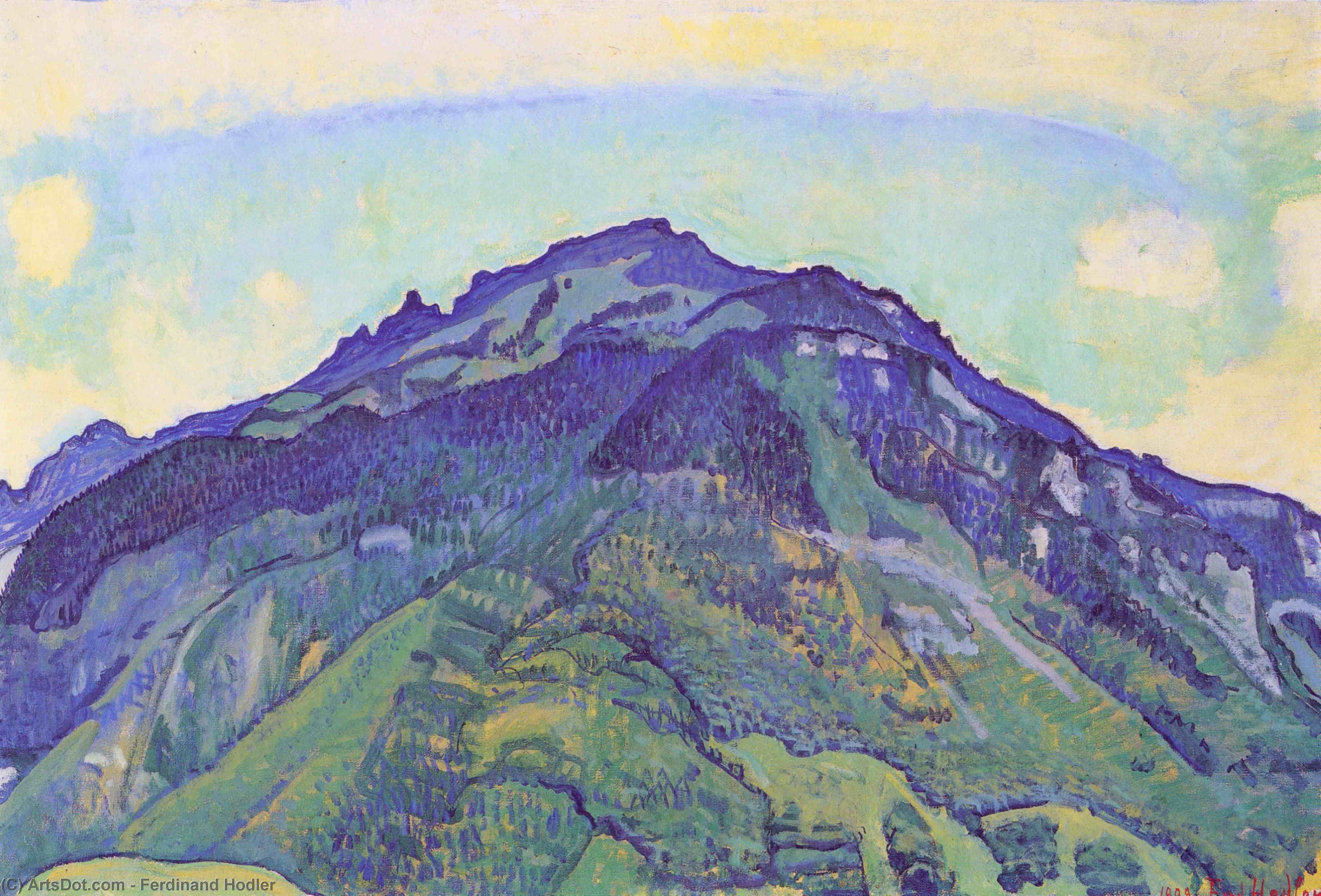
Schynige plate
 Oil On Canvas
- WallArt
- Expressionism
 1909
1909- Modern
 68.0 x 98.0 cm
Ferdinand Hodler’s "Schynige Plate" (1909) – a stunning Expressionist landscape of the Swiss Alps. Oil on canvas, showcasing dynamic lines & vibrant color. Explore Symbolism's beauty.
 Přečíst si více
Ferdinand Hodler: Švýcarský malíř známý symbolistickými krajinami & dynamickou paralelismem. Objevte jeho mistrovská díla na TopImpressionists.
Ručně malovaná olejová reprodukce
Ručně malované olejné plátno v libovolném rozměru i s rámem, vyrobené našimi umělci na zakázku. ( Přepnout na tiskové verze Přepnout na digitální verzi obrazu)




P118B Kč10

P118H Kč10

P118W Kč10

P438Z Kč10

P508JH Kč12

P508YH Kč12

P805H Kč10

P805Z Kč10

P919BZ Kč10

P919G Kč10

P919XJ Kč10

P959ZH Kč10

P968JZ Kč12

W106C Kč8

W218G Kč10

W218JH Kč8

W218Y Kč10

W307PJ Kč10

W316G Kč10

W316PJ Kč8

W316Y Kč10

W398PJ Kč8

W4111J Kč10

W500HY Kč15

W500JH Kč15

W692G Kč12

W849H Kč8

W940BG Kč15

W953PJ Kč8




Standardní velikost
na zakázku
CM
INCH
Vyberte si z našich přednastavených velikostí, které odpovídají původním proporcím díla.
Loading sizes...

šířka
výška
Zadejte šířku a výšku, které potřebujete pro váš rám nebo stěnu. Protože se jedná o ruční malbu, při výběru jiného formátu může umělec kolem obrazu domalovat o něco více, nebo jej mírně oříznout — rozhodnete si vy. Před zahájením malby vám zašleme digitální náhled ke schválení. Obraz zobrazený na této stránce neodpovídá skutečnému výsledku — pouze digitální náhled jej zobrazuje.
Příklady možných změn: nahrazení obličeje vlastní fotografií; přidání domácího mazlíčka (např. nahrazení kočky psem); vložení skrytého vzkazu do pozadí; změna krajiny nebo prvků v pozadí.
Po přijetí objednávky vám tým TopImpressionists.com zašle e-mail s pokyny a poskytne náhledovou verzi.
Po přijetí objednávky vám tým TopImpressionists.com zašle e-mail s pokyny a poskytne náhledovou verzi.
Celosvětová doprava () za 3–4 týdny namísto standardních 5 týdnů. (24 říjen). Bez kompromisů v kvalitě.

Zdarma celosvětová expresní doprava

Vysoce kvalitní lněné plátno

Úplné pojištění přepravy

Záruka vrácení celního poplatku

Záruka věrného barevného shodu

100dení lhůta pro vrácení zboží (pouze při vadách výroby)

100% garance vrácení peněz

Sleva při více objednávkách
 Skleněná varianta je dostupná pouze u rozměrů menších než 110 cm

Schynige plate
Technika provedení
Velikost reprodukce
-


Celková cena
Kč 5770
The Majesty of the Alps: A Vision in Color
In the heart of the Swiss landscape, where the earth meets the heavens, Ferdinand Hodler captured a moment of profound geological and spiritual grandeur in his 1909 masterpiece, Schynige Plate. This breathtaking oil on canvas is far more than a mere depiction of a mountain range; it is an immersive experience that transports the viewer to the rugged heights of the Alps. The composition is dominated by towering, majestic peaks that pierce a heavy, cloud-swept sky, creating a sense of verticality that commands respect. Through his unique lens, Hodler transforms the familiar topography of Switzerland into a rhythmic dance of shapes and colors, where undulating green hills in the foreground serve as a soft, inviting prelude to the formidable, snow-dusted giants above.
The painting stands as a quintessential example of the transition between Symbolism and Expressionism. Eschewing the photographic precision of traditional realism, Hodler utilizes a technique characterized by flattened perspectives and simplified, almost geometric forms. The mountains are rendered as powerful triangles, while the hills roll in soft, organic curves, creating a visual language that feels both ancient and modern. His use of "parallelism"—a concept Hodler pioneered—is evident in the way repetitive lines and rhythmic patterns move across the canvas, suggesting an underlying order within the wildness of nature. This structural harmony gives the work a monumental stability, making it a captivating focal point for any sophisticated interior.
Texture, Light, and the Soul of the Landscape
To touch the surface of Schynige Plate with one's eyes is to feel the palpable energy of the artist's brush. Hodler employed a thick, impasto technique, applying oil paints with a vigor that lends a tactile, sculptural quality to the mountainside. These heavy strokes catch the light, creating subtle shadows and highlights that change as the viewer moves around the piece. The lighting itself is masterfully diffused, evoking the quiet, contemplative atmosphere of an overcast Alpine day. There is no harsh sunlight here; instead, a soft, pervasive glow illuminates the verdant valleys and the misty peaks, lending the scene a dreamlike, almost ethereal quality.
Beyond its physical beauty, the artwork carries a deep emotional and symbolic weight. For Hodler, the landscape was often a mirror for the human condition. The immense scale of the mountains can be interpreted as symbols of resilience, strength, and the eternal, standing in stark contrast to the fleeting nature of human life—a theme deeply rooted in his personal history of loss. There is a profound sense of solitude within the painting, yet it is not a lonely silence; rather, it is a majestic, awe-inspiring stillness that invites introspection. For collectors and designers, this piece offers more than decoration; it provides a window into a world of sublime beauty, making it an ideal acquisition for those looking to infuse their space with a sense of peace, power, and timelessness.
Otázky a odpovědi
Jak mohu získat digitální kopii díla „Schynige plate“ od Ferdinand Hodler?
Chcete-li získat digitální kopii díla „Schynige plate“ od Ferdinand Hodler, objednejte si stažení digitálního obrazu ve vysokém rozlišení na jeho stránce Digitální obraz.
Kdo vytvořil dílo "Schynige plate" a v jakém roce?
Autorem díla „Schynige plate“ je Ferdinand Hodler a dílo pochází z roku 1909.
Jaký emocionální tón doprovází styl Expressionism u díla „Schynige plate"]?
Powerful emoce díla „Schynige plate“ doprovází jeho styl, který patří k Expressionism.
Související díla


Biografie umělce
A Life Etched in Symbolism: The World of Ferdinand Hodler
Ferdinand Hodler, jméno neodmyslitelně spojené s výtvarným landscapem Švýcarska a silnou řečí symbolizmu, se z modestních začátků vypracoval na jednoho z nejvýznamnějších umělců konce 19. a počátku 20. století. Narodil se v Bernu, ve Švýcarsku, v roce 1853, jeho život byl hluboce ovlivněn ranými ztrátami – tématem, kterému bude průzračně dominovat v jeho umělecké vizi. Nečekané úmrtí otce a dvou mladších bratrů ještě předtím, než dosáhl dospělosti, zanechalo dlouhý stín, instinktivně ho vedl k hlubokému zamyšlení nad smrtí a plyknutím existence. Tyto zkušenosti, propletené s ostrým citlivostí k kráse a síle přírody, se staly centrálními pilíři jeho vyvíjejícího se díla. Zpočátku byl učně dekorativními malíři, Hodlerův vrozený talent však rychle překročil hranice pouhé řemeslné zručnosti; toužil po formálním vzdělání a uměleckém prozkoumávání za hranicemi omezení komerční práce. Tato ambice ho v roce 1871 dovedla do Ženevy, kde se ponořil do studia, účastnil se vědeckých přednášek vedle důkladného kopírování mistrovských děl v městském muzeu – přísné vzdělání, které položilo základy pro jeho budoucí inovace.Od Realismu k ‘Paralelizmu’: Tvorba Jedinečného Vize
Hodlerova umělecká cesta byla charakterizována neustálou evolucí a neochvějným úsilím o vyjádření. Jeho rané díla odrážela převládající realistický styl doby – portréty, krajiny a žánrové scény provedené s pečlivým detailem. Brzy se však ocitl v těchto konvencích omezený, hledal prostředky k vyjádření hlubších emocionálních pravd a filozofických myšlenek. Tato touha vedla ho k symbolismu, proud, který odmítl naturalistickou reprezentaci ve prospěch subjektivního zážitku a sugestivních obrazů. Přesto Hodler tento proud nechal prostupovat svými vlastními jedinečnými cestami, vyvinul co nazval “paralelizmus”. Tento charakteristický styl zahrnoval uspořádání postav a tvarů v rytmických, téměř geometrických vzorech, vytvářející pocit harmonie i napětí – vizuální reprezentaci propojenosti. Snažil se tak vyobrazit nejen *co* viděl, ale *jak* cítil – podkladové emocionální proudy, které spojovaly všechny věci. Noc (1890), která se stala klíčovým dílem, pevně zakotvila jeho symbolistickou vizi a vyvolala značné kontroverze díky své sugestivní reprezentaci ležících postav naznačující smrti a odpočinku. Přestože byla původně kritizována, obraz získal pozornost v Paříži, čímž Hodlerovi zajistil pověst mimo hranice Švýcarska a signalizoval příchod skutečně originálního hlasu.Klíčové Děla a Jejich Význam
Během svého plodného působení vytvořil Hodler pozoruhodný soubor děl, který i dnes rezonuje s publikem. Den (1893) je jedním z jeho nejambicióznějších a nejslavnějších děl – monumentální historický obraz, který demonstruje jeho mistrovství v kompozici a symbolismu. Umužován v Kunsthaus v Zürichu, tento obraz představuje hlubokou meditaci nad životem, smrtí a obnovou, ztvárněnou působivým spojením realismu a vizionářské intenzity. Rozměr a emocionální váha Dne pevně zakotvila Hodlerovu pozici mezi předními evropskými umělci. Dalšími významnými díly jsou řada obrazů švýcarských Alp, nabitých pocitem ohromující nádhery, a portréty, které odhalují jeho hluboké porozumění lidské psychice. Často se vrátil k tématům ztráty a žalosti, možná odrážejíc vlastní dětinské traumata, ale vždy je obdařil pocitem důstojnosti a odolnosti. Jeho obrazy nebyly pouhými reprezentacemi; byly emocionálními krajinami, které vybízel diváky k zamyšlení nad základními otázkami existence. Díla jako Pravda II (1897) ukazují jeho schopnost kombinovat klasické formy s moderními smysly a vytvářet obrazy, které jsou současně věčné a působivě soudobé – důkazem jeho inovativního ducha.Dlouhodobá Dědictví: Vliv a Historický Kontext
Hodlerův vliv se rozprostřel daleko za hranice Švýcarska. Jeho inovativní použití symbolismu a vývoj “paralelizmu” otevířil cestu pro expresionismus, s jeho důrazem na subjektivní emoce a zkreslené formy. Umělci, kteří ho následovali, si ho prohlédli jako předchůdce svých vlastních průzkumů vnitřního zážitku. Hodlerova díla rezonovala také s širšími kulturními proudy konce 19. a počátku 20. století – období rychlé sociální změny, vědeckého pokroku a rostoucího pocitu existenciálního úzkosti. Jeho obrazy nabízely vizuální jazyk pro zvládání těchto složitých problémů, poskytovaly útěchu a vhled v stále nejistém světě. Dnes jsou díla Hodlera vystavována v předních muzeích po celé Evropě a dále, zajišťují, že jeho umělecké vize i nadále inspiruje a provokuje generace diváků. Zůstává impozantní postavou ve švýcarské umělecké historii, oslavovaný nejen pro svou technickou zručnost, ale také pro svůj hluboký emocionální hloubku a neochvějný závazek k prozkoumávání tajemství lidské existence.
Ferdinand Hodler
1853 - 1918 , Švýcarsko
Rychlé informace
- Artistic Movement Or Style: Symbolismus, Paralelizmus
- Artists Or Movements Influenced By This Artist: ['Expressionismus']
- Artists Who Influenced This Artist:
- Courbet
- Gauguin
- Date Of Birth: 1853
- Date Of Death: 1918
- Full Name: Ferdinand Hodler
- Nationality: Švýcarský
- Notable Artworks:
- The Night
- The Day
- Truth II
- Place Of Birth: Bern, Švýcarsko
Související články

Capturing Emotion: A Journey Through the Soul of Expressionist Landscapes
Explore the profound emotional depth of Expressionist landscapes. Discover how Post-Impressionist masters moved beyond light to capture the soul through vibrant color and form. A curated journey for true art lovers seeking the beauty of expressive mastery.
Prozkoumejte umělecká díla uspořádaná podle témat, stylů a charakteristik.


