Ateliér — Doprava po celém světě zdarma — Dodání za 2–6 týdnů
Seznam přání Košík
PreviewPreview Koupit tisk Koupit tiskObjednat reprodukci Objednat reprodukci SdíletSdílet
Podrobnosti o dílePodrobnosti o díle Přidat do oblíbených Přidat do oblíbených StáhnoutStáhnout Podobné položkyPodobné položky Rentgenové snímkyRentgenové snímky SlideshowSlideshow

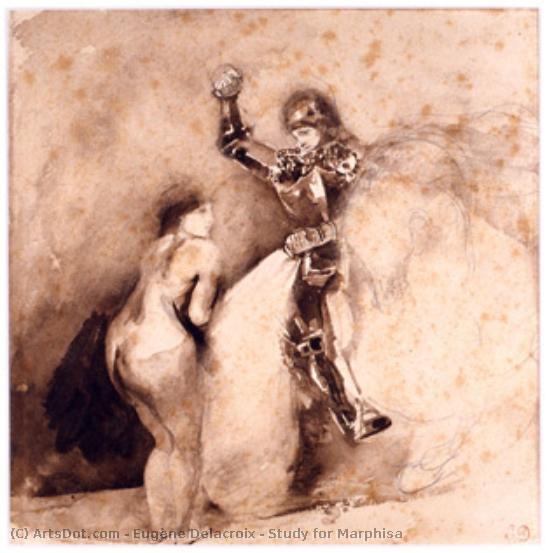
Study for Marphisa

Explore 'Study for Marphisa' by Eugène Delacroix, a captivating Romantic sketch revealing the artist’s process for his dramatic literary painting. A glimpse into Delacroix's masterful technique and vibrant storytelling.

Eugène Delacroix: přední představitel francouzského romantismu! Objevte dramatické scény, exotická témata a mistrovské barvy. Proslulé obrazy jako 'Svoboda vede lid' vás uchvátí. #Delacroix #Romantismus #FrancouzskéUmění

Koupě vysoce rozlišeného, vylepšeného digitálního obrazu, který je mnohem kvalitnější než online náhled.

Každý soubor je pečlivě připraven našimi odborníky pomocí pokročilých nástrojů a expertní manuální retuše. Zajišťujeme, aby každý obraz disponoval výjimečnou ostrostí, přesnou barevnou věrností a jemnými detaily.

Finální soubor vám bude do 72 hodin zaslán e-mailem, optimalizovaný pro okamžité použití v profesionálním, redakčním i tiskovém prostředí. Nabízíme stejnou kvalitu, které důvěřují špičková designová studia, nakladatelství i galerie.

Digitální obrazy

Stáhněte si soubor ve vysokém rozlišení pro osobní prohlížení, tisk a kreativní projekty.

Celková cena

$9.99

Součást každé objednávky digitálního obrazu

Profesionální digitální doručení, zaručeno.

Když si vyberete TopImpressionists.com, nezískáváte pouze obrázek – získáváte digitální umělecké dílo s profesionálně vylepšenými detaily, zpracované s precizností a podpořené zárukou za spokojenost. Zde je vše, co vaše objednávka automaticky obsahuje:

shipping_icon
Rychlé doručení e-mailem

Váš digitální obraz ve vysokém rozlišení vám bude zaslán e-mailem do 72 hodin od objednávky – připraven k okamžitému použití.

canvas_icon
Digitální soubor s využitím AI

Vaše umělecké dílo je profesionálně optimalizováno pomocí pokročilých nástrojů umělé inteligence a manuální úpravy, což zajišťuje maximální úroveň detailu, ostrosti a přesnosti barev.

insurance_icon
Bezplatné doživotní znovuodeslání

Soubor jste omylem smazali nebo ztratili? Žádný problém – kdykoliv vám ho znovu zašleme zcela zdarma.

tax_icon
Bez poplatků za dovoz – navždy

Užijte si své umělecké dílo okamžitě bez celních poplatků, daní nebo nákladů na dopravu – digitální stažení je vždy bez daňových povinností.

color_icon
Záruka přesnosti barev

Pomocí profesionálních nástrojů a správy barev zajišťujeme, aby váš digitální obraz odrážel původní barvy co nejvěrněji.

return_icon
60denní záruka spokojenosti

Pokud nebudete s digitální fotografií spokojeni, provedeme její revizi nebo vám vrátíme 100% během 60 dnů – bez jakýchkoliv dotazů.

guarantee_icon
100% záruka vrácení peněz

Nespokojeni? Získejte plnou částku zpět do 60 dní od přijetí vašeho digitálního souboru – bez jakýchkoliv dotazů.

discount_icon
Slevy při hromadných objednávkách

Koupěte si 3 obrazy, ušetřete 10% - Koupěte si 5, ušetřete 15% - Koupěte si 10+, ušetřete 20%. Ideální pro kreativní projekty, galerie a agentury.

Základní informace

  • Title: Study for Marphisa
  • Movement: Romanticism
  • Year: 1850
  • Notable elements or techniques: Pencil & ink sketch
  • Subject or theme: Medieval battle scene
  • Artist: Eugène Delacroix

Kvíz o umění

U každé otázky je pouze jedna správná odpověď.

Otázka 1:
Eugène Delacroix was a leading figure in which artistic movement?
Otázka 2:
The artwork 'Study for Marphisa' depicts a scene involving what kind of figures?
Otázka 3:
Based on the image description, what is the knight preparing to do?
Otázka 4:
Delacroix was influenced by which of the following artists?

Popis sběratelského kusu

A Glimpse into Delacroix’s Dramatic World: “Study for Marphisa”

Eugène Delacroix, a name synonymous with French Romanticism, possessed an unparalleled ability to ignite the canvas with passion and movement. While celebrated for grand historical narratives like "Liberty Leading the People," his preparatory studies offer intimate glimpses into the artist’s creative process – and “Study for Marphisa,” created in 1850, is a compelling example. This work isn't merely a sketch; it’s a concentrated burst of energy, capturing a pivotal moment from Ludovico Ariosto’s epic poem *Orlando Furioso*. The scene depicts the formidable female knight Marphisa confronting her rivals, poised for battle with an almost palpable intensity.

The Romantic Spirit in Charcoal and Ink

Delacroix's artistic journey was a deliberate departure from the rigid Neoclassicism that preceded him. He sought inspiration not in the idealized forms of antiquity, but in the vibrant colors and dynamic compositions of Baroque masters like Rubens and Titian, as well as the dramatic chiaroscuro of Spanish painters such as Velázquez. “Study for Marphisa” embodies this Romantic sensibility through its expressive brushwork – visible even in this preliminary rendering – and its focus on emotional impact over precise detail. Executed with a masterful combination of brown ink and pencil, the study showcases Delacroix’s skill in capturing both form and movement. The knight, dominating the composition, is rendered with powerful lines suggesting strength and readiness, while the opposing figure conveys a sense of vulnerability and anticipation. The use of light and shadow isn't merely descriptive; it heightens the drama, drawing the viewer into the heart of the impending conflict.

Marphisa: A Warrior Queen from Ariosto’s Realm

To fully appreciate “Study for Marphisa,” understanding its literary source is crucial. Ariosto’s *Orlando Furioso* is a sprawling tapestry of chivalry, magic, and adventure. Marphisa, one of the poem's most captivating characters, is a warrior queen renowned for her skill in combat and unwavering independence. She challenges societal norms by excelling in traditionally masculine pursuits, embodying a spirit of defiance that resonated with Delacroix’s own rebellious nature. The scene depicted – though a study for a larger composition – encapsulates this essence: Marphisa's dominance is not simply physical; it represents a triumph over convention and expectation. Delacroix was fascinated by literary subjects, seeing in them opportunities to explore themes of heroism, passion, and the complexities of human nature.

A Legacy of Influence

Though a study rather than a finished painting, “Study for Marphisa” is significant not only for its intrinsic artistic merit but also for what it reveals about Delacroix’s working methods. It demonstrates his ability to distill complex narratives into their most essential elements, focusing on gesture and expression to convey emotion. This emphasis on subjective experience and dramatic intensity would profoundly influence subsequent generations of artists, paving the way for Impressionism and Symbolism. Today, owning a reproduction of this work allows one to connect with the spirit of Romanticism and appreciate the genius of an artist who dared to break from tradition and embrace the power of color, emotion, and imagination.


Biografie umělce

A Revolutionary Brush: The Life and Legacy of Eugène Delacroix

Ferdinand Victor Eugène Delacroix, born in Charenton-Saint-Maurice near Paris in 1798, was more than just a painter; he was the embodiment of Romanticism’s fervent spirit. Emerging as a leading figure in French art during a period of societal upheaval and shifting aesthetic ideals, Delacroix rejected the rigid formalism of Neoclassicism, instead embracing drama, emotion, and a vibrant palette that would forever alter the course of painting. His life, though marked by personal tragedy, became inextricably linked with his artistic vision—a quest to capture the sublime, explore exotic realms, and express the raw power of human experience.

Delacroix’s early years were shaped by a complex family history and a somewhat fragile health. Orphaned at sixteen, he found guidance in the influential figure of Charles-Maurice de Talleyrand-Périgord, who many believed to be his true father. This connection provided him with crucial patronage and access to the Parisian art world. He initially studied under Pierre-Narcisse Guérin, a respected academic painter, but it was the work of Théodore Géricault—particularly his monumental *The Raft of the Medusa*—that truly ignited Delacroix’s artistic passion. He even posed for Géricault, absorbing the elder artist's commitment to realism and emotional intensity.

From Historical Scenes to Exotic Visions

Delacroix burst onto the Salon scene in 1822 with *Dante and Virgil in Hell*, a work that immediately signaled his departure from established norms. Inspired by Dante Alighieri’s *Inferno*, the painting showcased a bold use of color, dynamic composition, and a palpable sense of psychological turmoil. This marked the beginning of a career dedicated to exploring themes of passion, conflict, and the human condition. While initially met with mixed reactions—some critics lauded his originality, others dismissed his work as chaotic and lacking in classical refinement—Delacroix persevered, developing a distinctive style characterized by loose brushwork, rich textures, and an emphasis on movement.

His fascination extended beyond historical and literary subjects. A pivotal journey to North Africa in 1832 profoundly impacted his artistic trajectory. Immersing himself in the vibrant culture of Morocco, Delacroix was captivated by the exotic landscapes, the nomadic lifestyle of the Arab tribes, and the intensity of their traditions. This experience infused his paintings with a newfound sense of color, light, and energy, as seen in works like *Arab Horses Fighting* and numerous studies of Algerian life. He wasn’t merely documenting these scenes; he was seeking to understand the underlying spirit of a culture vastly different from his own.

The Power of Color and Political Engagement

Delacroix's mastery of color is arguably his most enduring legacy. He drew inspiration from the Baroque exuberance of Rubens and the Venetian Renaissance masters, prioritizing chromatic intensity over precise draftsmanship. He understood that color could evoke emotion, create atmosphere, and convey meaning in ways that line alone could not. This innovative approach profoundly influenced subsequent generations of artists, paving the way for Impressionism and Post-Impressionism.

Beyond his aesthetic innovations, Delacroix was a politically engaged artist. His most iconic work, *Liberty Leading the People* (1830), is not simply a depiction of the July Revolution; it’s a powerful allegory for freedom and rebellion. The painting's dynamic composition, allegorical figures, and raw emotional power cemented its place in art history as a symbol of French national identity and revolutionary ideals. It wasn’t just about documenting an event; it was about capturing the spirit of a nation fighting for its liberty.

A Lasting Influence

Delacroix continued to paint prolifically throughout his life, exploring diverse themes ranging from Shakespearean tragedies to biblical narratives. He also made significant contributions as a lithographer, illustrating works by literary giants like William Scott and Johann Wolfgang von Goethe. His studio became a hub for artistic exchange, attracting aspiring painters who were drawn to his unconventional approach.

By the time of his death in 1863, Delacroix had firmly established himself as one of France’s greatest artists. His influence extended far beyond the Romantic movement, shaping the development of modern painting and inspiring countless artists with his bold use of color, dynamic compositions, and unwavering commitment to emotional expression. He remains a pivotal figure in art history—a testament to the power of individual vision and the enduring allure of the sublime.

Eugène Delacroix

Eugène Delacroix

1798 - 1863 , Francie

Stručné informace

  • Artistic Movement Or Style: Romantismus
  • Artists Or Movements Influenced By This Artist:
    • Impresionismus
    • Postimpresionismus
  • Artists Who Influenced This Artist:
    • Rubens
    • Benátští mistři
  • Date Of Birth: 26. dubna 1798
  • Date Of Death: 13. srpna 1863
  • Full Name: Ferdinand Victor Eugène Delacroix
  • Nationality: Francouzská
  • Notable Artworks (List Of Titles):
    • Svoboda vede lid
    • Sardanapalova smrt
  • Place Of Birth (City And Country): Chantonnay, Francie
© TopImpressionists.com — Všechna práva vyhrazena  ·  100% Ručně malováno · Spokojenost zaručena · Doprava po celém světě zdarma
VISA MASTERCARD