Náhled v interiéru
 Sdílet
 Sdílet
 Podrobnosti o díle
 Průvodce

 Stáhnout
 Podobné položky
 Rentgenové snímky
 Slideshow
 Otázky a odpovědi
 Statistiky
Triptych


Experience the vibrant Early Renaissance depth of Lippi's Triptych, featuring Madonna and Child scenes with meticulous detail; discover this masterpiece today.
 Zobrazit více
Filippo Lippi (1406-1469): Florenský malíř známý lyrickými Madonami, naturalismem a inovativními kompozicemi. Ovlivnil Botticelliho a utvářel italské umění renesance. Prozkoumejte jeho život a dílo!
Giclée / Umělecký tisk
Giclée nebo plátěný tisk muzeální kvality s rychlou výrobou a širokou nabídkou povrchových úprav. ( Koupit ručně malovaný obraz Přepnout na digitální obraz)




P118B Kč10

P118H Kč10

P118W Kč10

P438Z Kč10

P508JH Kč12

P508YH Kč12

P805H Kč10

P805Z Kč10

P919BZ Kč10

P919G Kč10

P919XJ Kč10

P959ZH Kč10

P968JZ Kč12

W106C Kč8

W218G Kč10

W218JH Kč8

W218Y Kč10

W307PJ Kč10

W316G Kč10

W316PJ Kč8

W316Y Kč10

W398PJ Kč8

W4111J Kč10

W500HY Kč15

W500JH Kč15

W692G Kč12

W849H Kč8

W940BG Kč15

W953PJ Kč8




Standardní velikost
na zakázku
CM
INCH
Vyberte si z našich přednastavených velikostí, které odpovídají původním proporcím díla.
Loading sizes...

šířka
výška
Zadejte šířku a výšku, které potřebujete pro váš rám nebo stěnu. Tisk lze pouze oříznout, nikdy však nelze zvětšit obraz nad jeho původní rozměr, proto při výběru jiného formátu dochází ke ztrátě části obrazu. Před samotným tiskem vám zašleme digitální náhled k schválení. Obraz zobrazený na této stránce nenabízí skutečný výřez — ten uvidíte pouze v náhledu.
Celosvětové doručení () do 2 týdnů namísto standardních 4/5 týdnů. (6 listopad)

Zdarma celosvětová expresní doprava

Vysoce kvalitní lněné plátno

Kompletní pojištění přepravy

Záruka vrácení celního poplatku

Záruka věrného barevného souladu

100dení lhůta pro vrácení zboží (pouze při vadách výroby)

100% záruka vrácení peněz

Sleva při více objednávkách
 Skleněná varianta je dostupná pouze u rozměrů menších než 110 cm

Triptych
Giclée / Umělecký tisk
Rozměry reprodukce
-


Celková cena za vybrané možnosti reprodukcí
Kč 1525
A Vision in Tempera: Exploring Fra Filippo Lippi's Triptych
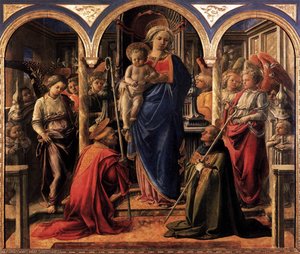
To stand before a work like this Triptych by Fra Filippo Lippi is to step directly into the luminous heart of the Early Renaissance. Dating from 1437, this piece transcends mere decoration; it is a profound meditation on faith, humanity, and divine mystery, rendered with an exquisite delicacy that speaks volumes of its creator's genius. The very structure—the three distinct yet harmoniously connected panels—invites the viewer into a narrative journey, guiding the eye from one sacred moment to the next.
Lippi, a master whose life was as complex as his art, captured the burgeoning spirit of humanism within deeply religious iconography. His ability to imbue monumental subjects with such palpable tenderness is what makes this triptych so enduringly captivating. The meticulous application of tempera paint allows for a jewel-like vibrancy in the colors, while the underlying structure speaks to an emerging mastery of perspective, giving weight and believable depth to every figure.
Composition and Sacred Narrative
The genius of the composition lies in its tripartite division, each panel serving as a self-contained yet related devotional scene. In the central focus, we encounter the Madonna and Child, a timeless tableau where Mary’s serene blue cloak speaks of purity, cradling the vibrant life symbolized by the infant Jesus robed in red. Flanking this core mystery are supporting figures—on the left, perhaps a bishop or cardinal holding scripture, grounding the scene in scholarly tradition; and on the right, another saintly figure contemplating sacred texts.
The architectural elements visible in the background, reminiscent of grand Gothic cathedrals, serve not only as setting but as symbolic anchors to the enduring Church. These scenes are richly framed by elaborate gold borders, which do more than simply adorn; they elevate the depicted moments to an almost ethereal plane of opulence and sanctity.
Technique and Material Brilliance
The choice of tempera medium is crucial to appreciating this artwork's technical brilliance. This egg-based paint allowed Lippi unparalleled control, enabling him to achieve those breathtakingly fine details—the folds in the drapery, the delicate rendering of halos, the subtle expressions on the faces.
When considering a reproduction of such a piece for your home or collection, understanding this technique is key. The luminosity achieved by tempera is unlike oil paint; it possesses a matte, jewel-toned richness that speaks to centuries of careful craftsmanship. It is a testament to the artist's hand, where every brushstroke feels deliberate and imbued with purpose.
Symbolism and Emotional Resonance
Beyond the narrative, the triptych pulses with deep symbolism. The interplay between the rich blues, the passionate reds, and the solemn greens creates a visual vocabulary of divinity, humanity, and sacrifice. It is an artwork that does not merely depict holiness; it evokes the *feeling* of reverence. For the modern collector or designer, this piece offers more than just aesthetic beauty; it offers a focal point for contemplation—a quiet corner imbued with historical weight and spiritual depth.
To bring such a masterpiece into your space is to invite a dialogue between Renaissance artistry and contemporary life. It suggests an appreciation for enduring narratives, meticulous skill, and the profound beauty found at the intersection of art and faith.
Otázky a odpovědi
Mohu si "Triptych" prohlédnout podrobněji?
Stránka Rentgenové snímky díla „Triptych“ od Filippo Lippi nabízí interaktivní prohlížeč, který vám umožňuje procházet jedenácti optickými vrstvami obrazu, včetně pohledu ve stylu rentgenu.
Do které období tvorby Filippo Lippi patří dílo „Triptych“?
Dílo „Triptych“ pochází z období Early Renaissance v tvorbě umělce Filippo Lippi. Tato klasifikace dílo zasazuje do kontextu vývoje jeho tvůrčí dráhy.
Hangi tónem se "Triptych" sklání?
Dominantní odstín díla „Triptych“ od Filippo Lippi je Golden Yellow Range. Tento odstín tvoří základní tón celé palety.
Biografie umělce
Filippo di Tommaso Lippi: Život a dílo renesančního mistra
Filippo di Tommaso Lippi, známý také jako Fra Filippo Lippi, byl postava fascinujícího kontrastu – umělec s geniálním talentem a život s mnoha kontroverzními zvraty. Narodil se ve Florencii v roce 1406 z rodiny obchodníka a jeho matka zemřela krátce po jeho narození. Jeho otec, Tommaso di Lippo, zemřel, když byl Filippo jen dva roky starý, a tak ho vychovávala jeho teta Mona Lapaccia. Tato osudová událost ho v raném věku vedla do kláštera Karmelu v Římě, kde strávil většinu svého života a kde se také rozvinul jeho umělecký talent. V tomto klášteře, obklopený duchovností a zároveň vystavený požadavkům na řádné životní postupy, se Lippi naučil malovat a začal formovat svůj jedinečný styl.Od řeckých slibů k umělecké inovacii
Vstup do kláštera v roce 1420 nebyl jen pouhým rozhodnutím, ale zdálo se, že v něm probudil v Lippiho silnou uměleckou touhu. Složil řeholní sliby ve svých šestnácti letech a byl vysvěcen na kněze kolem roku 1425. Během této doby, až do roku 1432, působil v klášteře a zároveň se věnoval malování. Historik Giorgio Vasari popisuje, jak Lippi byl hluboce zaoceňoval fresky Masaccia v kapli Brancacci, což se ukázalo jako zásadní moment ve vývoji jeho uměleckého smyslu. Vliv Masaccia je patrný v raných dílech Lippiho, například v *Madoně Tarquinie*, kde se objevuje nová realističnost. Nicméně Lippi nebyl jen pouhým kopií; rychle vyvinul svůj vlastní charakteristický styl, vyznačující se lyrickou grácií, jemnou barvou a subtilní emocionální hloubkou, která ho odlišovala od svých současníků. Začal vnášet do náboženských scén intimitu a lidskou spojitost, vzdal se rigidní formálnosti dřívějšího zbožného umění.Mistr kompozice a kontroverze
Lippiho umělecká kariéra rozkvetla ve Florencii, kde získával zakázky od významných rodin, jako byla Medici. Díla jako *Annunciace a sedm svatých* demonstrují jeho schopnost vytvářet složité kompozice plné symbolického obsahu a elegantního detailu. *Koronace Panny Marie*, dokončená v roce 1441 pro sestry v Sant'Ambrogio, je zvláště pozoruhodná; obsahuje polozavřenou postavu, která se často považuje za autorův portrét – odvážné prohlášení o umělecké identitě v náboženském kontextu. Jeho život však nebyl vždy klidný. Často byl zapleten do finančních potíží, právních sporů a obvinění z podvádění. Nejvýraznější epizoda zahrnovala jeho unášením Lucrezie Buti, řeckého mnicha z Prato, s kterou se nakonec oženil po letech kontroverzí a skandálů. Tento čin, i když šokující pro svou dobu, odráží Lippiho rebelský duch a ochotu vzdát se společenských norem ve prospěch osobního štěstí.Vliv a dědictví
Přestože byl jeho život plný turbulencí, Filippo Lippi zanechal nesmazatelné stopy v umění renesance. Byl vyhledávaným malířem a jeho dílna se stala útočištěm pro budoucí mistry. Mezi jeho nejvýznamnější žáky patřili Sandro Botticelli a Francesco di Pesellino, oba z nich se později stali významnými tvůrci. Vliv Lippiho lze nalézt v lyrické kráse a emocionální expresivitě, které charakterizují mnoho florentinských obrazů v pozdní Čtvrťové době. Spojil ranou renesanční naturalismus Masaccia s elegantnějším estetickým smyslem Vysoko-renesančního období, čímž otevřel cestu nové generaci umělců k prozkoumávání možností lidské formy a emoce. Jeho schopnost kombinovat náboženskou zbožnost s světským realismem, spojená s inovativními kompozicemi a nádhernou technikou, upevnil jeho místo mezi nejvýznamnějšími a nejzajímavějšími postavami italské renesance. Zemřel v Spoleto v roce 1469 a zanechal po sobě dědictví, které dodnes inspiruje úžas a obdiv. Jeho umění je svědectvím o síle lidské kreativity a trvalé přitažlivosti krásy. ## Klíčové díla Filippo Lippiho * **Madona Tarquinie (1437):** Tato obrazová studie ukazuje nově objevenou realističnost v uměními Lippiho, s jemnými barvami a detailním zpracováním. * **Annunciace a sedm svatých (1440s):** Komplexní kompozice zobrazující náboženské scény s bohatými symboly a elegantními detaily. * **Koronace Panny Marie (1441):** Zvláštní dílo, které obsahuje polozavřenou postavu, která se často považuje za autorův portrét. * **Pietá (okolo 1450):** Zobrazení smutné scény s Marií a Ježíšem po smrti.
Filippo Lippi
1406 - 1469 , Itálie
Rychlé informace o umělci
- Artistic Movement Or Style: Raná renesance
- Artists Or Movements Influenced By This Artist: ['Botticelli']
- Artists Who Influenced This Artist: ['Masaccio']
- Date Of Birth: 1406
- Date Of Death: 1469
- Full Name: Filippo di Tommaso Lippi
- Nationality: Italanský
- Notable Artworks:
- Tarquinia Madonna
- Annunciace
- Korunovace
- Place Of Birth: Florence, Itálie
Související články

Divine Love: A Curated Guide to the Most Iconic Madonna and Child Masterpieces in Art History
Embark on a sophisticated journey through art history with our curated guide to the most iconic Madonna and Child masterpieces. Discover the profound beauty, theological depth, and enduring legacy of these sacred Renaissance treasures.

Filippino Lippi: Renaissance Innovation Bridging Faith & Humanism
Explore the captivating world of Filippino Lippi, a Renaissance master bridging faith & humanism through innovative art. Discover his key works, influences, and lasting legacy with TopImpressionists.

Fra Angelico: 25 mistrovských děl renesančního umění pro váš domov | TopImpressionists.cz
Objevte 25 ikonických děl Fra Angelica – renesančního mistra andělských freskek a náboženských maleb. Prozkoumejte jeho techniku, inspiraci a duchovní poselství. Luxusní reprodukce obrazů pro váš interiér na TopImpressionists.cz

Rafael: 25 mistrovských děl renesance pro váš domov | TopImpressionists.cz
Objevte 25 ikonických děl Raffaela – od Sixtinské madony po Atény školu. Ponořte se do světa renesance a obdivujte mistrovské obrazy online. Reprodukce obrazů nejvyšší kvality pro váš interiér na TopImpressionists.cz.

Filippo Lippi: Bridging Renaissance Devotion & Artistic Innovation
Explore the life & revolutionary art of Filippo Lippi, a pivotal Renaissance painter. Discover his masterpieces, influence on Botticelli, and investment potential. Expert analysis at TopImpressionists.
Prozkoumejte umělecká díla uspořádaná podle témat, stylů a charakteristik.