

 Náhled v interiéru
 Sdílet
 Sdílet
 Podrobnosti o díle
 Průvodce

 Stáhnout
 Podobné položky
 Rentgenové snímky
 Slideshow
 Statistiky
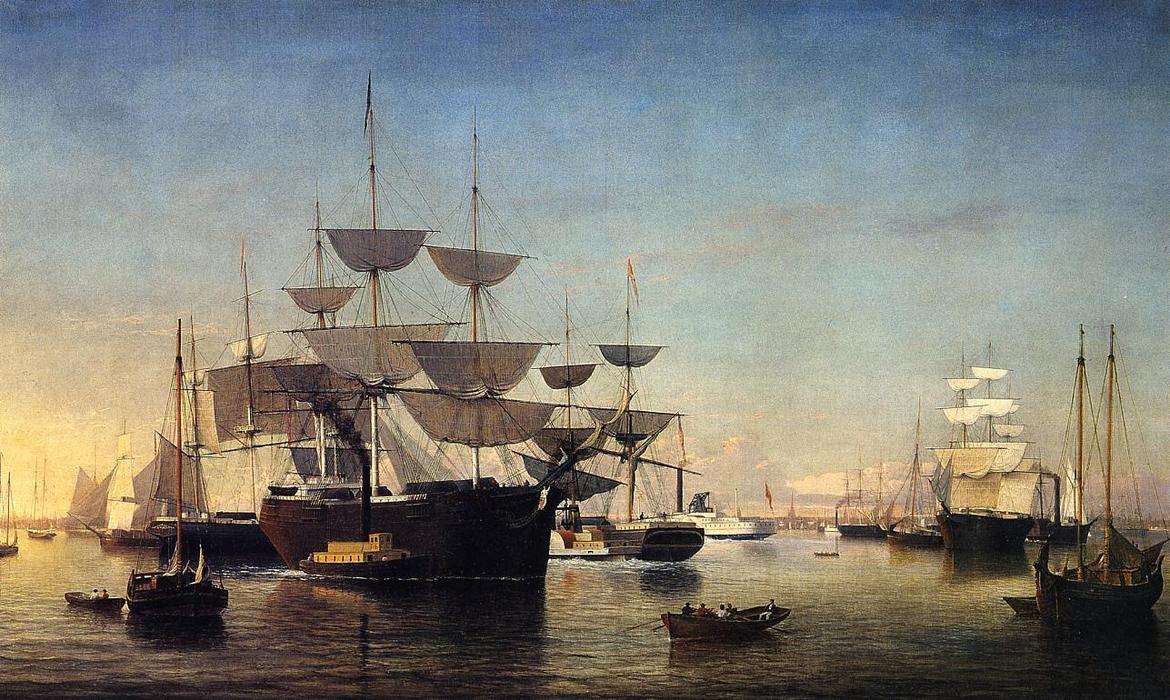
New York Harbor


Experience the bustling energy of 1860s maritime life in this luminous New York Harbor painting by Fitz Henry Lane, a masterpiece of American Luminism that invites you to bring history into your home.
 Zobrazit více
<p>Fitz Henry Lane se narodil 19. prosince 1804 v Gloucesteru, Massachusetts, a zemřel 14. srpna 1865 ve stejném městě. Jeho celé jméno bylo Nathaniel Rogers Lane (v roce 1832 si jej legálně změnil na Fitz Henry Lane). Byl významnou postavou hnutí luminismus.</p>
Giclée / Umělecký tisk
Giclée nebo plátěný tisk muzeální kvality s rychlou výrobou a širokou nabídkou povrchových úprav. ( Koupit ručně malovaný obraz Přepnout na digitální obraz)




P118B Kč10

P118H Kč10

P118W Kč10

P438Z Kč10

P508JH Kč12

P508YH Kč12

P805H Kč10

P805Z Kč10

P919BZ Kč10

P919G Kč10

P919XJ Kč10

P959ZH Kč10

P968JZ Kč12

W106C Kč8

W218G Kč10

W218JH Kč8

W218Y Kč10

W307PJ Kč10

W316G Kč10

W316PJ Kč8

W316Y Kč10

W398PJ Kč8

W4111J Kč10

W500HY Kč15

W500JH Kč15

W692G Kč12

W849H Kč8

W940BG Kč15

W953PJ Kč8




Standardní velikost
na zakázku
CM
INCH
Vyberte si z našich přednastavených velikostí, které odpovídají původním proporcím díla.
Loading sizes...

šířka
výška
Zadejte šířku a výšku, které potřebujete pro váš rám nebo stěnu. Tisk lze pouze oříznout, nikdy však nelze zvětšit obraz nad jeho původní rozměr, proto při výběru jiného formátu dochází ke ztrátě části obrazu. Před samotným tiskem vám zašleme digitální náhled k schválení. Obraz zobrazený na této stránce nenabízí skutečný výřez — ten uvidíte pouze v náhledu.
Celosvětové doručení () do 2 týdnů namísto standardních 4/5 týdnů. (25 říjen)

Zdarma celosvětová expresní doprava

Vysoce kvalitní lněné plátno

Kompletní pojištění přepravy

Záruka vrácení celního poplatku

Záruka věrného barevného souladu

100dení lhůta pro vrácení zboží (pouze při vadách výroby)

100% záruka vrácení peněz

Sleva při více objednávkách
 Skleněná varianta je dostupná pouze u rozměrů menších než 110 cm

New York Harbor
Giclée / Umělecký tisk
Rozměry reprodukce
-


Celková cena za vybrané možnosti reprodukcí
Kč 1475
A Window into the Golden Age of Maritime New York
In the mid-19th century, the heartbeat of American commerce and ambition could be found pulsing through the waters of New York Harbor. Fitz Henry Lane, a master of the Luminism movement, captures this vibrant era in his 1860 masterpiece, New York Harbor. This painting is far more than a mere maritime record; it is an evocative window into a world defined by the rhythmic creak of wooden hulls and the bustling energy of a growing nation. As the eye wanders across the canvas, one is immediately struck by the meticulous arrangement of sailing ships docked at the pier, their masts reaching toward the sky like silent sentinels of trade. The water, rendered with a clarity that suggests both depth and stillness, cradles various vessels that drift lazily through the harbor, creating a sense of profound movement within a moment of suspended time.
The scene is alive with the human element, providing a soulful layer to the industrial landscape. Scattered throughout the composition are figures engaged in the daily choreography of port life—dockworkers, travelers, and onlookers—each contributing to the palpable atmosphere of industriousness. Even a solitary horse, visible in the background, serves as a poignant reminder of the era's reliance on animal labor, grounding the grand maritime spectacle in the gritty, tactile reality of 1860s New York. For the collector or interior designer, this piece offers a narrative depth that transcends simple decoration; it invites the viewer to step into a historical tapestry where every figure and vessel tells a story of connection, commerce, and the dawn of an American empire.
The Luminous Technique of a Master
Fitz Henry Lane was a virtuoso of light, and in New York Harbor, his mastery of the Luminist style is on full display. Unlike the dramatic, turbulent shadows of the Romantic era, Lane’s technique focuses on the subtle, atmospheric effects of light as it interacts with the sea and sky. Through incredibly smooth brushwork and a refined palette, he achieves a sense of "hidden" texture, where the transitions between water, air, and wood appear seamless and ethereal. This approach creates a luminous quality that seems to radiate from within the canvas itself, capturing the way sunlight glints off the ripples of the Atlantic and softens the distant silhouettes of ships.
The emotional impact of this technique is nothing short of hypnotic. There is a serene, almost meditative quality to the light that balances the inherent chaos of a busy harbor. For those seeking to infuse a space with a sense of calm, prestige, and historical weight, a high-quality reproduction of this work provides an unparalleled focal point. The painting does not merely occupy a wall; it transforms a room, offering a contemplative escape into a period of profound optimism and maritime grandeur. It is an ideal acquisition for those who appreciate art that marries technical precision with an enduring, atmospheric beauty.
Otázky a odpovědi
Mohu si "New York Harbor" prohlédnout podrobněji?
Stránka Rentgenové snímky díla „New York Harbor“ od Fitz Henry Lane nabízí interaktivní prohlížeč, který vám umožňuje procházet jedenácti optickými vrstvami obrazu, včetně pohledu ve stylu rentgenu.
Která barva v díle "New York Harbor" nejvíce vyniká?
Barvou, která v díle „New York Harbor“ nejvíce vyniká, je Rosy Brown (#b4b09b). Dominantní barva je užitečná při sladění uměleckého díla s interiérem.
Kde se doporučuje vystavit dílo „New York Harbor“ ve formátu Panoramic?
Formát Panoramic díla „New York Harbor“ od Fitz Henry Lane doporučujeme pro Living Room. Formát i prostor společně určují ideální umístění reprodukce.
Biografie umělce
Fitz Henry Lane: Mistr Luminismu a Záznamy Světla na Nové Anglii
Narodil se v Gloucester, Massachusetts, roku 1804 jako Nathaniel Rogers Lane, jméno, které později změnil na Fitz Henry Lane. Jeho život byl neodmyslitelně spjat s mořskou komunitou tohoto města a jeho dětství prožité mezi loděmi a námořníky zanechalo hluboký otisk v jeho umění. Jonathan Dennison Lane, jeho otec, byl krejčí plachet, což mladého Fitz Henryho obklopilo světem plachetnictví již od útlého věku. Osud ho však potkal ranou – po nemoci se mu ztížila chůze a musel používat hůl nebo berle. Tato omezená mobilita možná paradoxně podpořila jeho umělecký talent, když hledal alternativní způsoby vyjádření a zábavy. Po krátkém stážování v učení na obuvníka se Fitz Henry Lane plně věnoval malířství, projevujíc brzy nadání, které mělo definovat jeho kariéru. Změna jména z Nathaniel Rogers Lane na Fitz Henry Lane roku 1832 je zahalena tajemstvím, pravděpodobně však sloužila k odlišení se od jiného umělce s podobným jménem, Nathaniella Rodgersa.Od Lithografie k Luminismu: Formování Umělecké Cesty
Klíčovým obdobím v Laneově formaci bylo jeho působení v litografické dílně Pendleton’s Lithography Shop v Bostonu (1832-1847). Tato zkušenost nebyla jen zdrojem obživy, ale především neocenitelnou uměleckou školou. Zde si Fitz Henry Lane osvojil techniky kresby, rytiny a reprodukce barev – dovednosti, které se mu později nesmírně hodily při přechodu k olejomalbě. Jeho rané práce, jako například akvarel "Burning of the Packet Ship 'Boston'", sice již projevovaly jeho rostoucí uměleckou zdatnost, ale ještě nebyly tak precizní a vyzrálé jako jeho pozdější díla. Litografická praxe ho naučila pozorovat svět s detailností a přesností, které se staly charakteristickým rysem jeho stylu.Světlo na Vlny: Laneův Luministický Styl
Fitz Henry Lane je dnes uznáván jako jeden z hlavních představitelů luminismu – uměleckého směru, který se zaměřuje na zachycení atmosférických efektů a především světla odrážejícího se ve vodě. Jeho obrazy jsou proslulé svou čistotou, precizností a klidným zobrazením pobřežních scenérií. Lane mistrně využíval perspektivu, aby vytvořil dojem hloubky a vzdálenosti, a s neobyčejnou pečlivostí zachycoval detaily lodí, budov a krajiny. Jeho schopnost zaznamenat jemné nuance světla a jeho odraz na vodní hladině je prostě pozoruhodná. Mezi jeho nejvýznamnější díla patří "Entrance to Somes Sound from Southwest Harbor", které ztělesňuje klidnou atmosféru pobřežních krajin, "The Fort and Ten Pound Island, Gloucester, Massachusetts" s detailním vyobrazením místních památek a “Lumber Schooners at Evening on Penobscot Bay”, kde se projevuje jeho dovednost v zachycování dramatického osvětlení. Dalšími významnými díly jsou "Camden Mountains from the South Entrance to the Harbor", “Merchant Brig under Reefed Topsails”, “Light House at Camden, Maine” a “The Westen Shore with Norman's Woe”.Dědictví a Historický Význam
Během svého života si Fitz Henry Lane získal určitou míru uznání, ale jeho pověst se výrazně posílila až ve 20. a 21. století. Dnes je považován za jednoho z nejdůležitějších amerických luministických malířů, oslavovaného pro svou jedinečnou schopnost zachytit krásu a klid pobřežních krajin Nové Anglie. Jeho obrazy představují cenný historický dokument o námořním životě ve 19. století v Gloucesteri a dalších pobřežních komunitách. Precizní pozornost k detailům a mistrovské využití světla i nadále inspiruje umělce a okouzluje diváky, čímž si Fitz Henry Lane upevňuje své místo jako významná postava v americké dějině umění.
Fitz Henry Lane
1804 - 1865 , Spojené státy americké
Rychlé informace o umělci
- Celé Jméno: Nathaniel Rogers Lane (Fitz Henry Lane)
- Datum Narození: 19. prosince 1804
- Datum Úmrtí: 14. srpna 1865
- Místo Narození: Gloucester, USA
- Národnost: Američan
- Umělecký Směr: Luminismus
- Významná Díla:
- Entrance to Somes Sound
- The Fort and Ten Pound Island
- Lumber Schooners at Evening
- Camden Mountains from the South
- Merchant Brig under Reefed Topsails
- Light House at Camden, Maine
- The Westen Shore with Norman's Woe
Související články

Doprava a vrácení
APS zajišťuje odbornou celosvětovou přepravu umění s péčí na úrovni muzea, s plným sledováním a zárukou vrácení peněz do 30 dnů. Od celní podpory po Priority Production, důvěřujte transparentní službě, bezpečnému balení a spolehlivému doručení pro sběratele, designéry a galerie.

Robert W. Salmon: Navigating the Currents of Maritime Painting & American Realism
Explore the captivating maritime paintings of Robert W. Salmon, a pioneer of American Luminism. Discover his Boston Harbor scenes, legacy, and collecting guide at TopImpressionists.

F.A.Q.: Kalkulace nákladů na dopravu uměleckých děl – Průvodce pro sběratele
Zjistěte, jak kalkuluje náklady na dopravu uměleckých děl. Průvodce pro náročné sběratele s transparentními cenami a prémiovou službou.

The Ashcan School: Capturing the Raw Spirit and Urban Realism of New York City Life
Explore the raw, evocative beauty of the Ashcan School. Discover how masters like Bellows and Glackens captured New York's urban soul through American Realism, and learn to bring this gritty, historical elegance into your modern art collection.

F.A.Q.: Doručení zdarma po celém světě – Často kladené otázky
nabízí reprodukce obrazů a malby na zakázku s doručením zdarma po celém světě. Zabezpečená přeprava, odborné poradenství a garance kvality pro náročné zákazníky.
Prozkoumejte umělecká díla uspořádaná podle témat, stylů a charakteristik.
