


 Náhled v interiéru
 Sdílet
 Sdílet
 Podrobnosti o díle
 Průvodce

 Stáhnout
 Podobné položky
 Rentgenové snímky
 Slideshow
 Statistiky
triptych, august, 1972 a


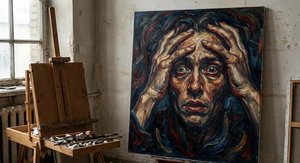
Triptych, August 1972 A - This unsettling painting depicts a man slumped on a chair with his head bowed, capturing Bacon's signature exploration of psychological torment and visceral emotion. Influenced by Surrealism and Expressionism, it showcases a haunting gaze and a desolate interior.
 Zobrazit více
Vize duše: Tři studie k portrétu od Francise Baceona (1974). Zlověstná, fragmentovaná tvář plná emocionální intenzity a existenciálního strachu. #Bacon #Umění
Umělecké dílo zobrazené na této stránce je chráněno autorským zákonem, což znamená, že nemůžeme legálně vytvářet ani prodávat jeho identickou reprodukci. Tato ochrana je vymáhána na základě mezinárodních dohod, jako například Berberská úmluva a národními zákony, včetně těch stanovených v Americký autorský zákon – Díl 17. Všechna práva vyhrazena.
Tato metoda je plně v souladu s autorským právem, protože nezahrnuje kopírování ani duplikování chráněného díla. Jde o kreativní reinterpretaci – nový obraz, který je inspirován originálem, ale není s ním identický.
Giclée / Umělecký tisk
Giclée nebo plátěný tisk muzeální kvality s rychlou výrobou a širokou nabídkou povrchových úprav. ( Koupit ručně malovaný obraz Přepnout na digitální obraz)




P118B Kč10

P118H Kč10

P118W Kč10

P438Z Kč10

P508JH Kč12

P508YH Kč12

P805H Kč10

P805Z Kč10

P919BZ Kč10

P919G Kč10

P919XJ Kč10

P959ZH Kč10

P968JZ Kč12

W106C Kč8

W218G Kč10

W218JH Kč8

W218Y Kč10

W307PJ Kč10

W316G Kč10

W316PJ Kč8

W316Y Kč10

W398PJ Kč8

W4111J Kč10

W500HY Kč15

W500JH Kč15

W692G Kč12

W849H Kč8

W940BG Kč15

W953PJ Kč8




Standardní velikost
na zakázku
CM
INCH
Vyberte si z našich přednastavených velikostí, které odpovídají původním proporcím díla.
Loading sizes...

šířka
výška
Zadejte šířku a výšku, které potřebujete pro váš rám nebo stěnu. Tisk lze pouze oříznout, nikdy však nelze zvětšit obraz nad jeho původní rozměr, proto při výběru jiného formátu dochází ke ztrátě části obrazu. Před samotným tiskem vám zašleme digitální náhled k schválení. Obraz zobrazený na této stránce nenabízí skutečný výřez — ten uvidíte pouze v náhledu.
Celosvětové doručení () do 2 týdnů namísto standardních 4/5 týdnů. (25 říjen)

Zdarma celosvětová expresní doprava

Vysoce kvalitní lněné plátno

Kompletní pojištění přepravy

Záruka vrácení celního poplatku

Záruka věrného barevného souladu

100dení lhůta pro vrácení zboží (pouze při vadách výroby)

100% záruka vrácení peněz

Sleva při více objednávkách
 Skleněná varianta je dostupná pouze u rozměrů menších než 110 cm

triptych, august, 1972 a
Giclée / Umělecký tisk
Rozměry reprodukce
-


Celková cena za vybrané možnosti reprodukcí
Kč 1475
A Visceral Encounter with the Human Condition
In the hauntingly profound Triptych, August 1972 A, Francis Bacon invites the viewer into a space where the boundaries between the physical body and psychological torment dissolve. This masterpiece serves as a visceral confrontation with fear, vulnerability, and the inescapable awareness of mortality. Rather than offering the comfort of traditional portraiture, which seeks to capture a stable likeness, Bacon presents a fragmented reality. The central figure, seated in a state of profound isolation, appears caught in a moment of existential crisis, his posture slumped and his expression obscured by a sense of deep-seated dread. It is an artwork that does not merely ask to be seen, but demands to be felt, pulling the observer into a silent dialogue with the shadows of the human psyche.
The technique employed in this triptych is nothing short of masterful, characterized by a deliberate abrasiveness that mirrors the artist's internal struggles. Bacon utilizes a heavy, gestural application of oil paint, where thick impasto meets frantic scraping and manipulation with palette knives. This creates a rugged, fleshy surface texture that evokes the very sensation of decaying skin or wounded muscle. The color palette is intentionally somber, dominated by earthy ochres, bruised crimsons, and ghostly greys. These muted tones are not merely aesthetic choices; they act as conduits for an atmosphere of unease, ensuring that every brushstroke contributes to the pervasive sense of isolation and the weight of time passing.
The Echoes of History and Symbolism
To understand the profound emotional impact of this work, one must look toward the historical shadows that loomed over Bacon’s life. The pervasive atmosphere of dread within the triptych is inextricably linked to the collective trauma of the mid-2tem century, particularly the devastation witnessed during the London Blitz and the broader horrors of World War II. The distorted, fragmented figures are symbolic of a world shattered by conflict, reflecting a generation grappling with unprecedented uncertainty. In this work, the human form becomes a canvas for the scars of history, where the physical distortion of the subject serves as a metaphor for the psychological fragmentation caused by war and loss.
For the discerning collector or interior designer, Triptych, August 1972 A offers more than just a striking visual; it provides a profound intellectual and emotional anchor for a space. As a high-quality reproduction, this piece brings a sophisticated, avant-garde energy to any curated collection. It is an ideal selection for those who appreciate art that challenges the status quo and explores the deeper, often darker, layers of existence. Whether placed in a contemplative study or as a bold centerpiece in a modern gallery setting, this work continues to provoke thought, serving as a timeless testament to the power of expressionistic truth and the enduring complexity of the human spirit.
Otázky a odpovědi
Lze obraz díla „triptych, august, 1972 a“ od Francis Bacon volně reprodukovat?
Stav autorských práv pro dílo „triptych, august, 1972 a“ od Francis Bacon: toto dílo spadá do stále chráněno autorským právem. To určuje, zda lze volně vytvářet reprodukce tohoto obrazu.
Jaká barevná paleta je u díla "triptych, august, 1972 a" použita?
Barvy díla „triptych, august, 1972 a“ tvoří Earthy paletu. Tato klasifikace popisuje dominantní barevné skupiny.
Jakou převládající barvu má dílo „triptych, august, 1972 a“ od Francis Bacon?
Dominantní barvou díla „triptych, august, 1972 a“ od Francis Bacon je Walnut (#684934).
Biografie umělce
Život ponořený do hlubin lidské existence
Francis Bacon, jméno neodmyslitelně spojené s nejhlubší emocionalitou umění 20. století, se narodil v Dublinu v Irsku roku 1909. Jeho skutečný tvůrčí duch však našel své vyjádření v bouřlivém prostředí poválečné Británie. Dětství nebylo snadné; časté stěhování kvůli zdravotnímu stavu matky v něm vzbudilo pocit odcizení, který hluboce ovlivnil jeho pohled na svět a nakonec pronikl do jeho pláten. Složitý vztah k přísnému otci a silné pouto s chůvou Jessií Lightfootovovou dále formovaly emocionální krajinu jeho dospívání. Zpočátku ho lákaly dostihy koní a život hazardu, Bacon se ztratil v různých zaměstnáních, než se nakonec na konci dvacátých let věnoval malbě – opožděný start, který možná zesílil naléhavost a intenzitu jeho pozdější tvorby. Nebyl formálně vzdělaný, místo toho si razil vlastní cestu, absorboval vlivy z různých zdrojů a rozvíjel jedinečně znepokojivý vizuální jazyk.Zlomové okamžiky raných inspirací
Baconovo umělecké probuzení nebylo okamžité, ale spíše postupná akumulace dojmů. Díla Pabla Picassa, zejména zkreslené figury jeho raného kubistického období, se ukázala jako zásadní v osvobození ho od tradiční reprezentace. Inspiraci nacházel také v pronikavé fotografii Egona Schieleho, jejíž expresivní deformace lidské podoby rezonovaly s Baconovou rostoucí fascinací křehkostí a zranitelností existence. Klíčovým katalyzátorem se však stalo náhodné setkání s filmem Sergeje Ejzenštejna *Potomkinova křižník*. Filmova silná vizuální stránka, zejména detail obličeje v agonii, se stala trvalým motivem Baconovy tvorby, symbolizujícím prvotní teror a hloubky lidského utrpení. Hluboce obdivoval i staré mistry, zejména Diega Velázqueze, jehož *Portrét papeže Innocentia X.* opakovaně reinterpretoval během své kariéry a proměnil autoritativní portrét pápeže v mučednickou postavu. Tyto vlivy nebyly pouhými stylistickými apropriacemi; byly absorbovány a transformovány Baconovou jedinečnou citlivostí, což vedlo k umělecké vizi, která byla hluboce osobní i univerzálně rezonující.Formování osobitého stylu: zkreslení a izolace
Baconův průlom přišel s *Tři studie k postavám u paty kříže* (1944), dílem, které šokovalo a uchvátilo publikum v poválečném Londýně. Tento triptych ustanovil jeho charakteristický styl – zkreslené, fragmentované figury izolované v klaustrofobických prostorech. Nebyla to zobrazení náboženského mučení, ale spíše hluboká zkoumání lidské úzkosti, zbavená jakéhokoli uklidňujícího vyprávění nebo duchovního útěchy. Jeho obrazy často obsahují rozmazané nebo rozpouštějící se tvary, které vyjadřují pocit psychické turbulence a fyzické zranitelnosti. Často používal geometrické struktury – klece, boxy – k uvěznění svých postav, zdůrazňoval jejich izolaci a bezmocnost. Baconova paleta byla obvykle tlumená a ponurá, odrážející temata, která zkoumal, i když protkána záblesky intenzivní barvy, které zvýšily emocionální dopad. Použití těchto klecí nebylo pouhým kompozičním zařízením; symbolizovalo inherentní omezení a překážky kladené na lidskou existenci. Snažil se zachytit nejen *jak* věci vypadají, ale *jak se cítí*, přenášel vnitřní stavy úzkosti, strachu a zoufalství na plátno s brutální upřímností.Témata smrtelnosti, úzkosti a lidské existence
Během své plodné kariéry se Bacon opakovaně vracel k určitým motivům: kříž jako symbol utrpení; portréty, které pronikaly do psychické intenzity jeho subjektů, často přátel a milenců, jako byl George Dyer; a autoportréty, které sloužily jako introspektivní zkoumání identity a smrtelnosti. Jeho série *Studie po Velázquezově portrétu papeže Innocentia X.* (1953) je možná jedním z jeho nejikoničtějších úspěchů, proměňuje důstojný portrét Velázqueze v křičící přízrak, ztělesňující existenciální hrůzu. Portréty George Dyera, jeho bouřlivého milence, jsou zvláště dojemné, zachycují intenzitu jejich spojení i nadcházející stín tragédie. Baconova práce nebyla o zobrazování konkrétních jedinců; šlo o zkoumání univerzálních témat lidské zranitelnosti, izolace a nevyhnutelnosti smrti. Nevyhýbal se temným stránkám existence, ale čelil jim přímo, nutí diváky konfrontovat vlastní smrtelnost a úzkost.Trvalý odkaz: výzva konvencím
Vliv Francise Bacona na umění 20. století je nepopiratelný. Zpochybnil tradiční představy o reprezentaci, odmítl idealizovanou krásu ve prospěch syrového a nelítostného zobrazení lidské existence. Jeho dílo hluboce ovlivnilo generace umělců a připravilo cestu pro nové formy vyjádření a výzvu konvenčním uměleckým hranicím.- Poválečný expresionismus: Bacon je považován za klíčovou postavu tohoto hnutí, ovlivňující umělce svým odvážným stylem a psychickou hloubkou.
- Aukční rekordy & Muzejní výstavy: Jeho obrazy stále dosahují vysokých cen na aukcích a jsou vystavovány v významných muzeích po celém světě, což upevňuje jeho postavení v dějinách umění.
- Konfrontace pravdy: Baconův odkaz spočívá v jeho schopnosti konfrontovat nepohodlné pravdy o lidské existenci a přenést tyto zážitky do silných a nezapomenutelných obrazů.

Francis Bacon
1909 - 1992 , Irsko
Rychlé informace o umělci
- Datum Narození: 28. října 1909
- Datum Úmrtí: 28. dubna 1992
- Místo Narození: Dublin, Irsko
- Národnost: Irsko-britská
- Ovlivnil Umělce/Směry: ['Poválečný expresionismus']
- Ovlivněno Umělci:
- Picasso
- Egon Schiele
- Plné Jméno: Francis Bacon
- Umělecký Směr: Expreseionismus
- Významná Díla:
- Tři studie...
- Pope série
- Portrét G. Dyer
Související články

Lucian Freud: A Psychological Portraiture of Post-War Existence
Explore the profound psychological depth of Lucian Freud's portraits. Discover his unique realism, artistic evolution, and lasting influence on modern art. A collector’s guide to a master.

Surrealist Expressionism: A Definitive Guide to the Intersection of Dream Logic and Raw Emotion
Explore the profound history of Surrealist Expressionism. Discover how artists blended dream logic with raw emotion to navigate post-war trauma through masterful, evocative imagery and psychological depth.

Unveiling Inner Worlds: Exploring Psychological Depth in 20th & 21st Century Art
Explore the profound psychological themes within 20th & 21st-century art. Discover Expressionism, Surrealism & more – and learn how to collect impactful pieces with confidence. Expert insights for discerning collectors.
Figurative Expressionism: Emotional Intensity & Subjective Reality in 20th-Century Art
Explore the powerful world of Figurative Expressionism with TopImpressionists. Discover key artists like Kirchner & Beckmann, understand its emotional depth, and learn how to collect this influential 20th-century art movement.

Francis Bacon: Top 25 děl mistra expresionismu pro váš interiér | TopImpressionists.com
Prozkoumejte top 25 děl Francis Bacona – mistra expresionismu. Objevíte jeho portréty, triptychy a emotivní malbu plnou temných barev. Reprodukce obrazů pro luxusní dekoraci interiéru na TopImpressionists.com. Prohlédněte si celou kolekci online!
Prozkoumejte umělecká díla uspořádaná podle témat, stylů a charakteristik.


