


 Zobrazit v interiéru
 Odeslat
 Sdílet
 Podrobnosti
 Průvodce

 Stáhnout obrázek
 Podobné kousky
 Rentgenové snímky
 Slideshow
 Statistiky
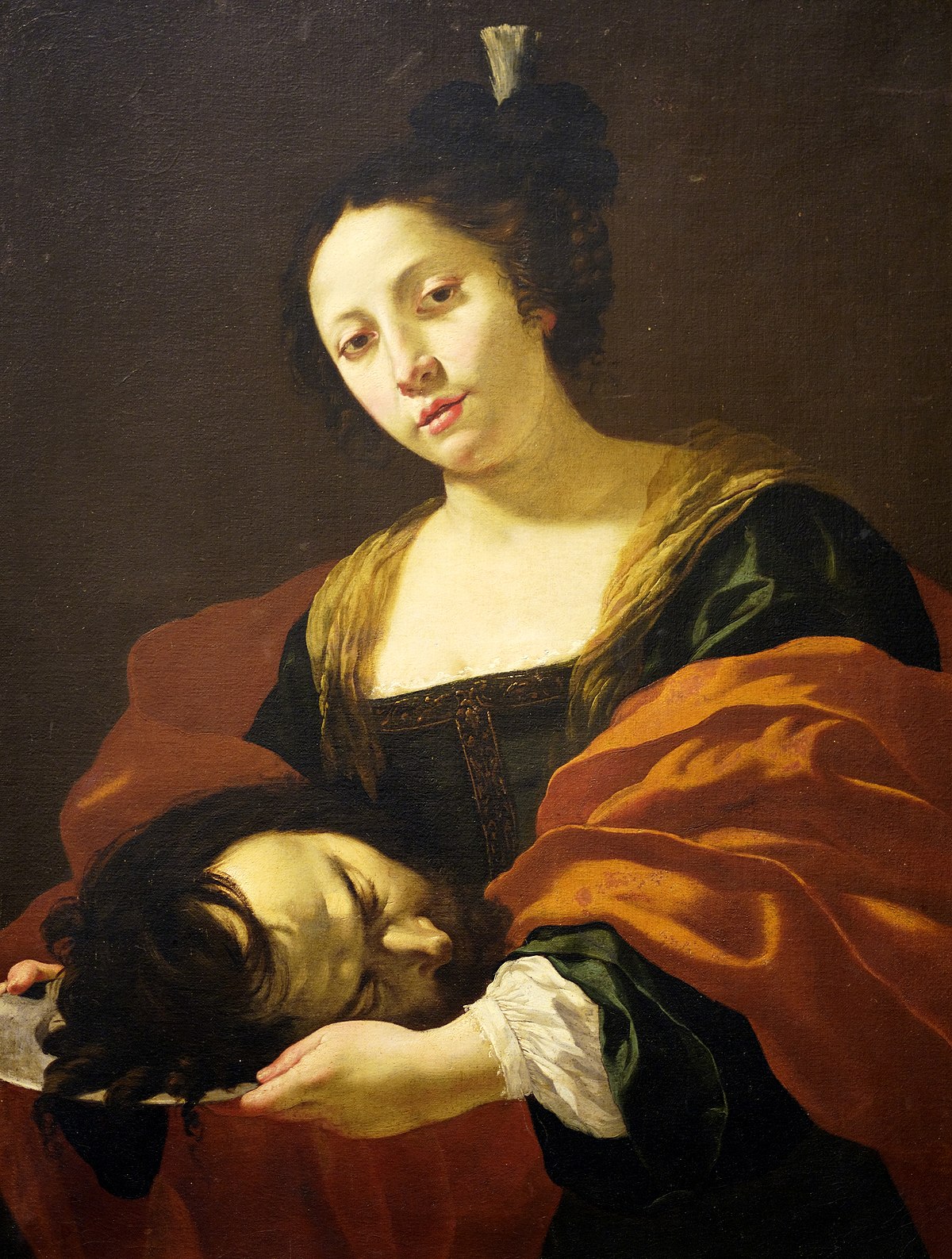
Salome
 Acrylic On Canvas
- WallArt
- German Symbolism
 1906
1906 92.0 x 114.0 cm
 Lenbachhaus
Franz Ritter von Stuck's "Salome" (1906) depicts a captivating dance of desire and tragedy, blending Symbolism with biblical drama. Explore the haunting beauty & dark narrative of this iconic masterpiece.
 Přečíst si více
Franz Ritter von Stuck byl německý symbolistický malíř a sochař známý svými dramatickými mytologickými obrazy, silnými sochami a klíčovou rolí v Mnichovské sekci. Jeho dílo kombinuje klasickou preciznost s tajemným a vášnivým světem.
Zakupte si digitální obraz ve vysokém rozlišení a vylepšeném provedení, který nabízí mnohem vyšší kvalitu než online náhled.
Každý soubor je pečlivě připraven našimi specialisty s využitím pokročilých nástrojů a odborné manuální retuše. Zajišťujeme, aby každý obraz disponoval výjimečnou ostrostí, přesnou barevnou věrností a jemnými detaily.
Finální soubor vám bude do 72 hodin zaslán e-mailem, optimalizovaný pro okamžité použití v profesionálním, redakčním i tiskovém prostředí. Nabízíme stejnou kvalitu, které důvěřují špičková designová studia, nakladatelství i galerie.
Digitální obrazy
Stáhněte si soubor ve vysokém rozlišení pro osobní prohlížení, tisk a kreativní projekty. ( Přepnout na tiskové verze Objednat ručně malovanou reprodukci)
Součást každé objednávky digitálního obrazu
Exponenciální digitální doručení, zaručené
Když si vyberete TopImpressionists.com, nezískáváte pouze obrázek – získáváte digitální umělecké dílo s profesionálně vylepšenými detaily, zpracované s precizností a podpořené zárukou za spokojenost. Zde je vše, co vaše objednávka automaticky obsahuje:

Bleskové doručení e-mailem
Váš digitální obraz ve vysokém rozlišení vám bude zaslán e-mailem do 72 hodin od objednávky – připraven k okamžitému použití.

Digitální soubor s podporou AI
Vaše umělecké dílo je profesionálně optimalizováno pomocí pokročilých nástrojů umělé inteligence a manuální úpravy, což zajišťuje maximální úroveň detailu, ostrosti a přesnosti barev.

Doživotní bezplatné znovuodeslání
Soubor jste omylem smazali nebo ztratili? Žádný problém – kdykoliv vám ho znovu zašleme zcela zdarma.

Bez poplatků za dovoz – navždy
Užijte si své umělecké dílo okamžitě bez celních poplatků, daní nebo nákladů na dopravu – digitální stažení je vždy bez daňových povinností.

Záruka přesnosti barev
Díky profesionálním nástrojům a správě barev zajišťujeme, aby váš digitální obraz odrážel původní barvy co nejvěrněji.

100dená záruka spokojenosti
Pokud nebudete s digitálním obrázkem spokojeni, provedeme jeho revizi nebo vám vrátíme 100% platby do 100 dnů – bez jakýchkoliv dotazů.

100% záruka vrácení peněz
Nespokojeni? Získejte plnou náhradu peněz do 100 dnů od obdržení digitálního souboru – bez zbytečných dotazů.

Slevy při hromadných objednávkách
Při koupi 3 obrazů ušetříte 10% – Při koupi 5 obrazů ušetříte 15% – Při koupi 10+ obrazů ušetříte 20%. Ideální pro kreativní projekty, galerie a agentury.
The Enigmatic Dance: Unveiling Franz Ritter von Stuck’s “Salome”
Franz Ritter von Stuck's 1906 painting, "Salome," is not merely a depiction of a biblical episode; it’s a profoundly unsettling and intensely symbolic exploration of desire, power, and the dark undercurrents of human nature. Emerging from the fertile ground of German Symbolism, Stuck masterfully blends classical precision with the dreamlike logic of the subconscious, creating an image that continues to captivate and disturb over a century later. The painting’s immediate impact lies in its dramatic composition – a carefully orchestrated tableau of figures poised on the precipice of violence and obsession. The scene unfolds within a shadowy, almost claustrophobic space, dominated by a towering, ornate architecture suggesting both opulence and impending doom. This isn't a straightforward narrative; it’s an atmosphere saturated with tension, inviting viewers to contemplate the motivations and fates of those involved.
A Symphony of Contrasts: Style, Technique, and Materiality
Stuck’s artistic style is immediately recognizable as a potent blend of Symbolism and Art Nouveau influences. The painting showcases his signature use of rich, jewel-toned colors – deep reds, emerald greens, and shimmering golds – applied with meticulous detail to create an opulent yet unsettling effect. His brushwork is deliberately expressive, employing visible strokes that contribute to the overall sense of drama and movement. Notice particularly the way he renders the textures: the velvet drapery, the polished surfaces of the architecture, and even the glistening skin of Salome herself – all are rendered with a tactile quality that draws the viewer into the scene. The painting was executed in oil on canvas, a medium that allowed Stuck to achieve both luminous color saturation and remarkable textural detail. The use of chiaroscuro—the dramatic contrast between light and shadow—further intensifies the emotional impact, highlighting key figures and obscuring others in an atmosphere of mystery and foreboding.
The Narrative Unfolds: Biblical Context and Symbolism
At its core, “Salome” depicts a pivotal moment from the New Testament – the fulfillment of Herodias’s vengeful plot against John the Baptist. However, Stuck doesn't offer a simple retelling of the story; instead, he delves into the psychological complexities of the characters and imbues the scene with layers of symbolic meaning. Salome herself is not portrayed as a seductive temptress but rather as a figure caught in a web of manipulation and driven by a primal desire for power. The presence of the dark servant, clutching John’s severed head on a platter, introduces an element of grotesque horror – a stark reminder of the brutal consequences of unchecked ambition. The architecture—a blend of Romanesque and Byzantine styles—suggests both grandeur and decay, mirroring the moral corruption at the heart of the narrative. The star-studded night sky serves as a backdrop to this drama, hinting at a realm beyond earthly concerns and perhaps suggesting a connection between life and death.
A “Prince of Art”: Stuck’s Legacy and Artistic Significance
Franz Ritter von Stuck was more than just an artist; he was a cultural phenomenon. Nicknamed the "Prince of Art" during his lifetime, he bridged the gap between academic tradition and the burgeoning currents of modernism. His work explored themes of sin, beauty, and the subconscious with a boldness and emotional intensity that resonated deeply with audiences at the turn of the 20th century. Villa Stuck, his own architectural masterpiece in Munich, stands as a testament to his artistic vision—a lavishly decorated space filled with sculptures, paintings, and intricate details reflecting his fascination with mythology, symbolism, and the darker aspects of human experience. “Salome” is arguably one of his most enduring works, demonstrating his mastery of dramatic composition, evocative color palettes, and profound psychological insight. It remains a powerful and unsettling image that continues to provoke discussion and inspire interpretation.
Otázky a odpovědi
Z čeho je dílo "Salome" vyrobeno a v jakém je stylu?
„Salome“ je vytvořeno v technice Acrylic On Canvas v rámci směru German Symbolism.
Je „Salome“ od Franz von Stuck obrazem, kresbou nebo grafikou?
„Salome“ je dílo typu WallArt.
V jakém období a v jakém stylu vzniklo dílo „Salome“ od Franz von Stuck?
Dílo „Salome“ vzniklo v roce 1906 jako reprezentativní dílo směru German Symbolism. Datum vzniku a příslušnost k danému směru pevně ukotvují toto umělecké dílo v dějinách umění.
Biografie umělce
Franz Ritter von Stuck: The Last Prince of Munich’s Art
Franz Ritter von Stuck, a name inextricably linked to the evocative power of German Symbolism, emerged from the verdant landscapes of Bavaria in 1863, not as a forester's son destined for rural life, but as an artist with an undeniable and burning creative spirit. From his early years sketching caricatures and capturing fleeting moments of beauty, it became clear that young Franz was meant to pursue a different path – one that would ultimately lead him to become one of the most influential figures in the art world of his generation. His journey from a budding illustrator to a celebrated painter, sculptor, and architect is a testament to talent, innovation, and an unwavering commitment to artistic expression. Stuck wasn’t merely an artist; he was a cultural phenomenon, a “Prince of Art” as he became known during his lifetime, skillfully bridging the gap between the established traditions of 19th-century academic art and the burgeoning currents of modernism that were reshaping the artistic landscape.The Seeds of Symbolism: Early Influences and Artistic Beginnings
Franz’s early life in Tettenweis, a small village near Passau, provided a stark contrast to the vibrant artistic hub of Munich, where he eventually found his calling. Initially destined for a life following in his father's footsteps as a forester, young Franz quickly demonstrated an extraordinary aptitude for drawing and caricature – skills honed through countless hours spent capturing the nuances of human expression. This early talent led him to Munich in 1878, first to the School of Applied Arts and then to the prestigious Academy of Fine Arts from 1882-1884. It was during his time at the Academy that he encountered the profound influence of Arnold Böcklin’s hauntingly beautiful mythological scenes – images steeped in mystery, symbolism, and a melancholic beauty that deeply resonated with young Franz's own artistic sensibilities. Böcklin’s work served as a crucial catalyst, shaping his future artistic vision and inspiring him to explore themes of mythology, the subconscious, and the interplay between reality and dream. Furthermore, Stuck’s early exposure to the works of Pre-Raphaelites and Gustave Moreau – artists known for their rich symbolism, intricate detail, and evocative use of color – further broadened his artistic horizons and contributed to the development of his distinctive style.The Rise to Prominence: The Munich Secession and Artistic Rebellion
Stuck’s ascent to prominence was remarkably swift and dramatic. His breakthrough arrived in 1889 with *The Guardian of Paradise*, an arresting painting exhibited at the Munich Glass Palace, instantly captivating critics and securing him a gold medal. This wasn't simply a display of technical skill; it announced a new artistic voice – one that blended classical precision with mythological subject matter and an undercurrent of Symbolist mystery. Recognizing the need for greater creative freedom and a rejection of the conservative constraints imposed by established art institutions, Stuck played a pivotal role in co-founding the Munich Secession in 1892 alongside like-minded artists. This bold act of artistic rebellion marked a turning point in German art history, challenging traditional norms and paving the way for new forms of expression. The Secession’s influence extended beyond painting; it also encompassed sculpture, architecture, and design, reflecting Stuck's broader vision as an artist deeply engaged with all aspects of culture. The year 1893 saw him further cement his reputation with *The Sin*, a powerfully dramatic work that explored themes of desire, temptation, and moral ambiguity – a subject matter that would become a recurring motif in his oeuvre.A World of Desire and Myth: Recurring Themes and Artistic Style
The artistic universe of Franz von Stuck is profoundly shaped by recurring motifs and symbolic imagery. Mythology remained a constant source of inspiration, drawing from the rich narratives of Greek, Roman, and biblical traditions – stories he reimagined with a distinctly personal flair and imbued with his own unique symbolism. These weren’t mere retellings; they were explorations of the human condition filtered through the lens of ancient myths, revealing timeless truths about love, loss, beauty, and mortality. Equally prominent was his fascination with sensuality and the *femme fatale* – a recurring figure in his paintings who embodied both allure and danger. His depictions of Salome, for example, were not simply portraits of beautiful women; they delved into the psychological complexities of female power, desire, and its potential consequences. Underlying all these themes was a deep reverence for classical art, evident in his meticulous technique, anatomical accuracy, and masterful use of composition – qualities inherited from Böcklin and refined through years of study. Stuck’s style can be characterized as a potent blend of classical precision, Symbolist mysticism, and a distinctly sensual approach to the human form.Legacy and Recognition: A Teacher, a Knight, and an Enduring Influence
In 1895, Franz von Stuck took on another crucial role – that of teacher at the Munich Academy, where he mentored generations of aspiring artists. He instilled in his students not only technical skills but also a spirit of creative independence and a willingness to challenge conventional norms. Among those who benefited from his guidance were luminaries such as Paul Klee, Hans Purrmann, and Josef Albers – demonstrating the breadth of his influence on the development of modern art. His dedication to art was further recognized in 1905 when he was ennobled, becoming “Ritter von Stuck” – a testament to his growing prestige and contribution to German culture. He continued to receive accolades throughout Europe during the remainder of his life, solidifying his position as one of the leading artists of his time. Franz Ritter von Stuck died on August 30, 1928, in Munich; his funeral address fittingly described him as “the last prince of art of Munich’s great days.” His Villa Stuck in Munich remains a poignant reminder of his life and work, offering invaluable insights into his artistic vision and the cultural milieu of late 19th and early 20th-century Germany. His legacy endures not only through his paintings and sculptures but also through the countless artists he inspired, ensuring that the spirit of Franz von Stuck continues to resonate within the art world today.Major Works
- The Spring (1886): A vibrant depiction showcasing his early mastery of color and composition.
- Dissonance (1893): An unsettling portrayal embodying emotional turmoil through a woman playing the violin.
- Salome (various versions): Perhaps his most iconic work, depicting the biblical story with striking sensuality and psychological depth.
- Athlete (1892): A powerful sculpture demonstrating his skill in three-dimensional form.

Franz von Stuck
1863 - 1928 , Německo
Rychlé informace
- Artistic Movement Or Style: Symbolismus, Art Nouveau
- Artists Or Movements Influenced By This Artist:
- Klee
- Kandinský
- Artists Who Influenced This Artist:
- Böcklin
- Pre-Raphaeliti
- Date Of Birth: 23. února 1863
- Date Of Death: 30. srpna 1928
- Full Name: Franz Ritter von Stuck
- Nationality: Německý
- Notable Artworks:
- Guardian Paradise
- Salome
- Syn
- Place Of Birth: Tettenweis, Německo