


 Zobrazit v interiéru
 Odeslat
 Sdílet
 Podrobnosti
 Průvodce

 Stáhnout obrázek
 Podobné kousky
 Rentgenové snímky
 Slideshow
 Statistiky
The Minotaur
 Acrylic On Canvas
- WallArt
- Symbolist Movement
 1885
1885 94.0 x 118.0 cm
 Tate Britain
George Frederic Watts’ haunting ‘The Minotaur’ captures the myth's brutality & despair. Inspired by child prostitution, it depicts the creature’s longing, a powerful symbol of primal instincts and suffering.
 Přečíst si více
Poznejte symbolistického Georgea Fredericka Watta (1817-1904), známého obrazem 'Naděje' a freskami. Jeho dílo kombinovalo klasické motivy s estetickou krásou viktoriánské doby. Objevte jeho mistrovská výtvarná díla na TopImpressionists.
Ručně malovaná olejová reprodukce
Ručně malované olejné plátno v libovolném rozměru i s rámem, vyrobené našimi umělci na zakázku. ( Přepnout na tiskové verze Přepnout na digitální verzi obrazu)




P118B $10

P118H $10

P118W $10

P438Z $10

P508JH $12

P508YH $12

P805H $10

P805Z $10

P919BZ $10

P919G $10

P919XJ $10

P959ZH $10

P968JZ $12

W106C $8

W218G $10

W218JH $8

W218Y $10

W307PJ $10

W316G $10

W316PJ $8

W316Y $10

W398PJ $8

W4111J $10

W500HY $15

W500JH $15

W692G $12

W849H $8

W940BG $15

W953PJ $8




Standardní velikost
na zakázku
CM
INCH
Vyberte si z našich přednastavených velikostí, které odpovídají původním proporcím díla.
Loading sizes...

šířka
výška
Můžete zadat vlastní rozměry pro konkrétní rám nebo prostor. Pokud se vámi vybraná velikost neshoduje s proporcemi původního obrazu, dílo buď ořízneme, nebo jej doplníme ručně malovanými prvky. Před zahájením výroby vám bude zaslán digitální náhled ke schválení.
Upozorňujeme, že náhled na obrazovce neodpovídá skutečnému ořezu ani rozšíření. Pouze digitální náhled přesně zobrazí finální kompozici.
Ačkoliv je možné zvolit vlastní velikost, pro zachování původních proporcí doporučujeme vybrat rozměr z předdefinovaného seznamu.
Příklady možných změn: nahrazení obličeje vlastní fotografií; přidání domácího mazlíčka (např. nahrazení kočky psem); vložení skrytého vzkazu do pozadí; změna krajiny nebo prvků v pozadí.
Po přijetí objednávky vám tým TopImpressionists.com zašle e-mail s pokyny a poskytne náhledovou verzi.
Po přijetí objednávky vám tým TopImpressionists.com zašle e-mail s pokyny a poskytne náhledovou verzi.
Celosvětová doprava () za 3–4 týdny namísto standardních 5 týdnů. (25 září). Bez kompromisů v kvalitě.

Zdarma celosvětová expresní doprava

Vysoce kvalitní lněné plátno

Úplné pojištění přepravy

Záruka vrácení celního poplatku

Záruka věrného barevného shodu

100dení lhůta pro vrácení zboží (pouze při vadách výroby)

100% garance vrácení peněz

Sleva při více objednávkách
 Skleněná varianta je dostupná pouze u rozměrů menších než 110 cm

The Minotaur
Technika provedení
Velikost reprodukce
-


Celková cena
$ 269
The Haunting Echoes of Myth: George Frederic Watts’ “The Minotaur”
George Frederic Watts' "The Minotaur," painted in 1885, isn’t merely a depiction of a monstrous figure from Greek mythology; it’s a profound meditation on primal instincts, the burden of violence, and the tragic consequences of unchecked desire. This oil-on-canvas masterpiece transcends its mythological roots to become a powerfully emotive exploration of the human condition, resonating with viewers even today.
Watts, a prominent figure in the Symbolist movement, rejected the academic conventions of his time, prioritizing emotional intensity and symbolic representation over realistic portrayal. He sought to capture not just what he saw, but what he *felt*, drawing heavily on classical literature – particularly Homer’s *Iliad* – as well as contemporary social anxieties. “The Minotaur” emerged during a period of intense moral debate surrounding the exploitation of women and children, fueled by investigative journalism exposing the horrors of prostitution in Victorian London. This context is crucial to understanding the painting's unsettling power.
A Study in Contrasts: Form and Emotion
The composition immediately commands attention. The Minotaur dominates the foreground, his massive form rendered with a deliberate roughness – not polished or idealized, but imbued with a palpable sense of brute strength and suppressed rage. His head, a grotesque fusion of human and bull, is turned away from the viewer, creating an unsettling sense of detachment and isolation. The artist masterfully employs *profil perdu*, a technique where only part of the figure’s face is visible, intensifying the creature's enigmatic nature.
Notice the stark contrast between the Minotaur’s powerful physicality and the delicate detail lavished upon the small bird crushed beneath his fist. This seemingly insignificant element serves as a potent symbol – representing innocence, vulnerability, and ultimately, destruction. The bird, likely intended to evoke the image of a young maiden, is brutally silenced by the Minotaur's overwhelming force, highlighting the devastating consequences of unchecked aggression.
The Labyrinth of Interpretation: Symbolism and Context
Watts’ choice to depict the Minotaur gazing out towards the sea is particularly evocative. The vast expanse of water suggests a longing for escape, perhaps even a yearning for redemption – an impossible desire given the creature's monstrous nature. The reference to the Athenian tribute—the ritual sacrifice of young people—directly connects the painting to Stead’s exposé and the broader social anxieties of the era. It’s a chilling reminder of the dark undercurrents beneath Victorian society, where beauty and innocence were often corrupted by greed and exploitation.
The myth itself offers layers of interpretation. The Minotaur represents not just brute force, but also the primal instincts that lie dormant within all humanity – the capacity for violence, jealousy, and self-destruction. Watts doesn’t shy away from these darker aspects of human nature, presenting them with unflinching honesty.
A Timeless Masterpiece: Technique and Legacy
Technically, “The Minotaur” is a remarkable achievement. Watts employed a loose, expressive brushstroke, creating a sense of movement and dynamism within the composition. The colors are rich and saturated, contributing to the painting’s dramatic intensity. He deliberately avoided smooth surfaces, opting for a textured effect that emphasizes the physicality of the subject.
Despite its unsettling subject matter, “The Minotaur” remains one of Watts' most celebrated works, admired for its emotional depth, symbolic complexity, and masterful execution. It continues to provoke thought and discussion, serving as a powerful reminder of the enduring relevance of myth and the complexities of human nature. Reproductions of this haunting image offer a captivating glimpse into the Victorian era’s anxieties and Watts’ profound artistic vision.
Biografie umělce
raný život a vzdělání
George Frederic Watts, významná postava symbolistického hnutí, se narodil 23. února 1817 v londýnské čtvrti Marylebone. Jeho raná léta byla poznamenána křehkým zdravím a bolestnou ztrátou matky v mladém věku. Wattsův otec, výrobce klavírů, mu poskytl konzervativní křesťanskou výchovu a představil mu klasickou literaturu, včetně Iliady. Tento klasický vliv se později stal základním kamenem jeho uměleckého stylu.kariéra
Watts zahájil svou uměleckou cestu již ve věku deseti let, kdy se učil sochařství pod vedením Williama Behnese. V osmnácti letech se následně zapsal jako student do Royal Academy Schools. Jeho první výstava v Akademii v roce 1837 znamenala počátek jeho mimořádně plodivé kariéry.- Caractacus, kresba předložená do soutěže o návrh nástěnných malbas pro nové budovy parlamentu, Wattsovi v roce 1apo43 přinesla první cenu.
- Jeho pozdější cesty do Itálie (1843–1847) a jeho spojenost s britským velvyslancem Henrym Foxem zásadně ovlivnily jeho styl, což lze vidět například v jeho portrétu Lady Holland, který byl vystaven v roce 1848.
- Wattsův návrat do Británie vedl k získání zakázky na fresku pro budovy parlamentu, kterou dokončil v letech 1848 až 1853.
symbolistická mistrovská díla
Mezi nejznámější práce Wattsa patří:- „Naděje“ a „Láska a život“, které měly být součástí epického symbolického cyklu nazvaného „Dům života“.
- „Triumf červeného rytíře (z Faerie Queene)“, dokončený v letech 1852–53, který prokazuje jeho mistrovství v alegorických quitech.
- Jeho portrét herečky Ellen Terry, namalovaný v roce 1864, který je dokonalým příkladem jeho schopnosti zachytit podstatu svých subjektů.
odkaz
Wattsův vliv na svět umění je nepopiratelný. Jeho spojení se symbolistickým hnutím a jeho inovativní využívání barvy a formy z něj učinily milovanou postavu v historii britského umění. Prohlédněte si díla George Fredericke Wattsa na TopImpressionists.commuzea prezentující díla Wattsa
- Lincoln's Inn, kde je vystavena jeho freska Spravedlnost, hemicirkel zákonodárců.
- Watts Gallery – Artists' Village v Guildfordu ve Spojeném království, věnovaná zachování děl Wattsa a dalších umělců.

George Frederic Watts
1817 - 1904 , Spojené království
Rychlé informace
- Artistic Movement Or Style: Symbolismus
- Artists Or Movements Influenced By This Artist: ['Prerafaelitismus']
- Artists Who Influenced This Artist:
- Frederick Leighton
- William Holman Hunt
- Date Of Birth: 23. února 1817
- Date Of Death: 1904
- Full Name: George Frederic Watts
- Nationality: Anglický
- Notable Artworks:
- Hope a láska a život
- Triumf červeného kříže
- Portrét Ellen Terry
- Place Of Birth: Londýn, Velká Británie
Související články

George Frederic Watts: Symbolism, Spirituality & Victorian Ideal Beauty
Explore the captivating Symbolist art of George Frederic Watts. Discover his allegorical masterpieces, classical influences & spiritual themes. Learn about his legacy and find high-quality reproductions at TopImpressionists.
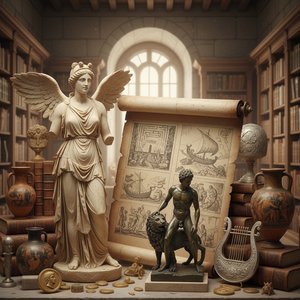
Timeless Legends: A Curated Guide to the Eternal Allure of Mythological Masterpieces
Embark on a sophisticated journey through the eternal allure of mythological art. Discover how master painters breathe life into ancient legends, from Greek deities to Baroque masterpieces, and learn to curate these timeless narratives within your own exquisite art collection.

Georges Braque: 25 mistrovských děl kubismu a revoluce v umění | TopImpressionists.cz
Prozkoumejte 25 ikonických děl Georges Braque, průkopníka kubismu. Objevte příběhy za obrazy, techniky a inspiraci tohoto francouzského mistra. Reprodukce obrazů v nejvyšší kvalitě na TopImpressionists.com.

Georges Seurat: 25 mistrovských děl a revoluce bodové techniky | TopImpressionists
Prozkoumejte 25 ikonických děl Georges Seurata – průkopníka impresionismu a bodové techniky. Objevte příběhy za slavnými obrazy, barevnou teorii a inspirujte se pro váš interiér s reprodukcemi nejvyšší kvality na TopImpressionists.com.

The Enduring Legacy of Oil on Canvas: Technique, History & Aesthetic Impact
Explore the rich history & techniques of oil painting – from Renaissance masters to Impressionism. Discover pigments, layering methods, and why this timeless medium endures. Expert insights for artists & art enthusiasts.