


 Zobrazit v interiéru
 Odeslat
 Sdílet
 Podrobnosti
 Průvodce

 Stáhnout obrázek
 Podobné kousky
 Rentgenové snímky
 Slideshow
 Statistiky
Café 1


Experience George Grosz’s ‘Café 1’! A vibrant depiction of urban life in Berlin, showcasing his distinctive style & social commentary. Hand-painted reproduction available.
 Přečíst si více
Objevte George Grosze (1893-1959), klíčového berlínského dadaistu a představitele nové věcnosti. Prozkoumejte jeho satirické obrazy kritizující Výmarskou republiku, fašismus a společenské problémy.
Umělecké dílo zobrazené na této stránce je chráněno autorským zákonem, což znamená, že nemůžeme legálně vytvářet ani prodávat jeho identickou reprodukci. Tato ochrana je vymáhána na základě mezinárodních dohod, jako například Berberská úmluva a národními zákony, včetně těch stanovených v Americký autorský zákon – Díl 17. Všechna práva vyhrazena.
Jako etickou a právní alternativu nabízíme vlastní, ručně malovaná umělecká díla inspirovaná originálem. Naši zdatní a profesionální umělci si pečlivě studují styl, náladu a uměleckou podstatu originálu, aby vytvořili nové, jedinečné dílo, které vyvolává stejný pocit – přičemž zůstává samostatným originálním tvůrčím dílem.
Tato metoda je plně v souladu s autorským právem, protože nezahrnuje kopírování ani duplikování chráněného díla. Jde o kreativní reinterpretaci – nový obraz, který je inspirován originálem, ale není s ním identický.
Ručně malovaná olejová reprodukce
Ručně malované olejné plátno v libovolném rozměru i s rámem, vyrobené našimi umělci na zakázku. ( Přepnout na tiskové verze Přepnout na digitální verzi obrazu)




P118B Kč10

P118H Kč10

P118W Kč10

P438Z Kč10

P508JH Kč12

P508YH Kč12

P805H Kč10

P805Z Kč10

P919BZ Kč10

P919G Kč10

P919XJ Kč10

P959ZH Kč10

P968JZ Kč12

W106C Kč8

W218G Kč10

W218JH Kč8

W218Y Kč10

W307PJ Kč10

W316G Kč10

W316PJ Kč8

W316Y Kč10

W398PJ Kč8

W4111J Kč10

W500HY Kč15

W500JH Kč15

W692G Kč12

W849H Kč8

W940BG Kč15

W953PJ Kč8




Standardní velikost
na zakázku
CM
INCH
Vyberte si z našich přednastavených velikostí, které odpovídají původním proporcím díla.
Loading sizes...

šířka
výška
Zadejte šířku a výšku, které potřebujete pro váš rám nebo stěnu. Protože se jedná o ruční malbu, při výběru jiného formátu může umělec kolem obrazu domalovat o něco více, nebo jej mírně oříznout — rozhodnete si vy. Před zahájením malby vám zašleme digitální náhled ke schválení. Obraz zobrazený na této stránce neodpovídá skutečnému výsledku — pouze digitální náhled jej zobrazuje.
Příklady možných změn: nahrazení obličeje vlastní fotografií; přidání domácího mazlíčka (např. nahrazení kočky psem); vložení skrytého vzkazu do pozadí; změna krajiny nebo prvků v pozadí.
Po přijetí objednávky vám tým TopImpressionists.com zašle e-mail s pokyny a poskytne náhledovou verzi.
Po přijetí objednávky vám tým TopImpressionists.com zašle e-mail s pokyny a poskytne náhledovou verzi.
Celosvětová doprava () za 3–4 týdny namísto standardních 5 týdnů. (22 říjen). Bez kompromisů v kvalitě.

Zdarma celosvětová expresní doprava

Vysoce kvalitní lněné plátno

Úplné pojištění přepravy

Záruka vrácení celního poplatku

Záruka věrného barevného shodu

100dení lhůta pro vrácení zboží (pouze při vadách výroby)

100% garance vrácení peněz

Sleva při více objednávkách
 Skleněná varianta je dostupná pouze u rozměrů menších než 110 cm

Café 1
Technika provedení
Velikost reprodukce
-


Celková cena
Kč 5759
A Window into the Weimar Soul
In the heart of a bustling, fractured Berlin, George Grosz captures a moment of suspended animation in his evocative work, Café 1. This painting serves as more than just a depiction of a social gathering; it is a vibrant, almost frenetic window into the urban pulse of the early twentieth century. As one gazes upon the canvas, the viewer is immediately swept into a crowded, atmospheric setting where the clinking of cups and the low hum of conversation seem to vibrate through the brushstrokes. The scene is populated by a diverse cast of characters—individuals caught in the quiet, mundane rituals of eating, drinking, and socializing—yet there is an underlying tension that suggests the world outside these cafe walls is far from stable. Through his masterful use of color and composition, Grosz invites us to witness the delicate dance of human connection amidst the encroaching shadows of a changing era.
The technique employed in Café 1 reflects the artist's unique ability to blend meticulous observation with a sharp, satirical edge. While his early training involved the disciplined study of Dutch masters, here we see a departure toward a more expressive and jagged aesthetic. The figures are rendered with a certain rhythmic energy, their forms defined by lines that feel both deliberate and urgent. The interplay of light and shadow across the dining tables creates a sense of depth, drawing the eye through the layers of the crowd toward the subtle details—a man in a tie, a woman lost in thought, and even the unexpected presence of birds that flutter near the periphery. This layering of detail ensures that every glance reveals something new, making the painting an endlessly engaging subject for close study.
Symbolism and the Urban Tapestry
Beyond its surface beauty, Café 1 functions as a profound piece of social commentary. Grosz, a chronicler of societal decay, uses the cafe setting as a microcosm of the Weimar Republic. The arrangement of people—some isolated in their own thoughts, others huddled in small groups—mirrors the fragmented nature of a society struggling to find its footing between tradition and modernity. The presence of the birds adds a layer of surrealist intrigue, perhaps symbolizing a fleeting sense of freedom or an external world that remains indifferent to the human drama unfolding within the cafe's walls. For the discerning collector, the painting offers a rich tapestry of meaning, where every object, from a simple coffee cup to a formal necktie, serves as a symbol of the social hierarchies and cultural shifts defining the age.
For interior designers and art enthusiasts alike, this reproduction offers a commanding presence that brings both historical weight and intellectual depth to any space. The painting’s palette, though colorful, possesses a sophisticated complexity that allows it to integrate seamlessly into both contemporary and classic decor. It acts as a conversation piece, sparking dialogue about history, sociology, and the enduring power of art to capture the human condition. To possess a hand-painted reproduction of Café 1 is to hold a fragment of Berlin's turbulent history, offering an emotional resonance that transcends time and provides a soulful focal point for any curated collection.
Otázky a odpovědi
Mohu využít rozšířenou realitu k tomu, abych si prohlédl(a) „Café 1“ od George Grosz ve své místnosti?
Dílo „Café 1“ od George Grosz si můžete prohlédnout přímo na své vlastní stěně díky stránce Náhled v AR s využitím rozšířené reality na kompatibilním zařízení.
K jakému použití je doporučována reprodukce díla „Café 1“?
Reprodukce díla „Café 1“ od George Grosz je doporučována pro Conversation. Toto doporučení vychází z tématu, nálady a barevnosti tohoto díla.
Jaké umístění se hodí k formátu díla „Café 1“ od George Grosz?
Formát Landscape díla „Café 1“ od George Grosz doporučujeme pro Coffee Shop. Formát i prostor společně určují ideální umístění reprodukce.
Biografie umělce
A Satirist of Shattered Worlds: The Life and Art of George Grosz
George Grosz, narozený jako Georg Ehrenfried Groß v Berlíně v roce 1893, byl vizuálním kronikářem rozkladu společnosti a politických otřesů. Jeho umění nebylo pouhým zobrazením doby – turbulentní Výmarské republiky a vzestup fašismu – ale hlubokou, živoucí reakcí na ni, zuřivým odsouzením vyjádřeným zkroucenými liniemi a groteskními karikaturami. Grosz nepochopil Berlín jen tak; rozebíral ho, odhaloval jeho morální zkaženost s bezkompromisnou upřímností. Rané roky jeho života byly poznamenány nestabilitou po smrti otce, což přimělo jeho matku k řízení vojenského hostince, čímž se mladý Georg ocitl v prostředí pruského militarismu a rigidních sociálních hierarchií – světa, který později neúnavně satirizoval. Jeho formální umělecké vzdělání začalo pečlivými kopiemi tradičních nizozemských mistrů, jako Eduard von Grützner, kde zdokonalil technickou zručnost předtím, než opustil akademické konvence pro mnohem provokativnější cestu. Tato raná disciplína však poskytla základ, na kterém byl postaven jeho jedinečný a vyjádřivý styl.Dada, Nová Objektivita a Zrození Kritického Vize
Umělecký vývoj Grosze nebyl oddělen od avantgardních proudů, které rozkvetly v poúnorové Německu. Stal se klíčovou postavou berlínského Dadaismu, přijímal jeho nihilistický duch a protiasociační vzpurnost. Nicméně, na rozdíl od některých jeho dadaistických kolegů, kteří si užívali čisté absurdity, Grosz věnoval dadaistickou rebelii cílenému sociálnímu komentáři. Jeho díla z tohoto období – díla jako *The Pit* (1921) a *The Pillars of Society* (1926) – jsou zuřivým odsouzením německé buržoazie, vojenské elity a korupčního politického systému, který vedl národ k katastrofě. Nebyl zájem o estetickou krásu; hledal šok, provokaci a odhalení pokrytectví. Tento závazek k sociální kritice se vyvinul v jeho účast na *Neue Sachlichkeit* (Nová Objektivita), hnutí charakterizovaném realistickým, ale bezcitným zobrazením současného života. Zatímco sdílel Novou Objektivitě zaměření na realismus, Grosz ho obdařil jedinečnou a pronikavou satirou, která ho odlišovala od jiných umělců spojených s touto skupinou. Jeho malby a grafiky nebyly pouhými reprezentacemi reality; byly zkreslenými zrcadly společnosti na pokraji kolapsu.Exil a Transformace: Nový Svět, Změna Stylu
Vzestup nacismu přinutil Grosze k exilu v roce 1933. Najde útočiště ve Spojených státech, kde získal občanství v roce 1938. Tato migrace představovala významný obrat v jeho umělecké kariéře. Odstraněn z kontextu, který poháněl jeho nejvýraznější díla, a konfrontován s jinými sociálními a politickými realitami, se Groszův styl začal měnit. Přímá agresivní karikatura ustoupila tlumeným krajinám a portrétům, často zbarveným pocitem melancholie a rozhořčení. I když pokračoval v vystavování a učení na Art Students League v New Yorku, jeho díla postrádala syrovou naléhavost berlínského období. Bojoval o nalezení svého místa v novém prostředí, přecitlivělý na pocity odcizení a uměleckou nejistotu. Apokalyptické vize, které se objevily v této době – malby zobrazující pusté krajiny a fragmentované postavy – odrážely nejen hrůzy probíhající v Evropě, ale také jeho vlastní vnitřní zmatek.Dědictví a Trvalá Relevance
George Grosz se vrátil do Berlína v roce 1959, krátce před svou smrt, poutavou návratem do města, které ho inspirovalo i pronásledovalo. Jeho dědictví přesahuje historický kontext Výmarské republiky. Zůstává mocným příkladem umělce, který se odvážil čelit nepříjemným pravdám a zpochybňovat společenské normy. Jeho dílo slouží jako varovný příběh o nebezpečích politického extremismu, sociální nespravedlnosti a nezvládnuté moci.- Satirická síla: Groszova mistrovská práce s karikaturou nadále inspiruje umělce a komentátory dnes.
- Sociální komentář: Jeho bezkompromisní kritika společenských nespravedlí zůstává překvapivě relevantní v světě, který stále bojuje s nerovností, korupcí a politickou polarizací.
- Historický svědek: Jeho umění poskytuje neocenitelný vhled do sociálního a politického klimatu meziválečné Německo, nabízející živé porozumění silím, které vedly k druhé světové válce.

George Grosz
1893 - 1959 , Německo
Rychlé informace
- Artistic Movement Or Style: Dada, Nová věcnost
- Artists Or Movements Influenced By This Artist: ['Expresionismus']
- Date Of Birth: 26. července 1893
- Date Of Death: 6. července 1959
- Full Name: George Grosz
- Nationality: Němec
- Notable Artworks:
- The Pit
- Pillars
- Place Of Birth: Berlín, Německo
Související články
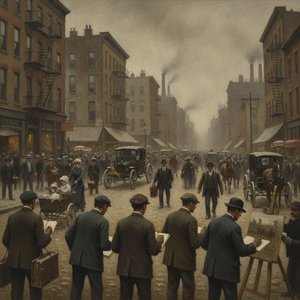
The Ashcan School: Capturing the Raw, Unfiltered Soul of Urban Life through American Realism
Discover the raw beauty of the Ashcan School. Explore how masters like Bellows and Henri captured the gritty, vibrant soul of early 20th-century New York through profound American Realism and evocative urban landscapes.
Prozkoumejte umělecká díla uspořádaná podle témat, stylů a charakteristik.


