

 Náhled v interiéru
 Sdílet
 Sdílet
 Podrobnosti o díle
 Průvodce

 Stáhnout
 Podobné položky
 Rentgenové snímky
 Slideshow
 Q&A
Q&A Statistiky
untitled (372)


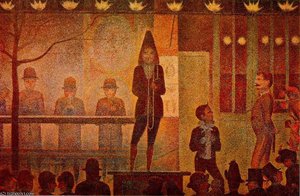
Experience the brilliance of Georges Seurat's "Untitled (372)" – a captivating Pointillist portrait capturing a vibrant stage performance. Explore its luminous precision and discover the legacy of Impressionism’s innovator.
 Zobrazit více
Objevte Georga Seurata (1859-1891), průkopníka pointilismu & neoimpresionismu! Prozkoumejte 'Neděli na ostrově La Grande Jatte' a jeho revoluční barevnou teorii zachycující moderní život. Nakupte ručně malované reprodukce!
Giclée / Umělecký tisk
Giclée nebo plátěný tisk muzeální kvality s rychlou výrobou a širokou nabídkou povrchových úprav. ( Koupit ručně malovaný obraz Přepnout na digitální obraz)




P118B Kč10

P118H Kč10

P118W Kč10

P438Z Kč10

P508JH Kč12

P508YH Kč12

P805H Kč10

P805Z Kč10

P919BZ Kč10

P919G Kč10

P919XJ Kč10

P959ZH Kč10

P968JZ Kč12

W106C Kč8

W218G Kč10

W218JH Kč8

W218Y Kč10

W307PJ Kč10

W316G Kč10

W316PJ Kč8

W316Y Kč10

W398PJ Kč8

W4111J Kč10

W500HY Kč15

W500JH Kč15

W692G Kč12

W849H Kč8

W940BG Kč15

W953PJ Kč8




Standardní velikost
na zakázku
CM
INCH
Vyberte si z našich přednastavených velikostí, které odpovídají původním proporcím díla.
Loading sizes...

šířka
výška
Zadejte šířku a výšku, které potřebujete pro váš rám nebo stěnu. Tisk lze pouze oříznout, nikdy však nelze zvětšit obraz nad jeho původní rozměr, proto při výběru jiného formátu dochází ke ztrátě části obrazu. Před samotným tiskem vám zašleme digitální náhled k schválení. Obraz zobrazený na této stránce nenabízí skutečný výřez — ten uvidíte pouze v náhledu.
Celosvětové doručení () do 2 týdnů namísto standardních 4/5 týdnů. (1 listopad)

Zdarma celosvětová expresní doprava

Vysoce kvalitní lněné plátno

Kompletní pojištění přepravy

Záruka vrácení celního poplatku

Záruka věrného barevného souladu

100dení lhůta pro vrácení zboží (pouze při vadách výroby)

100% záruka vrácení peněz

Sleva při více objednávkách
 Skleněná varianta je dostupná pouze u rozměrů menších než 110 cm

untitled (372)
Giclée / Umělecký tisk
Rozměry reprodukce
-


Celková cena za vybrané možnosti reprodukcí
Kč 1500
A Symphony of Light and Color: The Visionary World of Georges Seurat
In the quiet revolution of late 19th-century Paris, Georges Seurat emerged not merely as a painter, but as a conductor of light. His work, exemplified by the mesmerizing "Untitled (372)," represents a profound departure from the spontaneous, fleeting brushstrokes of his Impressionist contemporaries. While others sought to capture the ephemeral shimmer of a passing moment, Seurat embarked on a meticulous scientific investigation into the very mechanics of human perception. This particular piece invites the viewer into a vibrant stage scene, where a woman stands bathed in radiant hues, delivering a performance that feels both intimate and monumental. Through his eyes, a simple theatrical moment is transformed into a structured exploration of how color and light dance upon the retina.
The magic of this masterpiece lies in its revolutionary technique: Pointillism. Rather than the traditional method of blending pigments on a palette to create smooth transitions, Seurat applied tiny, distinct dots of pure, unadulterated color directly onto the canvas. This method, often referred to as chromoluminarism, relies on the viewer's eye to perform the work of blending. As you stand before the painting, the individual specks of pigment merge in your mind, creating a luminous, vibrating effect that traditional blending could never achieve. This creates a textured, almost breathing surface that captures the shimmering atmosphere of the stage, making the light feel as though it is pulsing with its own internal energy.
A Bridge Between Eras: Historical and Emotional Resonance
To behold "Untitled (37 and 2)" is to witness a pivotal moment in art history, where the subjective beauty of Impressionism met the objective rigor of modern science. Seurat was deeply influenced by contemporary research into optics and color theory, particularly the work of Eugène Chevreuil. By treating the canvas as a laboratory for light, he bridged the gap between the romanticized landscapes of the past and the structured abstraction of the future. The scene itself—a woman performing before an attentive, scattered audience—serves as a beautiful metaphor for this intersection. There is a sense of shared focus, a collective breath held in anticipation, which mirrors the way the viewer must focus to allow the Pointillist dots to coalesce into a coherent image.
For the discerning collector or interior designer, this artwork offers more than just visual splendor; it provides an emotional anchor of sophistication and intellectual depth. The vibrant palette and dynamic composition bring a lively, sophisticated energy to any space, making it an ideal centerpiece for a room designed for contemplation or grand entertaining. Whether placed in a contemporary gallery setting or a classic study, the painting’s ability to evoke both scientific precision and poetic beauty ensures it remains a timeless conversation piece. Owning a high-quality reproduction of such a seminal work allows one to bring the luminous, transformative spirit of Seurat into the modern home, celebrating a legacy of light that continues to captivate the human soul.
Otázky a odpovědi
Lze obraz díla „untitled (372)“ od Georges Pierre Seurat volně reprodukovat?
Co se týče autorských práv, dílo "untitled (372)" spadá do v rámci volného užití – autorská práva vypršela.
Jak se v díle "untitled (372)" propojují médium a pohyb?
„untitled (372)“ je dílo v technice Oil v rámci stylu Impressionistic Precision.
Jsou barvy díla „untitled (372)“ od Georges Pierre Seurat syté, nebo tlumené?
Barvy díla „untitled (372)“ od Georges Pierre Seurat mají Subtle Color saturaci. Saturace určuje, jak jsou barvy živé nebo tlumené.
Podobná díla




Biografie umělce
Georges Seurat: Světlo, Barva a Matematika Moderního Umění
Georges Pierre Seurat, narozený v Paříži 2. prosince 1859, se stal klíčovou postavou přechodu od impresionismu k modernímu umění. Jeho krátká, ale nesmírně intenzivní kariéra zvrátila malbu prostřednictvím vývoje pointilismu – techniky založené na vědeckých principech a neochvějné snaze o optickou pravdu. Seuratův příběh je příběhem pečlivého pozorování, intelektuální přísnosti a hluboké citlivosti k nuancím světla a barvy – vlastností, které ho odlišovaly od jeho současníků a dodnes okouzluje diváky po celém světě. Jeho raný život, i když se zdál konvenční, položil základy pro jeho budoucí umělecké objevy. Rodina se krátce po narození přestěhovala na Boulevard de Magenta a jeho otec, Antoine Chrysostome Seurat, bývalý právní úředník a později spekulant s nemovitostmi, mu poskytl pohodlné dětství, které umožnilo mladému Georgovi přístup ke vzdělání v umění. Začal formální výcvik v École Municipale de Sculpture et Dessin pod sochařem Justinem Lequienem a následně se přihlásil na prestižní École des Beaux-Arts v roce 1878, kde studoval u Henriho Lehmanna. Tato formující léta do něj vštěpila pevné základy tradičních technik, ale i tehdy začínala nabývat tvaru jedinečná umělecká osobnost – směs jemné citlivosti a rostoucí fascinace systematickou analýzou.Od Akademismu k Chromoluminarismu: Vědecké Kořeny Umění
Seuratův umělecký vývoj nebyl náhlým skokem do inovace, ale spíše postupnou evolucí poháněnou intelektuální zvědavostí a přísným experimentováním. Zpočátku jeho díla odrážela akademické standardy doby, projevovala zdatnost v kresbě a respekt k ustáleným kompozičním principům. Brzy však začal tyto konvence zpochybňovat a hledat přístup k malbě více vědecký. Ponořil se do rozvíjejícího se oboru teorie barev, studoval spisy vědců jako Michel Eugène Chevreul a Ogden Rood, kteří zkoumali optické efekty kontrastních barev. Tato studia se stala základem jeho revoluční techniky, chromoluminarismu – vědy o barvě – a její praktického uplatnění, pointilismu. Základní myšlenka byla překvapivě jednoduchá: nanášet malé, odlišné tečky čisté barvy na plátno a spoléhat se na oko diváka, aby je opticky smíchalo a vytvořilo živý, zářivý efekt. Nešlo jen o dosažení jasnějších barev; šlo o pochopení toho, jak lidské zrakové systémy vnímají světlo a barvu a využít tyto znalosti k vytvoření dynamičtějšího a poutavějšího malířského zážitku. Pečlivě se připravoval na své rozsáhlé kompozice s pomocí nákresů Conté crayonem na hrubém papíře, pečlivě mapujíc umístění každé tečky, čímž projevoval téměř matematickou přesnost ve svém uměleckém procesu.Milníky Inovace: Hlavní Díla a Umělecká Vize
Vyvrcholením Seuratových výzkumů a experimentů je možná nejlépe ztělesněno v A Sunday Afternoon on the Island of La Grande Jatte (1884-1886), monumentálním díle, které znamenalo začátek neoimpresionismu. Tato ikonická malba zobrazující Pařížany užívající si pohodové odpoledne u Seiny plně demonstruje jeho pointilistickou techniku. Postavy, zobrazené jako pečlivě umístěné tečky barev, se zdají zářit a vibrovat světlem, čímž vytvářejí atmosféru klidné pohody. Alfalfa, Saint-Denis (1886-1887) demonstruje jeho aplikaci teorie barev na venkovskou krajinu, zatímco dřívější díla jako Landscape at Saint-Ouen (1882-1883) odhalují jeho vyvíjející se styl a rostoucí zájem o zachycení efektů světla a atmosféry. I zobrazení moderního pařížského života, jako je The Eiffel Tower (1889), bylo transformováno jeho jedinečnou technikou, která ukazuje harmonickou kombinaci průmyslové modernity a umělecké inovace. Bathers at Asnières (1884), další významné dílo, zkoumala témata volného času a moderního života s jeho charakteristickým stylem, čímž předznamenala rafinovanější přístup viditelný v *La Grande Jatte*. Tyto obrazy nebyly jen reprezentacemi scén; byly to pečlivě konstruované vizuální experimenty navržené k prozkoumání možností barvy a vnímání.Trvalé Dědictví: Vliv a Historický Význam
Navzdory tragicky krátkému životu – Seurat zemřel ve věku 31 let v roce 1891 – byl jeho dopad na umělecký svět hluboký a dalekosáhlý. Jeho dílo zpochybnilo tradiční umělecké konvence a otevřelo cestu mnoha následným směrům. Důraz na subjektivní vyjádření a průzkum nových technik rezonoval s umělci, kteří se snažili osvobodit se od akademických omezení. Seuratův vliv lze vidět ve dílech fauvistů, kteří přijali odvážné barvy a expresivní štětec; kubistů, kteří dekonstruovali formy do geometrických tvarů; a abstraktních expresionistů, kteří upřednostňovali emocionální intenzitu a spontánní gesto. Jeho vědecký přístup k malbě, i když zpočátku kontroverzní, rozšířil definici umělecké možnosti. Prokázal, že umění může být jak intelektuálně přísné, tak emotivně sugestivní – syntéza, která dodnes inspiruje umělce. Seuratovo dědictví přesahuje jeho technické inovace; zanechal po sobě dílo, které zachycuje podstatu moderního života s bezkonkurenční přesností a krásou, čímž si upevnil své místo jako skutečný průkopník moderního umění. Jeho obrazy zůstávají svědectvím síly pozorování, experimentování a trvalé lidské touhy pochopit svět kolem nás skrze optiku uměleckého vyjádření.
Georges Pierre Seurat
1859 - 1891 , Francie
Rychlé informace o umělci
- Celé Jméno: Georges Pierre Seurat
- Datum Narození: 2. prosince 1859
- Datum Úmrtí: 29. března 1891
- Místo Narození: Paříž, Francie
- Národnost: Francouzská
- Ovlivnění Umělci:
- Michel Eugène Chevreul
- Ogden Rood
- Umělecké Hnutí: Neoimpresionismus, Pointilismus
- Vliv Na Umění:
- Fauvismus
- Kubismus
- Ab. expresionismus
- Významná Díla:
- La Grande Jatte
- Alfalfa, Saint-Denis
- Eiffelova věž
Související články

The Symphony of Dots: Unveiling the Luminous Magic and Optical Brilliance of Pointillism
Discover the luminous magic of Pointillism and the scientific brilliance of Georges Seurat. Explore our exquisite, hand-painted oil reproductions, meticulously crafted to bring the timeless elegance and optical beauty of Neo-Impressionism into your home with museum-grade quality.

The Magic of Pointillism: How Seurat and Signac Revolutionized Color and Light
Discover the luminous revolution of Pointillism. Explore how masters Georges Seurat and Paul Signac used scientific color theory and optical mixing to transform light and art history in this deep dive into Neo-Impressionist brilliance.
Prozkoumejte umělecká díla uspořádaná podle témat, stylů a charakteristik.


