Ateliér — Doprava po celém světě zdarma — Dodání za 2–6 týdnů
Obraz z fotky Seznam přání Košík
Koupit tisk Koupit tiskKoupit ručně malovaný obraz Koupit ručně malovaný obraz SdíletSdílet
Podrobnosti o dílePodrobnosti o díle Přidat do oblíbených Přidat do oblíbených StáhnoutStáhnout Podobné položkyPodobné položky SlideshowSlideshow

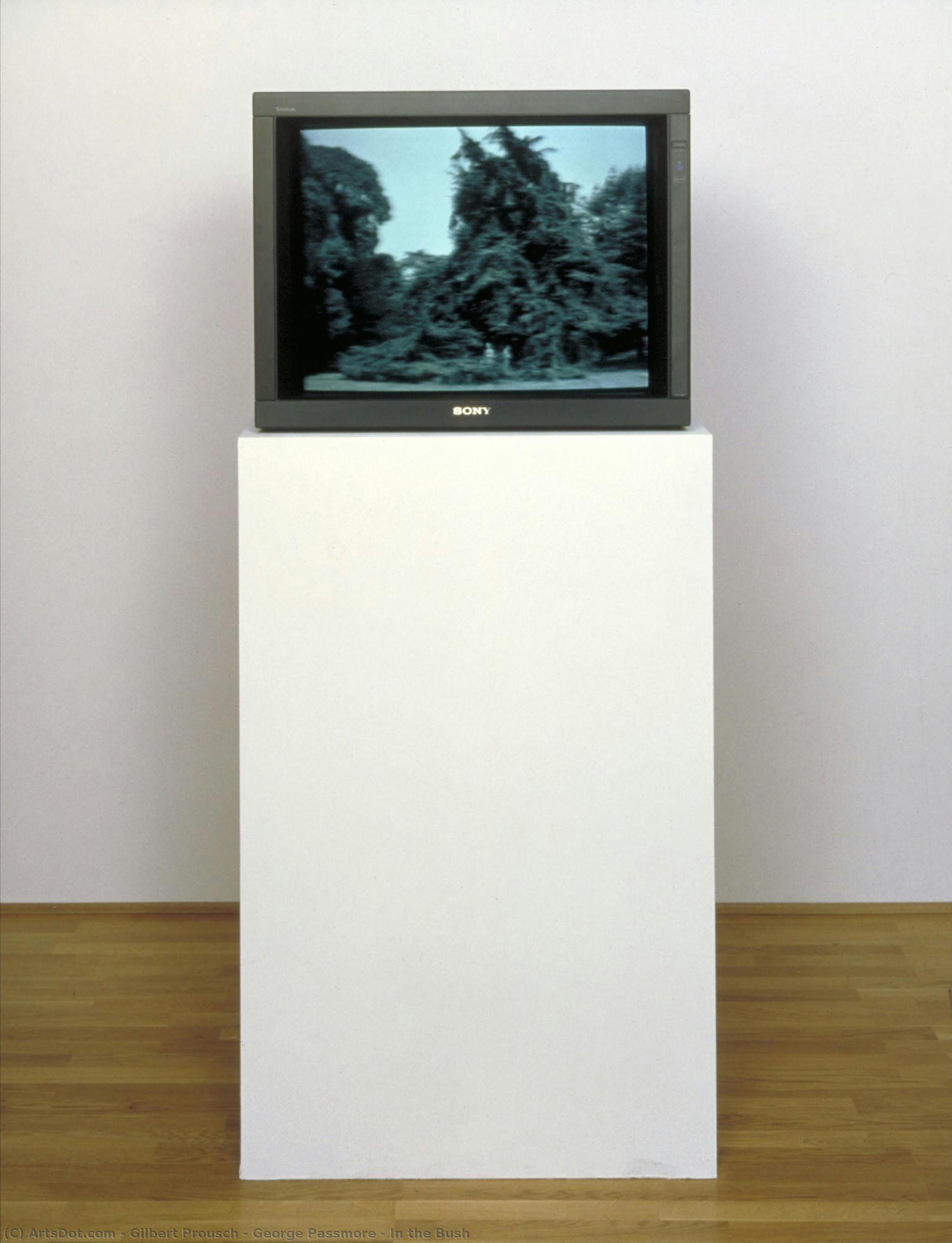
In the Bush

Experience Gilbert & George's 'In the Bush' (1972) – a groundbreaking video sculpture capturing a Kew Gardens scene. Explore nature, technology, and the artists’ unique vision of modern life.

Discover Gilbert & George (b. 1943, b. 1942), revolutionary artists famed for their vibrant 'Bearded Pictures,' performance art, and challenging explorations of modern life. Pioneers of photo-based sculpture.

Koupě vysoce rozlišeného, vylepšeného digitálního obrazu, který je mnohem kvalitnější než online náhled.

Každý soubor je pečlivě připraven našimi odborníky pomocí pokročilých nástrojů a expertní manuální retuše. Zajišťujeme, aby každý obraz disponoval výjimečnou ostrostí, přesnou barevnou věrností a jemnými detaily.

Finální soubor vám bude do 72 hodin zaslán e-mailem, optimalizovaný pro okamžité použití v profesionálním, redakčním i tiskovém prostředí. Nabízíme stejnou kvalitu, které důvěřují špičková designová studia, nakladatelství i galerie.

Digitální obrazy

Stáhněte si soubor ve vysokém rozlišení pro osobní prohlížení, tisk a kreativní projekty. (Koupit tisk Koupit tiskKoupit ručně malovaný obraz Koupit ručně malovaný obraz)

Celková cena

$ 24,90

Součást každé objednávky digitálního obrazu

Profesionální digitální doručení, zaručeno.

Když si vyberete TopImpressionists.com, nezískáváte pouze obrázek – získáváte digitální umělecké dílo s profesionálně vylepšenými detaily, zpracované s precizností a podpořené zárukou za spokojenost. Zde je vše, co vaše objednávka automaticky obsahuje:

shipping_icon
Rychlé doručení e-mailem

Váš digitální obraz ve vysokém rozlišení vám bude zaslán e-mailem do 72 hodin od objednávky – připraven k okamžitému použití.

canvas_icon
Digitální soubor s využitím AI

Vaše umělecké dílo je profesionálně optimalizováno pomocí pokročilých nástrojů umělé inteligence a manuální úpravy, což zajišťuje maximální úroveň detailu, ostrosti a přesnosti barev.

insurance_icon
Bezplatné doživotní znovuodeslání

Soubor jste omylem smazali nebo ztratili? Žádný problém – kdykoliv vám ho znovu zašleme zcela zdarma.

tax_icon
Bez poplatků za dovoz – navždy

Užijte si své umělecké dílo okamžitě bez celních poplatků, daní nebo nákladů na dopravu – digitální stažení je vždy bez daňových povinností.

color_icon
Záruka přesnosti barev

Pomocí profesionálních nástrojů a správy barev zajišťujeme, aby váš digitální obraz odrážel původní barvy co nejvěrněji.

return_icon
60denní záruka spokojenosti

Pokud nebudete s digitální fotografií spokojeni, provedeme její revizi nebo vám vrátíme 100% během 60 dnů – bez jakýchkoliv dotazů.

guarantee_icon
100% záruka vrácení peněz

Nespokojeni? Získejte plnou částku zpět do 60 dní od přijetí vašeho digitálního souboru – bez jakýchkoliv dotazů.

discount_icon
Slevy při hromadných objednávkách

Koupěte si 3 obrazy, ušetřete 10% - Koupěte si 5, ušetřete 15% - Koupěte si 10+, ušetřete 20%. Ideální pro kreativní projekty, galerie a agentury.

Základní informace

  • Movement: Conceptual Art
  • Notable elements: Site-specific, soundscape
  • Influences: Land art
  • Artistic style: Sculpture on video
  • Title: In the Bush
  • Subject or theme: Landscape, nature
  • Year: 1972

Kvíz o umění

U každé otázky je pouze jedna správná odpověď.

Otázka 1:
What type of artwork is ‘In the Bush’ by Gilbert & George?
Otázka 2:
Where was ‘In the Bush’ filmed?
Otázka 3:
What is notable about the tree featured in ‘In the Bush’?
Otázka 4:
What is the significance of the black and white video format used in ‘In the Bush’?
Otázka 5:
Gilbert & George are known for their collaborative approach. What is a key characteristic of this collaboration?

Popis sběratelského kusu

A Wilderness Captured: Gilbert & George’s ‘In the Bush’

Gilbert & George's 'In the Bush,' created in 1972, isn’t merely a video; it’s an immersive encounter with a specific moment of observation and a profound meditation on the relationship between humanity and the natural world. This seminal work from the duo’s early career—a time when they were rapidly redefining the boundaries of art – captures a seemingly simple scene in Kew Gardens, London: two figures, Gilbert and George themselves, standing beneath a venerable tree, bathed in the diffused light of an English summer. Yet, within this apparent stillness lies a complex layering of ideas, challenging viewers to reconsider their own perceptions of landscape, representation, and the very act of looking.

The piece’s technical execution is deceptively straightforward. Shot on 16mm film, ‘In the Bush’ presents a black-and-white video of the sculptors amidst the foliage. The camera remains largely static, focusing intently on the figures as they observe their surroundings. A subtle soundscape—a recording of birdsong from the BBC – subtly enhances the atmosphere, grounding the scene in its natural context while simultaneously elevating it to an almost ritualistic quality. This deliberate restraint, a hallmark of Gilbert & George’s approach, forces the viewer to engage actively with the image, prompting questions about the nature of observation and the role of the artist.

The Sculptors' Landscape: From Urban Grit to Wild Spaces

Prior to ‘In the Bush,’ Gilbert & George were primarily known for their “Bearded Pictures”—large-scale, brightly colored paintings depicting portraits of themselves with exaggerated facial hair. These works established them as provocative figures challenging conventional notions of beauty and artistic representation. However, around 1971, a shift began within their practice. Responding to the increasingly dense urban environment of London, they turned their attention to man-made landscapes – parks, canals, and other carefully constructed spaces. ‘In the Bush’ represents a crucial step in this evolution, moving away from the artificiality of the city and towards a more primal connection with nature.

The choice of location within Kew Gardens is particularly significant. The tree itself—a “slightly foreign” specimen with its “jungley” appearance – embodies this desire for something ‘other’ than the familiar. Its branches reaching down to the ground, creating an almost enclosed space beneath it, mirrors the feeling of being enveloped by nature. Furthermore, the view from the base of the tree encompasses Syon House, a grand estate across the river Thames, and its iconic stone lion—a juxtaposition of natural and constructed elements that underscores the core theme of the work.

Symbolism and the Act of Seeing

‘In the Bush’ is rich in symbolic meaning. The two figures, Gilbert and George themselves, are not simply documenting a scene; they are actively engaged in it. Their stillness, their quiet observation, suggests a deliberate attempt to slow down and truly *see*. The walking stick carried by George and the glass held by Gilbert—seemingly mundane objects—become imbued with significance, representing the tools of perception and the act of recording experience. The video tape itself functions as a surrogate for memory, preserving this fleeting moment in time.

Moreover, the black-and-white format contributes to the work’s symbolic weight. By stripping away color, Gilbert & George focus on form, texture, and light—elements that are essential to their understanding of landscape. The monochrome palette evokes a sense of timelessness, suggesting that this scene transcends its specific location and time period, becoming a universal meditation on the human relationship with nature.

A Legacy of Challenging Perception

‘In the Bush’ remains a pivotal work in the history of contemporary art. It exemplifies Gilbert & George's innovative approach to sculpture—blurring the boundaries between painting, photography, and video—and their willingness to challenge conventional notions of artistic representation. The piece’s enduring appeal lies not only in its aesthetic qualities but also in its profound exploration of themes that continue to resonate today: our relationship with nature, the act of seeing, and the role of art in shaping our understanding of the world.


Biografie umělce

A Collaborative Vision: The World of Gilbert & George

The art world rarely witnesses partnerships that endure, let alone those that fundamentally challenge the very definition of artistic practice. Yet, for over five decades, Gilbert Prousch and George Passmore – known collectively as Gilbert & George – have relentlessly pushed boundaries, provoking audiences with their audacious work and unwavering commitment to a singular vision. Their story is one of unlikely origins, a meeting of minds forged in the crucible of 1960s London, and a dedication to blurring the lines between art and life that continues to resonate today. Gilbert, born in San Martín de Tor, Italy, in 1943, arrived in England with a unique cultural background, having grown up speaking Ladin, a Rhaeto-Romance language. His early artistic training took place across Austria and Germany before he settled in Britain. George Passmore, born in Plymouth, UK, in 1942, followed a more unconventional path, leaving formal schooling at fifteen to pursue his passion for art through institutions like Dartington College of Arts and Oxford School of Art. Their paths converged on September 25, 1967, within the hallowed halls of Saint Martin's School of Art, where they were both sculpture students. It was a pivotal encounter that would irrevocably alter the landscape of contemporary art.

The Birth of “Living Sculpture” and Early Provocations

From their initial meeting, Gilbert & George embarked on an artistic journey unlike any other. They conceived of themselves not merely as artists *creating* art, but as *being* art – a concept they termed "living sculpture." This radical notion involved a deliberate merging of their lives into a single, ongoing performance. Their early works were deliberately confrontational and unconventional. The Singing Sculpture, performed in 1969, epitomized this approach. Clad in metallic powders, the duo would stand on tables and perform songs, transforming themselves into living, breathing artworks that challenged conventional notions of artistic presentation. This wasn’t about creating an object to be observed; it was about embodying art itself. A defining characteristic quickly emerged: their impeccably tailored suits. These weren't mere sartorial choices but a deliberate aesthetic statement – a formal facade contrasting sharply with the often-challenging and provocative content of their work. The suits became their uniform, a visual shorthand for their artistic persona, reinforcing the idea that Gilbert & George were always “on,” perpetually performing their roles as living sculptures. This commitment to presentation underscored their belief in art’s ability to disrupt and challenge societal norms. Their early boldness extended to self-titling works like "George the Cunt and Gilbert the Shit" (1969), a preemptive strike against criticism that demonstrated an unflinching willingness to confront taboo subjects head-on.

The Pictures: A Kaleidoscope of Contemporary Life

Gilbert & George’s artistic practice evolved significantly with the advent of “The Pictures,” large-scale photo-based works that became their signature style. Beginning in black and white, these images gradually exploded with vibrant color, arranged in striking grids that echoed the patterns of urban life. The subject matter was deliberately provocative, tackling themes often considered off-limits: religion, patriotism, sexuality, identity, power dynamics, and societal taboos. Their artistic language draws from a diverse range of influences – Surrealism’s dreamlike imagery, Pop Art’s embrace of popular culture, and Conceptual Art’s emphasis on ideas over aesthetics. The Pictures weren't simply photographs; they were carefully constructed narratives, often unsettling and always thought-provoking. Works like The Gate of Hell, The Family, and Dig exemplify their ability to distill complex social issues into visually arresting compositions. Their long-term residency in East London, particularly Spitalfields, profoundly shaped their artistic vision. They viewed the area as a microcosm of broader societal concerns, depicting its inhabitants and urban landscape with unflinching honesty. This deep connection to place is evident throughout their oeuvre, grounding their universal themes in the specific realities of everyday life. In 2023, they solidified this commitment by inaugurating The Gilbert & George Centre on Heneage Street, London E1 – a dedicated space for showcasing their work and fostering artistic dialogue.

Legacy and Enduring Influence

Gilbert & George’s impact on contemporary art is undeniable. They have consistently challenged traditional boundaries, pioneering performance art and paving the way for new forms of expression. Their unwavering commitment to their unique artistic vision has earned them numerous accolades, including nominations for the Turner Prize, the South Bank Show Award, and the Lorenzo il Magnifico Award. Their work is held in prestigious museum collections worldwide, including Tate Britain, the Victoria and Albert Museum, and the Museum of Contemporary Art in Los Angeles, cementing their place within the canon of modern art. More than just artists, Gilbert & George are cultural provocateurs, forcing viewers to confront uncomfortable truths about themselves and society. They have demonstrated that art can be both aesthetically compelling and politically charged, challenging conventions while simultaneously celebrating the complexities of human experience. Their enduring collaboration – a testament to their shared vision and unwavering dedication – serves as an inspiration to artists across generations. They continue to provoke, inspire, and challenge audiences with their bold and uncompromising work, solidifying their legacy as one of the most important and innovative art duos of the 20th and 21st centuries. Their influence extends beyond the visual arts, impacting performance studies, social commentary, and the very definition of artistic practice itself.
© TopImpressionists.com — Všechna práva vyhrazena  ·  100% Ručně malováno · Spokojenost zaručena · Doprava po celém světě zdarma
VISA MASTERCARD

