

 Zobrazit v interiéru
 Odeslat
 Sdílet
 Podrobnosti
 Průvodce

 Stáhnout obrázek
 Podobné kousky
 Rentgenové snímky
 Slideshow
 Statistiky
Waltz


Experience the vibrant energy of Gino Severini's Futurist waltz capturing a dizzying Parisian dance floor; discover this dynamic masterpiece today.
 Přečíst si více
Gino Severini byl klíčovým italým futuristickým a kubistickým malířem známým pro dynamické výtvary zachycující život města a pohyb. Jeho dílo vykazuje inovativní kombinaci technik a estetických principů.
Umělecké dílo zobrazené na této stránce je chráněno autorským zákonem, což znamená, že nemůžeme legálně vytvářet ani prodávat jeho identickou reprodukci. Tato ochrana je vymáhána na základě mezinárodních dohod, jako například Berberská úmluva a národními zákony, včetně těch stanovených v Americký autorský zákon – Díl 17. Všechna práva vyhrazena.
Jako etickou a právní alternativu nabízíme vlastní, ručně malovaná umělecká díla inspirovaná originálem. Naši zdatní a profesionální umělci si pečlivě studují styl, náladu a uměleckou podstatu originálu, aby vytvořili nové, jedinečné dílo, které vyvolává stejný pocit – přičemž zůstává samostatným originálním tvůrčím dílem.
Tato metoda je plně v souladu s autorským právem, protože nezahrnuje kopírování ani duplikování chráněného díla. Jde o kreativní reinterpretaci – nový obraz, který je inspirován originálem, ale není s ním identický.
Ručně malovaná olejová reprodukce
Ručně malované olejné plátno v libovolném rozměru i s rámem, vyrobené našimi umělci na zakázku. ( Přepnout na tiskové verze Přepnout na digitální verzi obrazu)




P118B Kč10

P118H Kč10

P118W Kč10

P438Z Kč10

P508JH Kč12

P508YH Kč12

P805H Kč10

P805Z Kč10

P919BZ Kč10

P919G Kč10

P919XJ Kč10

P959ZH Kč10

P968JZ Kč12

W106C Kč8

W218G Kč10

W218JH Kč8

W218Y Kč10

W307PJ Kč10

W316G Kč10

W316PJ Kč8

W316Y Kč10

W398PJ Kč8

W4111J Kč10

W500HY Kč15

W500JH Kč15

W692G Kč12

W849H Kč8

W940BG Kč15

W953PJ Kč8




Standardní velikost
na zakázku
CM
INCH
Vyberte si z našich přednastavených velikostí, které odpovídají původním proporcím díla.
Loading sizes...

šířka
výška
Můžete zadat vlastní rozměry pro konkrétní rám nebo prostor. Pokud se vámi vybraná velikost neshoduje s proporcemi původního obrazu, dílo buď ořízneme, nebo jej doplníme ručně malovanými prvky. Před zahájením výroby vám bude zaslán digitální náhled ke schválení.
Upozorňujeme, že náhled na obrazovce neodpovídá skutečnému ořezu ani rozšíření. Pouze digitální náhled přesně zobrazí finální kompozici.
Ačkoliv je možné zvolit vlastní velikost, pro zachování původních proporcí doporučujeme vybrat rozměr z předdefinovaného seznamu.
Příklady možných změn: nahrazení obličeje vlastní fotografií; přidání domácího mazlíčka (např. nahrazení kočky psem); vložení skrytého vzkazu do pozadí; změna krajiny nebo prvků v pozadí.
Po přijetí objednávky vám tým TopImpressionists.com zašle e-mail s pokyny a poskytne náhledovou verzi.
Po přijetí objednávky vám tým TopImpressionists.com zašle e-mail s pokyny a poskytne náhledovou verzi.
Celosvětová doprava () za 3–4 týdny namísto standardních 5 týdnů. (12 říjen). Bez kompromisů v kvalitě.

Zdarma celosvětová expresní doprava

Vysoce kvalitní lněné plátno

Úplné pojištění přepravy

Záruka vrácení celního poplatku

Záruka věrného barevného shodu

100dení lhůta pro vrácení zboží (pouze při vadách výroby)

100% garance vrácení peněz

Sleva při více objednávkách
 Skleněná varianta je dostupná pouze u rozměrů menších než 110 cm

Waltz
Technika provedení
Velikost reprodukce
-


Celková cena
Kč 5621
The Whirlwind Energy of Modern Life
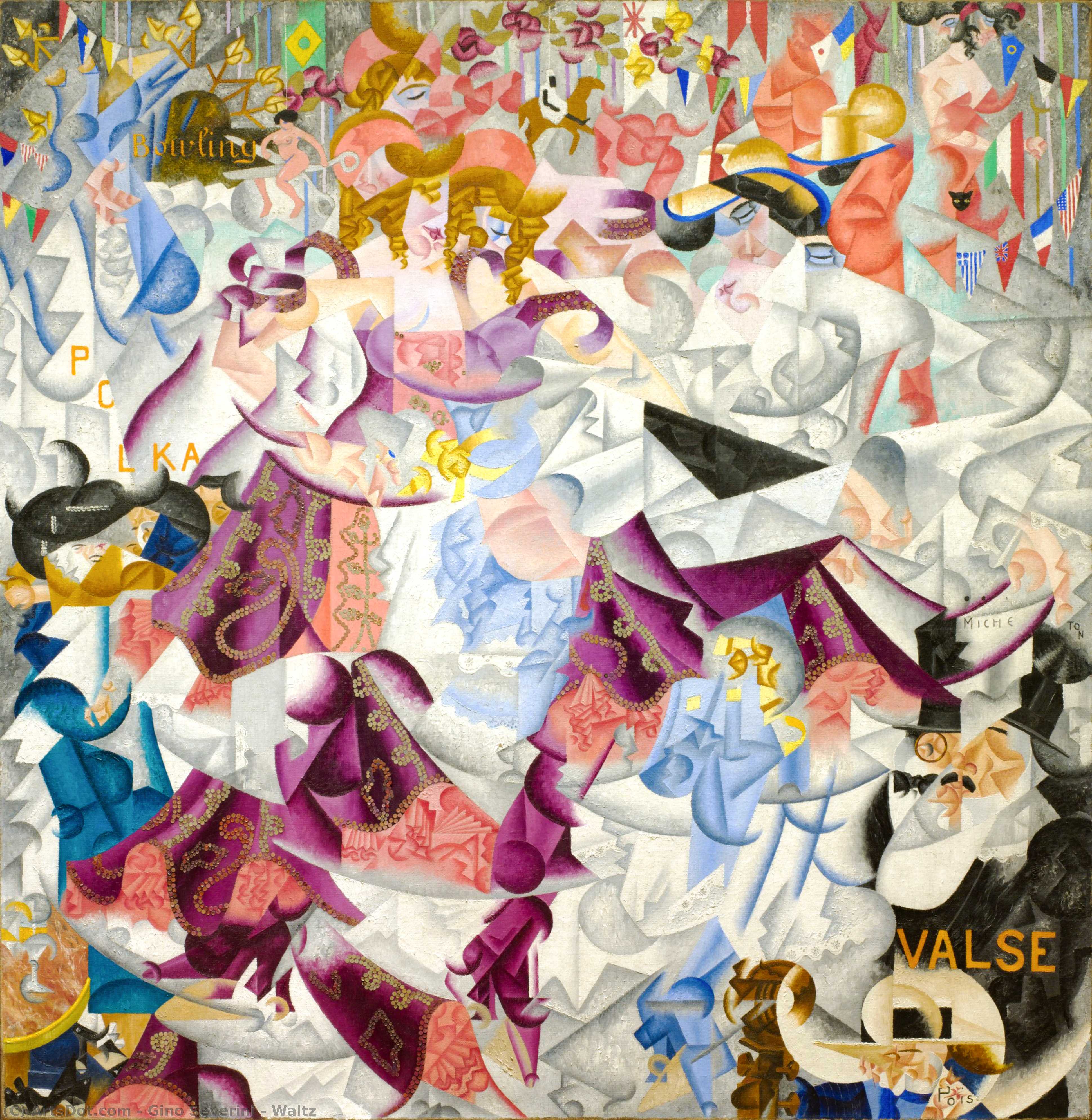
To gaze upon Gino Severini’s "Waltz" is not merely to observe a dance; it is to be swept into its very current. This painting captures the exhilarating, almost breathless energy of a Parisian nightclub in the early 20th century. The scene pulses with life—a dizzying confluence of bodies caught in the rhythmic embrace of the waltz. Severini has masterfully translated the ephemeral nature of movement into solid pigment, creating a visual symphony where every swirling form contributes to an overwhelming sense of joyous abandon. It speaks directly to the modern experience: vibrant, chaotic, and utterly captivating.
Embracing the Futurist Spirit
This work stands as a quintessential artifact of the Futurist movement, an avant-garde explosion born from Italy’s desire to shed the weight of tradition and leap headfirst into the roaring promise of the machine age. The Futurists were revolutionaries in every sense—artistic, cultural, and even political. They worshipped speed, technology, and the raw dynamism of contemporary urban existence. In "Waltz," this philosophy manifests not through depictions of engines or skyscrapers, but through the very structure of the dance itself. The composition fragments, angles collide, and perspectives overlap, mirroring the sensory overload of a modern metropolis where multiple realities intersect at once.
Technique and Visual Alchemy
Severini’s technique here is nothing short of electrifying. He employs a vibrant, almost feverish palette—deep purples mingle with electric blues, punctuated by flashes of fiery red and acidic yellow. These colors do not simply decorate the figures; they seem to emanate from the very motion, suggesting light refracting off silk gowns and sweat under the club's glow. The brushwork itself is energetic, visible, and purposeful, lending a palpable texture to the air around the dancers. It is a masterful exercise in capturing kinetic energy, making the viewer feel the centrifugal force pulling them into the heart of the dance floor.
Symbolism of Motion and Modernity
Beyond the spectacle of the waltz, "Waltz" carries deeper symbolic weight. The dance itself represents humanity’s attempt to find order and connection amidst the accelerating pace of industrial modernity. Yet, this apparent structure is always on the verge of dissolution—a beautiful tension that defines the early 20th century spirit. For collectors and designers alike, owning this piece means acquiring a conversation starter; it suggests an appreciation for art that refuses stillness, embracing instead the glorious, messy momentum of life itself.
Bringing the Nightlife Home
For those seeking to infuse a space with intellectual vigor and undeniable drama, a reproduction of "Waltz" offers unparalleled depth. It functions as more than mere decoration; it is an emotional anchor, suggesting stories of glamour, rebellion, and unstoppable vitality. Whether placed in a grand hall or a richly decorated lounge, this artwork commands attention, inviting every passerby to slow down, look closer, and feel the irresistible urge to join the dance.
Otázky a odpovědi
Jakou luminanci má dílo „Waltz“ od Gino Severini?
Barvy díla „Waltz“ vykazují jas o hodnotě Bright Balance.
Jaký národní původ stojí za tím, že Futurism díla „Waltz“?
Dílo v rámci směru Futurism s názvem "Waltz" vytvořil umělec narozený v zemi Itálie.
Jaké je místo díla „Waltz“ mezi opakovanými tématy umělce Gino Severini?
„Waltz“ zachycuje waltz, dancers, nightlife, movement, futurism, energy, paris, zatímco doložená témata umělce Gino Severini zahrnují futurist energy of modern life, celebration of speed and technology, break from traditional values. Porovnání těchto dvou aspektů odhaluje, jak se toto dílo vztahuje k obvyklým tématům tohoto autora.
What aliases or alternate names does Gino Severini have?
Gino Severini is also known as Žino Severini.
Z jaké éry pochází "Waltz"?
Dílo "Waltz" pochází z období Modern.
Kde mohu najít umělecká díla podobná dílu „Waltz“ od Gino Severini?
Díla podobná dílu „Waltz“ od Gino Severini jsou shromážděna na stránce Podobná díla tohoto díla.
Jakou náladu vyjadřuje „Waltz“ od Gino Severini v rámci směru Futurism?
V rámci směru Futurism je dílo „Waltz“ zachyceno v Energetic tónu.
K jakému použití je doporučována reprodukce díla „Waltz“?
Navrhované využití pro „Waltz“ od Gino Severini je Statement. Lze jej však využít i k jiným účelům.
Biografie umělce
Early Life and the Seeds of Artistic Rebellion
Gino Severini emerged into the world on April 7, 1883, in the picturesque Tuscan town of Cortona, Italy. His beginnings were humble; his father a junior court official, his mother a dressmaker – a background that instilled in him both a sensitivity to form and an awareness of societal structures. Formal education proved ill-fitting for the young Severini’s restless spirit. Expelled at fifteen alongside classmates for a youthful indiscretion involving stolen exam papers, he found himself cast adrift from conventional schooling. This expulsion, however, wasn't a derailment but rather a catalyst, freeing him to pursue his burgeoning artistic inclinations independently while working as a shipping clerk. The move to Rome in 1899 marked a turning point; it was there, amidst the ancient ruins and vibrant street life, that he began formal art classes, quickly becoming captivated by the shimmering effects of Divisionism – a technique championed by artists like Giacomo Balla and Umberto Boccioni, who would soon become pivotal figures in his artistic journey. These formative years laid the essential groundwork for Severini’s eventual embrace of Futurism, igniting within him a desire to capture the dynamism of modern life.Embracing the Velocity of Futurism
The invitation to join Filippo Tommaso Marinetti and Umberto Boccioni in the burgeoning Futurist movement proved transformative for Severini. He became a signatory of the *Manifesto of the Futurist Painters* in 1910, aligning himself with a revolutionary ideology that celebrated speed, technology, and the intoxicating energy of modernity. This wasn’t merely an artistic choice; it was a philosophical commitment to shattering tradition and forging a new aesthetic language for a rapidly changing world. Severini played a crucial role in disseminating Futurist ideas internationally, notably organizing the movement's first exhibition outside Italy at Galerie Bernheim-Jeune in Paris in 1912. His work during this period, exemplified by paintings like *North-South* (1915), embodies the Futurist obsession with capturing motion and energy through fragmented forms and a vibrant, almost explosive palette. Unlike some of his colleagues who focused on machines, Severini often turned to urban scenes and dancers as subjects, reflecting his fascination with portraying the rhythms and sensations of modern life – the swirling skirts, the flashing lights, the pulsating crowds. He helped organize the first Futurist exhibition outside Italy at Galerie Bernheim-Jeune in Paris in 1912. His work during this period, exemplified by paintings like *North-South* (1915), embodies the Futurist obsession with capturing motion and energy through fragmented forms and a vibrant, almost explosive palette. Unlike some of his colleagues who focused on machines, Severini often turned to urban scenes and dancers as subjects, reflecting his fascination with portraying the rhythms and sensations of modern life – the swirling skirts, the flashing lights, the pulsating crowds.A Synthesis of Styles: Cubism and Beyond
Severini’s artistic style was never confined by rigid dogma; it was a constantly evolving synthesis of influences. While deeply rooted in the Futurist aesthetic, his work also demonstrated a profound engagement with Cubism, particularly after his pivotal visit to Paris in 1911. He absorbed elements of geometric abstraction and fragmented perspectives, incorporating them into his compositions to create dynamic arrangements that conveyed a sense of simultaneity and movement. Artists like Umberto Boccioni, Carlo Carrà, and Giovanni Francesco Romanelli were significant influences, but Severini’s unique vision allowed him to forge his own path. *Waltz*, for instance, showcases this masterful fusion of styles – the swirling energy of dance rendered through a Cubist lens, resulting in a painting that feels both chaotic and harmonious. He was adept at capturing lively urban scenes, for example in *Dynamic Hieroglyph of the Bal Tabarin* (1912) and *The Boulevard* (1913). ##Later Years and Enduring Legacy Severini continued to experiment with diverse artistic media, including mosaic and fresco, expanding his creative horizons beyond the canvas. He divided his time between Paris and Rome, producing works that reflected both his Italian heritage and his immersion in Parisian culture. Beyond his painting, he became a prolific writer on art theory, contributing significantly to the intellectual discourse surrounding modernism. Gino Severini passed away in Paris on February 26, 1966, at the age of 83, leaving behind a rich and multifaceted body of work. His legacy as a key figure in the Futurist movement – and a significant contributor to 20th-century Italian art – endures. Today, his paintings are held in prominent museums worldwide, including the Galleria Civica di Arte Moderna in Venice, serving as testaments to his lasting impact on the development of modern art and continuing to inspire generations of artists and viewers alike. He remains a vital link between the past and present, reminding us of the power of art to capture the energy and complexity of the human experience.
Gino Severini
1883 - 1966 , Itálie
Rychlé informace
- Artistic Movement Or Style: Futurismo, Cubismo
- Artists Or Movements Influenced By This Artist: ['Marino Parenti']
- Artists Who Influenced This Artist:
- Giacomo Balla
- Umberto Boccioni
- Date Of Birth: 7 aprile 1883
- Date Of Death: 26 febbraio 1966
- Full Name: Gino Severini
- Nationality: Italiano
- Notable Artworks:
- Pan Pan Dance
- Dynamic Hieroglyph of the Bal Tabarin
- Italian Lancers at a Gallop
- Maternity
- Place Of Birth: Cortona, Italia
Související články

Speed, Power, and Motion: A Journey Through the Energetic Soul of Futurism
Explore the exhilarating energy of Futurism. From Italian dynamism to Russian Cubo-Futurism, journey through a masterclass in speed, power, and motion in art history with our expert cultural reflections.