Atelier — Complimentary worldwide shipping — Dodání za 2–6 týdnů
Wishlist Košík
Koupit tisk Koupit tiskKoupit digitální obrázek Koupit digitální obrázek SdíletSdílet
Podrobnosti o dílePodrobnosti o díle Přidat do oblíbených Přidat do oblíbených StáhnoutStáhnout Podobné položkyPodobné položky Rentgenové snímkyRentgenové snímky SlideshowSlideshow

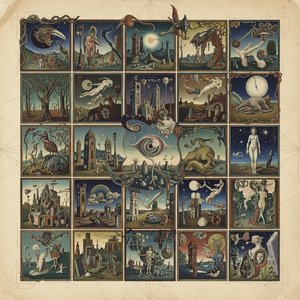
Autorportrét v dílně z Paříže

Obraz od De Chirica: Autorportrét v dílně s sochami a ptákem. Symbolický, surrealistický, evokující atmosféru Paříže. Kvalitní reprodukce pro váš interiér.

Giorgio de Chirico (1888-1978) - misterný umělec, zakladatel metafyziky. Jeho díla evokují snové městečka, filozofické myšlenky a ikonické figuríny. Vlivný na surrealismus.

Ručně malovaná olejová reprodukce

Ručně malovaná olejná barva na plátně ve vašem zvoleném rozměru i s rámem, vyrobená našimi umělci na zakázku.

P118B $10
P118H $10
P118W $10
P438Z $10
P508JH $12
P508YH $12
P805H $10
P805Z $10
P919BZ $10
P919G $10
P919XJ $10
P959ZH $10
P968JZ $12
W106C $8
W218G $10
W218JH $8
W218Y $10
W307PJ $10
W316G $10
W316PJ $8
W316Y $10
W398PJ $8
W4111J $10
W500HY $15
W500JH $15
W692G $12
W849H $8
W940BG $15
W953PJ $8

Standard
custom
CM
INCH

Vyberte si z našich přednastavených velikostí, které odpovídají původním proporcím díla.

šířka
výška

Můžete zadat vlastní rozměry pro konkrétní rám nebo prostor. Pokud se vámi vybraná velikost neshoduje s proporcemi původního obrazu, dílo buď ořízneme, nebo jej doplníme ručně malovanými prvky. Před zahájením výroby vám bude zaslán digitální náhled ke schválení.
Upozorňujeme, že náhled na obrazovce neodpovídá skutečnému ořezu ani rozšíření. Pouze digitální náhled přesně zobrazí finální kompozici.
Ačkoliv je možné zvolit vlastní velikost, pro zachování původních proporcí doporučujeme vybrat rozměr z předdefinovaného seznamu.

Příklady možných změn: Nahrazení obličeje vlastní fotografií; Přidání domácího mazlíčka (např. nahrazení kočky psem); Vložení skrytého vzkazu do pozadí; Změna krajiny nebo prvků v pozadí.
Po přijetí objednávky vám tým TopImpressionists.com zašle e-mail s pokyny a poskytne náhledovou verzi.

Celosvětová doprava () za 3–4 týdny namísto standardních 5 týdnů. (17 červenec). Bez kompromisů v kvalitě.

why_choose_icon
Zdarma celosvětová expresní doprava
why_choose_icon
Vysoce kvalitní lněné plátno
why_choose_icon
Kompletní přepravní pojištění
why_choose_icon
Záruka vrácení celního poplatku
why_choose_icon
Záruka přesného barevného shodu
why_choose_icon
60denní lhůta pro vrácení zboží (pouze při vadách výroby)
why_choose_icon
100% garance vrácení peněz
why_choose_icon
Sleva při hromadné objednávce

Celková cena

-

reproduction

Autorportrét v dílně z Paříže

Technika reprodukce

Rozměry reprodukce

-

Celková cena za výběr

-

Základní informace

  • Notable elements or techniques: Man with brush, statues
  • Title: Self-portrait in a studio from Paris
  • Medium: Oil on canvas
  • Artist: Giorgio de Chirico
  • Influences:
    • Nietzsche
    • Schopenhauer
  • Subject or theme: Studio scene, alienation

Kvíz o umění

U každé otázky je pouze jedna správná odpověď.

Otázka 1:
What is the primary subject depicted in Giorgio de Chirico’s ‘Self-portrait in a studio from Paris’?
Otázka 2:
Which artistic movement is most closely associated with Giorgio de Chirico’s style, as evidenced by this painting?
Otázka 3:
What detail in the image contributes to a sense of unease or mystery?
Otázka 4:
Giorgio de Chirico painted this work during his time in which city?
Otázka 5:
The composition of ‘Self-portrait in a studio from Paris’ draws inspiration from what historical period?

Popis díla

Giorgio de Chirico’s “Self-Portrait in a Studio from Paris”: A Dreamscape of Isolation

Giorgio de Chirico’s “Self-Portrait in a Studio from Paris” is not merely a depiction of an artist at work; it's a meticulously constructed psychological landscape, a window into the mind grappling with alienation and the unsettling beauty of memory. Painted during his Parisian sojourn between 1911 and 1915, this artwork embodies the core tenets of de Chirico’s “metaphysical art,” a movement he pioneered that sought to capture the irrationality and dreamlike quality of experience rather than simply representing reality. The painting immediately draws the viewer in with its unsettling stillness – a stark contrast to the vibrant, often chaotic, world of early 20th-century artistic expression. It’s a scene frozen in contemplation, radiating an atmosphere of profound solitude.

The composition itself is deceptively simple yet profoundly layered. De Chirico stands before a partially completed canvas, his brush poised as if suspended mid-stroke, suggesting an interrupted thought or a moment of intense concentration. The statue of the head, positioned prominently to his left, isn’t just a decorative element; it acts as a silent observer, a symbol perhaps of artistic judgment or the relentless scrutiny of self-awareness. The surrounding statues – fragments of classical forms scattered throughout the studio – contribute to this sense of fragmented memory and the decay of established order. They evoke echoes of antiquity, hinting at a longing for a lost past, a time when art was perceived as possessing a more direct connection to the divine.

A Palette of Disquiet: De Chirico’s Unique Technique

De Chirico's distinctive style is immediately recognizable through his use of color and technique. He employs a muted palette dominated by ochres, browns, and greys – colors that evoke a sense of dryness, stillness, and even melancholy. These earthy tones are punctuated by sharp, almost jarring accents of red and blue, creating visual tension and reinforcing the painting’s underlying feeling of unease. The brushstrokes themselves are deliberate and controlled, meticulously applied to build up layers of paint that create a subtly textured surface. Notably, he often employed a technique called “pointillé,” using small, distinct dots of color to achieve an effect of shimmering light and shadow – a method that lends the painting a dreamlike quality, as if it were glimpsed through a hazy memory.

The lighting is particularly significant. It’s not naturalistic; instead, it seems to emanate from an unseen source, casting long shadows and highlighting certain areas of the composition while leaving others shrouded in darkness. This manipulation of light contributes significantly to the painting's overall atmosphere of mystery and introspection. The artist’s profile view, reminiscent of ancient Roman coins or medals, adds another layer of symbolic weight, connecting the present moment with a distant, idealized past.

Philosophical Echoes: De Chirico’s Influences

To fully appreciate “Self-Portrait in a Studio,” it's crucial to understand the intellectual currents that shaped de Chirico’s artistic vision. He was deeply influenced by the philosophical ideas of Friedrich Nietzsche, Arthur Schopenhauer, and Otto Weininger – thinkers who explored themes of existentialism, irrationality, and the subjective nature of reality. Nietzsche’s concept of the “eternal recurrence” – the idea that life is endlessly repeating itself – resonates powerfully in this painting, suggesting a sense of cyclical time and the inevitability of repetition. Schopenhauer's pessimism and his focus on the will as a source of suffering are also evident in the painting’s somber mood.

Furthermore, de Chirico was captivated by the works of Arnold Böcklin and Max Klinger, artists who had previously explored themes of symbolism and dreamlike imagery. Böcklin's haunting landscapes and Klinger's melancholic prints provided a visual vocabulary for de Chirico’s own explorations of the subconscious mind. The inclusion of the bird perched atop the statue head is particularly evocative, hinting at freedom, aspiration, or perhaps even a fleeting moment of joy amidst an otherwise oppressive atmosphere.

A Portrait of Inner Turmoil: Emotional Resonance

Ultimately, “Self-Portrait in a Studio from Paris” is a deeply personal and profoundly moving work. It’s not simply a representation of an artist at his easel; it's a visual expression of de Chirico’s own anxieties, uncertainties, and sense of isolation. The painting captures the feeling of being trapped within one’s own mind, struggling to reconcile the ideals of the past with the realities of the present. The stillness, the muted colors, and the unsettling juxtaposition of figures create a powerful emotional impact, inviting viewers to contemplate their own experiences of loneliness, memory, and the search for meaning in a world that often feels both beautiful and profoundly strange.

This artwork offers a unique opportunity to acquire a genuine reproduction of this iconic piece. TopImpressionists specializes in high-quality hand-painted reproductions, meticulously crafted by skilled artists who understand de Chirico’s style and the nuances of his vision. Contact us today to discuss your options and bring this captivating dreamscape into your home or office.


Biografie umělce

Giorgio de Chirico: Vize einer surrealistischen Seele

Giorgio de Chirico, geboren 1988 in Volos, Griechenland, als Sohn italienischer Eltern – einer Genuesischen Baronin und eines sizilianischen Barons – begann seine künstlerische Reise mit einer einzigartigen Mischung aus klassischem Erbe und einem wachsenden Gefühl der modernen Entfremdung. Seine frühe Ausbildung an der Theatralisch-Mathematischen Schule in Athen legte eine solide Grundlage in traditionellen Techniken, doch erst seine Studien in München entfachten seinen kreativen Geist. Dort, inmitten des intellektuellen Aufbruchs Europas vor dem Ersten Weltkrieg, begegnete er Werken von Arnold Böcklin und Max Klinger – Künstlern, deren symbolische Landschaften und geisterhafte Bilder sein eigenes künstlerisches Konzept tiefgreifend prägten. Ebenfalls entscheidend für seine Entwicklung waren die philosophischen Strömungen der Zeit – die Schriften von Friedrich Nietzsche, Arthur Schopenhauer und Otto Weininger, die Themen wie Existenzialismus, die Irrationalität menschlicher Begierden und die subjektive Natur der Realität erforschten. Diese Ideen wurden zu den Eckpfeilern seiner bahnbrechenden künstlerischen Vision.

Die Geburt der Metaphyschen

Um 1909 begann sich aus seinen Erkundungen ein einzigartiger Stil herauszudecken – ein Stil, den er selbst “Metaphysische” Kunst nannte. Dies war nicht nur eine stilistische Innovation; es war ein tiefgreifender Versuch, die verborgenen Realitäten unter der Oberfläche des Alltags aufzudecken, die verstörende Poesie in vertrauten Räumen zu enthüllen. Ein entscheidendes Ereignis ereignete sich während eines Besuchs in Florenz und einer Erfahrung im Piazza Santa Croce – ein Moment, der seine ikonische Serie “Metaphysischer Stadtplatz” inspirierte. Diese Gemälde zeichnen sich durch ihre unheimliche Stille, lange dramatische Schatten, willkürliche Perspektiven und die Präsenz klassischer Architektur, kontrastierend mit verstörenden Elementen wie leeren Mannequins und bedrohlichen Statuen aus. Das Ergebnis ist tief beunruhigend und erzeugt ein Gefühl von Nostalgie, Isolation und einer fast unerträglichen Sehnsucht nach etwas Verlorenem oder Unattainablem. De Chirico gründete die *Scuola Metafisica*, die einen tiefgreifenden Einfluss auf Surrealismus hatte, obwohl er sich später von dessen Interpretationen seiner Arbeit distanzierte. Seine Gemälde waren nicht dazu gedacht, Träume darzustellen, sondern vielmehr eine Realität jenseits der sichtbaren Welt zu zeigen – ein Reich, in dem Zeit und Raum fließen und die Grenzen zwischen Bewusstsein und Unterbewusstsein verschwimmen. Werke wie *Die Qualen des Denkers*, *Das Rätsel eines Herbstnachmittags* und *Das Lied der Liebe* veranschaulichen diese beunruhigende Ästhetik und laden den Betrachter ein, über die Geheimnisse der Existenz und die Zerbrechlichkeit menschlicher Wahrnehmung nachzudenken.

Einflüsse und künstlerische Entwicklung

De Chiricos frühe Arbeiten zeigten deutliche Einflüsse von Böcklin und Klinger, insbesondere in Bezug auf die Verwendung von Symbolik und die Darstellung von melancholischen Landschaften. Die Begegnungen mit den philosophischen Ideen Nietzsches, Schopenhauers und Weiningers prägten seine Sichtweise der Welt und führten zu einer Auseinandersetzung mit Themen wie Isolation, Entfremdung und dem Streben nach Sinn in einer scheinbar sinnlosen Existenz. Die Erfahrung im Piazza Santa Croce in Florenz war ein entscheidender Moment, der ihn dazu brachte, die traditionelle Malerei zu hinterfragen und eine neue Art des Sehens zu entwickeln – eine, die sich auf die Darstellung von Realitäten konzentrierte, die jenseits der sichtbaren Welt lagen. Nach dem Ersten Weltkrieg begann De Chirico, seine frühere Metaphysische Kunst zu verlassen und stattdessen einen traditionelleren neoklassischen oder neobarocken Stil zu verfolgen. Diese Entscheidung stieß auf heftige Kritik, da viele Kritiker beklagten, dass er seinen innovativen Geist aufgegeben habe. Dennoch blieb De Chirico seiner künstlerischen Vision treu und erkundete weiterhin verschiedene Stile und Themen, während er sich stets für Handwerkskunst und technische Meisterschaft einsetzte.

Ein Vermächtnis der Mystik

Trotz der Kritik hatte De Chiricos Werk einen nachhaltigen Einfluss auf nachfolgende Generationen von Künstlern. Seine innovative Verwendung von Raum, Perspektive und Symbolik stellte traditionelle künstlerische Normen in Frage und ebnete den Weg für neue Formen des Ausdrucks. Sein Werk ist ein entscheidender Übergang zwischen dem Symbolismus der späten 19. Jahrhunderts und dem Aufstieg des Surrealismus im frühen 20. Jahrhundert. Er wurde direkt von Künstlern wie René Magritte und Salvador Dalí beeinflusst, die seine metaphysischen Gemälde als Inspiration für ihre eigenen traumhaften Welten nutzten. Sein Werk hatte auch Einfluss auf spätere Bewegungen wie den Magic Realism, der die Darstellung alltäglicher Realität mit einem erhöhten Gefühl von Mysterium und psychologischer Tiefe suchte. Heute werden De Chiricos Gemälde in bedeutenden Museen auf der ganzen Welt ausgestellt, darunter das Museum, das seinem Werk gewidmet ist, in der Nähe der Spanischen Treppe in Rom, wodurch sein Vermächtnis als eine der wichtigsten Figuren der Kunst des 20. Jahrhunderts gesichert bleibt. Er hinterließ nicht nur ein Werk von Kunst, sondern auch eine neue Art zu sehen – eine Art, die Welt als einen Ort verborgener Bedeutungen, verstörender Schönheit und bleibender Mystik wahrnimmt.

Schlüssel-Einflüsse & künstlerische Linie

  • Beeinflusst von: Arnold Böcklin, Max Klinger, Friedrich Nietzsche, Arthur Schopenhauer
  • Beeinflusst: Surrealismus, insbesondere Künstler wie René Magritte und Salvador Dalí. Sein Werk hatte auch Einfluss auf spätere Bewegungen wie Magic Realism.
Giorgio de Chirico

Giorgio de Chirico

1888 - 1978 , Řecko

Rychlé fakta

  • Artistic Movement Or Style: Metafyzické umění
  • Artists Or Movements Influenced By This Artist: ['Surrealismus']
  • Artists Who Influenced This Artist:
    • Böcklin
    • Klinger
  • Date Of Birth: 10. července 1888
  • Date Of Death: 20. listopadu 1978
  • Full Name: Giorgio de Chirico
  • Nationality: Italský
  • Notable Artworks:
    • Enigma podzimu
    • Zmatení myslitele
  • Place Of Birth: Volos, Řekosko
Prozkoumejte umělecká díla uspořádaná podle témat, stylů a charakteristik.
© TopImpressionists.com — Všechna práva vyhrazena  ·  100% Ručně malováno · Spokojenost zaručena · Doprava po celém světě zdarma
VISA MASTERCARD