Zobrazit v interiéru
 Odeslat
 Sdílet
 Podrobnosti
 Průvodce

 Stáhnout obrázek
 Podobné kousky
 Rentgenové snímky
 Slideshow
 Statistiky
Tempest_2

Giorgione
A Venetian Enigma: The Life and Legacy of Giorgione
Giorgio Barbarelli da Castelfranco, known to the world as Giorgione, remains one of the most elusive and captivating figures in Renaissance art. Born in the small town of Castelfranco Veneto near Venice around 1477 or 1478 – the exact year is debated – his tragically short life, ending around 1510 at the age of thirty-two or thirty-thr
 Přečíst si více
Krásná Madona z Castelfranka od Giorgione – mistrovské dílo renesance s unikátní kompozicí a harmonickou barvou. Objevte její kouzlo a inspiraci!
Giclée / Umělecký tisk
Giclée nebo plátěný tisk muzeální kvality s rychlou výrobou a širokou nabídkou povrchových úprav. ( Objednat ručně malovanou reprodukci Přepnout na digitální verzi obrazu)




P118B $10

P118H $10

P118W $10

P438Z $10

P508JH $12

P508YH $12

P805H $10

P805Z $10

P919BZ $10

P919G $10

P919XJ $10

P959ZH $10

P968JZ $12

W106C $8

W218G $10

W218JH $8

W218Y $10

W307PJ $10

W316G $10

W316PJ $8

W316Y $10

W398PJ $8

W4111J $10

W500HY $15

W500JH $15

W692G $12

W849H $8

W940BG $15

W953PJ $8




Standardní velikost
na zakázku
CM
INCH
Vyberte si z našich přednastavených velikostí, které odpovídají původním proporcím díla.
Loading sizes...

šířka
výška
Můžete zadat vlastní rozměry tak, aby výtvor odpovídal konkrétnímu rámu nebo prostoru. Pokud zvolená velikost nebude odpovídat poměru stran původního obrazu, dílo buď ořížeme, nebo obraz rozšíříme pomocí zrcadlového efektu či jednobarevného okraje. Před zahájením výroby vám bude zaslán digitální náhled k schválení.
Mějte prosím na paměti, že náhled na obrazovce neodráží skutečné oříznutí nebo rozšíření. Pouze digitální náhled přesně zobrazí finální kompozici.
Ačkoliv jsou k dispozici i vlastní rozměry, pro zachování původních proporcí doporučujeme vybrat si rozměr z předdefinovaného seznamu.
Celosvětové doručení () do 2 týdnů namísto standardních 4/5 týdnů. (26 září)

Zdarma celosvětová expresní doprava

Vysoce kvalitní lněné plátno

Úplné pojištění přepravy

Záruka vrácení celního poplatku

Záruka věrného barevného shodu

100dení lhůta pro vrácení zboží (pouze při vadách výroby)

100% garance vrácení peněz

Sleva při více objednávkách
 Skleněná varianta je dostupná pouze u rozměrů menších než 110 cm

Tempest_2
Giclée / Umělecký tisk
Velikost reprodukce
-


Celková cena
$ 69
A Portrait of Tranquility Amidst the Venetian Landscape
Giorgione’s “Tempest_2,” painted circa 1506-1508, stands as a testament to Venice’s enduring fascination with beauty and contemplation. More than just a depiction of a woman cradling her child by a riverbank – though that serene tableau is undeniably compelling – the painting embodies a profound artistic achievement rooted in Venetian Mannerism.
- Style: Mannerist – Rejecting the idealized forms prevalent in High Renaissance art, Giorgione embraced ambiguity and psychological complexity. Figures are rendered with subtle distortions and muted colors, prioritizing emotional resonance over precise realism.
- Technique: Giorgione employed a masterful glazing technique, layering thin washes of pigment upon thicker underpaintings to achieve luminous effects and atmospheric depth. This method is particularly evident in the depiction of the river’s surface and the distant trees, creating an illusionistic space that transcends mere representation.
- Historical Context: Venice at the turn of the sixteenth century was a crucible of artistic innovation, fueled by wealth, patronage, and intellectual curiosity. Giorgione's work reflects this spirit of experimentation, aligning him with artists like Bellini and Titian who pushed the boundaries of Venetian painting.
Symbolism: Echoes of Myth and Emotion
The composition itself is laden with symbolic significance. The woman’s posture exudes calm confidence, mirroring classical ideals of feminine virtue. Her child represents innocence and vulnerability – a motif frequently explored in Renaissance art to convey spiritual purity. The river symbolizes life's flow and the passage of time, while the bridge serves as a visual link between heaven and earth.
Furthermore, scholars have debated whether the woman’s gaze is directed inward—reflecting contemplation—or outward—acknowledging an unseen presence. This ambiguity contributes to the painting’s enigmatic character and invites viewers to engage in a dialogue with its emotional core.
Emotional Impact: A Moment Frozen in Time
"Tempest_2" transcends mere visual pleasure; it evokes a feeling of profound stillness and melancholic beauty. Giorgione's subtle palette—dominated by earthy tones punctuated by flashes of crimson—captures the fading light of dusk, conveying a sense of wistful nostalgia for vanished moments.
The painting’s enduring appeal lies in its ability to tap into universal themes of motherhood, spirituality, and the contemplation of nature. It remains an exemplar of Venetian Mannerism's expressive power—a reminder that art can communicate emotion far beyond the literal depiction of subject matter.
Biografie umělce
Benečianská enigma: Život a odkaz Giorgiona
Giorgio Barbarelli da Castelfranco, světu známý jako Giorgione, zůstává jednou z nejzáhadnějších a nejpoutavějších postav renesančního umění. Narodil se v malém městečku Castelfranco Veneto poblíž Benátek kolem roku 1477 nebo 1478 – přesný rok je předmětem debat – a jeho tragicky krátký život, který skončil kolem roku 1510 ve věku třiceti dvou či třiceti tří let, je v přímém rozporu s uměleckým dopadem, který rezonuje i staletí později. Na rozdíl od mnoha jeho současníků, jejichž životy jsou dobře zdokumentovány, je Giorgiona příběh zahalen tajemstvím, sestavený z neúprosných historických záznamů a často romantizovaných vyprávění Giorgio Vasariho. To, co víme, naznačuje muže hluboce ponořeného do živé kultury Benátek, města, které podporovalo jak umělecké inovace, tak smyslnou vychutnávku krásy. Pravděpodobně se učil u Giovanese Belliniho, předního benátského malíře, a vstřebával zavedené tradice, než si vybudoval svou vlastní jedinečnou cestu. Mezi jeho rané zakázky patřily portréty významných postav, jako byl doge Agostino Barbarigo, což dokazuje okamžitý talent pro zachycení podobnosti i společenského postavení. Skutečně se však odlišil právě svým odklonem od konvenčních témat a revolučním přístupem k malování.Poetické vize: Styl a inovace
Giorgionův umělecký styl představoval významný zlom oproti tehdejšímu florentinskému důrazu na lineární perspektivu a precizní kresbu. Stal se zastáncem barvy, atmosféry a evokativní náladovosti, která se stala nedotknutelným znakem benátské školy. Jeho technika zahrnovala zjemňování obrysů, využívání jemných přechodů tónů – *sfumato* – k vytváření atmosférických efektů a upřednostňování celkové harmonie před precizním detailem. Tento přístup nebyl pouze technickou volbou; odrážel fundamentálně odlišnou uměleckou citlivost. Giorgione neusiloval o pouhé napodobení reality, ale o zachycení její podstaty, jejích prchavých emocí a poetického rezonance. Jeho obrazy často obsahují záhadná témata a nejednoznačné příběhy, které diváky zvou do světa kontemplace namísto nabízení jasně definovaných dějů. Bouře, možná jeho nejslavnější dílo, to dokonale ilustruje. Scéna – voják a kojící matka uprostřed bouřlivé krajiny – trápí historiky umění již celá staletí, přičemž její význam zůstále lákavě nedosažitelný. Podobně Pastýřský koncert (Fête champêtre) představuje idylické shromáždění hudebníků v pastýřském prostředí, oslavované nikoliv pro konkrétní příběh, ale pro svou harmonickou kompozici a lyrickou kvalitu. Tato díla neměla být hádankami k vyřešení; měla vyvolávat pocity, nálady a pocit úžasu.Mistrovská díla a trvalý vliv
Ačkoliv byl jeho tvorba omezená jeho předčasnou smrtí, Giorgione po sobě zanechal malé, ale hluboce vlivné dílo. Spící Venuše, pravděpodobně dokončená s pomocí Tiziana po Giorgionově odchodu ze světa, je ikonickým zobrazením bohyně, které vykazuje jeho mistrovství v barvě a formě. Lenivá póza a měkké tóny pleti ztělesňují benátskou vášeň pro smyslnost a krásu. Mezi další významná díla patří Judith, raný příklad jeho rozvíjejícího se stylu, a portréty, které odhalují bystrou schopnost zachytit charakter a podstatu svých subjektů. Giorgionův vliv se rozšířil daleko za hranice jeho vlastních obrazů. Byl mentorem pro Tiziana, který se stal jedním z nejslavnějších umělců vysoké renesance a nesl dále Giorgionovy inovace v oblasti barvy a atmosférického malování. Důraz na barvu a atmosféru zásadně ovlivnil vývoj benátského malířství, odlišil jej od florentinské tradice a ugruntoval Benátky jako hlavní centrum uměleckých novinek.Trvalý odkaz: Historický význam Giorgiona
Navzdory své krátké kariéře zaujímá Giorgione klíčové místo v dějinách umění. Propojil mezeru mezi ranými benátskými tradicemi a inovacemi Tiziana a dalších pozdějších mistrů, čímž zásadně změnil směr italského malířství. Jeho důraz na poetickou náladu, atmosférické efekty a nejednoznačné vyprávění otevřel cestu novým uměleckým průzkumům a inspiroval generace umělců. Samotné tajemství obklopující jeho život a dílo přispělo k jeho trvající mystice a půvabnosti. Zůstává symbolem umělecké svobody, inovace a síly naznačování – malířem, který se odvážil upřednostnit pocit před formou, atmosféru před přesností a poezii před příběhem.Klíčová díla Giorgiona
- Bouře (cca 1506–1508)
- Pastýřský koncert (Fête champêtre) (cca 1509)
- Spící Venuše (cca 1510)
- Judith (1504)
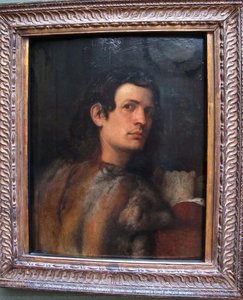
- Portrét benátského gentlemana

Giorgione
1477 - 1510 , Itálie
Rychlé informace
- Artistic Movement Or Style: Výšší Renesance, Benetská škola
- Artists Who Influenced This Artist:
- Giovanni Bellini
- Mantegna
- Date Of Birth: c.1477/78
- Date Of Death: podzim 1510
- Full Name: Giorgio Barbarelli da Castelfranco
- Nationality: Italský
- Notable Artworks:
- Tempest
- Pastoral Concert
- Spící Venus
- Place Of Birth: Castelfranco Veneto, Itálie
Související články

Golden Light & Rich Color: The Timeless Magic of Venetian Renaissance Art
Explore the luminous beauty of Venetian Renaissance art. Discover how masters like Titian used colorito and golden light to redefine painting through texture, emotion, and atmospheric brilliance in a masterclass of historical artistry.
Prozkoumejte umělecká díla uspořádaná podle témat, stylů a charakteristik.