


 Náhled v interiéru
 Sdílet
 Sdílet
 Podrobnosti o díle
 Průvodce

 Stáhnout
 Podobné položky
 Rentgenové snímky
 Slideshow
 Q&A
Q&A Statistiky
tree-lined beach

Discover Giovanni Fattori’s ‘tree-lined beach,’ a captivating Impressionistic landscape showcasing light & nature. Explore this serene coastal scene – a beautiful example of Italian art.
Giovanni Fattori byl klíčový představitel Macchiaioli, známý svými živoucími výtvarnými obrazy italských krajin a životních scén s výraznými skvrnami a technikou *plein air*, která předznamenává impresionismus.
 Zobrazit více
Ručně malovaná olejová reprodukce
Rukou malované olejné plátno v libovolném rozměru i s rámem, vyrobené našimi umělci na zakázku. ( Přepnout na tisk Přepnout na digitální obraz)




































Standardní velikost
na zakázku
CM
INCH
Vyberte si z našich přednastavených velikostí, které odpovídají původním proporcím díla.
Loading sizes...

šířka
výška
Zadejte šířku a výšku, které potřebujete pro váš rám nebo stěnu. Protože se jedná o ruční malbu, při výběru jiného formátu může umělec kolem obrazu domalovat o něco více, nebo jej mírně oříznout — rozhodnete si vy. Před zahájením malby vám zašleme digitální náhled ke schválení. Obraz zobrazený na této stránce neodpovídá skutečnému výsledku — pouze digitální náhled jej zobrazuje.
Příklady možných změn: nahrazení obličeje fotografií zákazníka; přidání domácího mazlíčka (např. nahrazení kočky psem); vložení skrytého vzkazu do pozadí; změna krajiny nebo prvků v pozadí.
Po přijetí objednávky vám tým TopImpressionists.com zašle e-mail s pokyny a poskytne náhledovou verzi.
Po přijetí objednávky vám tým TopImpressionists.com zašle e-mail s pokyny a poskytne náhledovou verzi.
Celosvětová doprava () za 3–4 týdny namísto standardních 5 týdnů. (28 říjen). Bez kompromisů v kvalitě.

Zdarma celosvětová expresní doprava

Vysoce kvalitní lněné plátno

Kompletní pojištění přepravy

Záruka vrácení celního poplatku

Záruka věrného barevného souladu

100dení lhůta pro vrácení zboží (pouze při vadách výroby)

100% záruka vrácení peněz

Sleva při více objednávkách
 Skleněná varianta je dostupná pouze u rozměrů menších než 110 cm

tree-lined beach
Technika reprodukce
Rozměry reprodukce
-


Celková cena za vybrané možnosti reprodukcí
Kč 5792
Podobná díla


Biografie umělce
A Life Immersed in Light and Landscape
Giovanni Fattori, a name inextricably linked to the Macchiaioli movement and a significant precursor to Impressionism, emerged from the vibrant artistic landscape of 19th-century Italy. Born in Livorno in 1825, his journey from aspiring commerce student to celebrated painter is a testament to the compelling power of an artist’s calling. Initially guided towards a practical profession by familial expectations, Fattori’s innate talent for drawing quickly asserted itself, leading him down a path far removed from the expected. His early life was marked by a modest upbringing and a rudimentary education, but it was his exceptional skill with a pencil that ultimately steered him toward art. This burgeoning talent led to an apprenticeship with Giuseppe Baldini in 1845 – a pivotal step that formally launched his artistic training. This apprenticeship laid the foundation for his future development, introducing him to the fundamentals of painting and establishing a crucial connection within the local artistic community.The Birth of the Macchiaioli
The 1850s proved to be a transformative period in Fattori’s artistic evolution. Florence became a crucible of innovation as he frequented the Caffè Michelangelo, a bustling hub where artists challenged established academic conventions and experimented with groundbreaking approaches to art. It was within this vibrant atmosphere that he encountered like-minded creatives – Telemaco Signorini, Adrian Cecioni, and Vincenzo Cabianco – forging the core of what would become known as the Macchiaioli. The name itself—derived from the Italian word “macchia,” meaning spot or patch—reflected a fundamental shift in artistic philosophy. More than just a stylistic label, it represented a radical departure from traditional painting techniques. Inspired by the Barbizon School painters and particularly Giovanni Costa, Fattori embraced *plein-air* painting – working directly outdoors to capture the fleeting effects of light and atmosphere – and focused on depicting scenes with an emphasis on visual impressions rather than meticulous detail. This approach was revolutionary for its time, prioritizing direct observation and spontaneous brushwork over idealized representations. His groundbreaking work, Dopo la Battaglia di Magenta (After the Battle of Magenta), completed in 1860-61, stands as a landmark achievement—a pioneering depiction of contemporary history that broke from traditional heroic portrayals of warfare and offered a starkly realistic portrayal of its aftermath. The painting’s raw emotional power and unconventional composition signaled a new direction for Italian art.Maturity and Tuscan Visions
Fattori's mature style was characterized by a masterful synthesis of *plein-air* observation with carefully considered studio composition. He didn’t abandon structure in favor of pure impressionism; instead, he skillfully blended the immediacy of outdoor painting with the deliberate arrangement of forms learned through academic training. Recurring themes emerged throughout his career: landscapes imbued with the golden light of Tuscany, poignant portraits – notably those of his sister-in-law Argia– and evocative scenes of military life that reflected his earlier experiences during the Risorgimento. After 1880, Fattori found himself increasingly drawn to the Maremma region, a wild and untamed landscape south of Florence. This area became a source of endless inspiration, profoundly influencing his later works with its unique atmosphere, rugged beauty, and the lives of those who inhabited it. He also dedicated considerable energy to etching after 1884, demonstrating his versatility as an artist and exploring new avenues for expressing his artistic vision. The Maremma, with its vast plains and dramatic skies, provided Fattori with a canvas upon which he could explore the relationship between humanity and nature, often depicting solitary figures dwarfed by the immensity of the landscape.Historical Context and Influences
Fattori’s artistic development was deeply intertwined with the political and social upheavals of his time. His early years were marked by involvement in the Risorgimento – Italy's struggle for unification – a period of intense patriotic fervor and revolutionary activity. Witnessing firsthand the passion and turmoil of this movement profoundly shaped his artistic perspective, imbuing his work with a sense of national pride and a keen awareness of contemporary life. He was influenced by the writings of Ugo Foscolo, Francesco Domenico Guerrazzi, and Walter Scott, whose historical novels fueled his imagination and provided him with inspiration for depicting scenes of heroism, sacrifice, and social change. The Barbizon School painters, particularly Giovanni Costa, served as another significant influence, encouraging him to embrace *plein-air* painting and focus on capturing the natural world with honesty and immediacy. Giuseppe Bezzuoli, his early mentor in Florence, instilled in him a solid foundation in traditional academic techniques, which he later skillfully integrated into his own innovative style.A Lasting Legacy: Shaping Italian Identity
Giovanni Fattori’s significance extends far beyond his technical innovations. As a leading figure of the Macchiaioli movement, he played a crucial role in establishing a distinctly Italian approach to modern painting, one that diverged from prevailing academic traditions and embraced a more direct engagement with the natural world. His emphasis on *plein-air* painting and capturing fleeting moments of light foreshadowed the developments of Impressionism, demonstrating his forward-thinking artistic sensibility. Perhaps most importantly, Fattori’s depictions of Italian life—particularly during the Risorgimento—helped to forge a sense of national identity through art. He captured not just the landscapes of Italy but also the spirit and struggles of its people, creating images that resonated deeply with a nation striving for unity and self-determination. His paintings became visual embodiments of Italian patriotism, celebrating the resilience and dignity of ordinary citizens. Today, his works are proudly displayed in prestigious museums such as the Museo Civico Giovanni Fattori in Livorno and the Galleria d'Arte Moderna del Civico Museo Revoltella in Trieste, ensuring that his legacy continues to inspire generations of artists and art enthusiasts alike. He remains a pivotal figure in Italian art history, a master of light, landscape, and the human spirit.- Key Influences: Barbizon School painters, Giovanni Costa, Giuseppe Bezzuoli.
- Major Themes: Tuscan landscapes, military life, portraits, scenes of contemporary Italy.
- Artistic Style: Macchiaioli, *plein-air* painting, bold brushstrokes, emphasis on light and shadow.

Giovanni Fattori
1825 - 1908 , Itálie
Rychlé informace o umělci
- Artistic Movement Or Style: Macchiaioli, plein air
- Artists Or Movements Influenced By This Artist: ['Impressionismus']
- Artists Who Influenced This Artist:
- Giovanni Costa
- Barbizon
- Date Of Birth: 6. září 1825
- Date Of Death: 30. srpna 1908
- Full Name: Giovanni Fattori
- Nationality: Italanský
- Notable Artworks:
- Po bitvě u Magenta
- Červené vozy
- Romanští vojáci
- Place Of Birth: Livorno, Itálie
Související články
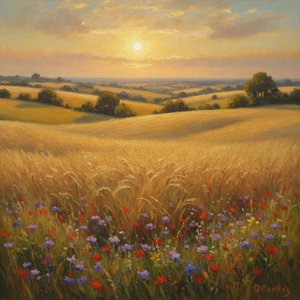
Golden Fields & Sun-Drenched Meadows: Capturing the Soul of Impressionist Landscapes
Immerse yourself in the luminous world of Impressionist landscapes. Discover how masters like Monet and Gauguin captured ephemeral light through plein air painting, and learn to bring the soul of sun-drenched meadows into your home with exquisite, hand-painted oil reproductions.

Capturing the Soul: The Most Emotionally Moving Impressionist and Post-Impressionist Masterpieces
Discover the profound emotional depth of Impressionist and Post-Impressionist masterpieces. Explore how legends like Monet, Van Gogh, and Gauguin captured light and soul through evocative landscapes and vibrant brushwork for a timeless connection to art history.
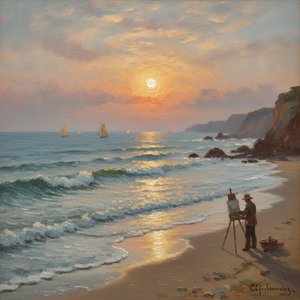
Whispers of the Waves: Discovering the Luminous Beauty and Timeless Light of Impressionist Coastal Art
Experience the breathtaking luminosity of Impressionist coastal art. From Monet’s shores to Sorolla’s sun-drenched waves, discover our exquisite hand-painted oil reproductions and bespoke commissions. Bring the timeless beauty of maritime masters into your home with TopImpressionists.com.

Beyond the Light: Capturing Raw Emotion and Subjective Vision in Post-Impressionist Landscapes
Explore the profound emotional depth of Post-Impressionist landscapes. Discover how masters like Van Gogh moved beyond light to capture raw human feeling through vibrant color and expressive texture in this expert art history retrospective.

The Beauty of Impermanence: Capturing Decay through Impressionist Eyes
Explore the profound beauty of impermanence through Impressionist and Post-Impressionist eyes. Discover how masters like Monet and Van Gogh captured fleeting light and the poetic essence of nature's transitions in our deep dive into art history and emotional landscapes.