


 Zobrazit v interiéru
 Odeslat
 Sdílet
 Podrobnosti
 Průvodce

 Stáhnout obrázek
 Podobné kousky
 Rentgenové snímky
 Slideshow
 Statistiky
A messa prima


A moonlit night of mystery unfolds in Giovanni Segantini's post-impressionist masterpiece A messa prima where a woman watches a figure depart, inviting you to explore this ethereal moment through a fine oil reproduction.
 Přečíst si více
Giovanni Segantini (1858-1899): Italský malíř proslulý nádhernými alpskými krajinami a symbolistickými obrazy. Jeho díla zachycují krásu hor a lidského života s hlubokým duchovním podtextem.
Giclée / Umělecký tisk
Giclée nebo plátěný tisk muzeální kvality s rychlou výrobou a širokou nabídkou povrchových úprav. ( Objednat ručně malovanou reprodukci Přepnout na digitální verzi obrazu)




P118B $10

P118H $10

P118W $10

P438Z $10

P508JH $12

P508YH $12

P805H $10

P805Z $10

P919BZ $10

P919G $10

P919XJ $10

P959ZH $10

P968JZ $12

W106C $8

W218G $10

W218JH $8

W218Y $10

W307PJ $10

W316G $10

W316PJ $8

W316Y $10

W398PJ $8

W4111J $10

W500HY $15

W500JH $15

W692G $12

W849H $8

W940BG $15

W953PJ $8




Standardní velikost
na zakázku
CM
INCH
Vyberte si z našich přednastavených velikostí, které odpovídají původním proporcím díla.
Loading sizes...

šířka
výška
Můžete zadat vlastní rozměry tak, aby výtvor odpovídal konkrétnímu rámu nebo prostoru. Pokud zvolená velikost nebude odpovídat poměru stran původního obrazu, dílo buď ořížeme, nebo obraz rozšíříme pomocí zrcadlového efektu či jednobarevného okraje. Před zahájením výroby vám bude zaslán digitální náhled k schválení.
Mějte prosím na paměti, že náhled na obrazovce neodráží skutečné oříznutí nebo rozšíření. Pouze digitální náhled přesně zobrazí finální kompozici.
Ačkoliv jsou k dispozici i vlastní rozměry, pro zachování původních proporcí doporučujeme vybrat si rozměr z předdefinovaného seznamu.
Celosvětové doručení () do 2 týdnů namísto standardních 4/5 týdnů. (27 září)

Zdarma celosvětová expresní doprava

Vysoce kvalitní lněné plátno

Úplné pojištění přepravy

Záruka vrácení celního poplatku

Záruka věrného barevného shodu

100dení lhůta pro vrácení zboží (pouze při vadách výroby)

100% garance vrácení peněz

Sleva při více objednávkách
 Skleněná varianta je dostupná pouze u rozměrů menších než 110 cm

A messa prima
Giclée / Umělecký tisk
Velikost reprodukce
-


Celková cena
$ 69
A Nocturnal Encounter in Light and Shadow
In the quiet, silvered depths of Giovanni Segantini’s 1885 masterpiece, A messa prima, we are invited into a world where the boundaries between reality and dream begin to dissolve. This post-impressionist gem captures a profound moment of human connection—or perhaps, more poignantly, a moment of departure. At the heart of the composition stands a woman perched upon a staircase, her silhouette marked by an elegant ponytail, gazing downward with an expression that oscillates between longing and resignation. Below her, a figure retreats into the shadows, walking away into the mysteries of the night. The scene is not merely a depiction of a physical space, but an emotional landscape where every brushstroke serves to heighten the sense of intrigue and quiet melancholy that defines this nocturnal encounter.
The atmosphere of the painting is thick with the ethereal glow of a moonlit sky, a technique that Segantini employs to envelop the viewer in a soft, luminous haze. Through his masterful use of light, the artist transforms a simple architectural setting into a stage for symbolic storytelling. The moonlight does more than illuminate the figures; it acts as a celestial witness to the fleeting nature of human presence. As the light touches the edges of the stairs and the distant, shadowy figures in the background, it creates a sense of depth that pulls the observer deeper into the painting’s mystery. This interplay of light and dark—the chiaroscuro of the post-impressionist era—imbues the work with a spiritual weight, suggesting that even in the darkness, there is a profound beauty to be found in the transient moments of our lives.
The Mastery of Post-Impressionist Technique
Segantini’s approach to A messa prima showcases his unique ability to blend the structural precision of his training with the emotive, atmospheric qualities of Symbolism. The technique used here allows for a dreamy, almost otherworldly quality that is characteristic of his most celebrated works. Rather than focusing on harsh outlines, Segantini utilizes subtle transitions of tone to suggest movement and emotion. This soft-focus effect creates a sense of nostalgia, as if we are viewing a memory rather than a live event. For the discerning collector or interior designer, this painting offers a sophisticated textural depth that can anchor a room, providing a focal point that rewards prolonged contemplation.
Beyond its visual allure, the painting serves as a poignant reflection on the passage of time and the fragility of human bonds. The composition is meticulously balanced to guide the eye from the central woman, down the descending steps, and toward the receding figures in the distance, mirroring the very movement of life itself—a constant progression away from what was once close. To possess a high-quality reproduction of this work is to bring a piece of art history into one's personal sanctuary; it is an invitation to reflect on the beauty of the ephemeral and the enduring power of the human spirit. Whether placed in a contemporary gallery setting or a classic study, A messa prima remains a timeless testament to the evocative power of Segantini’s vision.
Související díla


Biografie umělce
Giovanni Segantini: A Master of Alpine Landscapes and Symbolist Visions
Giovanni Segantini, born in Arco, Trentino, on January 15, 1858, was an Italian painter whose evocative depictions of the Alps and profound symbolic explorations cemented his place as a pivotal figure in late 19th-century art. His life story is one interwoven with hardship, artistic discovery, and a relentless pursuit of capturing both the physical beauty and spiritual essence of the mountainous landscape he called home. Segantini’s journey began amidst poverty; his father, a traveling merchant, left his mother to raise him largely alone after her untimely death. This early experience instilled in him a deep appreciation for resilience and a yearning for stability – qualities that would profoundly shape his artistic vision. Following his mother's passing, young Giovanni found himself adrift, eventually landing in a Milanese reformatory. It was within these walls that a sympathetic chaplain recognized his innate talent for drawing and encouraged its development—a crucial turning point that set him on the path to becoming an artist. He taught himself to read and write later in life, demonstrating remarkable self-discipline and determination. Initially working as a photographer’s assistant, Segantini honed his observational skills and developed a keen eye for detail, which would later inform his distinctive painting style.Early Artistic Training and Influences
Segantini's artistic education began at the Brera Academy in Milan, where he immersed himself in the works of Italian naturalists like Tranquillo Cremona, absorbing their techniques for capturing light and atmosphere. However, it was through the guidance of Vittorio Grubicy de Dragon that Segantini truly embraced a new direction. Grubicy introduced him to the revolutionary Divisionist technique—a method of painting that involved applying small dots or strokes of pure color side-by-side on the canvas, allowing the viewer’s eye to blend them optically and create vibrant, luminous effects. Simultaneously, he was exposed to the works of Anton Mauve and Jean-François Millet, artists who championed realism and depictions of rural life—influences that would shape Segantini's early style. The Scapigliatura movement, with its rejection of academic conventions and embrace of raw emotion, also resonated deeply with his artistic sensibilities.The Engadin Years: Divisionism and Symbolism Converge
In 1886, a pivotal moment arrived when Segantini moved to the Engadin valley in Switzerland—a region that would become inextricably linked to his life and art. The dramatic landscapes of the Engadine, with its towering peaks, expansive valleys, and crystal-clear lakes, captivated him utterly. It was here that he fully embraced Divisionism, developing a unique style characterized by intense color contrasts and shimmering light effects. He also began incorporating Symbolist elements into his work—allegorical figures, evocative symbolism, and explorations of themes like life, death, and spirituality. His paintings during this period, such as “Ave Maria at the Crossing” (1886-1888), are testaments to this masterful fusion of techniques.Key Works and Recurring Themes
Segantini’s oeuvre is rich with iconic works that continue to resonate with viewers today. “The Two Mothers,” a poignant depiction of maternal love and rural life, stands as one of his most celebrated paintings. “Life (La Vita)” captures the essence of Alpine beauty and human connection through its luminous colors and dynamic composition. "Donna alla fonte" – a serene scene of a woman by a fountain in the Alps - exemplifies his ability to convey tranquility and harmony with nature. “Ragazza che fa la calza” is another notable work, showcasing his skill in portraying figures within a natural setting. Later in his career, he created powerful works like “Il castigo delle lussuriose,” exploring themes of morality and the consequences of excess, and "Capriolo morto," a deeply moving meditation on mortality.Legacy and Enduring Significance
Giovanni Segantini died tragically on September 28, 1899, at the age of 41, while working on his ambitious “Alpine Triptych” – a monumental work that embodied his lifelong fascination with the mountains and his exploration of spiritual themes—on the Schafberg mountain above Pontresina. Despite his untimely death, Segantini’s legacy endures. His innovative use of color and light, combined with his profound symbolic explorations, established him as one of the most important painters of Alpine landscapes and a significant figure in Symbolist art. His works are now exhibited in major museums around the world, and his unique vision continues to inspire artists and captivate audiences with its beauty and depth. Segantini remains an artist who successfully captured not only the physical grandeur of the Alps but also their spiritual essence—a testament to his artistic genius and enduring legacy.
Giovanni Segantini
1858 - 1899 , Rakousko-Uhersko
Rychlé informace
- Artistic Movement Or Style: Symbolismus, Divisionismus
- Artists Or Movements Influenced By This Artist: ['Scapigliatura']
- Artists Who Influenced This Artist:
- Anton Mauve
- Jean-François Millet
- Date Of Birth: 15. ledna 1858
- Date Of Death: 28. září 1899
- Full Name: Giovanni Battista Emanuele Maria Segantini
- Nationality: Italouse
- Notable Artworks:
- Chrám sv. Antonía
- Lavandiera
- Život
- Paní u studny
- Dívka šijící ponožky
- Zemřelé zvěřinec
- Pokání luxusu
- Mrcho jelení
- Place Of Birth: Arco, Rakousko-Uhersko
Související články
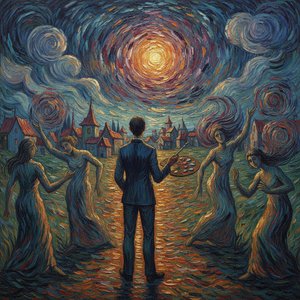
Beyond the Light: Capturing Emotion Through the Expressive Soul of Post-Impressionism
Explore the profound emotional depth of Post-Impressionism. Discover how masters like Van Gogh and Cézanne moved beyond light to capture raw feeling through color and texture. A journey into art history for the true connoisseur.
Prozkoumejte umělecká díla uspořádaná podle témat, stylů a charakteristik.

