

Zobrazeno: · Včetně rámu:
 Náhled v interiéru
 Sdílet
 Sdílet
 Podrobnosti o díle
 Průvodce

 Stáhnout
 Podobné položky
 Rentgenové snímky
 Slideshow
 Otázky a odpovědi
 Statistiky


Kč 5868
Ručně malovaná olejová reprodukce
Rukou malované olejné plátno v libovolném rozměru i s rámem, vyrobené našimi umělci na zakázku. ( Přepnout na tisk Přepnout na digitální obraz)
Velikost
·Standardní velikost
na zakázku
CM
INCH
Vyberte si z našich přednastavených velikostí, které odpovídají původním proporcím díla.
Načítání velikostí...

šířka
výška
Zadejte šířku a výšku, které potřebujete pro váš rám nebo stěnu. Protože se jedná o ruční malbu, při výběru jiného formátu může umělec kolem obrazu domalovat o něco více, nebo jej mírně oříznout — rozhodnete si vy. Před zahájením malby vám zašleme digitální náhled ke schválení. Obraz zobrazený na této stránce neodpovídá skutečnému výsledku — pouze digitální náhled jej zobrazuje.
 Více informací
Dokončit
·
Bílé okraje Kč1

Rozostřené okraje Kč1

Prodloužené okraje Kč1

P118B Kč10

P118H Kč10

P118W Kč10

P438Z Kč10

P508JH Kč12

P508YH Kč12

P805H Kč10

P805Z Kč10

P919BZ Kč10

P919G Kč10

P919XJ Kč10

P959ZH Kč10

P968JZ Kč12

W106C Kč8

W218G Kč10

W218JH Kč8

W218Y Kč10

W307PJ Kč10

W316G Kč10

W316PJ Kč8

W316Y Kč10

W398PJ Kč8

W4111J Kč10

W500HY Kč15

W500JH Kč15

W692G Kč12

W849H Kč8

W940BG Kč15

W953PJ Kč8

H24-GOLD Kč30

H24-SILVER Kč30

H36-GOLD Kč45

H36-SILVER Kč45
Dodáváno v ochranné tubě, připraveno k vlastním rámování.
Doplňkové služby
volitelnéCo všechno doplňky zahrnují?
Příklady možných změn: Nahrazení obličeje fotografií zákazníka; Přidání mazlíčka (např. výměna kočky za psa); Skrytá zpráva v pozadí; Změna krajiny nebo prvků v pozadí.
Po přijetí objednávky vám tým TopImpressionists.com pošle e-mail s instrukcemi a poskytne náhled návrhu
Po přijetí objednávky vám tým TopImpressionists.com pošle e-mail s instrukcemi a poskytne náhled návrhu
Celosvětová doprava () za 3–4 týdny namísto standardních 5 týdnů. (6 listopad). Bez kompromisů v kvalitě.
Ochranný lak
Popisek díla
Detaily ryté bronzové plakety
This elegant plaque features the artist's name and the title of the artwork, finely engraved for a timeless presentation.
It is made from bronze with a refined, elegant finish. The text is precisely laser-engraved for a sharp and permanent result. Measuring 9x2 cm, the plaque is compact yet easy to read. It's built to be durable and scratch-resistant, offering a professional, museum-quality look. Mounting is simple thanks to the included adhesive backing.
Detaily průhledné akrylové desky
The plaque includes essential engraved details such as the artist's name, the title of the artwork, the date it was created, the type of media used-like oil on canvas or watercolor-a brief description of the piece, and a QR code that links to the complete artwork information.
It is crafted from clear acrylic, offering a sleek, modern appearance. The text is UV-engraved in black to ensure strong visual contrast. With a size of 10x15 cm, it ensures optimal readability. It comes equipped with two metal hooks for secure wall mounting. The plaque is designed to be weather-resistant, making it suitable for various environments, and it includes interactive features that work seamlessly with smartphone scanning.
Detaily černé akrylové destičky
This elegant plaque includes engraved information such as the artist's name, the title of the artwork, the date it was created, the type of media used (like oil on canvas or watercolor), a short description of the artwork, and a QR code for quick access to more information.
The plaque itself is made from refined black acrylic with a premium finish. The text is laser-engraved in white for high contrast and readability. Its size is 10x15 cm, designed to be easy to read. It comes with two metal hooks for professional mounting. The design is sleek and fits any interior style. It is also weather-resistant and durable, with built-in digital integration for mobile compatibility.
Skleněná varianta je dostupná pouze u rozměrů menších než 110 cm
 Skleněná varianta je dostupná pouze u rozměrů menších než 110 cm
- Zdarma celosvětová expresní doprava
- Vysoce kvalitní lněné plátno
- Kompletní pojištění přepravy
- Záruka vrácení celního poplatku
- Záruka věrného barevného souladu
- 100dení lhůta pro vrácení zboží (pouze při vadách výroby)
- 100% záruka vrácení peněz
- Sleva při více objednávkách


Popis sbírného předmětu
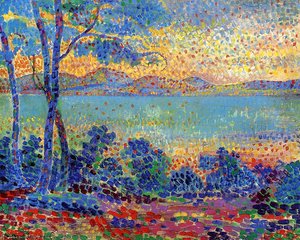
Experience 'The Shipwreck' by Henri Edmond Cross! This dramatic Neo-Impressionist painting captures a chaotic maritime scene with vibrant colors and loose brushstrokes. A captivating masterpiece.
Biografie umělce
"meta_description": "Henri-Edmond Cross (1856–1910) byl francouzský malíř a grafik známý pro atmosféřické krajinky a inovativní použití Pointillismu, ovlivňujícího fauvistický styl a moderní umění. Jeho díla odrážejí anarchistické ideály a harmonii s přírodou."
O malbě
The Shipwreck – A Study in Ruin and Resilience
Henri Edmond Cross’s “The Shipwreck,” painted in 1906, isn't merely a depiction of maritime disaster; it’s a profound meditation on the collision between human ambition and the relentless power of nature. This oil-on-canvas masterpiece, currently residing within the hallowed halls of the Musée d’Orsay in Paris, captures a scene of dramatic chaos – a shattered sailboat violently confronting a tempestuous sea – yet beneath the surface turmoil lies an undeniable sense of beauty and a poignant exploration of vulnerability. Cross, a pivotal figure in the Neo-Impressionist movement, masterfully employed the principles of Pointillism, meticulously layering tiny dots of color to create luminous effects and evoke a palpable atmosphere.
The painting’s genesis is deeply intertwined with Cross's personal life and artistic evolution. Following his relocation to southern France in 1891, seeking respite from illness, he began to experiment with the Pointillist technique, initially influenced by Paul Signac. However, unlike Signac’s often precise and geometrically structured compositions, Cross infused his work with a distinctly emotive quality. He wasn't simply replicating visual reality; he was translating feeling into color and light. The turbulent sky, rendered in swirling blues and greens, isn’t merely atmospheric; it embodies the raw emotion of impending doom. Similarly, the fractured hull of the vessel, partially submerged beneath the frothing waves, speaks to a profound sense of loss and destruction.
The Language of Color and Light – Pointillist Technique
Cross's mastery lies in his skillful manipulation of color theory within the Pointillist framework. He didn’t blend colors on the palette; instead, he applied them directly to the canvas in discrete dots, allowing the viewer’s eye to optically mix them. This technique creates an extraordinary vibrancy and luminosity, particularly noticeable in the reflections shimmering off the water's surface and the billowing sails of the doomed vessel. The artist strategically employed complementary color pairings – blues against oranges, greens against reds – to heighten visual impact and create a dynamic tension within the composition. The use of broken color is not just a technical exercise; it’s a deliberate choice that contributes significantly to the painting's emotional resonance.
Furthermore, Cross’s brushwork, though adhering to the Pointillist principles, possesses an expressive quality rarely associated with the movement. The dots aren’t uniformly applied; they vary in size and density, creating subtle shifts in tone and texture. This deliberate irregularity adds a layer of spontaneity and immediacy to the work, preventing it from feeling overly calculated or sterile. It's as if the artist is channeling his own turbulent emotions onto the canvas, mirroring the chaos of the depicted scene.
Symbolism and Emotional Resonance
Beyond its technical brilliance, “The Shipwreck” resonates deeply on an emotional level. The image evokes a sense of vulnerability in the face of overwhelming forces – a potent metaphor for the human condition. The shattered vessel represents not just a physical loss but also the fragility of ambition, dreams, and even life itself. The storm raging around it symbolizes the unpredictable nature of fate and the inevitability of destruction.
However, amidst this depiction of ruin, there’s an underlying current of resilience. The sails, though torn and battered, still billow with a defiant energy, suggesting a refusal to surrender completely. The light breaking through the clouds hints at the possibility of hope, even in the darkest of circumstances. Cross masterfully balances despair and optimism, creating a work that is both hauntingly beautiful and profoundly moving.
A Legacy of Impressionistic Innovation
“The Shipwreck” stands as a testament to Henri Edmond Cross’s innovative spirit and his pivotal role in shaping the trajectory of modern art. His pioneering use of Pointillism, combined with his expressive color palette and evocative brushwork, profoundly influenced subsequent generations of artists, including Matisse and later Fauvist painters. It's a painting that continues to captivate viewers with its dramatic intensity, technical sophistication, and enduring emotional power – a timeless reminder of the beauty and tragedy inherent in the human experience.
Otázky a odpovědi
Jak lze využít dílo „The Shipwreck“ od Henri-Edmond Cross při dekorování interiéru?
Dílo „The Shipwreck“ je doporučeno pro Statement a ideálním prostorem pro jeho umístění je Living Room.
Jaké barvy dominují dílu „The Shipwreck“ od Henri-Edmond Cross?
Barevná identita díla „The Shipwreck“ od Henri-Edmond Cross: paleta v odstínech Neutrals, s převládající barvou Clay (#b07442).
Jaké téma a atmosféru spojuje dílo „The Shipwreck“ od Henri-Edmond Cross?
„The Shipwreck“ zobrazuje shipwreck, sea, storm, boats, coastline, ruin, landscape, rescue a jeho zachycená nálada je Dramatic.
Rychlá fakta a umělecký kvíz
O umělci Henri-Edmond Cross

Henri-Edmond Cross
1856 - 1910, Francie
Biografie umělce
Henri-Edmond Cross – Umělec Světla a Ideálů
Henri Edmond Cross, rozený Henri-Edmond-Joseph Delacroix v roce 1856 v severofrancém Douai, byl umělec, jehož život a dílo byly neodmyslitelně spjaty s hledáním světla, barvy a harmonického vnímání existence. Jeho příběh je cestou uměleckého vývoje, poháněnou jak osobními okolnostmi, tak vášnivým přijetím avantgardních idejí. Jako syn dobrodružného otce a britské matky se v raných letech svého života Cross přestěhl do Lille, kde byl jeho talent rozpoznán a podpořen Dr. Augustem Soins, patronem, který poskytl finanční podporu pro výuku u váženého Carolusa-Durana. Tato základní výchova vložila do něj respekt k klasické technice – základy, které později brilantně zvrátil při pronikání do revolučního světa Neo-Impressionismu. Už od úvodku se snažil definovat svůj vlastní umělecký hlas uprostřed rychle se měnícího uměleckého světa. Změnil své jméno na „Henri Cross“ v roce 1886, vzdal se tak slavnému romantického malíře Eugèna Delacroix a dalšímu současnému umělci sdílejícímu stejné jméno – čin, který byl symbolem větší ambice: definovat jedinečný umělecký hlas uprostřed rychle se měnícího uměleckého světa.Od Realismu k Radiální Divizi
Crossův počáteční umělecký výzkum směřoval k realistické tradici, manifestující se v portrétech a krajinách, které dokázaly technickou zdatnost, ale postrádaly jedinečný lesk. Nicméně pařížské umělecké prostředí 80. let pulzovalo novými myšlenkami a Cross se postupně přitahoval k revolučním principům Neo-Impressionismu – hnutí, které vedly Georges Seurat a Paul Signac. Tento setkání bylo transformační. Vědecký přístup k teorii barev, pečlivé aplikování malých, odlišných štětců (nebo „bodů“) navržených k vytváření optického míchání, rezonovalo hluboko s jeho uměleckými smysly. Současně ho trápily recidivy rheumatismu, které vedly k hledání útočiště v teplejším klimatu jižního Francie, začínajícího v roce 1883 a vrcholícího trvalým usazováním v Saint-Clair v roce 1891. Radiální světlo a živé krajinky této oblasti se staly nedílnou součástí jeho uměleckého vize. Nevytvářel si jen kopie Seurovy pointillismu; místo toho ho vyvinul, upřednostňoval větší, mozaikovitější štětce, které zachovávaly zářivost rozdělené barvy a zároveň umožňovaly větší uměleckou svobodu. Tento „druhý generace“ Neo-Impressionism byl charakteristický svým odvážným chromatičtým intenzitou a dynamickými kompozicemi – styl, který se stal jeho signaturním znakem.Anarchistické Ideály a Utopické Vize
Kromě technických inovací byl Crossův umělecký projev hluboce ovlivněn silným smyslem pro sociální a politickou idealismus – konkrétně anarchistickými přesvědčeními. Toto přesvědčení nebylo zjevné propagandistické; spíše se projevilo v jeho obrazech idylických venkovských scén, které zobrazovaly harmonické soužití lidstva s přírodou jako alternativu k korupci a odcizení moderního městského života. Jeho obrazy nebyl jen estetické cvičení, ale vizuální prohlášení o spravedlivějším a mírovějším světě. Vliv této ideologie byl subtilně vpleten do tkaniva jeho kompozic, dodávající jim pocit utopického touhy. Díla jako *Before the Storm* a *The Farm, Evening* nejsou jen reprezentace přírody; jsou alegorií pro spravedlivou společnost – živé barvy a dynamické štětce evokují energii a optimismus, naznačující transformaci a obrození. Snažil se zachytit svět, ve kterém lidé žijí v rovnováze s okolním prostředím, osvobozeni od omezení průmyslu a sociální hierarchie.Dědictví a Vliv na Moderní Umění
Henri-Edmond Crossův umělecký putování skončilo významným dílem, které hluboce ovlivnilo chod moderního umění. Jeho první samostatná výstava v Galerii Druet v roce 1905, následovaná retrospektivou organizovanou Félixem Fénéonem v Galerii Bernheim-Jeune v roce 1908, upevnila jeho reputaci jako vedoucího představitele Neo-Impressionismu. Nicméně jeho vliv se rozprostřel mnohem za tuto hnutí. Jeho odvážné použití ne-lokálních barev – aplikování barev nikoli podle jejich přirozeného vzhledu, ale pro expresivní účely – a jeho ochota deformovat tvary otevírali cestu radikální experimentaci moderního umění. Umělci jako Henri Matisse a André Derain byli hluboce inspirováni jeho prací, rozpoznávali v něm osvobození od tradičních omezení a cestu k větší umělecké svobodě. On dokázal, že barvy mohou být použity nejen k reprezentaci reality, ale k vyvolání emocí a vytvoření čistě vizuálního zážitku. Zemřel na rakovinu v Saint-Clair v roce 1910 a zanechal za sebou dědictví, které stále rezonuje s umělci a milovníky umění dodnes. Jeho obrazy jsou mocnými svědectvím o transformativním potenciálu barvy, světla a tvaru – a o trvalé síle umění jako prostředku k inspiraci, probuzení a transformaci našeho vnímání světa kolem nás.Klíčové dílo a aktuální relevance
Několik děl se vyznačuje zvláštní reprezentativností Crossova uměleckého vize:- Before the Storm (aka The Storm): Klasický příklad jeho Neo-Impressionistických krajin, zachycující dramatické oblohy a naznačující skryté anarchistické témata.
- The Washerwoman: Ukazuje jeho mistrovství Pointillismu a divize, zobrazuje každodenní život s živými barvami a dynamickou kompozicí.
- The Farm, Evening: Klidná reprezentace venkovského života, vyjadřující jeho utopický vizi harmonického soužití lidstva s přírodou.
Rychlé informace o umělci Henri-Edmond Cross
- Artistic Movement Or Style: Neo-Impressionismus
- Artists Or Movements Influenced By This Artist:
- Matisse
- Fauves
- Artists Who Influenced This Artist:
- Seurat
- Signac
- Date Of Birth: 1856
- Date Of Death: 1910
- Full Name: Henri Edmond Cross
- Nationality: Francouzský
- Notable Artworks:
- Before the Storm
- The Washerwoman
- Farm Evening
- Place Of Birth: Douai, Francie
Podobná díla




Prozkoumejte umělecká díla uspořádaná podle témat, stylů a charakteristik.


Henri-Edmond Cross
The Shipwreck
() ·
Včetně rámu: · Ručně malováno olejem na plátně
Celkem