


 Zobrazit v interiéru
 Odeslat
 Sdílet
 Podrobnosti
 Průvodce

 Stáhnout obrázek
 Podobné kousky
 Rentgenové snímky
 Slideshow
 Statistiky
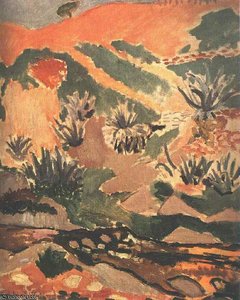
Landscape
 Akryl na plátně
- Obrazová tvorba na stěnu
- Fauvism
 1904
1904- Renesance
 32.0 x 40.0 cm
Henri Matisse's Landscape (1904) – A vibrant Fauvist masterpiece capturing the beauty of nature with bold colors and expressive brushstrokes. Explore Collioure, France!
 Přečíst si více
Henri Matisse (1869-1954): Francouzský malíř, průkopník fauvizmu s revoluční technikou barev a dekorativního umění. Jeho díla inspirují k radosti a harmonii!
Zakupte si digitální obraz ve vysokém rozlišení a vylepšeném provedení, který nabízí mnohem vyšší kvalitu než online náhled.
Každý soubor je pečlivě připraven našimi specialisty s využitím pokročilých nástrojů a odborné manuální retuše. Zajišťujeme, aby každý obraz disponoval výjimečnou ostrostí, přesnou barevnou věrností a jemnými detaily.
Finální soubor vám bude do 72 hodin zaslán e-mailem, optimalizovaný pro okamžité použití v profesionálním, redakčním i tiskovém prostředí. Nabízíme stejnou kvalitu, které důvěřují špičková designová studia, nakladatelství i galerie.
Digitální obrazy
Stáhněte si soubor ve vysokém rozlišení pro osobní prohlížení, tisk a kreativní projekty. ( Přepnout na tiskové verze Objednat ručně malovanou reprodukci)
Součást každé objednávky digitálního obrazu
Exponenciální digitální doručení, zaručené
Když si vyberete TopImpressionists.com, nezískáváte pouze obrázek – získáváte digitální umělecké dílo s profesionálně vylepšenými detaily, zpracované s precizností a podpořené zárukou za spokojenost. Zde je vše, co vaše objednávka automaticky obsahuje:

Bleskové doručení e-mailem
Váš digitální obraz ve vysokém rozlišení vám bude zaslán e-mailem do 72 hodin od objednávky – připraven k okamžitému použití.

Digitální soubor s podporou AI
Vaše umělecké dílo je profesionálně optimalizováno pomocí pokročilých nástrojů umělé inteligence a manuální úpravy, což zajišťuje maximální úroveň detailu, ostrosti a přesnosti barev.

Doživotní bezplatné znovuodeslání
Soubor jste omylem smazali nebo ztratili? Žádný problém – kdykoliv vám ho znovu zašleme zcela zdarma.

Bez poplatků za dovoz – navždy
Užijte si své umělecké dílo okamžitě bez celních poplatků, daní nebo nákladů na dopravu – digitální stažení je vždy bez daňových povinností.

Záruka přesnosti barev
Díky profesionálním nástrojům a správě barev zajišťujeme, aby váš digitální obraz odrážel původní barvy co nejvěrněji.

100dená záruka spokojenosti
Pokud nebudete s digitálním obrázkem spokojeni, provedeme jeho revizi nebo vám vrátíme 100% platby do 100 dnů – bez jakýchkoliv dotazů.

100% záruka vrácení peněz
Nespokojeni? Získejte plnou náhradu peněz do 100 dnů od obdržení digitálního souboru – bez zbytečných dotazů.

Slevy při hromadných objednávkách
Při koupi 3 obrazů ušetříte 10% – Při koupi 5 obrazů ušetříte 15% – Při koupi 10+ obrazů ušetříte 20%. Ideální pro kreativní projekty, galerie a agentury.
Henri Matisse: Landscape – A Symphony of Color and Tranquility
Henri Matisse (1869–1954) stands as one of the titans of 20th-century art, a painter whose unwavering devotion to color revolutionized artistic expression. His masterpiece, “Landscape,” painted in 1904, embodies the very essence of Fauvist aesthetics—a bold departure from Impressionism that prioritized emotional impact over meticulous realism.
The Fauvist Revolution
Matisse’s foray into Fauvism coincided with a burgeoning artistic movement challenging established conventions. Artists like André Derain and Maurice Denis sought to liberate color from its descriptive role, advocating for it as an independent element of visual art. Matisse wholeheartedly embraced this ethos, rejecting the muted tones favored by Impressionists in favor of vibrant hues—crimson reds, sapphire blues, lemon yellows—that pulsed with energy and conveyed feelings rather than merely representing appearances.
Composition and Technique
“Landscape” showcases Matisse’s masterful command of draughtsmanship combined with an audacious chromatic palette. The painting depicts a serene rural scene featuring a modest house nestled amongst trees, bathed in dappled sunlight. Matisse employs loose brushstrokes—characteristic of Fauvist style—to capture the textures of foliage and the subtle gradations of light and shadow. These strokes are applied with confidence and spontaneity, creating a dynamic surface that vibrates with color.
Symbolism and Emotional Resonance
Beyond its visual beauty, “Landscape” resonates deeply with symbolic meaning. The house represents domesticity and stability amidst the expansive wilderness—a harmonious blend of human presence and natural grandeur. Matisse’s deliberate use of color contributes to this emotional tapestry, evoking feelings of warmth, tranquility, and optimism. The painting's palette is not merely decorative; it communicates a profound appreciation for the beauty of the natural world and its ability to inspire contemplation.
Influence and Legacy
“Landscape” profoundly impacted subsequent generations of artists, establishing Matisse as a pivotal figure in modern art. Its bold chromatic choices paved the way for Expressionist painters like Edvard Munch and Wassily Kandinsky, who similarly prioritized emotional expression over objective representation. Matisse’s unwavering belief in color—a conviction that persisted throughout his prolific career—continues to inspire artists today.
Featured Museums
A stunning reproduction of “Landscape” can be admired at the Musée National d'Art Moderne (MNAM) in Paris, France. This museum houses an extensive collection of Fauvist paintings and offers visitors a chance to immerse themselves in Matisse’s groundbreaking artistic vision.
Size
32 x 40 cm
Date
1904
Artist Information
Henri Matisse (1869–1954)
Born in Le Cateau-Cambrésis, France.
He grew up in Bohain-en-Vermandois, Picardie, the son of grain merchants.
Initially studied law in Paris after secondary school but discovered his passion for art following an appendicitis attack in 1889.
He began experimenting with art supplies provided by his mother during his recovery, marking a turning point in his life.
Additional Research
- Landscape at Collioure - This iconic 1905 painting exemplifies Matisse’s Fauvist style, characterized by audacious color palettes and expressive brushstrokes. The artist meticulously rendered the architectural elements of Collioure—the house with its prominent red roof—against a backdrop of verdant foliage and figures engaged in leisurely pursuits.
- Pink Nude, or Seated Nude - Matisse’s masterful depiction of the human form transcends mere representation; it embodies a profound exploration of emotion and gesture. The seated nude is bathed in diffused light, capturing the subtle nuances of posture and expression—a testament to Matisse’s ability to convey psychological depth through visual language.
- The Joy of Life - This vibrant canvas pulsates with Matisse’s signature chromatic exuberance, reflecting his unwavering belief in the transformative power of color. The composition—a dynamic interplay of figures and geometric forms—captures a moment of carefree delight amidst a tranquil landscape, embodying Matisse’s artistic vision as a beacon of optimism and vitality.
Photo Description
The painting is a colorful landscape featuring a house with a red roof, surrounded by trees. The scene also includes a fireplace in the middle of the house, adding to its cozy atmosphere. There are several people scattered throughout the image, possibly enjoying the outdoors or attending to their daily activities.
The painting is quite detailed and captures various elements of nature, such as grass, trees, and buildings. The colors used in the painting are vibrant and lively, creating a sense of warmth and energy. Overall, it's an impressive piece that showcases the artist’s skill and creativity.
Size
32 x 40 cm
Date
1904
Artist Information
Henri Matisse
Born in Le Cateau-Cambrésis, France.
He grew up in Bohain-en-Vermandois, Picardie, the son of grain merchants.
Initially studied law in Paris after secondary school but discovered his passion for art following an appendicitis attack in 1889.
He began experimenting with art supplies provided by his mother during his recovery, marking a turning point in his life.
Additional Research
- Landscape at Collioure - This iconic 1905 painting exemplifies Matisse’s Fauvist style, characterized by audacious color palettes and expressive brushstrokes. The artist meticulously rendered the architectural elements of Collioure—the house with its prominent red roof—against a backdrop of verdant foliage and figures engaged in leisurely pursuits.
- Pink Nude, or Seated Nude - Matisse’s masterful depiction of the human form transcends mere representation; it embodies a profound exploration of emotion and gesture. The seated nude is bathed in diffused light, capturing the subtle nuances of posture and expression—a testament to Matisse’s ability to convey psychological depth through visual language.
Související díla




Biografie umělce
Život a cesta barvami: Svět Henriho Matisse
Henri Émile Benoît Matisse, narozený 31. prosince 1869 v malebném severofrancouzském městečku Le Cateau-Cambrésis, nebyl od útlého věku předurčen k životu ponořenému do světa pigmentů a forem. Po ukončení střední školy se v Paříži začal připravovat na právnickou kariéru, avšak jeho plány dramaticky změnily události roku 1889 – vážná apendicitida ho přinutila k dlouhému pobytu v posteli. V této nucené izolaci objevil skrytou vášeň pro malování, probuzenou jednoduchým darem od matky: sadou výtvarných potřeb. Nebyla to pouhá zábava; byl to zásadní zlomový bod, který ho odklonil od právnických spisů a nasměroval na cestu, kde se barva stala jeho jazykem a plátno domovem jeho vizí. Matisse, syn obchodníků s obilím z Bohain-en-Vermandois, se zdál být nepravděpodobným kandidátem na život bohémského umělce, ale semínko bylo zaseto, pečlivě pěstováno dobou rekonvalescence a rozvíjeno do celoživotní oddanosti. Studoval na Académie Julian a později na École Nationale des Beaux-Arts, kde pod vedením Williama-Adolpha Bouguereaua a Gustava Moreaua absorboval klasické techniky, které se staly základem jeho budoucích inovací. Jeho raná díla odrážela toto akademické vzdělání, prokazovala zručnost, ale postrádala výrazný hlas, který se brzy stal jeho poznávacím znakem.Zrození Fauvismu a odvážné experimenty
Klíčový moment nastal v roce 1896 během návštěvy Belle-Île s australským malířem Johnem Russellem. Toto setkání se ukázalo jako transformační. Russell představil Matisse světu impresionismu a, co bylo ještě důležitější, emotivně nabitým plátnům Vincenta van Gogha. Dopad byl hluboký. Van Goghova expresivní práce s barvou otřásla dosavadní střídmou paletou Matisse, povzbuzovala ho k odvážnějšímu a subjektivnějšímu přístupu. Začal se vzdalovat zemitým tónům a přijímal odstíny, které rezonovaly s emocemi spíše než striktní reprezentací reality. Toto hledání vyvrcholilo vznikem Fauvismu kolem roku 1905 – hnutí, ve kterém se Matisse stal předním představitelem. Samotné jméno, znamenající „divoké bestie“, bylo původně hanlivé a kritikou uděleno skupině šokujících barevných a nerealistických obrazů vystavených v Salon d'Automne. Matisse, společně s umělci jako André Derain a Maurice de Vlaminck, prosazoval intenzivní barvu jako nezávislý prvek vyjádření, zjednodušoval formy, aby zesílil její dopad. Obraz The Gourds (1905) je příkladem tohoto stylu – exploze červené, zelené a žluté aplikované s volností, která popírala tradiční perspektivu a mimetickou přesnost. Mezi klíčové charakteristiky patřily intenzivně nasycené palety, zjednodušené tvary, expresivní štětcování a záměrné odmítání konvenčního realismu ve prospěch emocionální rezonance.Zjemňování a dekorativní harmonie
Po počátečním zápalu Fauvismu prošel Matisseův styl subtilní, ale významnou evolucí. I když nikdy nezanechal svou lásku k barvě, jeho práce se stala rafinovanější, naklánějící se k dekorativní estetice, která kladla důraz na zploštělé formy a složité vzory. Zkoumal témata volného času, domácího života a lidské postavy v klidném prostředí a vytvářel kompozice, které působily harmonicky i emocionálně rezonantně. Stěhování do Nice na Francouzskou riviéru v roce 1917 dále ovlivnilo tento posun, vtisklo jeho práci pocit klidu a klasické rovnováhy. Začal se zaměřovat na vytváření prostředí – obrazů, soch a dekorativních předmětů – které obklopovaly diváka atmosférou krásy a poklidu. V tomto období experimentoval s různými médii, včetně keramiky a textilu, čímž rozšířil svou uměleckou vizi za hranice tradičního plátna. Netvořil jen scény; konstruoval světy navržené tak, aby vyvolaly specifickou emocionální odezvu.Pozdní léta: Inovace skrze omezení
Jak zdravotní stav omezoval Matisseovu schopnost malovat konvenčním způsobem, pustil se do mimořádné nové kapitoly své umělecké cesty – tvorby koláží z barevného papíru, známých jako *découpages*. Tyto práce vznikly kolem roku 1947 ze skutečné potřeby. Připoután na invalidním vozíku nemohl fyzicky stát a malovat, ale stále mohl manipulovat s papírem a nůžkami. To, co začalo jako praktické řešení, se vyvinulo v průkopnickou uměleckou techniku. Maloval velké listy papíru jasnými barvami, pak je stříhal do tvarů – organických forem, listů, postav – a aranžoval je na plátně, vytvářející kompozice, které byly dynamické i klamně jednoduché. Tyto *découpages* nebyly pouhými náhradami malby; představovaly nový způsob myšlení o barvě, formě a kompozici. Pokračovaly v jeho celoživotním zkoumání těchto prvků a ukazovaly trvalou uměleckou vizi i tváří v tvář fyzickým omezením.- Technika stříhání papíru mu umožnila dosáhnout čistoty formy a barvy, kterou bylo obtížné získat malbou.
- Tyto práce často odkazovaly na dřívější témata a motivy z jeho obrazů, ale prezentovaly je svěžím a inovativním způsobem.
- Ukázaly jeho schopnost se přizpůsobovat a vyvíjet jako umělec po celou svou kariéru.
Trvalý odkaz: Matisseův vliv na moderní umění
Henri Matisse zemřel v Nice v roce 1954, zanechávaje za sebou dílo, které neustále inspiruje a okouzluje publikum po celém světě. Jeho dopad na umělecký svět je nezpochybnitelný; zpochybnil konvenční představy o reprezentaci, prosazoval expresivní sílu barvy a připravil cestu budoucím generacím umělců. Často srovnáván s Pablem Picassem jako jeden z nejvlivnějších představitelů umění 20. století, Matisse zásadně formoval modernismus. Jeho odkaz přesahuje samotná umělecká díla – zahrnuje filozofii oslavující radost, krásu a transformační potenciál barvy. Netvořil jen to, co viděl; vytvářel emocionální zážitek pro diváka a zval ho, aby sdílel jeho vizi světa zalitého světlem a živými odstíny. Vliv Matisse je patrný v nesčetných dílech umělců napříč různými obory, čímž si upevnil pozici skutečného mistra moderního umění – malíře, který se odvážil vidět svět ne takový, jaký je, ale takový, jaký by mohl být, plný barvy, harmonie a nekonečných možností.
Henri Matisse
1869 - 1954 , Francie
Rychlé informace
- Artistic Movement Or Style: Fauvismus
- Artists Or Movements Influenced By This Artist:
- Modernismus
- Expreisionismus
- Artists Who Influenced This Artist:
- Van Gogh
- Chardin
- Russell
- Date Of Birth: 31. prosince 1869
- Date Of Death: 1954
- Full Name: Henri Émile Benoît Matisse
- Nationality: Francouz
- Notable Artworks:
- The Gourds
- Laurette in a White Turban
- Place Of Birth (City And Country): Le Cateau-Cambrésis, Francie