


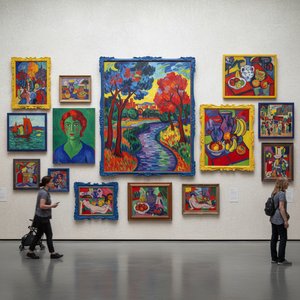
 Náhled v interiéru
 Sdílet
 Sdílet
 Podrobnosti o díle
 Průvodce

 Stáhnout
 Podobné položky
 Rentgenové snímky
 Slideshow
 Statistiky
not identified (17)

Henri Matisse (1869-1954) revolutionized modern art with his bold palette and expressive draughtsmanship, establishing Fauvism and influencing generations of artists. Known for masterpieces like ‘The Joy of Life,’ he championed decorative forms and simplified shapes, leaving an indelible mark on the artistic landscape.
 Zobrazit více
Henri Matisse (1869-1954): Francouzský malíř, průkopník fauvizmu s revoluční technikou barev a dekorativního umění. Jeho díla inspirují k radosti a harmonii!
Giclée / Umělecký tisk
Giclée nebo plátěný tisk muzeální kvality s rychlou výrobou a širokou nabídkou povrchových úprav. ( Koupit ručně malovaný obraz Přepnout na digitální obraz)




P118B Kč10

P118H Kč10

P118W Kč10

P438Z Kč10

P508JH Kč12

P508YH Kč12

P805H Kč10

P805Z Kč10

P919BZ Kč10

P919G Kč10

P919XJ Kč10

P959ZH Kč10

P968JZ Kč12

W106C Kč8

W218G Kč10

W218JH Kč8

W218Y Kč10

W307PJ Kč10

W316G Kč10

W316PJ Kč8

W316Y Kč10

W398PJ Kč8

W4111J Kč10

W500HY Kč15

W500JH Kč15

W692G Kč12

W849H Kč8

W940BG Kč15

W953PJ Kč8




Standardní velikost
na zakázku
CM
INCH
Vyberte si z našich přednastavených velikostí, které odpovídají původním proporcím díla.
Loading sizes...

šířka
výška
Zadejte šířku a výšku, které potřebujete pro váš rám nebo stěnu. Tisk lze pouze oříznout, nikdy však nelze zvětšit obraz nad jeho původní rozměr, proto při výběru jiného formátu dochází ke ztrátě části obrazu. Před samotným tiskem vám zašleme digitální náhled k schválení. Obraz zobrazený na této stránce nenabízí skutečný výřez — ten uvidíte pouze v náhledu.
Celosvětové doručení () do 2 týdnů namísto standardních 4/5 týdnů. (25 říjen)

Zdarma celosvětová expresní doprava

Vysoce kvalitní lněné plátno

Kompletní pojištění přepravy

Záruka vrácení celního poplatku

Záruka věrného barevného souladu

100dení lhůta pro vrácení zboží (pouze při vadách výroby)

100% záruka vrácení peněz

Sleva při více objednávkách
 Skleněná varianta je dostupná pouze u rozměrů menších než 110 cm

not identified (17)
Giclée / Umělecký tisk
Rozměry reprodukce
-


Celková cena za vybrané možnosti reprodukcí
Kč 1475
A Window into Matisse’s Vision
Henri Matisse, born December 31st, 1869, in the unassuming French town of Le Cateau-Cambrésis, wasn't initially destined for a career bathed in vibrant hues. His early aspirations leaned towards law—a path meticulously charted by circumstance and ambition—until an unexpected illness forced him to reconsider his trajectory. This convalescence proved transformative; it ignited within him a passion for painting that would reshape his life’s artistic journey.
The Fauvist Breakthrough: Bold Color as Expression
Matisse's formative years in Bohain-en-Vermandois, surrounded by grain merchants and steeped in the traditions of rural France, belied the revolutionary spirit he was about to unleash. His enrollment at the Académie Julian followed by studies at École Nationale des Beaux-Arts cemented his grounding in artistic principles while simultaneously preparing him for a confrontation with prevailing aesthetic conventions. It was during this period that he encountered Maurice Denis and embraced the tenets of Fauvism—a movement characterized by its audacious use of color, divorced from naturalistic representation.
“Woman With A Hat”: Symbolism Within Simplification
"Woman With A Hat," painted in 1906, exemplifies Matisse’s masterful distillation of artistic ideas. The portrait captures a woman seated at a table, engrossed in reading amidst a carefully curated composition. Two books—one prominent in the center and another positioned to the right—suggest contemplation and intellectual engagement. However, it is the woman's hair adorned with flowers that commands immediate attention; these blossoms aren’t merely decorative elements but potent symbols of femininity, beauty, and renewal – mirroring Matisse’s broader exploration of themes related to nature and emotion.
Decorative Pattern and Artistic Intent
Matisse’s technique—characterized by flattened forms and simplified contours—served as a deliberate rejection of academic realism. He prioritized conveying feeling and atmosphere above meticulous detail, prioritizing color as the primary vehicle for artistic expression. The inclusion of potted plants in the background reinforces this aesthetic sensibility, grounding the portrait within a natural setting while simultaneously elevating it to the realm of decorative art.
Legacy: An Influence That Endures
Henri Matisse’s impact on 20th-century art is undeniable. His unwavering commitment to color and form established him as a pivotal figure in Modernism, influencing generations of artists who followed. Reproductions of “Woman With A Hat,” like this exquisite print offered by iArtPrints.com, allow viewers to experience the profound beauty and contemplative spirit of Matisse’s vision—a testament to his enduring legacy as one of the most influential painters of his time.
Otázky a odpovědi
Jak spolu v díle "not identified (17)" ladí barvy?
„not identified (17)“ od Henri Matisse představuje Discordant Palette barevnou harmonii.
Jaké barvy dominují dílu „not identified (17)“ od Henri Matisse?
„not identified (17)“ je definováno paletou Neutrals, v níž dominuje barva Putty (#cdcbbd).
Kde si mohu koupit print díla „not identified (17)“ od Henri Matisse?
Pokud si chcete pořídit tisk díla „not identified (17)“ od Henri Matisse, stačí si jej objednat přímo na jeho stránce Kvalitní umělecký tisk: umělecký tisk na bavlněném plátně nebo archivním plátnovém papíře.


Biografie umělce
Život a cesta barvami: Svět Henriho Matisse
Henri Émile Benoît Matisse, narozený 31. prosince 1869 v malebném severofrancouzském městečku Le Cateau-Cambrésis, nebyl od útlého věku předurčen k životu ponořenému do světa pigmentů a forem. Po ukončení střední školy se v Paříži začal připravovat na právnickou kariéru, avšak jeho plány dramaticky změnily události roku 1889 – vážná apendicitida ho přinutila k dlouhému pobytu v posteli. V této nucené izolaci objevil skrytou vášeň pro malování, probuzenou jednoduchým darem od matky: sadou výtvarných potřeb. Nebyla to pouhá zábava; byl to zásadní zlomový bod, který ho odklonil od právnických spisů a nasměroval na cestu, kde se barva stala jeho jazykem a plátno domovem jeho vizí. Matisse, syn obchodníků s obilím z Bohain-en-Vermandois, se zdál být nepravděpodobným kandidátem na život bohémského umělce, ale semínko bylo zaseto, pečlivě pěstováno dobou rekonvalescence a rozvíjeno do celoživotní oddanosti. Studoval na Académie Julian a později na École Nationale des Beaux-Arts, kde pod vedením Williama-Adolpha Bouguereaua a Gustava Moreaua absorboval klasické techniky, které se staly základem jeho budoucích inovací. Jeho raná díla odrážela toto akademické vzdělání, prokazovala zručnost, ale postrádala výrazný hlas, který se brzy stal jeho poznávacím znakem.Zrození Fauvismu a odvážné experimenty
Klíčový moment nastal v roce 1896 během návštěvy Belle-Île s australským malířem Johnem Russellem. Toto setkání se ukázalo jako transformační. Russell představil Matisse světu impresionismu a, co bylo ještě důležitější, emotivně nabitým plátnům Vincenta van Gogha. Dopad byl hluboký. Van Goghova expresivní práce s barvou otřásla dosavadní střídmou paletou Matisse, povzbuzovala ho k odvážnějšímu a subjektivnějšímu přístupu. Začal se vzdalovat zemitým tónům a přijímal odstíny, které rezonovaly s emocemi spíše než striktní reprezentací reality. Toto hledání vyvrcholilo vznikem Fauvismu kolem roku 1905 – hnutí, ve kterém se Matisse stal předním představitelem. Samotné jméno, znamenající „divoké bestie“, bylo původně hanlivé a kritikou uděleno skupině šokujících barevných a nerealistických obrazů vystavených v Salon d'Automne. Matisse, společně s umělci jako André Derain a Maurice de Vlaminck, prosazoval intenzivní barvu jako nezávislý prvek vyjádření, zjednodušoval formy, aby zesílil její dopad. Obraz The Gourds (1905) je příkladem tohoto stylu – exploze červené, zelené a žluté aplikované s volností, která popírala tradiční perspektivu a mimetickou přesnost. Mezi klíčové charakteristiky patřily intenzivně nasycené palety, zjednodušené tvary, expresivní štětcování a záměrné odmítání konvenčního realismu ve prospěch emocionální rezonance.Zjemňování a dekorativní harmonie
Po počátečním zápalu Fauvismu prošel Matisseův styl subtilní, ale významnou evolucí. I když nikdy nezanechal svou lásku k barvě, jeho práce se stala rafinovanější, naklánějící se k dekorativní estetice, která kladla důraz na zploštělé formy a složité vzory. Zkoumal témata volného času, domácího života a lidské postavy v klidném prostředí a vytvářel kompozice, které působily harmonicky i emocionálně rezonantně. Stěhování do Nice na Francouzskou riviéru v roce 1917 dále ovlivnilo tento posun, vtisklo jeho práci pocit klidu a klasické rovnováhy. Začal se zaměřovat na vytváření prostředí – obrazů, soch a dekorativních předmětů – které obklopovaly diváka atmosférou krásy a poklidu. V tomto období experimentoval s různými médii, včetně keramiky a textilu, čímž rozšířil svou uměleckou vizi za hranice tradičního plátna. Netvořil jen scény; konstruoval světy navržené tak, aby vyvolaly specifickou emocionální odezvu.Pozdní léta: Inovace skrze omezení
Jak zdravotní stav omezoval Matisseovu schopnost malovat konvenčním způsobem, pustil se do mimořádné nové kapitoly své umělecké cesty – tvorby koláží z barevného papíru, známých jako *découpages*. Tyto práce vznikly kolem roku 1947 ze skutečné potřeby. Připoután na invalidním vozíku nemohl fyzicky stát a malovat, ale stále mohl manipulovat s papírem a nůžkami. To, co začalo jako praktické řešení, se vyvinulo v průkopnickou uměleckou techniku. Maloval velké listy papíru jasnými barvami, pak je stříhal do tvarů – organických forem, listů, postav – a aranžoval je na plátně, vytvářející kompozice, které byly dynamické i klamně jednoduché. Tyto *découpages* nebyly pouhými náhradami malby; představovaly nový způsob myšlení o barvě, formě a kompozici. Pokračovaly v jeho celoživotním zkoumání těchto prvků a ukazovaly trvalou uměleckou vizi i tváří v tvář fyzickým omezením.- Technika stříhání papíru mu umožnila dosáhnout čistoty formy a barvy, kterou bylo obtížné získat malbou.
- Tyto práce často odkazovaly na dřívější témata a motivy z jeho obrazů, ale prezentovaly je svěžím a inovativním způsobem.
- Ukázaly jeho schopnost se přizpůsobovat a vyvíjet jako umělec po celou svou kariéru.
Trvalý odkaz: Matisseův vliv na moderní umění
Henri Matisse zemřel v Nice v roce 1954, zanechávaje za sebou dílo, které neustále inspiruje a okouzluje publikum po celém světě. Jeho dopad na umělecký svět je nezpochybnitelný; zpochybnil konvenční představy o reprezentaci, prosazoval expresivní sílu barvy a připravil cestu budoucím generacím umělců. Často srovnáván s Pablem Picassem jako jeden z nejvlivnějších představitelů umění 20. století, Matisse zásadně formoval modernismus. Jeho odkaz přesahuje samotná umělecká díla – zahrnuje filozofii oslavující radost, krásu a transformační potenciál barvy. Netvořil jen to, co viděl; vytvářel emocionální zážitek pro diváka a zval ho, aby sdílel jeho vizi světa zalitého světlem a živými odstíny. Vliv Matisse je patrný v nesčetných dílech umělců napříč různými obory, čímž si upevnil pozici skutečného mistra moderního umění – malíře, který se odvážil vidět svět ne takový, jaký je, ale takový, jaký by mohl být, plný barvy, harmonie a nekonečných možností.
Henri Matisse
1869 - 1954 , Francie
Rychlé informace o umělci
- Artistic Movement Or Style: Fauvismus
- Artists Or Movements Influenced By This Artist:
- Modernismus
- Expreisionismus
- Artists Who Influenced This Artist:
- Van Gogh
- Chardin
- Russell
- Date Of Birth: 31. prosince 1869
- Date Of Death: 1954
- Full Name: Henri Émile Benoît Matisse
- Nationality: Francouz
- Notable Artworks:
- The Gourds
- Laurette in a White Turban
- Place Of Birth (City And Country): Le Cateau-Cambrésis, Francie
Související články

Henri Matisse: Top 25 děl mistra barev a dekorace pro váš domov | TopImpressionists.com
Prozkoumejte 25 ikonických děl Henri Matisse – mistra barev a fauvismu. Objevte příběhy za slavnými obrazy, techniky a inspiraci pro váš interiér. Reprodukce obrazů nejvyšší kvality na TopImpressionists.com.
Top 10 mistrovských děl fauvismu: Barvy a emoce v umění | TopImpressionists.cz
Prozkoumejte 10 ikonických děl fauvismu od Matisse, Deraina a dalších. Objevte příběhy za expresivními barvami a revolučním uměleckým stylem. Reprodukce obrazů nejvyšší kvality na TopImpressionists.cz – inspirace pro váš interiér!

Fauvism Unveiled: The Wild Revolution of Color and Emotion in Modern Art
Explore the vibrant revolution of Fauvism. Discover how masters like Henri Matisse liberated color from reality to express pure emotion. An expert guide into the 'Wild Beasts' of modern art history for collectors and enthusiasts.

Top 10 uměleckých děl oslavujících barvu – inspirace pro váš interiér
Objevte 10 ikonických uměleckých děl oslavujících barvu! Prozkoumejte příběhy Van Gogha, Moneta a dalších mistrů. Inspirace pro váš interiér s reprodukcemi obrazů nejvyšší kvality na TopImpressionists.com.

Top 10 děl Fauvismu: Umělecké mistrovské kousky a inspirace pro váš interiér
Prozkoumejte 10 ikonických děl fauvismu od Matisse, Deraina a dalších. Objevte příběhy za expresionistickými barvami a revolučním uměleckým stylem. Najděte inspiraci pro váš interiér s reprodukcemi nejvyšší kvality na TopImpressionists.com.
Prozkoumejte umělecká díla uspořádaná podle témat, stylů a charakteristik.


