


 Zobrazit v interiéru
 Odeslat
 Sdílet
 Podrobnosti
 Průvodce

 Stáhnout obrázek
 Podobné kousky
 Rentgenové snímky
 Slideshow
 Statistiky
untitled (98)


A serene portrait of a resting woman captured through Henri Matisse's vibrant Fauvist palette and bold shapes from his late Parisian period invites you to experience this masterpiece of tranquility in your own collection.
 Přečíst si více
Henri Matisse (1869-1954): Francouzský malíř, průkopník fauvizmu s revoluční technikou barev a dekorativního umění. Jeho díla inspirují k radosti a harmonii!
Ručně malovaná olejová reprodukce
Ručně malované olejné plátno v libovolném rozměru i s rámem, vyrobené našimi umělci na zakázku. ( Přepnout na tiskové verze Přepnout na digitální verzi obrazu)




P118B Kč10

P118H Kč10

P118W Kč10

P438Z Kč10

P508JH Kč12

P508YH Kč12

P805H Kč10

P805Z Kč10

P919BZ Kč10

P919G Kč10

P919XJ Kč10

P959ZH Kč10

P968JZ Kč12

W106C Kč8

W218G Kč10

W218JH Kč8

W218Y Kč10

W307PJ Kč10

W316G Kč10

W316PJ Kč8

W316Y Kč10

W398PJ Kč8

W4111J Kč10

W500HY Kč15

W500JH Kč15

W692G Kč12

W849H Kč8

W940BG Kč15

W953PJ Kč8




Standardní velikost
na zakázku
CM
INCH
Vyberte si z našich přednastavených velikostí, které odpovídají původním proporcím díla.
Loading sizes...

šířka
výška
Zadejte šířku a výšku, které potřebujete pro váš rám nebo stěnu. Protože se jedná o ruční malbu, při výběru jiného formátu může umělec kolem obrazu domalovat o něco více, nebo jej mírně oříznout — rozhodnete si vy. Před zahájením malby vám zašleme digitální náhled ke schválení. Obraz zobrazený na této stránce neodpovídá skutečnému výsledku — pouze digitální náhled jej zobrazuje.
Příklady možných změn: nahrazení obličeje vlastní fotografií; přidání domácího mazlíčka (např. nahrazení kočky psem); vložení skrytého vzkazu do pozadí; změna krajiny nebo prvků v pozadí.
Po přijetí objednávky vám tým TopImpressionists.com zašle e-mail s pokyny a poskytne náhledovou verzi.
Po přijetí objednávky vám tým TopImpressionists.com zašle e-mail s pokyny a poskytne náhledovou verzi.
Celosvětová doprava () za 3–4 týdny namísto standardních 5 týdnů. (22 říjen). Bez kompromisů v kvalitě.

Zdarma celosvětová expresní doprava

Vysoce kvalitní lněné plátno

Úplné pojištění přepravy

Záruka vrácení celního poplatku

Záruka věrného barevného shodu

100dení lhůta pro vrácení zboží (pouze při vadách výroby)

100% garance vrácení peněz

Sleva při více objednávkách
 Skleněná varianta je dostupná pouze u rozměrů menších než 110 cm

untitled (98)
Technika provedení
Velikost reprodukce
-


Celková cena
Kč 5717
A Moment of Tranquility Captured in Matisse’s Palette
The painting, simply titled “untitled (98),” offers a glimpse into Henri Matisse's masterful exploration of color and form—a deceptively serene portrait that speaks volumes about the artist’s artistic philosophy. Executed sometime between 1947 and 1950 during his prolific Parisian period, this work exemplifies Matisse’s signature style: bold, simplified shapes rendered in vibrant hues against a muted backdrop. It is not merely a depiction of a woman seated comfortably; it is an embodiment of Matisse’s belief that color alone could convey emotion and create a palpable atmosphere. The scene presents a portrait of a woman sitting in a chair with her head resting on her arm, appearing deeply relaxed or perhaps even lost in sleep. Nearby, a dining table holds various items such as cups and vases, while books are scattered throughout the room, some near the woman and others further away. The presence of two cats—one close to the woman and another tucked further back—adds an element of domestic warmth and companionship, reinforcing the painting's overarching theme of serenity.
Matisse’s technique in this period is characterized by his pioneering “cut-out” painting method. Rather than meticulously blending pigments on canvas, he painstakingly cut shapes from colored paper or cardboard, gluing them onto a white surface to achieve an astonishing luminosity and textural richness. This approach deliberately rejects illusionistic realism, prioritizing expressive color over accurate representation. The dominant shades—warm yellows, oranges, and reds—contrast sharply with the cool blues and greens of the room setting, creating a visual dialogue that draws the eye inward. Notice how Matisse uses overlapping planes of color to suggest depth without resorting to traditional perspective; it is an ingenious device that reinforces the painting's feeling of stillness.
Symbolism and the Emotional Resonance of Stillness
Beyond its formal qualities, “untitled (98)” is laden with symbolic significance. The woman seated in her chair represents domestic tranquility—a refuge from the anxieties of the outside world. Her posture, with her head resting on her arm, suggests vulnerability and acceptance. The surrounding objects—the cups, vases, and books—contribute to an atmosphere of erudition and contemplation, suggesting a life of quiet intellectual pursuit. This painting emerged during a period marked by significant artistic upheaval in the aftermath of World War II. While many of his contemporaries sought to grapple with existential anxieties through dramatic gestures, Matisse opted for a quieter response: a celebration of beauty and harmony amidst the turmoil of the time. This deliberate choice reflects his humanist conviction that art could offer solace and inspiration, reminding viewers of the enduring power of joy.
Ultimately, this artwork succeeds as a powerfully emotive piece. Its luminous color palette evokes feelings of warmth, comfort, and optimism—a welcome antidote to the darkness of wartime Europe. The painting’s deliberate lack of detail invites viewers to focus on the interplay of color and form, prompting introspection and fostering a sense of calm contemplation. For the collector or interior designer, this work serves as more than just a visual element; it is a balm for the soul. It is a testament to Matisse’s ability to distill complex emotions into deceptively simple visual elements, leaving an indelible impression on anyone who encounters it—a reminder that true beauty resides not in grand spectacle but in quiet grace.
Otázky a odpovědi
K jakému použití je doporučována reprodukce díla „untitled (98)“?
Navrhované využití pro „untitled (98)“ od Henri Matisse je Accent. Lze jej však využít i k jiným účelům.
Jsou barvy díla „untitled (98)“ od Henri Matisse syté, nebo tlumené?
Paleta díla "untitled (98)" má v nasycení hodnotu Subtle Color.
Patří „untitled (98)“ od Henri Matisse mezi vyhledávaná díla směru fauve?
Dílo „untitled (98)“ od Henri Matisse je klasifikováno jako Iconic a patří k享有 směru fauve.
Biografie umělce
Život a cesta barvami: Svět Henriho Matisse
Henri Émile Benoît Matisse, narozený 31. prosince 1869 v malebném severofrancouzském městečku Le Cateau-Cambrésis, nebyl od útlého věku předurčen k životu ponořenému do světa pigmentů a forem. Po ukončení střední školy se v Paříži začal připravovat na právnickou kariéru, avšak jeho plány dramaticky změnily události roku 1889 – vážná apendicitida ho přinutila k dlouhému pobytu v posteli. V této nucené izolaci objevil skrytou vášeň pro malování, probuzenou jednoduchým darem od matky: sadou výtvarných potřeb. Nebyla to pouhá zábava; byl to zásadní zlomový bod, který ho odklonil od právnických spisů a nasměroval na cestu, kde se barva stala jeho jazykem a plátno domovem jeho vizí. Matisse, syn obchodníků s obilím z Bohain-en-Vermandois, se zdál být nepravděpodobným kandidátem na život bohémského umělce, ale semínko bylo zaseto, pečlivě pěstováno dobou rekonvalescence a rozvíjeno do celoživotní oddanosti. Studoval na Académie Julian a později na École Nationale des Beaux-Arts, kde pod vedením Williama-Adolpha Bouguereaua a Gustava Moreaua absorboval klasické techniky, které se staly základem jeho budoucích inovací. Jeho raná díla odrážela toto akademické vzdělání, prokazovala zručnost, ale postrádala výrazný hlas, který se brzy stal jeho poznávacím znakem.Zrození Fauvismu a odvážné experimenty
Klíčový moment nastal v roce 1896 během návštěvy Belle-Île s australským malířem Johnem Russellem. Toto setkání se ukázalo jako transformační. Russell představil Matisse světu impresionismu a, co bylo ještě důležitější, emotivně nabitým plátnům Vincenta van Gogha. Dopad byl hluboký. Van Goghova expresivní práce s barvou otřásla dosavadní střídmou paletou Matisse, povzbuzovala ho k odvážnějšímu a subjektivnějšímu přístupu. Začal se vzdalovat zemitým tónům a přijímal odstíny, které rezonovaly s emocemi spíše než striktní reprezentací reality. Toto hledání vyvrcholilo vznikem Fauvismu kolem roku 1905 – hnutí, ve kterém se Matisse stal předním představitelem. Samotné jméno, znamenající „divoké bestie“, bylo původně hanlivé a kritikou uděleno skupině šokujících barevných a nerealistických obrazů vystavených v Salon d'Automne. Matisse, společně s umělci jako André Derain a Maurice de Vlaminck, prosazoval intenzivní barvu jako nezávislý prvek vyjádření, zjednodušoval formy, aby zesílil její dopad. Obraz The Gourds (1905) je příkladem tohoto stylu – exploze červené, zelené a žluté aplikované s volností, která popírala tradiční perspektivu a mimetickou přesnost. Mezi klíčové charakteristiky patřily intenzivně nasycené palety, zjednodušené tvary, expresivní štětcování a záměrné odmítání konvenčního realismu ve prospěch emocionální rezonance.Zjemňování a dekorativní harmonie
Po počátečním zápalu Fauvismu prošel Matisseův styl subtilní, ale významnou evolucí. I když nikdy nezanechal svou lásku k barvě, jeho práce se stala rafinovanější, naklánějící se k dekorativní estetice, která kladla důraz na zploštělé formy a složité vzory. Zkoumal témata volného času, domácího života a lidské postavy v klidném prostředí a vytvářel kompozice, které působily harmonicky i emocionálně rezonantně. Stěhování do Nice na Francouzskou riviéru v roce 1917 dále ovlivnilo tento posun, vtisklo jeho práci pocit klidu a klasické rovnováhy. Začal se zaměřovat na vytváření prostředí – obrazů, soch a dekorativních předmětů – které obklopovaly diváka atmosférou krásy a poklidu. V tomto období experimentoval s různými médii, včetně keramiky a textilu, čímž rozšířil svou uměleckou vizi za hranice tradičního plátna. Netvořil jen scény; konstruoval světy navržené tak, aby vyvolaly specifickou emocionální odezvu.Pozdní léta: Inovace skrze omezení
Jak zdravotní stav omezoval Matisseovu schopnost malovat konvenčním způsobem, pustil se do mimořádné nové kapitoly své umělecké cesty – tvorby koláží z barevného papíru, známých jako *découpages*. Tyto práce vznikly kolem roku 1947 ze skutečné potřeby. Připoután na invalidním vozíku nemohl fyzicky stát a malovat, ale stále mohl manipulovat s papírem a nůžkami. To, co začalo jako praktické řešení, se vyvinulo v průkopnickou uměleckou techniku. Maloval velké listy papíru jasnými barvami, pak je stříhal do tvarů – organických forem, listů, postav – a aranžoval je na plátně, vytvářející kompozice, které byly dynamické i klamně jednoduché. Tyto *découpages* nebyly pouhými náhradami malby; představovaly nový způsob myšlení o barvě, formě a kompozici. Pokračovaly v jeho celoživotním zkoumání těchto prvků a ukazovaly trvalou uměleckou vizi i tváří v tvář fyzickým omezením.- Technika stříhání papíru mu umožnila dosáhnout čistoty formy a barvy, kterou bylo obtížné získat malbou.
- Tyto práce často odkazovaly na dřívější témata a motivy z jeho obrazů, ale prezentovaly je svěžím a inovativním způsobem.
- Ukázaly jeho schopnost se přizpůsobovat a vyvíjet jako umělec po celou svou kariéru.
Trvalý odkaz: Matisseův vliv na moderní umění
Henri Matisse zemřel v Nice v roce 1954, zanechávaje za sebou dílo, které neustále inspiruje a okouzluje publikum po celém světě. Jeho dopad na umělecký svět je nezpochybnitelný; zpochybnil konvenční představy o reprezentaci, prosazoval expresivní sílu barvy a připravil cestu budoucím generacím umělců. Často srovnáván s Pablem Picassem jako jeden z nejvlivnějších představitelů umění 20. století, Matisse zásadně formoval modernismus. Jeho odkaz přesahuje samotná umělecká díla – zahrnuje filozofii oslavující radost, krásu a transformační potenciál barvy. Netvořil jen to, co viděl; vytvářel emocionální zážitek pro diváka a zval ho, aby sdílel jeho vizi světa zalitého světlem a živými odstíny. Vliv Matisse je patrný v nesčetných dílech umělců napříč různými obory, čímž si upevnil pozici skutečného mistra moderního umění – malíře, který se odvážil vidět svět ne takový, jaký je, ale takový, jaký by mohl být, plný barvy, harmonie a nekonečných možností.
Henri Matisse
1869 - 1954 , Francie
Rychlé informace
- Artistic Movement Or Style: Fauvismus
- Artists Or Movements Influenced By This Artist:
- Modernismus
- Expreisionismus
- Artists Who Influenced This Artist:
- Van Gogh
- Chardin
- Russell
- Date Of Birth: 31. prosince 1869
- Date Of Death: 1954
- Full Name: Henri Émile Benoît Matisse
- Nationality: Francouz
- Notable Artworks:
- The Gourds
- Laurette in a White Turban
- Place Of Birth (City And Country): Le Cateau-Cambrésis, Francie
Související články

Top 10 děl Fauvismu: Umělecké mistrovské kousky a inspirace pro váš interiér
Prozkoumejte 10 ikonických děl fauvismu od Matisse, Deraina a dalších. Objevte příběhy za expresionistickými barvami a revolučním uměleckým stylem. Najděte inspiraci pro váš interiér s reprodukcemi nejvyšší kvality na TopImpressionists.com.

Klid a umění: Top 10 děl pro harmonický domov | TopImpressionists.com
Objevte 10 ikonických děl umění, které vyzařují klid a harmonii. Claude Monet, Van Gogh a další mistři. Inspirujte se pro uklidňující interiér s reprodukcemi obrazů nejvyšší kvality na TopImpressionists.com. Prozkoumejte celou kolekci online!
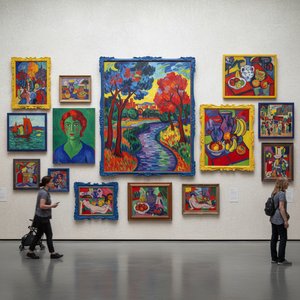
Top 10 mistrovských děl fauvismu: Barvy a emoce v umění | TopImpressionists.cz
Prozkoumejte 10 ikonických děl fauvismu od Matisse, Deraina a dalších. Objevte příběhy za expresivními barvami a revolučním uměleckým stylem. Reprodukce obrazů nejvyšší kvality na TopImpressionists.cz – inspirace pro váš interiér!

25 Mistrovských Děl Ermitáže: Umění pro Vaši Inspiraci | TopImpressionists.cz
Prozkoumejte 25 ikonických děl z Ermitáže v Petrohradě! Obdivujte Rembrandta, Da Vinciho a další mistry. Historie umění, techniky a inspirace pro váš interiér. Reprodukce obrazů nejvyšší kvality na TopImpressionists.com.

Henri Matisse: Top 25 děl mistra barev a dekorace pro váš domov | TopImpressionists.com
Prozkoumejte 25 ikonických děl Henri Matisse – mistra barev a fauvismu. Objevte příběhy za slavnými obrazy, techniky a inspiraci pro váš interiér. Reprodukce obrazů nejvyšší kvality na TopImpressionists.com.
Prozkoumejte umělecká díla uspořádaná podle témat, stylů a charakteristik.


