

 Náhled v interiéru
 Sdílet
 Sdílet
 Podrobnosti o díle
 Průvodce

 Stáhnout
 Podobné položky
 Rentgenové snímky
 Slideshow
 Statistiky
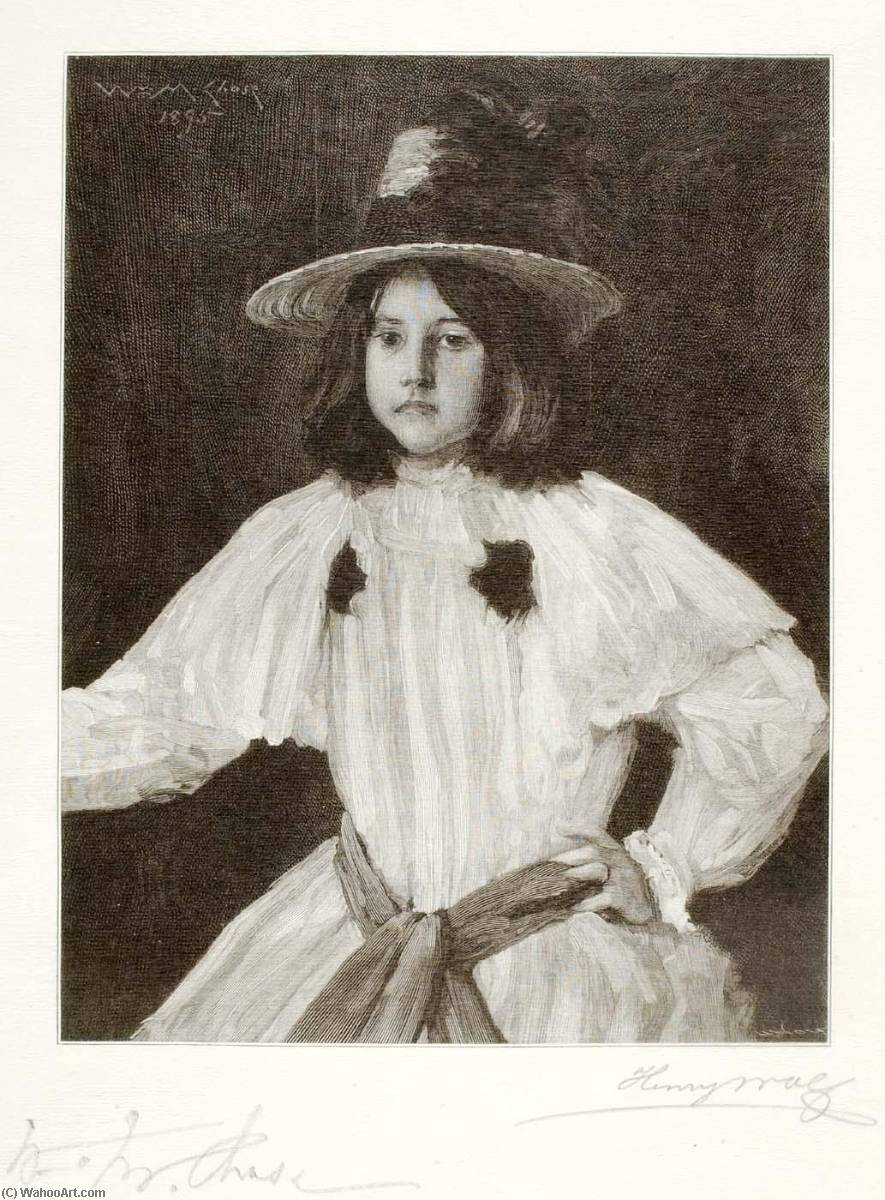
Alice
 Woodcut
- Academic Portraiture
 1892
1892- 19th Century
 18.0 x 14.0 cm
Discover 'Alice' by Henry Wolf - a captivating 1892 wood engraving from the Smithsonian! Admire intricate detail & Victorian charm in this stunning portrait.
 Zobrazit více
Henry Wolf (1925-2005): revoluční československý grafik & art director, známý z Esquire, Harper's Bazaar a Show s inovativními layouty a fotografiemi.
Umělecké dílo zobrazené na této stránce je chráněno autorským zákonem, což znamená, že nemůžeme legálně vytvářet ani prodávat jeho identickou reprodukci. Tato ochrana je vymáhána na základě mezinárodních dohod, jako například Berberská úmluva a národními zákony, včetně těch stanovených v Americký autorský zákon – Díl 17. Všechna práva vyhrazena.
Tato metoda je plně v souladu s autorským právem, protože nezahrnuje kopírování ani duplikování chráněného díla. Jde o kreativní reinterpretaci – nový obraz, který je inspirován originálem, ale není s ním identický.
Giclée / Umělecký tisk
Giclée nebo plátěný tisk muzeální kvality s rychlou výrobou a širokou nabídkou povrchových úprav. ( Koupit ručně malovaný obraz Přepnout na digitální obraz)




































Standardní velikost
na zakázku
CM
INCH
Vyberte si z našich přednastavených velikostí, které odpovídají původním proporcím díla.
Loading sizes...

šířka
výška
Zadejte šířku a výšku, které potřebujete pro váš rám nebo stěnu. Tisk lze pouze oříznout, nikdy však nelze zvětšit obraz nad jeho původní rozměr, proto při výběru jiného formátu dochází ke ztrátě části obrazu. Před samotným tiskem vám zašleme digitální náhled k schválení. Obraz zobrazený na této stránce nenabízí skutečný výřez — ten uvidíte pouze v náhledu.
Celosvětové doručení () do 2 týdnů namísto standardních 4/5 týdnů. (28 říjen)

Zdarma celosvětová expresní doprava

Vysoce kvalitní lněné plátno

Kompletní pojištění přepravy

Záruka vrácení celního poplatku

Záruka věrného barevného souladu

100dení lhůta pro vrácení zboží (pouze při vadách výroby)

100% záruka vrácení peněz

Sleva při více objednávkách
 Skleněná varianta je dostupná pouze u rozměrů menších než 110 cm

Alice
Giclée / Umělecký tisk
Rozměry reprodukce
-


Celková cena za vybrané možnosti reprodukcí
Kč 1486
Alice by Henry Wolf: A Victorian Portrait in Wood Engraving
“Alice,” created by Henry Wolf in 1892, is a captivating wood engraving that transports viewers to the elegance of the Victorian era. This piece, currently residing at the Smithsonian American Art Museum, exemplifies Wolf’s skill and attention to detail, offering a glimpse into a bygone time through a beautifully rendered portrait.
Artist Background: Henry Wolf's Journey
Henry Wolf (1852-1916) was a French-born wood engraver who significantly contributed to American art. Born in Eckwersheim, France, he studied under Jacques Levy and exhibited his work in Paris before immigrating to New York City in 1871. He became renowned for his ability to reproduce works by prominent artists through the intricate medium of wood engraving. Wolf’s legacy extends beyond this single piece; he was a master craftsman who helped popularize art reproduction during an era when access to original artworks was limited.
Description and Technique: A Study in Detail
The artwork depicts a young girl, presumably named Alice, wearing a hat and gazing directly at the viewer with a serious expression. The engraving showcases Wolf’s mastery of woodcutting techniques. He meticulously carved lines into blocks of wood, which were then inked and pressed onto paper to create the image. This process required immense precision and skill, as each line contributed to the overall tonal range and texture of the portrait. The grayscale palette enhances the sense of timelessness and adds a touch of solemnity to the subject’s demeanor. The level of detail in the girl's clothing and facial features is remarkable, demonstrating Wolf’s dedication to realism.
Historical Context and Symbolism
“Alice” reflects the artistic trends prevalent during the late 19th century, a period characterized by academic portraiture and a focus on realistic representation. Wood engraving was a popular medium for reproducing illustrations in magazines and books, making art more accessible to a wider audience. The subject’s attire suggests a middle-class Victorian upbringing, while her direct gaze conveys a sense of quiet dignity and perhaps introspection. While overt symbolism is minimal, the portrait evokes feelings of nostalgia and reverence for traditional values.
Similar Artists and Styles
For those appreciating Wolf's style and skill, exploring works by other artists from this period can provide further context and enjoyment:
- James McNeill Whistler: Known for his atmospheric landscapes and portraits, Whistler’s emphasis on tonal harmony resonates with the subtle gradations of tone in “Alice.”
- Boris Gorelick: Gorelick's expressive style and use of texture offer a contrasting yet complementary perspective on portraiture.
- Gabor Peterdi: A master printmaker, Peterdi’s work shares Wolf’s dedication to technical precision and detailed observation.
“Alice” by Henry Wolf is more than just a portrait; it's a testament to the artistry of wood engraving and a window into Victorian society. Its enduring appeal lies in its exquisite detail, historical significance, and ability to evoke a sense of quiet contemplation.
Otázky a odpovědi
Do které období tvorby Henry Wolf patří dílo „Alice“?
V rámci kariéry umělce Henry Wolf spadá dílo „Alice“ do období Early Period. Tato fáze umožňuje jeho srovnání s dalšími díly tohoto umělce.
Do které místnosti by se vzhledem k barevné skladbě doporučovalo umělecké dílo „Alice“ od Henry Wolf?
Barvy v paletě Neutrals díla „Alice“ od Henry Wolf ladí s doporučeným prostorem: Living Room.
O jaký typ uměleckého díla se jedná u „Alice“ od Henry Wolf?
Dílo „Alice“ od Henry Wolf je klasifikováno jako wall art. Tato kategorie určuje typ uměleckého díla, kterým je originál.
Biografie umělce
A Life Interrupted, A Vision Forged: The Story of Henry Wolf
The trajectory of Henry Wolf’s life was one dramatically shaped by displacement and rebirth, a narrative that profoundly informed his groundbreaking work in graphic design and art direction. Born in Vienna in 1925 into a secure, established Jewish family, young Henry experienced the idyllic comforts of a cultured upbringing until the chilling arrival of the Anschluss in 1938. The sudden intrusion of Nazi power shattered this world, forcing his family onto a harrowing odyssey through France and North Africa, seeking refuge from persecution. These years, marked by uncertainty and hardship – including internment in detention camps – instilled within him a deep sensitivity to visual communication, perhaps as a means of navigating an increasingly chaotic reality. The eventual relocation to the United States in 1941 offered a haven, but also demanded adaptation and reinvention. This early experience wasn’t merely biographical detail; it was the crucible in which Wolf's aesthetic sensibility was forged – a blend of European sophistication with American dynamism. He served in the army from 1943 to 1946, broadening his perspective further before embarking on his artistic career. The echoes of displacement and the need for clear, impactful communication undoubtedly shaped his later design choices, imbuing them with a subtle tension between order and chaos, stability and dynamism.From Photographic Mentorship to Magazine Revolution
Post-war New York became Wolf’s creative laboratory. He began his professional journey under the tutelage of giants in the photographic world: Richard Avedon, Melvin Sokolsky, and Art Kane. These masters imparted not only technical skill but also a discerning eye for composition, lighting, and storytelling – elements that would become hallmarks of Wolf's own style. His early work with these photographers focused on capturing fleeting moments of beauty and human emotion, honing his ability to translate ideas into compelling visual narratives. He learned the importance of light, shadow, and framing—elements he later applied to magazine design with remarkable success. His breakthrough arrived in 1952 with his appointment as art director at Esquire magazine. At the time, *Esquire* was undergoing a transformation under Arnold Gingrich, seeking to elevate its image beyond mere sensationalism. Wolf seized this opportunity, injecting a new level of sophistication into the publication’s visual identity. He moved away from novelty lettering and sentimental illustration, embracing bold layouts, elegant typography, and striking photography. His covers were particularly innovative, often employing witty photographic concepts that subtly referenced the magazine's iconic mustachioed mascot, Esky. This wasn’t simply about aesthetics; it was a deliberate attempt to define a new standard for men’s magazines – one that valued intelligence, style, and visual artistry. The meticulous attention he paid to every detail—from the choice of paper stock to the precise placement of text—demonstrated his commitment to creating a truly immersive reading experience.A Trilogy of Influence: Harper’s Bazaar, Show, and Beyond
Wolf's influence didn’t stop at *Esquire*. In 1958, he succeeded Alexey Brodovitch as art director of Harper’s Bazaar, a position that allowed him to further refine his aesthetic sensibilities within the realm of high fashion. He collaborated with leading photographers and illustrators, creating visually arresting spreads that pushed the boundaries of editorial design. His work for *Bazaar* was characterized by its luxuriousness, sophistication, and a subtle sense of drama—a reflection of the magazine’s focus on beauty, glamour, and elegance. Three years later, he took on another ambitious project: launching Show magazine for Huntington Hartford. This new venture provided Wolf with unprecedented creative freedom to explore innovative visual concepts and challenge conventional norms. He experimented with unconventional layouts, bold color palettes, and surrealist imagery, creating a magazine that was both visually stunning and intellectually stimulating. However, his time in advertising – first at McCann-Erickson in 1965, then as a partner at Trahey/Wolf – demonstrated his versatility. He brought the same meticulous attention to detail and conceptual rigor to campaigns for brands like Alka Seltzer, Buick, Gillette, and Coca-Cola, proving that his design principles transcended the boundaries of editorial work.The Legacy of a Pioneer
Henry Wolf’s impact on graphic design is undeniable. He didn't merely decorate magazines; he fundamentally reshaped how visual communication was approached in the realm of editorial publishing. His emphasis on visual clarity, conceptual rigor, and elegant aesthetics continues to inform contemporary graphic design practices. His work at *Esquire* established a new standard for men’s magazines, demonstrating that sophisticated design could be both visually arresting and intellectually engaging. The bold layouts, striking photography, and witty typography he employed set a precedent for future generations of designers. He championed collaboration between designers, photographers, and illustrators, recognizing that the most compelling visual narratives emerged from a synthesis of diverse talents. Wolf’s dedication to teaching ensured that his principles would be carried forward by future generations of designers, solidifying his place as a true pioneer in the field. His influence extends beyond specific magazines; he instilled a belief in the power of design to shape perceptions and create meaningful experiences—a philosophy that remains profoundly relevant today.A Lasting Impact on Visual Culture
Henry Wolf’s legacy is not confined to the pages of magazines. He fundamentally altered the landscape of editorial design, elevating it from a purely functional craft to a sophisticated art form. His emphasis on visual clarity, conceptual rigor, and elegant aesthetics continues to resonate within contemporary graphic design. His work demonstrated that effective communication wasn't simply about conveying information; it was about creating an emotional connection with the audience. He championed collaboration between designers, photographers, and illustrators, recognizing that the most compelling visual narratives emerged from a synthesis of diverse talents. Wolf’s meticulous attention to detail—from the choice of paper stock to the precise placement of text—created immersive reading experiences. His passing in 2005 marked the end of an era, but his influence continues to inspire designers around the world. He left behind a body of work that stands as a testament to the power of visual storytelling and elegant typography – principles that remain relevant and inspiring today.
Henry Wolf
1925 - 2005 , Rakousko
Rychlé informace o umělci
- Artistic Movement Or Style: Design časopisů
- Artists Or Movements Influenced By This Artist: ['Design časopisů']
- Artists Who Influenced This Artist:
- Richard Avedon
- Melvin Sokolsky
- Art Kane
- Date Of Birth: 23. května 1925
- Date Of Death: 14. února 2005
- Full Name: Henry Wolf
- Nationality: Rakouský-Američan
- Notable Artworks:
- Layouty Esquire
- Design Harper's Bazaar
- Pokryv Show
- Place Of Birth: Vídeň, Rakousko
Související články

Henry Wolf: A Legacy of Abstract Expressionism & Emotional Resonance in Post-War Art
Explore the profound legacy of Henry Wolf, a pivotal figure in Abstract Expressionism and post-war visual culture. Discover his impact on graphic design, photography, and art collecting with TopImpressionists.

Henri Matisse: Top 25 děl mistra barev a dekorace pro váš domov | TopImpressionists.com
Prozkoumejte 25 ikonických děl Henri Matisse – mistra barev a fauvismu. Objevte příběhy za slavnými obrazy, techniky a inspiraci pro váš interiér. Reprodukce obrazů nejvyšší kvality na TopImpressionists.com.

10 legendárních гравюр, které změnily umění navždy | TopImpressionists
Prozkoumejte 10 legendárních гравюр od Rembrandta, Dürera a Goyi. Objevte příběhy mistrů, techniky rytiny a umělecké dědictví baroka i renesance. Reprodukce obrazů pro váš interiér na TopImpressionists.com

Engraving: A Historical Survey of Technique, Artistic Expression & Enduring Legacy
Explore the rich history of engraving with TopImpressionists. Discover techniques, iconic artists like Dürer & Callot, collecting tips, and expert guidance for preserving your art investment. Learn about intaglio printing & more!

The Intricate World of Engraving: A Historical Survey of Technique, Artistic Expression & Enduring Legacy
Explore the rich history of engraving with TopImpressionists. Discover techniques, iconic artists like Dürer & Callot, collecting tips, and expert guidance for preserving your art investment. Learn about intaglio printing & more!