


 Zobrazit v interiéru
 Odeslat
 Sdílet
 Podrobnosti
 Průvodce

 Stáhnout obrázek
 Podobné kousky
 Rentgenové snímky
 Slideshow
 Statistiky
Seascape with Cliffs
 Impressionism
 20.0 x 28.0 cm
Discover 'Seascape with Cliffs' by Henry Young Alison – an evocative impressionist oil painting of a rugged coastline. Explore its textured impasto & dramatic composition.
Explore the evocative landscapes & portraits of Henry Young Alison (1889-1972), a Scottish painter known for his Highland scenes, family portraits & masterful use of light.
 Přečíst si více
Umělecké dílo zobrazené na této stránce je chráněno autorským zákonem, což znamená, že nemůžeme legálně vytvářet ani prodávat jeho identickou reprodukci. Tato ochrana je vymáhána na základě mezinárodních dohod, jako například Berberská úmluva a národními zákony, včetně těch stanovených v Americký autorský zákon – Díl 17. Všechna práva vyhrazena.
Jako etickou a právní alternativu nabízíme vlastní, ručně malovaná umělecká díla inspirovaná originálem. Naši zdatní a profesionální umělci si pečlivě studují styl, náladu a uměleckou podstatu originálu, aby vytvořili nové, jedinečné dílo, které vyvolává stejný pocit – přičemž zůstává samostatným originálním tvůrčím dílem.
Tato metoda je plně v souladu s autorským právem, protože nezahrnuje kopírování ani duplikování chráněného díla. Jde o kreativní reinterpretaci – nový obraz, který je inspirován originálem, ale není s ním identický.
Ručně malovaná olejová reprodukce
Ručně malované olejné plátno v libovolném rozměru i s rámem, vyrobené našimi umělci na zakázku. ( Přepnout na tiskové verze Přepnout na digitální verzi obrazu)




































Standardní velikost
na zakázku
CM
INCH
Vyberte si z našich přednastavených velikostí, které odpovídají původním proporcím díla.
Loading sizes...

šířka
výška
Zadejte šířku a výšku, které potřebujete pro váš rám nebo stěnu. Protože se jedná o ruční malbu, při výběru jiného formátu může umělec kolem obrazu domalovat o něco více, nebo jej mírně oříznout — rozhodnete si vy. Před zahájením malby vám zašleme digitální náhled ke schválení. Obraz zobrazený na této stránce neodpovídá skutečnému výsledku — pouze digitální náhled jej zobrazuje.
Příklady možných změn: nahrazení obličeje vlastní fotografií; přidání domácího mazlíčka (např. nahrazení kočky psem); vložení skrytého vzkazu do pozadí; změna krajiny nebo prvků v pozadí.
Po přijetí objednávky vám tým TopImpressionists.com zašle e-mail s pokyny a poskytne náhledovou verzi.
Po přijetí objednávky vám tým TopImpressionists.com zašle e-mail s pokyny a poskytne náhledovou verzi.
Celosvětová doprava () za 3–4 týdny namísto standardních 5 týdnů. (24 říjen). Bez kompromisů v kvalitě.

Zdarma celosvětová expresní doprava

Vysoce kvalitní lněné plátno

Úplné pojištění přepravy

Záruka vrácení celního poplatku

Záruka věrného barevného shodu

100dení lhůta pro vrácení zboží (pouze při vadách výroby)

100% garance vrácení peněz

Sleva při více objednávkách
 Skleněná varianta je dostupná pouze u rozměrů menších než 110 cm

Seascape with Cliffs
Technika provedení
Velikost reprodukce
-


Celková cena
Kč 5746
Související díla


Biografie umělce
A Highland Visionary: The Life and Legacy of Henry Young Alison
The story of Henry Young Alison is one of profound connection, where the rhythmic precision of music met the rugged, untamed spirit of the Scottish landscape. Born on September 21, 1889, in Dysart, Fife, Alison’s early years were shaped by a lineage of craftsmanship and artistry. While some accounts suggest a childhood steeped in musical tradition—reflecting his family's deep ties to instrumental performance—it was through the brush and palette that he truly found his voice. His journey from the coastal reaches of Fife to the prestigious halls of London’s art institutions would eventually lead him to become a pivotal figure in the Scottish art scene, serving as a director at the Glasgow School of Art and leaving an indelible mark on the way the Highlands were perceived by the world.
Alison’s formal education provided the technical foundation upon which his emotive style was built. Between 1908 and 1912, he immersed himself in the Slade School of Fine Art in London, a period that proved transformative. Here, he breathed in the atmosphere of Impressionism, drawing inspiration from the light-drenched techniques of masters like Claude Monet and Pierre Renoir. This fascination with the ephemeral nature of light was further refined during his time at the Royal College of Art from 1912 to 1914. Through rigorous study of draughtsmanship and tonal variation, Alison developed a method of layering thin glazes of oil paint onto toned canvases. This meticulous process allowed him to create luminous, shimmering surfaces that could capture the precise moment a sunbeam pierces through a heavy mist or the way shadows deepen in a mountain glen.
The Soul of the Highlands and the Mastery of Light
The true heart of Alison’s oeuvre lies in his devotion to the Scottish landscape. He possessed an uncanny, almost spiritual ability to translate the raw power of the Highlands onto canvas. His works are not merely topographical records but emotional landscapes; they pulse with a vibrant palette of deep greens, moody blues, and earthy browns that mirror the dramatic interplay of weather and terrain. Whether depicting the crashing energy of a Seascape with Breaking Waves or the quiet, frozen stillness of Winter at Muckbrig, his paintings evoke the very atmosphere of the land. He sought to capture not just the visual reality of Scotland, but its visceral feeling—the dampness of the air, the scent of peat, and the overwhelming scale of the mountains.
Beyond the vast landscapes, Alison’s artistry extended into the intimate realm of portraiture. His ability to convey the warmth of familial bonds and the dignity of his subjects provided a human counterpoint to his sweeping vistas. This duality—the ability to master both the monumental and the minute—is what defines his greatness. His technique allowed him to imbue skin tones with warmth and eyes with a reflective depth, much like the light he so carefully studied in nature. In his portraits, one finds the same sensitivity to texture and atmosphere that characterizes his landscapes, creating a cohesive artistic language that celebrates the beauty of both the natural world and the human spirit.
A Complex Legacy at the Glasgow School of Art
The later years of Alison’s life were marked by significant professional responsibility and a complex reputation within the academic art community. His tenure at the Glasgow School of Art was characterized by a formidable, often polarizing presence. Having joined the staff in 1928, he eventually stepped into the role of interim Director in 1945. While his leadership was marked by an uncompromising dedication to artistic standards, historical accounts suggest a man of intense and sometimes abrasive temperament. He was known for a brusque, exacting style that could be intimidating to students, yet there was no denying his profound commitment to the institution's excellence.
Despite the complexities of his personality, Alison’s contribution to the history of Scottish art remains undisputed. His life’s work stands as a bridge between the classical traditions of draughtsmanship and the emotive freedom of Impressionism. He leaves behind a legacy of paintings that serve as windows into a vanished era of the Highlands—a period of rugged beauty and quiet strength. Through his mastery of light, color, and texture, Henry Young Alison ensured that the fleeting moments of the Scottish landscape would be preserved in a state of eternal, luminous grace.

Henry Young Alison
1889 - 1972
Rychlé informace
- Artistic Movement Or Style: Impressionism
- Artists Or Movements Influenced By This Artist: ['British Impressionism']
- Artists Who Influenced This Artist: ['Claude Monet']
- Date Of Birth: 1889
- Date Of Death: 1972
- Full Name: Henry Young Alison
- Nationality: British
- Notable Artworks: ['Seascape with Breaking Waves']
- Place Of Birth: Scottish Highlands
Související články

Beyond the Light: Capturing Raw Emotion and Subjective Vision in Post-Impressionist Landscapes
Explore the profound emotional depth of Post-Impressionist landscapes. Discover how masters like Van Gogh moved beyond light to capture raw human feeling through vibrant color and expressive texture in this expert art history retrospective.
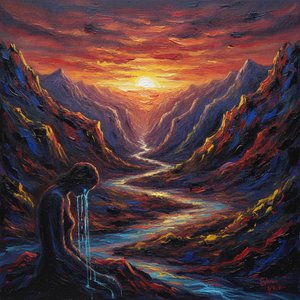
Capturing Emotion: A Journey Through the Soul of Expressionist Landscapes
Explore the profound emotional depth of Expressionist landscapes. Discover how Post-Impressionist masters moved beyond light to capture the soul through vibrant color and form. A curated journey for true art lovers seeking the beauty of expressive mastery.

Capturing the Soul: The Most Emotionally Moving Impressionist and Post-Impressionist Masterpieces
Discover the profound emotional depth of Impressionist and Post-Impressionist masterpieces. Explore how legends like Monet, Van Gogh, and Gauguin captured light and soul through evocative landscapes and vibrant brushwork for a timeless connection to art history.
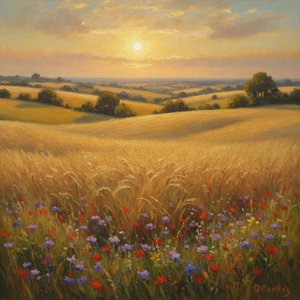
Golden Fields & Sun-Drenched Meadows: Capturing the Soul of Impressionist Landscapes
Immerse yourself in the luminous world of Impressionist landscapes. Discover how masters like Monet and Gauguin captured ephemeral light through plein air painting, and learn to bring the soul of sun-drenched meadows into your home with exquisite, hand-painted oil reproductions.

The Beauty of Impermanence: Capturing Decay through Impressionist Eyes
Explore the profound beauty of impermanence through Impressionist and Post-Impressionist eyes. Discover how masters like Monet and Van Gogh captured fleeting light and the poetic essence of nature's transitions in our deep dive into art history and emotional landscapes.