Náhled v interiéru
 Sdílet
 Sdílet
 Podrobnosti o díle
 Průvodce

 Stáhnout
 Podobné položky
 Rentgenové snímky
 Slideshow
 Otázky a odpovědi
 Statistiky
Raj, Výstup svatých


Hieronymus Boschova díla „Raj, Terestriální ráj“ zobrazují Adama a Evu v bohaté scéně pozemského ráje, kde jsou zkoumány témata vykoupení a morálky ve složitém symbolickém světě. Objevte tuto výbornou práci!
 Zobrazit více
Hieronymus Bosch (1450-1516) – nizozemský malíř s fantastickými obrazy, symboly a znepokojivou atmosférou. Jeho díla inspirovala surrealismus a dodnes fascinují.
Giclée / Umělecký tisk
Giclée nebo plátěný tisk muzeální kvality s rychlou výrobou a širokou nabídkou povrchových úprav. ( Koupit ručně malovaný obraz Přepnout na digitální obraz)




P118B Kč10

P118H Kč10

P118W Kč10

P438Z Kč10

P508JH Kč12

P508YH Kč12

P805H Kč10

P805Z Kč10

P919BZ Kč10

P919G Kč10

P919XJ Kč10

P959ZH Kč10

P968JZ Kč12

W106C Kč8

W218G Kč10

W218JH Kč8

W218Y Kč10

W307PJ Kč10

W316G Kč10

W316PJ Kč8

W316Y Kč10

W398PJ Kč8

W4111J Kč10

W500HY Kč15

W500JH Kč15

W692G Kč12

W849H Kč8

W940BG Kč15

W953PJ Kč8




Standardní velikost
na zakázku
CM
INCH
Vyberte si z našich přednastavených velikostí, které odpovídají původním proporcím díla.
Loading sizes...

šířka
výška
Zadejte šířku a výšku, které potřebujete pro váš rám nebo stěnu. Tisk lze pouze oříznout, nikdy však nelze zvětšit obraz nad jeho původní rozměr, proto při výběru jiného formátu dochází ke ztrátě části obrazu. Před samotným tiskem vám zašleme digitální náhled k schválení. Obraz zobrazený na této stránce nenabízí skutečný výřez — ten uvidíte pouze v náhledu.
Celosvětové doručení () do 2 týdnů namísto standardních 4/5 týdnů. (4 listopad)

Zdarma celosvětová expresní doprava

Vysoce kvalitní lněné plátno

Kompletní pojištění přepravy

Záruka vrácení celního poplatku

Záruka věrného barevného souladu

100dení lhůta pro vrácení zboží (pouze při vadách výroby)

100% záruka vrácení peněz

Sleva při více objednávkách
 Skleněná varianta je dostupná pouze u rozměrů menších než 110 cm

Raj, Výstup svatých
Giclée / Umělecký tisk
Rozměry reprodukce
-


Celková cena za vybrané možnosti reprodukcí
Kč 1518
Paradise, Ascent of the Blessed
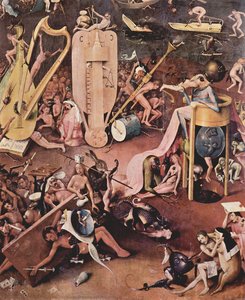
Hieronymus Bosch’s “Paradise, Terrestrial Paradise,” namalován okolo roku 1490, stojí za nesmírný úspěch v umění renesansu a jako děsivý důkaz jedinečného vidění umělce. Umístěn ve Palazzo Ducale ve Venuzi, Itálie – repozitář venetské umělecké velikosti – tento monumentální polyptych nabízí divákům cestu do oblastí teologické úvah a znepokojivé psychologické explorace. Boschův obraz není jen zobrazení biblického ráje; je to složitá alegorie, která se zabývá základními otázkami morálky lidské a Božím soudem.Kompozice: Cesta k věčnosti
Jádrem díla je obrovský tunel – vstupní brána do věčnosti – dominovaný zářícími anděly vystupujícími vzhůru směrem k nebeské blaženosti. Tito tvorové, počítající se minimálně třinácti, jsou propletení složitým obrazem pohybu a gesta, což vytváří působivé zážitky pro oko. Bosch pečlivě vytvořil tuto kompozici tak, aby odrážela biblický příběh Genesis 2:8-14, kde Adam a Eva vystupují vzhůru k trůnu Božímu po pádu. Na rozdíl od idealizovaných zobrazení ráje běžných v umění renesansu prezentuje Bosch scénu nabitou napětím – bojové pole duší usilujících o spasení mezi démonickou interferencí. Výstup tunelu symbolizuje touhu a Božskou milost, zatímco okolní osoby vyjadřují jak andělskou laskavost tak lidskou zranitelnost.Symbolismus a Interpretace
Boschův génius spočíval ve své mistrovské využívání symboliky, která odráží všudějícího se vliv středověké mystiky ve svém uměleckém prostředí. Každý prvek – od groteskních rostlinných a živočišných druhů zdobících stěny tunelu až po vyříkající si tváře vystupujících duší – má hluboký význam. Démoni se skrývají pod povrchem, představují pokušení a zoufalství, neustále se snaží návštěvníky vrátit zpět od Božího objetí. Tunel sám je interpretován jako metafora pekla, kde duše procházejí očistou před vstupem do ráje. Boschova pozornost k detailům dokazuje jeho přesvědčení, že život na Zemi je neustále zastíněn hříchem a smrtí – přesvědčení silně vyjadřující se prostřednictvím znepokojivých obrazů díla, což svědčí o jeho schopnosti vyvolávat úvahové zážitky a inspirovat úžas.Umělecký styl: Překrývání renesanční estetiky a nizozemského původu
“Paradise, Ascent of the Blessed” ukazuje Boschův charakteristický umělecký styl – kombinaci renesančního idealizmu s expresivní realitou typickou pro nizozemskou tradici. Obraz byl vytvořen olejcem na dřevěné desce a vykazuje mimořádné odborné znalosti, zejména při zachycování jemných textur a vyjadřování atmosféry hloubky. Boschův výcvik v Haarlemu mu poskytl prohlubující porozumění perspektivě a anatomické přesnosti, přesto odmítl konvenční umělecká pravidla ve prospěch zobrazování znepokojivých vizí nabitých psychologickou komplexitou. Tento stylistický hybrid působí odlišně od mnoha jeho současníků a přispívá k trvalému fascinaci obrazu – důkazem jeho schopnosti vyvolávat úvahové zážitky a inspirovat úžas.Reprodukce na TopImpressionists.com
Pro ty, kteří si chtějí prohlédnout Boschovu vizionářskou estetiku, TopImpressionists.com nabízí nádherné ručně vyráběné olejomalby reprodukce vytvořené zkušenými řemeslníky. Tyto věrné rekonstrukcí Boschova původního obrazu zajišťují, že každý print zachytává jeho umělecké dědictví – působivý doplněk každé kvalitní sbírky. Prozkoumejte Terrestrial Paradise pro další pohled na Boschovu hlubokou exploraci věčnosti.- Umělec: Hieronymus Bosch
- Název obrazu: Paradise, Ascent of the Blessed
- Muzeum: Palazzo Ducale, Venice, Italy
- Styl: Renaissance, Oil on panel
Otázky a odpovědi
Lze dílo „Raj, Výstup svatých“ zobrazit v náhledu v rozšířené realitě?
Dílo „Raj, Výstup svatých“ nabízí náhled v rozšířené realitě: na stránce Náhled v rozšířené realitě si jej můžete prohlédnout ve vlastním prostoru pomocí kompatibilního zařízení.
Kde si mohu koupit print díla „Raj, Výstup svatých“ od Hieronymus Bosch?
Dílo "Raj, Výstup svatých" je k dispozici jako umělecký tisk na bavlněném plátně nebo archivním plátnovém papíře. Objednávku můžete zadat na stránce Kvalitní umělecký tisk v požadované velikosti.
Kdo vytvořil dílo "Raj, Výstup svatých" a v jakém stylu je zpracováno?
Dílo „Raj, Výstup svatých“ vytvořil/a Hieronymus Bosch v rámci směru Renesance.
Biografie umělce
A Netherlandish Enigma: The Life and Art of Hieronymus Bosch
Born around 1450 in the vibrant, bustling town of ’s-Hertogenbosch in the Netherlands—then part of Brabant—Hieronymus Bosch, originally Jheronimus van Aken, remains one of art history’s most compelling and mysterious figures. His world was steeped in late medieval religious fervor, folklore, and a growing sense of societal unease, all of which would profoundly shape his uniquely unsettling artistic vision. Coming from a family with a long tradition of painting—his grandfather, Jan van Aken, and father, Anthonius van Aken, were both artists—Bosch likely received his earliest training within the family workshop, absorbing the techniques and conventions of Netherlandish painting. However, even in his formative years, he began to diverge from established norms, hinting at the extraordinary imagination that would define his career. Biographical details are frustratingly scarce; records are fragmented, leaving much open to speculation and interpretation, adding to the aura of mystique surrounding both the man and his work. He married Aleyt Goyaerts van den Meerveen sometime before 1481, a union that provided him with some financial security through her family’s holdings, but little else is known about their personal life.Fantastical Visions and Symbolic Depths
Bosch's artistic style is instantly recognizable—a captivating blend of meticulous detail and wildly imaginative imagery. He primarily worked with oil on oak panels, demonstrating a masterful command of the medium, achieving luminous colors and intricate textures. While his early works show influences from traditional Netherlandish painting, particularly in their realism and attention to detail, he quickly moved beyond mere imitation, developing a profoundly original vision. His paintings are not simply representations of reality; they are allegorical landscapes populated by bizarre creatures, hybrid beings, and unsettling scenes that seem plucked from dreams—or nightmares. Religious themes form the core of much of his work, but these are rarely straightforward depictions of biblical stories. Instead, Bosch uses symbolism to explore complex moral and theological concepts, often focusing on the dangers of sin, the fragility of earthly pleasures, and the inevitability of divine judgment. His creatures—grotesque demons, fantastical animals, and strangely human figures—are not merely decorative elements; they are embodiments of vice, temptation, and spiritual corruption. The blending of the sacred and the profane, the beautiful and the grotesque, creates a uniquely unsettling effect that continues to captivate viewers centuries later.Masterpieces of Moral Allegory
Among Bosch’s most celebrated achievements is The Garden of Earthly Delights (c. 1490-1510), a triptych that remains one of the most enigmatic and debated works in art history. When opened, it presents a panoramic vision of paradise, earthly life, and hell—a complex allegorical representation of humanity’s fall from grace. The left panel depicts the Garden of Eden, teeming with fantastical creatures and lush vegetation; the central panel portrays a world consumed by sensual pleasure and unrestrained desire; and the right panel offers a terrifying glimpse into the torments of hell. The Triptych of the Last Judgement (c. 1480-1490) is another powerful example of his skill in portraying both heavenly bliss and infernal torment, while The Ascent of the Blessed (c. 1480-1490) demonstrates his ability to create ethereal and dreamlike scenes. Even smaller works like Epiphany (c. 1495) showcase his innovative use of oil on wood and complex symbolism, revealing a mind constantly grappling with profound questions about faith, morality, and the human condition.Influences and Artistic Development
Identifying Bosch’s direct influences is a challenging task, given the originality of his vision. Scholars suggest possible connections to medieval folklore, religious texts—particularly those emphasizing apocalyptic themes—and the prevailing anxieties of the time, including fears of heresy and social upheaval. However, it's clear that he synthesized these elements into something entirely new and uniquely his own. His early works demonstrate a strong influence from the Flemish school, particularly in their meticulous detail and realistic portrayal of figures and objects. Yet, as his career progressed, Bosch increasingly departed from traditional conventions, embracing a more expressive and symbolic style. He drew inspiration from contemporary prints and woodcuts, which were becoming increasingly popular during this period, and incorporated elements of natural history—particularly depictions of animals—into his paintings. The influence of the late Gothic artistic tradition is also evident in his use of perspective and his dramatic compositions.Legacy and Enduring Influence
Bosch’s work has had a profound and lasting impact on art history. Pieter Bruegel the Elder directly followed in his footsteps, adopting similar themes and compositional techniques, while later movements, such as Surrealism, also drew inspiration from Bosch’s dreamlike imagery and exploration of the subconscious. Artists like Salvador Dalí and Max Ernst openly acknowledged their debt to his unsettling visions. Even today, Bosch's work continues to fascinate and provoke debate, solidifying his place as a master of Netherlandish painting and a visionary artist whose influence extends far beyond his own time. His paintings offer valuable insights into the religious, social, and psychological climate of the late 15th and early 16th centuries, challenging conventional norms and paving the way for new forms of artistic expression. He died in 1516, leaving behind a body of work that continues to haunt and inspire, ensuring his enduring legacy as one of art history’s most singular and unforgettable voices.
Hieronymus Bosch
1450 - 1516 , Nizozemsko
Rychlé informace o umělci
- Artistic Movement Or Style: Surrealismus, Symbolismus
- Artists Or Movements Influenced By This Artist: ['Pieter Bruegel']
- Date Of Birth: c. 1450
- Date Of Death: 1516
- Full Name: Hieronymus Bosch
- Nationality: Nizozemec
- Notable Artworks:
- Zahrada Zemských Delostí
- Poslední soud Triptych
- Vzestup spasitelů
- Place Of Birth: Den Bosch, Nizozemsko
Související články

Hieronymus Bosch: Decoding the Visions of a Netherlandish Master
Explore the captivating world of Hieronymus Bosch! Delve into the symbolism, religious context, and artistic innovation of this Netherlandish master with TopImpressionists's expert analysis. Discover his iconic paintings & lasting influence.

Hieronymus Bosch: Top 25 mistrovských děl pro váš interiér | TopImpressionists.com
Prozkoumejte 25 ikonických děl Hieronymuse Bosche! Obrazy plné symboliky, středověké fantazie a alegorií. Reprodukce v nejvyšší kvalitě pro váš interiér na TopImpressionists.com. Inspirace a umělecké tisky online.

Unveiling Hidden Meanings: Allegory in Western Art History
Explore the rich history of allegory in Western art! Discover hidden meanings in masterpieces from Giotto to Bosch & beyond. Expert insights for collectors and enthusiasts at TopImpressionists.

Jacopo Tintoretto: 25 mistrovských děl benátského mistra | TopImpressionists.com
Prozkoumejte 25 ikonických děl Jacopa Tintoretta, benátského mistra dramatické renesance. Objevte příběhy za obrazy plnými emocí a světla. Reprodukce obrazů nejvyšší kvality na TopImpressionists.com – inspirace pro váš interiér.

Top 25 uměleckých děl z Museo del Prado: Velázquez, Goya a mistři španělského baroka | TopImpressionists.com
Prozkoumejte 25 ikonických děl z Museo del Prado v Madridu! Obdivujte Velázqueze, Goyu a El Greca. Historie umění, techniky a inspirace pro váš interiér. Reprodukce obrazů nejvyšší kvality na TopImpressionists.com.
Prozkoumejte umělecká díla uspořádaná podle témat, stylů a charakteristik.