


 Zobrazit v interiéru
 Odeslat
 Sdílet
 Podrobnosti
 Průvodce

 Stáhnout obrázek
 Podobné kousky
 Rentgenové snímky
 Slideshow
 Statistiky
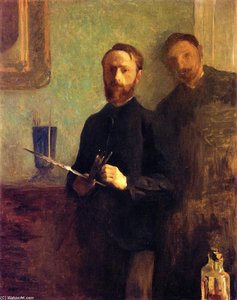
Two Men
 Oil On Canvas
- WallArt
- Realist Observation
 1865
1865 27.0 x 21.0 cm
 Metropolitní muzeum umění
 Přečíst si více
Edgar Degas: Francouzský malíř, známý svými tanečníčkami, pařížským životem a inovativními technikami – skutečný mistr moderního umění. Jeho díla jsou plná dynamiky a realismu.
Ručně malovaná olejová reprodukce
Ručně malované olejné plátno v libovolném rozměru i s rámem, vyrobené našimi umělci na zakázku. ( Přepnout na tiskové verze Přepnout na digitální verzi obrazu)




P118B Kč10

P118H Kč10

P118W Kč10

P438Z Kč10

P508JH Kč12

P508YH Kč12

P805H Kč10

P805Z Kč10

P919BZ Kč10

P919G Kč10

P919XJ Kč10

P959ZH Kč10

P968JZ Kč12

W106C Kč8

W218G Kč10

W218JH Kč8

W218Y Kč10

W307PJ Kč10

W316G Kč10

W316PJ Kč8

W316Y Kč10

W398PJ Kč8

W4111J Kč10

W500HY Kč15

W500JH Kč15

W692G Kč12

W849H Kč8

W940BG Kč15

W953PJ Kč8




Standardní velikost
na zakázku
CM
INCH
Vyberte si z našich přednastavených velikostí, které odpovídají původním proporcím díla.
Loading sizes...

šířka
výška
Zadejte šířku a výšku, které potřebujete pro váš rám nebo stěnu. Protože se jedná o ruční malbu, při výběru jiného formátu může umělec kolem obrazu domalovat o něco více, nebo jej mírně oříznout — rozhodnete si vy. Před zahájením malby vám zašleme digitální náhled ke schválení. Obraz zobrazený na této stránce neodpovídá skutečnému výsledku — pouze digitální náhled jej zobrazuje.
Příklady možných změn: nahrazení obličeje vlastní fotografií; přidání domácího mazlíčka (např. nahrazení kočky psem); vložení skrytého vzkazu do pozadí; změna krajiny nebo prvků v pozadí.
Po přijetí objednávky vám tým TopImpressionists.com zašle e-mail s pokyny a poskytne náhledovou verzi.
Po přijetí objednávky vám tým TopImpressionists.com zašle e-mail s pokyny a poskytne náhledovou verzi.
Celosvětová doprava () za 3–4 týdny namísto standardních 5 týdnů. (23 říjen). Bez kompromisů v kvalitě.

Zdarma celosvětová expresní doprava

Vysoce kvalitní lněné plátno

Úplné pojištění přepravy

Záruka vrácení celního poplatku

Záruka věrného barevného shodu

100dení lhůta pro vrácení zboží (pouze při vadách výroby)

100% garance vrácení peněz

Sleva při více objednávkách
 Skleněná varianta je dostupná pouze u rozměrů menších než 110 cm

Two Men
Technika provedení
Velikost reprodukce
-


Celková cena
Kč 5770
A Moment Frozen in Time: Edgar Degas’s “Two Men”
Edgar Degas's "Two Men," painted in 1865, isn’t merely a depiction of two figures; it’s a carefully constructed tableau brimming with unspoken narratives and the quiet observation that defined the artist’s unique approach to painting. Often considered a pivotal work in his oeuvre, this piece reveals Degas’s fascination with capturing candid moments – individuals caught in their everyday routines, revealing glimpses into their personalities and the atmosphere of their surroundings. The scene, likely situated within an artist's studio, immediately draws the viewer in with its muted palette and the palpable sense of a shared, yet private, conversation.
The painting’s composition is deliberately asymmetrical. The man on the right, seated and partially turned away, exudes a certain reserve, perhaps even weariness. His posture suggests contemplation or perhaps simply the burden of artistic endeavor. Conversely, the figure standing before us—the identity of whom remains tantalizingly unknown – possesses an openness, his gaze directed squarely at the viewer. This directness creates an immediate connection, inviting speculation about their relationship and the subject of their discussion. Degas masterfully uses this contrast to generate a dynamic tension within the frame, suggesting a complex interplay between observation and engagement.
Decoding the Brushstroke: Technique and Style
Degas’s distinctive style is immediately apparent in “Two Men.” He eschews the smooth, polished surfaces favored by many of his contemporaries, opting instead for loose, expressive brushstrokes that imbue the painting with a remarkable sense of movement. The paint isn't blended; rather, it’s applied in visible dabs and dashes, creating an almost tactile quality to the surface. This technique perfectly captures the fleeting nature of the moment – the suggestion of conversation, the rustle of clothing, the play of light on skin. The artist’s use of color is equally deliberate, relying on a restrained palette of earthy tones—ochres, browns, and grays—that contribute to the painting's somber mood and reinforce its sense of realism.
Notably, Degas employed oil paint on wood panel, a medium that allowed for both textural richness and a subtle sheen. The way light reflects off the surface reveals the artist’s meticulous attention to detail, highlighting the textures of fabric and the contours of the figures' faces. The visible brushwork isn’t simply an aesthetic choice; it’s integral to conveying the immediacy and spontaneity of the scene.
A Glimpse into a Parisian World
“Two Men” offers a valuable window into the artistic milieu of 19th-century Paris. The setting, likely Degas's studio, was a hub for creative exchange—a space where artists gathered to discuss ideas, critique each other’s work, and simply observe the world around them. The presence of Émile Lévy, a student at the French Academy in Rome when Degas met him, adds another layer of historical context. This encounter likely fueled Degas's interest in portraying figures engaged in intellectual pursuits – a recurring theme throughout his career.
Beyond its biographical details, the painting speaks to a broader cultural shift. Degas’s focus on everyday life and ordinary people represented a departure from the grand historical narratives favored by earlier generations of artists. He sought to capture the essence of modern existence—the complexities of human interaction, the rhythms of daily routine, and the subtle nuances of personality.
Emotional Resonance and Timeless Appeal
Despite its apparent simplicity, “Two Men” possesses a profound emotional resonance. The painting’s quiet intimacy invites viewers to contemplate the unspoken connections between individuals—the shared experiences that shape our lives and the mysteries that lie beneath the surface of everyday interactions. The ambiguity surrounding the figures' identities further enhances this effect, prompting us to project our own interpretations onto the scene.
A hand-painted reproduction of “Two Men” by TopImpressionists.com offers a remarkable opportunity to bring this captivating artwork into your home or office. The meticulous detail and vibrant colors faithfully recreate Degas’s original vision, allowing you to appreciate the artist's genius and immerse yourself in the atmosphere of his Parisian studio. It is more than just a painting; it’s a portal to another time, a testament to the enduring power of observation, and a celebration of the beauty found in the ordinary.
Otázky a odpovědi
Lze dílo „Two Men“ od Hilaire-Germain-Edgar Degas, které je uloženo v Metropolitní muzeum umění, legálně reprodukovat?
Originál díla „Two Men“ se nachází v instituci Metropolitní muzeum umění a toto dílo je patří do volného užití – autorská práva vypršela.
Co zachycuje dílo „Two Men“ od Hilaire-Germain-Edgar Degas?
Témata obsažená v díle „Two Men“ od Hilaire-Germain-Edgar Degas zahrnují degas, men, studio, gesture, observation, paris, 1865. Tato témata společně shrnují obsah celého uměleckého díla.
Jaké emoce vyjadřuje dílo Realist Observation s názvem „Two Men"?
V rámci směru Realist Observation je dílo „Two Men“ zachyceno v Melancholic tónu.
Související díla




Biografie umělce
A Life Immersed in Movement
Edgar Degas, rodným jménem Hilaire Germain Edgar de Gas, se narodil v Paříži v roce 1834 a jeho život byl fascinující směsicí protikladů. Ačkoli je často zařazen mezi impresionisty – Monet, Renoir a další, kteří v pozdní 19. století revolucionalizovali malbu – aktivně se této kategorii vyhýbal, spíše se identifikoval jako realista. Tento závazek vycházel z jeho pečlivého pozorování světa kolem něj a oddanosti zobrazování ho s neochvějnou upřímností. Degasův raný život byl pohodlně buržoazní; jeho otec byl bankéř a matka pocházela z kreolské rodiny v Novém Orleans. Tento původ mu poskytl přístup k vzdělání a uměleckému tréninku, i když často mlátil na akademické omezení. Nejprve se přihlásil na Lycée Louis-le-Grand, ale jeho skutečné vzdělání začalo, když začal kopírovat díla v Louvru, zdokonaloval své dovednosti a zapálil si životlongou vášeň pro klasické umění. Nicméně Degasův cíl nebyl striktní dodržování tradice; byl to neustále zpochybňující a přehodnocovací proces uměleckých norem. Vlastnil nezávislý duch, který definoval jeho celou kariéru.Beyond Impressionism: A Unique Artistic Vision
Zatímco současníci jako Monet pronásledovali mihotavé efekty světla venku, Degas převážně pracoval v rámci svých dílen, pečlivě sestavoval scény z pozorování a paměti. Jeho předmětem zájmu byla moderní podoba – odklon od historických nebo mytologických témat, která preferovali mnozí akademici. Najdi inspiraci v každodenních životech Pařížanů: pranátři, tanečníky kabaretu, klobouničky a především baleríny. Toto fascinování baletem definuje velkou část jeho díla. Degas nevytvořil jen krásné baleríny; zachycoval krutou realitu jejich povolání – nekonečné hodiny zkoušek, fyzickou námahu, krátké okamžiky elegance uprostřed tvrdé práce. Jeho kompozice jsou často nekonvenční, figurky zobrazuje neočekávanými způsoby a využívá asymetrické uspořádání, které vytváří pocit dynamiky a přítomnosti. Byl mistrem v zachycování pohybu, nikoli rozmazanými liniemi nebo mlhavými efekty, ale pečlivým pozorováním a přesným zobrazením tvaru. *Dancer, A Group of Dancers* a *Women Combing Their Hair* jsou příklady jeho oddanosti zobrazování lidského těla v pohybu a odhalování složitostí moderního života. Nebyl zájem o povrchní krásu; toužil po odhalení pravdy pod povrchem.Influences and Artistic Development
Degasův umělecký vývoj byl utvářen rozmanitými vlivy. Jeho rané vzdělání kladlo důraz na klasické principy, zejména díla Jean-Auguste-Dominique Ingresa, jehož zdůraznění draftmanshipu a přesného tvaru zanechalo trvalý dojem. Nicméně Degas obdivoval i realisty, jako Gustave Courbet, kteří podněcovali akademickou konvenci a prosazovali zobrazování současného života. Klíčový okamžik v jeho vývoji přinesla jeho asociace s Camille Pissarro, vedoucím impresionistou, který mu představil další umělce a povzbuzoval ho k experimentování s novými technikami. Byl okouzlán japonskými rytinami – Ukiyo-e – které ovlivnily jeho použití asymetrických kompozic, zploštělých perspektiv a výrazných vzorů. Také přijmul fotografii, rozpoznávaje její potenciál pro studium pohybu a zachycení krátkých okamžiků v čase. Tato ochota integrovat různé vlivy do svého díla je to, co ho odlišuje a přispívá k jedinečné povaze jeho umění. Nebyl si jistý, že se bude držet pouze jednoho stylu; spíše se snažil kombinovat různé prvky a vytvořit něco zcela nového.The Ballet as Central Theme
Degasův zájem o balet byl dominantní tématem v jeho umění po většinu jeho kariéry. Jeho pozorování baletních taneček v Pařížské opeře bylo hluboké a detailní, od zkoušek až po představení. Vytvořil tisíce skic a obrazů, zachycujících tanečníky v různých pózách a situacích – v šatnách, při rozcvičování, během přestávek a na jevišti. Jeho obrazy baletních taneček se odlišují od tradičních portrétů, protože se zaměřují na dynamiku pohybu, expresi a osobnosti tanečníků. Vytvořil ikonické díla jako *Dancer at the Barre*, *The Dying Swan* a *Rehearsal of the Ballet*. Jeho práce nebyly jen esteticky příjemné; snažil se zachytit skutečný život a námahu spojenou s baletem.Legacy and Lasting Impact
Edgar Degas zemřel v Paříži v roce 1917, zanechávaje za sebou dílo, které stále fascinuje a inspiruje publikum po celém světě. Jeho inovativní přístup k kompozici, mistrovské draftmanship a neochvějné zobrazování moderního života měly hluboký dopad na průběh umělecké historie. Otevřel cestu budoucím generacím umělců, kteří se snažili překročit tradiční konvence a prozkoumat nové způsoby reprezentace světa kolem nich. Jeho vliv lze vidět ve dílech Pabla Picassa a Henriho Matisse, mezi jinými. Muzea po celém světě – včetně Musée d'Orsay a Musée de l’Orangerie v Paříži – vystavují významné sbírky jeho obrazů, pastelí, soch a ryteček, zajišťující, že jeho dědictví bude trvat pro budoucí generace. Degas nebyl jen malíř tanečníků nebo koněm; byl pozorným pozorovatelem lidské povahy, mistrem tvaru a pohybu a skutečným inovátorem, který přepsal možnosti umění.
Hilaire-Germain-Edgar Degas
1834 - 1917 , Francie
Rychlé informace
- Artistic Movement Or Style: Impresionismus, Realismus
- Artists Or Movements Influenced By This Artist:
- Picasso
- Matisse
- Artists Who Influenced This Artist:
- Ingres
- Courbet
- Pissarro
- Date Of Birth: 1834
- Date Of Death: 1917
- Full Name: Hilaire-Germain-Edgar De Gas
- Nationality: Francouzský
- Notable Artworks:
- Dancer and Tambourine
- The Ballet Class
- Degas in a Green Jacket
- The Collector
- Women Combing Their Hair
- Place Of Birth: Paříž, Francie
Související články

Edgar Degas: Capturing Modern Life – A Study of Movement, Observation, and the Parisian Belle Époque
Explore the captivating world of Edgar Degas! Discover his innovative techniques, iconic ballet paintings, and unique portrayal of Parisian life in this insightful art history study.

Top 10 impresionistických mistrovských děl, které změnily svět umění | TopImpressionists
Prozkoumejte 10 ikonických děl impresionismu od Monet, Renoir a Van Gogha. Objevte příběhy za slavnými obrazy, techniky a inspiraci pro váš interiér. Kvalitní reprodukce na TopImpressionists.com!

Paul Cézanne: 25 mistrovských děl a revoluce v moderním umění | TopImpressionists.cz
Prozkoumejte 25 ikonických děl Paula Cézanna – průkopníka moderního umění a impresionismu. Obdivujte jeho still life, krajiny a portréty. Reprodukce obrazů v nejvyšší kvalitě na TopImpressionists.com. Inspirace pro váš interiér!

Impresionismus v obrazech: Top 10 děl, které definují tento revoluční styl
Prozkoumejte 10 ikonických děl impresionismu od Monet, Renoir a dalších. Objevte příběhy za obrazy plnými světla a barev. Reprodukce nejvyšší kvality pro váš interiér na TopImpressionists.com

Top 10 impresionistických mistrovských děl, která změnila svět umění |
Prozkoumejte 10 ikonických děl impresionismu od Monet, Renoir, Degas a dalších. Objevte příběhy za obrazy plnými světla a barev. Najděte perfektní umělecké reprodukce pro váš interiér na .
Prozkoumejte umělecká díla uspořádaná podle témat, stylů a charakteristik.


