


 Zobrazit v interiéru
 Odeslat
 Sdílet
 Podrobnosti
 Průvodce

 Stáhnout obrázek
 Podobné kousky
 Rentgenové snímky
 Slideshow
 Statistiky
The Ponte Solario
 Oil On Canvas
- WallArt
- Romantic Landscape
 1775
1775- Early Modern
 91.0 x 121.0 cm
 Národní galerie umění
Experience Romantic decay with Hubert Robert's 1775 vision of The Ponte Solario, capturing sublime ruins bathed in atmospheric light; discover this masterpiece today.
 Přečíst si více
Hubert Robert (1733-1808): Francouzský malíř krajinářů a 'capricci' ruin, mistr spojování historie, rozkladu a fantazie. Objevte jeho umělecké dílo!
Ručně malovaná olejová reprodukce
Ručně malované olejné plátno v libovolném rozměru i s rámem, vyrobené našimi umělci na zakázku. ( Přepnout na tiskové verze Přepnout na digitální verzi obrazu)




P118B $10

P118H $10

P118W $10

P438Z $10

P508JH $12

P508YH $12

P805H $10

P805Z $10

P919BZ $10

P919G $10

P919XJ $10

P959ZH $10

P968JZ $12

W106C $8

W218G $10

W218JH $8

W218Y $10

W307PJ $10

W316G $10

W316PJ $8

W316Y $10

W398PJ $8

W4111J $10

W500HY $15

W500JH $15

W692G $12

W849H $8

W940BG $15

W953PJ $8




Standardní velikost
na zakázku
CM
INCH
Vyberte si z našich přednastavených velikostí, které odpovídají původním proporcím díla.
Loading sizes...

šířka
výška
Můžete zadat vlastní rozměry pro konkrétní rám nebo prostor. Pokud se vámi vybraná velikost neshoduje s proporcemi původního obrazu, dílo buď ořízneme, nebo jej doplníme ručně malovanými prvky. Před zahájením výroby vám bude zaslán digitální náhled ke schválení.
Upozorňujeme, že náhled na obrazovce neodpovídá skutečnému ořezu ani rozšíření. Pouze digitální náhled přesně zobrazí finální kompozici.
Ačkoliv je možné zvolit vlastní velikost, pro zachování původních proporcí doporučujeme vybrat rozměr z předdefinovaného seznamu.
Příklady možných změn: nahrazení obličeje vlastní fotografií; přidání domácího mazlíčka (např. nahrazení kočky psem); vložení skrytého vzkazu do pozadí; změna krajiny nebo prvků v pozadí.
Po přijetí objednávky vám tým TopImpressionists.com zašle e-mail s pokyny a poskytne náhledovou verzi.
Po přijetí objednávky vám tým TopImpressionists.com zašle e-mail s pokyny a poskytne náhledovou verzi.
Celosvětová doprava () za 3–4 týdny namísto standardních 5 týdnů. (27 září). Bez kompromisů v kvalitě.

Zdarma celosvětová expresní doprava

Vysoce kvalitní lněné plátno

Úplné pojištění přepravy

Záruka vrácení celního poplatku

Záruka věrného barevného shodu

100dení lhůta pro vrácení zboží (pouze při vadách výroby)

100% garance vrácení peněz

Sleva při více objednávkách
 Skleněná varianta je dostupná pouze u rozměrů menších než 110 cm

The Ponte Solario
Technika provedení
Velikost reprodukce
-


Celková cena
$ 269
The Ponte Solario: A Vision of Decay Embraced by Romantic Light
Hubert Robert’s “The Ponte Solario,” completed in 1775, stands as a cornerstone of Romantic landscape painting—a genre that prioritized emotion and imagination over strict adherence to classical ideals. More than just a depiction of crumbling stone and weathered timbers, the canvas embodies Robert's fascination with ruins as symbols of time’s relentless passage and the sublime beauty inherent in decay.
Subject Matter and Composition
The painting portrays a magnificent castle perched atop a rocky promontory overlooking a tranquil lake. A graceful bridge spans across the water, connecting the castle to the shore—a deliberate compositional element that reinforces the sense of grandeur juxtaposed with vulnerability. Scattered boats dot the surface of the lake, adding dynamism and hinting at human presence within this desolate landscape.
Style and Technique: Romantic Impressionism
Robert’s approach aligns closely with the burgeoning Romantic movement, anticipating elements of Impressionism decades before its formal emergence. He eschewed meticulous detail in favor of capturing fleeting atmospheric effects—the diffused light filtering through mist, the subtle gradations of color reflecting off the stone surfaces. Robert skillfully employed a technique known as “plein air” painting, venturing outdoors to directly observe and render the natural world, prioritizing immediacy and sensory experience.
Historical Context: The Enlightenment’s Shadow
Robert's work emerged during the waning years of the Enlightenment, a period characterized by rational thought and scientific inquiry. However, Robert actively resisted these dominant intellectual currents, embracing instead the emotional power of imagination and memory—themes central to Romantic aesthetics. He drew inspiration from the ruins of Roman temples and villas, reflecting a broader cultural preoccupation with antiquity and its perceived moral lessons. The painting speaks to a yearning for beauty amidst ruin, mirroring anxieties about mortality and the inevitable decline of civilization.
Symbolism: Decay as Beauty
Robert’s masterful use of light and shadow elevates decay beyond mere physical deterioration; it becomes an emblem of spiritual transformation. The crumbling castle represents not just structural weakness but also the fading glory of aristocratic power—a poignant commentary on societal change. Yet, the pervasive luminescence imbues the scene with a sense of serenity and wonder, suggesting that even in ruin, beauty persists—a profound meditation on the cyclical nature of existence.
Emotional Impact
"The Ponte Solario" evokes a powerful emotional response in viewers. Its melancholic atmosphere invites contemplation on themes of loss, remembrance, and acceptance. The painting’s luminous palette captures the sublime grandeur of nature while simultaneously conveying a sense of poignant solitude—a testament to Robert's ability to translate complex psychological ideas into visually arresting imagery.
Biografie umělce
Hubert Robert (1733–1808): A Visionary Painter of Ruins and Time
Hubert Robert, jméno synonymum s evokativními krajinami a romantickou krásou ruin, zaujímal v 18. století francouzské umění jedinečnou pozici. Narodil se v Paříži v roce 1733 a jeho život se rozvíjel proti pozadí měnících se uměleckých stylů a monumentálních historických změn – od hravé elegance Rokoka až po nástup Neoklasicismu, a nakonec i prostřednictvím bouřlivých let Francouzské revoluce. Nebyl to jen dokumentant rozkladu; vytvářel vize, kombinoval pozorování s představivostí, aby vytvořil scény, které rezonovaly jak s nostalgickou touhou po minulosti, tak s očekáváním budoucnosti. Jeho cesta začala ve strukturovaném světě uměleckého vzdělávání, původně pod sochařem Michel-Ange Slodtzem, který Robertovu talentu uznal, ale moudře ho nasměroval k malování, cítil, že jeho pravá vášeň spočívala v zachycení světla, atmosféry a jemné poezie tvaru.Roman Reveries: Shaping an Artistic Identity
Klíčový okamžik Robertova uměleckého vývoje nastal s jeho prodlouženým pobytem v Římě v roce 1754. Společně s Étienne-François de Choiseul, doprovázel ho svět ponořený do historie a architektonické grandeur. Po jedenáct let se tento starověký město stal jeho venkovním ateliérem, jeho rozpadlé chrámy, majestátní oblouky a overgrown zahrady poháněly jeho představivost. Nebyla to jen o replikaci toho, co viděl; šlo o interpretaci, přehodnocení a vložení do něj pocitu melancholické krásy. Pracoval vedle Giovanniho Paola Paniniho, jehož vliv je patrný v Robertových raných *capriccio* kompozicích – fantastických pohledech, které juxtaponovaly klasické ruiny s moderním životem. Nicméně Robert rychle šel dál od imitace, vyvinul si vlastní jedinečný styl charakterizovaný pečlivým detailem, atmosférickou perspektivou a hlubokou citlivostí na hru světla a stínu. Nevytvářel jen ruiny; maloval čas samotný, zachycoval zřetelnost přechodnosti a trvalý vliv paměti. Jeho cestovní zápisky z tohoto období jsou neocenitelnými záznamy o jeho pozorováními, plnými detailních studií římských památek, jako je Villa d’Este a Caprarola, které demonstrují jeho oko pro architektonickou nuanci a krajinnou kompozici.Parisian Acclaim and Royal Patronage
Robertův návrat do Paříže v roce 1765 znamenal obrat ve jeho kariéře. Rychle získal uznání v uměleckém prostředí, získal přijetí do Královské akademie malby a sochařství s “Portem Říma” a zdůraznil svou schopnost evokovat majestátní obrazy. Denis Diderot, významná postava osvícenosti, slavně ocenil grandióznost vyvolanou Robertovými malbami, rozpoznávaje jeho schopnost přenést diváky do jiné doby a místa. Tento úspěch vedl k královskému sponzorství, s pověřením pracovat na dekorativních projektech a jmenováním “Návrhářem Královských zahrad” a později, “Strážcem Královských obrazů”. Stal se žádaným umělcem, nejen pro své obrazové malby, ale také pro své inovativní návrhy zahrad a palácových interiérů. Jeho práce rezonovala s převládajícím vkusem *capriccio* malování – žánru, který oslovoval sběratele fascinovaných historií, archeologií a krásou. Robert však do něj vložil jedinečný cit, zvedl ho nad pouhou dekorativní umění.Revolution, Resilience, and Lasting Legacy
Francouzská revoluce představila bezprecedentní výzvu pro Roberta. Zatímco mnoho umělců se potýkalo s turbulentním politickým klimatem, on sám se ocitl v proudech změn. Dokonce byl během Teroru uvězněn, hrůzný zážitek, který přesto inspiroval sérii studií dokumentujících jeho pobyt ve vězení. Díky revoluci byl Robert jmenován kurátorem nově založeného Centrálního muzea umění – budoucího Louvru, což bylo svědectví o jeho odbornosti a oddanosti zachování kulturního dědictví. Hrála klíčovou roli při organizaci a katalogizaci sbírky muzea, zajišťující, že díla Francie budou chráněna pro budoucí generace. Hubert Robert zemřel v Paříži v roce 1808, zanechávaje za sebou mimořádný soubor děl, které dodnes inspirují úžas a obdiv. Jeho dědictví nespočívá pouze ve své technické mistrovství, ale také v jeho jedinečné schopnosti kombinovat historickou přesnost s představivým viděním. Byl průkopníkem žánru malování, který oslavoval krásu rozkladu i trvalý vliv lidské kreativity.- Key Influences: Giovanni Paolo Panini, Piranesi, the architectural landscape of Rome.
- Major Themes: Ruins, landscapes, *capriccio* paintings, historical memory, the passage of time.
- Artistic Style: Meticulous detail, atmospheric perspective, evocative lighting, blending observation with imagination.

Hubert Robert
1733 - 1808 , Francie
Rychlé informace
- Artistic Movement Or Style: Rokokový a klasický
- Artists Or Movements Influenced By This Artist: ['Renesance']
- Artists Who Influenced This Artist:
- Giovanni Panini
- Piranesi
- Date Of Birth: 22. května 1733
- Date Of Death: 15. dubna 1808
- Full Name: Hubert Robert
- Nationality: Francouzský
- Notable Artworks:
- Port Říma
- Let Galatey
- Place Of Birth: Paříž, Francie
Související články
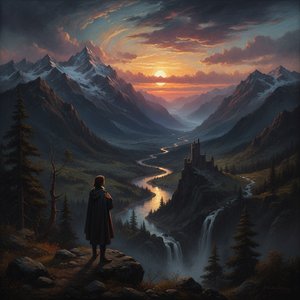
Capturing the Soul: The Emotional Majesty and Sublime Power of Romantic Landscape Painting
Explore the profound emotional depth of Romantic landscape painting. Discover how masters like Turner and Friedrich captured the sublime power of nature through intuition and imagination in this expert art history retrospective.

Capturing the Soul: The Emotional Magic and Sublime Grandeur of Romantic Landscape Painting
Explore the profound emotional depth of Romantic landscape painting. Discover how masters like Friedrich and Turner captured the sublime through light, shadow, and nature's power in this expert art history retrospective for discerning collectors.
Prozkoumejte umělecká díla uspořádaná podle témat, stylů a charakteristik.


