

 Zobrazit v interiéru
 Odeslat
 Sdílet
 Podrobnosti
 Průvodce

 Stáhnout obrázek
 Podobné kousky
 Rentgenové snímky
 Slideshow
 Statistiky
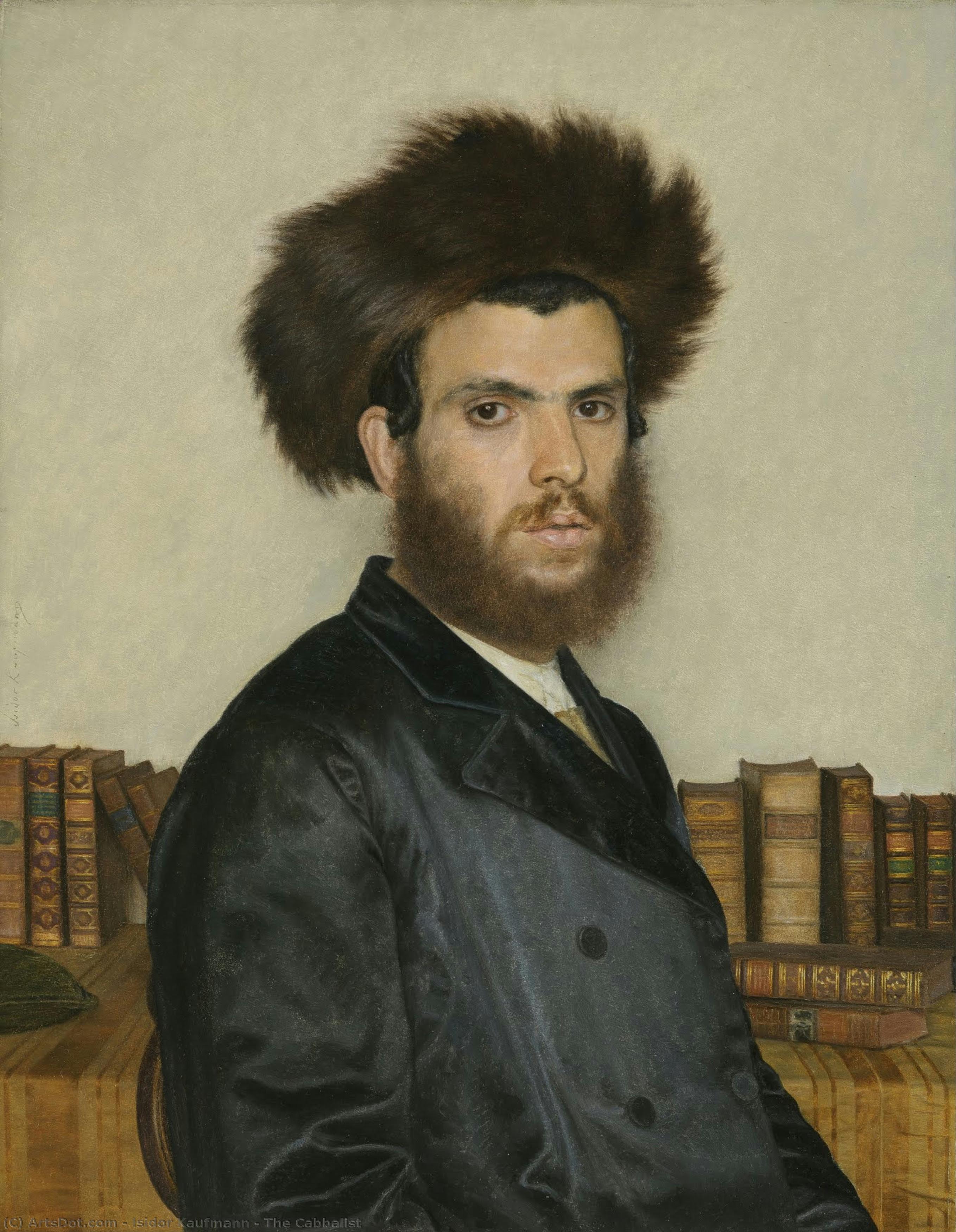
The Cabbalist
 Acrylic On Canvas
- WallArt
- Realism
 1910
1910- 19th Century
 44.0 x 35.0 cm
 Židovské muzeum
A poignant 1910 portrait by Isidor Kaufmann captures a Jewish scholar immersed in Cabbalistic studies, showcasing the artist’s masterful depiction of Hasidic life in Eastern Europe. Discover this evocative artwork and bring its rich history into your space.
 Přečíst si více
Objevte dojmové žánrové malby Isidora Kaufmanna zachycující židovský život ve východní Evropě. Prozkoumejte jeho evokativní díla zobrazující hasidské komunity a historické okamžiky.
Zakupte si digitální obraz ve vysokém rozlišení a vylepšeném provedení, který nabízí mnohem vyšší kvalitu než online náhled.
Každý soubor je pečlivě připraven našimi specialisty s využitím pokročilých nástrojů a odborné manuální retuše. Zajišťujeme, aby každý obraz disponoval výjimečnou ostrostí, přesnou barevnou věrností a jemnými detaily.
Finální soubor vám bude do 72 hodin zaslán e-mailem, optimalizovaný pro okamžité použití v profesionálním, redakčním i tiskovém prostředí. Nabízíme stejnou kvalitu, které důvěřují špičková designová studia, nakladatelství i galerie.
Digitální obrazy
Stáhněte si soubor ve vysokém rozlišení pro osobní prohlížení, tisk a kreativní projekty. ( Přepnout na tiskové verze Objednat ručně malovanou reprodukci)
Součást každé objednávky digitálního obrazu
Exponenciální digitální doručení, zaručené
Když si vyberete TopImpressionists.com, nezískáváte pouze obrázek – získáváte digitální umělecké dílo s profesionálně vylepšenými detaily, zpracované s precizností a podpořené zárukou za spokojenost. Zde je vše, co vaše objednávka automaticky obsahuje:

Bleskové doručení e-mailem
Váš digitální obraz ve vysokém rozlišení vám bude zaslán e-mailem do 72 hodin od objednávky – připraven k okamžitému použití.

Digitální soubor s podporou AI
Vaše umělecké dílo je profesionálně optimalizováno pomocí pokročilých nástrojů umělé inteligence a manuální úpravy, což zajišťuje maximální úroveň detailu, ostrosti a přesnosti barev.

Doživotní bezplatné znovuodeslání
Soubor jste omylem smazali nebo ztratili? Žádný problém – kdykoliv vám ho znovu zašleme zcela zdarma.

Bez poplatků za dovoz – navždy
Užijte si své umělecké dílo okamžitě bez celních poplatků, daní nebo nákladů na dopravu – digitální stažení je vždy bez daňových povinností.

Záruka přesnosti barev
Díky profesionálním nástrojům a správě barev zajišťujeme, aby váš digitální obraz odrážel původní barvy co nejvěrněji.

100dená záruka spokojenosti
Pokud nebudete s digitálním obrázkem spokojeni, provedeme jeho revizi nebo vám vrátíme 100% platby do 100 dnů – bez jakýchkoliv dotazů.

100% záruka vrácení peněz
Nespokojeni? Získejte plnou náhradu peněz do 100 dnů od obdržení digitálního souboru – bez zbytečných dotazů.

Slevy při hromadných objednávkách
Při koupi 3 obrazů ušetříte 10% – Při koupi 5 obrazů ušetříte 15% – Při koupi 10+ obrazů ušetříte 20%. Ideální pro kreativní projekty, galerie a agentury.
Isidor Kaufmann’s ‘The Cabbalist’: A Window into Eastern European Jewish Life
TopImpressionists presents a meticulously crafted hand-painted reproduction of Isidor Kaufmann's “The Cabbalist,” an arresting portrait painted in 1910 that offers a rare and intimate glimpse into the world of Hasidic scholarship. Measuring 44 x 35 cm, this work transcends a simple likeness; it’s a carefully constructed tableau brimming with symbolic weight and reflecting the profound spiritual life of a community largely untouched by the sweeping changes of the early 20th century.
- Subject & Composition: The painting centers on a man – presumably a ‘Cabbalist,’ as the title suggests – seated in what appears to be a study. His weathered face, framed by a neatly trimmed beard and a worn hat, speaks of years spent immersed in contemplation and learning. The arrangement of books surrounding him isn’t merely decorative; it's a deliberate composition that underscores his intellectual pursuits and connection to ancient wisdom.
- Artistic Style & Technique: Kaufmann’s style is firmly rooted in the traditions of Austro-Hungarian genre painting, characterized by its realism and attention to detail. The brushwork is precise yet imbued with a subtle warmth, suggesting a deep understanding of his subject's character and environment. He employs a muted color palette – predominantly browns, grays, and ochres – which contributes to the painting’s solemn and contemplative mood.
A Portrait of Faith: Historical Context & Kaufmann’s Vision
Painted in 1910, “The Cabbalist” captures a pivotal moment in the history of Hasidic Judaism. Isidor Kaufmann (1853-1921), born in Arad, Romania, dedicated his artistic career to documenting the lives and traditions of these communities, primarily in Poland and Romania. His work emerged during a period of significant social and religious change, as traditional Jewish life faced increasing pressure from modernity. Kaufmann’s portraits weren't simply representations; they were acts of preservation, meticulously recording a way of life on the verge of disappearing.
Born to Hungarian Jewish parents, Kaufmann initially pursued commerce before discovering his true calling in painting. His training at the Landes-Zeichenschule in Budapest and subsequent studies at the Vienna Academy of Fine Arts – though initially met with rejection – ultimately shaped his distinctive artistic voice. He was profoundly influenced by Professor Trenkwald, who guided him toward a more focused approach to depicting Jewish life.
Symbolism & Interpretation
The inclusion of numerous books is laden with symbolic meaning within the context of Kabbalah, the mystical branch of Judaism. These volumes represent not just knowledge but also a connection to generations of scholarship and spiritual tradition. The man’s posture – seated, absorbed in his studies – embodies the contemplative nature of this pursuit. The hat, a traditional Jewish head covering, further reinforces his identity and religious devotion. Kaufmann's ability to capture such nuanced details speaks volumes about his deep respect for his subject and his commitment to portraying authentic Jewish life.
Emotional Impact & Collecting
"The Cabbalist" is more than just a beautiful painting; it’s a poignant reminder of a vanishing world. This hand-painted reproduction offers collectors and interior designers alike the opportunity to own a piece of art history, imbued with spiritual significance and artistic merit. Its evocative depiction of scholarly devotion will undoubtedly add depth and character to any space, serving as a constant source of contemplation and appreciation for the rich tapestry of human culture.
Biografie umělce
Kronikář zmizelého světa
Isidor Kaufmann představuje singularní postavu v dějinách rakousko-uherského umění, proslulou svými dojmovými žánrovými malbami, které zachycují každodenní život a duchovní tradice hasidských komunit v Polsku a Rumunsku. Narodil se v roce 1853 v Aradu, tehdejším Uhersku – dnes již součást Rumunska – v židovské rodině, a jeho umělecká cesta byla ovlivněna náhodnými událostmi, které ho nakonec povzdvihly k roli jednoho z nejvýznamnějších kronikářů židovské kultury konce 19. století. Ačkoliv se zpočátku věnoval obchodní kariéře, jeho skutečné povolání se zrodilo během krátkého studia na Landes-Zeichenschule v Budapešti. Tento raný zápal zapálil celoživotní vášeň, která ho dovedla na prestižnou Vídeňskou akademii výtvarných umění, kde si navzdory počátečním překážkám zdokonaloval své schopnosti pod přísným vedením profesora Trenkwalda.
Když se ve živé atmosféře Vídně ugruntoval jako zdatný portrétní malíř, Kaufmann vstřebal stylistické vlivy takových velikánů jako Joseph Matthäus Aigner. Jeho dílo začalo odrážet sofistikovanou směs akademické tradice a rodícího se realismu prosazovaného impresionismem. Tento jedinečný technický základ mu umožnil překonat pouhou reprezentaci a zachytit hlubokou psychologickou hloubku i duchovní váhu svých postav. Jeho mistrovství v technice chiaroscuro – dramatické hře světla a stínu – se stalo jeho ochranným znakem, který svým nárazivým způsobem dodával jeho zobrazením náboženského studia a komunitních rituálů téměř posvátnou atmosféru.
Mistrovské dílo císařského uznání
Zlomový okamžik v Kaufmannově kariéře přinesl monumentální zakázku na obraz „Der Besuch des Rabbi“ (Rabínova návštěva), dílo tak významné, že jej sám císař František Josef I. nechal objednat pro Uměleckoprůmyslové muzeum (Kunsthistorisches Museum). Tato malba slouží jako definitivní svědectví jeho schopnosti propojit precizní detail s hlubokou emocionální rezonancí. Skrze toto plátno Kaufmann dokázal, že nebyl pouhým pozorovatelem tradice, ale mistrem schopným zachytit samotnou podstatu lidské zkušenosti v konkrétních kulturních kontextech. Úspěch tohoto díla upevnil jeho pověst po celé Evropě a označil ho za umělce, který dokázal pozvednout etnografickou tematiku do výšin vysokého umění.
Jeho tvorba je charakteristická intimním pohledem do samotného srdce východoevropského židovského života. Ať už portrétoval kontemplativní klid učence nebo tichou intenzitu mládí, Kaufmannovy malby fungují jako okna do světa, který procházel hlubokými historickými změnami. Mezi jeho nejvýznamnější práce patří:
- Schachspieler (Šachisté): Úchvatný portrét kontemplativního okamžiku rituální hry, který demonstruje jeho schopnost nacházet krásu v každodenních komunitních interakcích.
- Kabalista: Portrét z roku 1910 zachycující židovského učence hluboce ponořeného do mystických studií, ilustrující umělovu schopnost vykreslit duchovní oddanost.
- Portrét mladíka: Intimní žánrová malba z roku 1901, která využívá intenzivní pohled k nabídce náhleku do kulturní identity tehdejší éry.
- Portrét Isidora Gewitsche: Mistrovský příklad akademického realismu, zachycující důstojnost a tiché zamyšlení staršího muže s nadčasovou elegancí.
Odkaz a historický význam
Historický význam Isidora Kaufmanna spočívá v jeho roli vizuálního historika. Jeho malby slouží jako vitální, evokativní záznam hasidského života a židovských tradic během jejich posledních, živých let ve východní Evropě před otřesy 20. století. Pod jeho štětcem jsou textury těžkých černých kabátů, žár svíček na starobylých textech i vznešenost náboženského rituálu uchovány s téměř hmatatelnou jasností. Kaufmann nemaloval pouze scény; on zachytil duši jedné kultury a zajistil, aby důstojnost, intelekt a duchovní bohatství těchto komunit zůstaly navždy vrytí v kronikách dějin umění.

Isidor Kaufmann
1853 - 1921 , Rumunsko
Rychlé informace
- Artistic Movement Or Style: Žánrové malířství
- Artists Or Movements Influenced By This Artist: ['Baron Königswarter Künstler-Preis']
- Artists Who Influenced This Artist: ['Joseph Matthäus Aigner']
- Date Of Birth: 1853
- Full Name: Isidor Kaufmann
- Nationality: Rakousko-uherský
- Notable Artworks:
- Portrét Isidora Gewitsche
- Portrét mladého židovského muže
- Place Of Birth: Arad, Rumunsko