Zobrazit v interiéru
 Odeslat
 Sdílet
 Podrobnosti
 Průvodce

 Stáhnout obrázek
 Podobné kousky
 Rentgenové snímky
 Slideshow
 Statistiky
Chelsea Shops


Objevte nádherný obraz Jamese Whistlera 'Chelsea Shops' – zachycující živý život města Londýna v unikátní vodovozové technice. Klasika umění, která vás vtáhne do atmosféry 19. století.
 Přečíst si více
James Whistler (1834-1903): Americký malíř, průkopník estetismu s ikonickými díly jako "Matka" a noční krajiny. Jeho umění je definováno harmonickou barvou a důrazem na 'umění pro umění'.
Ručně malovaná olejová reprodukce
Ručně malované olejné plátno v libovolném rozměru i s rámem, vyrobené našimi umělci na zakázku. ( Přepnout na tiskové verze Přepnout na digitální verzi obrazu)




P118B $10

P118H $10

P118W $10

P438Z $10

P508JH $12

P508YH $12

P805H $10

P805Z $10

P919BZ $10

P919G $10

P919XJ $10

P959ZH $10

P968JZ $12

W106C $8

W218G $10

W218JH $8

W218Y $10

W307PJ $10

W316G $10

W316PJ $8

W316Y $10

W398PJ $8

W4111J $10

W500HY $15

W500JH $15

W692G $12

W849H $8

W940BG $15

W953PJ $8




Standardní velikost
na zakázku
CM
INCH
Vyberte si z našich přednastavených velikostí, které odpovídají původním proporcím díla.
Loading sizes...

šířka
výška
Můžete zadat vlastní rozměry pro konkrétní rám nebo prostor. Pokud se vámi vybraná velikost neshoduje s proporcemi původního obrazu, dílo buď ořízneme, nebo jej doplníme ručně malovanými prvky. Před zahájením výroby vám bude zaslán digitální náhled ke schválení.
Upozorňujeme, že náhled na obrazovce neodpovídá skutečnému ořezu ani rozšíření. Pouze digitální náhled přesně zobrazí finální kompozici.
Ačkoliv je možné zvolit vlastní velikost, pro zachování původních proporcí doporučujeme vybrat rozměr z předdefinovaného seznamu.
Příklady možných změn: nahrazení obličeje vlastní fotografií; přidání domácího mazlíčka (např. nahrazení kočky psem); vložení skrytého vzkazu do pozadí; změna krajiny nebo prvků v pozadí.
Po přijetí objednávky vám tým TopImpressionists.com zašle e-mail s pokyny a poskytne náhledovou verzi.
Po přijetí objednávky vám tým TopImpressionists.com zašle e-mail s pokyny a poskytne náhledovou verzi.
Celosvětová doprava () za 3–4 týdny namísto standardních 5 týdnů. (23 září). Bez kompromisů v kvalitě.

Zdarma celosvětová expresní doprava

Vysoce kvalitní lněné plátno

Úplné pojištění přepravy

Záruka vrácení celního poplatku

Záruka věrného barevného shodu

100dení lhůta pro vrácení zboží (pouze při vadách výroby)

100% garance vrácení peněz

Sleva při více objednávkách
 Skleněná varianta je dostupná pouze u rozměrů menších než 110 cm

Chelsea Shops
Technika provedení
Velikost reprodukce
-


Celková cena
$ 269
James Abbott McNeill Whistler’s “Chelsea Shops”: A Watercolor Symphony of Urban Life
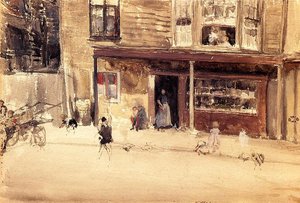
James Abbott McNeill Whistler's "Chelsea Shops," painted in 1885, isn’t merely a depiction of a London street; it’s an invitation into a fleeting moment of urban tranquility. This watercolor masterpiece, now residing within the Freer Gallery of Art in Washington D.C., reveals Whistler’s unique approach to capturing the essence of city life – not through dramatic scenes or heroic figures, but through subtle observation and a masterful manipulation of light and color. The painting immediately draws the viewer in with its soft palette, dominated by muted blues, greens, and browns, creating an atmosphere of gentle warmth despite the bustling activity depicted.
Whistler’s signature style—often described as “Tonalism”—is powerfully evident here. He eschews sharp outlines and intense detail, instead favoring broad washes of color that blend seamlessly together. This technique lends a remarkable sense of movement to the scene, as if the viewer is swept along by the flow of pedestrians and carriages. The artist’s deliberate use of negative space – areas left unpainted – further enhances this feeling of fluidity, allowing the eye to wander across the canvas and absorb the details at its own pace.
A Glimpse into Victorian Chelsea
“Chelsea Shops” offers a fascinating window into 19th-century London, specifically the vibrant district of Chelsea. The painting captures a typical street scene – a busy thoroughfare filled with everyday activities: shoppers browsing, children playing, and horse-drawn carriages navigating the cobblestones. Whistler’s choice to focus on this ordinary urban landscape is deliberate; he sought to elevate the commonplace to the level of art, demonstrating that beauty could be found in the most unassuming subjects. The inclusion of a horse, a common sight in Victorian London, adds to the authenticity and historical context of the scene.
Research into Chelsea during this period reveals a thriving community with a rich history. As evidenced by the Wikipedia entry on Chelsea, it was once a fashionable residential area, attracting wealthy merchants, artists, and intellectuals. The presence of the Royal Hospital Chelsea, founded by Charles II, further underscores the district’s aristocratic connections. Whistler's painting subtly reflects this social tapestry, portraying a scene that is both familiar and imbued with a sense of timelessness.
Symbolism and Whistler’s Aesthetic Philosophy
Beyond its realistic depiction of urban life, “Chelsea Shops” embodies Whistler’s core aesthetic philosophy – "art for art's sake." He wasn’t interested in telling a story or conveying a moral message; rather, he aimed to create an experience of pure visual pleasure. The painting’s emphasis on color and light, its rejection of traditional compositional rules, and its focus on capturing the fleeting beauty of a single moment all align with this principle.
The soft, diffused lighting is particularly noteworthy. Whistler masterfully uses watercolor techniques to mimic the effects of natural light filtering through the buildings and casting shadows across the street. This creates a sense of atmosphere and depth, drawing the viewer into the scene and evoking a feeling of serenity amidst the apparent chaos. The composition itself—a carefully balanced arrangement of figures and architectural elements—contributes to this overall effect of harmonious beauty.
Reproductions: Bringing Whistler’s Vision Home
TopImpressionists offers meticulously crafted, hand-painted reproductions of “Chelsea Shops,” allowing you to bring this exquisite watercolor into your own home or office. Our skilled artists faithfully recreate Whistler's delicate brushstrokes and subtle color palette, ensuring that the essence of the original painting is preserved with stunning accuracy. Whether you’re an art collector, a design enthusiast, or simply someone who appreciates beautiful artwork, our reproduction provides a unique opportunity to experience the timeless appeal of this iconic piece.
Consider how “Chelsea Shops” would complement your interior décor – its calming colors and evocative imagery creating a serene focal point. Explore similar works by Whistler and his contemporaries—such as Lucy Emma Lynam’s evocative landscapes or William Morris's intricate textile designs—to further enrich your appreciation of Victorian art and design.
Související díla





Biografie umělce
A Life Shaped by Aestheticism: The World of James Abbott McNeill Whistler
James Abbott McNeill Whistler, born in Lowell, Massachusetts in 1834, byl figura neustále v rozporu s konvencemi – malíř, který prosazoval “umění pro umění samotné” během éry, která se soustředila na morální vyprávění. Jeho rané dětství, poznamenané častými přesuny kvůli otcově kariéře inženýra železnic, v něm zanechalo smysl pro adaptabilitu a vystavení se rozmanitým prostředím. Krátký, nespokojený pobyt na West Pointu, následovaný prací u Společnosti pro námořní a geodetické práce, které i přes prodlevu nezhasly jeho rostoucí vášeň pro umění. Tyto formativní roky se vyznačovaly vrozeným talentem pro kreslení a odhodláním prosadit se jako profesionální umělec – snaha, která ho nakonec vedla přes Atlantik a do srdce evropské avantgardy. Semínka Whistlerova uměleckého povstání byla zasadena brzy, pěstována duchem, který odporoval konformitě a přijímal estetickou prozkoumávání nad vším ostatním.Parisian Beginnings and the Cultivation of Style
Klíčový okamžik v Whistlerově umělecké cestě přišel s jeho přestěhováním do Paříže v roce 1855. Zde, pod vedením Sébastiena Bourého, zdokonalil své dovednosti v oleji, voděmlině a leptání, absorboval vlivy francouzského realismu a malířů Barbizon School. Whistler však rychle překročil pouhou imitaci, vyvinul si vlastní styl charakterizovaný tónovými harmoniemi a atmosférickými efekty. Nebyl zván na replikování reality; spíše se snažil zachytit její *essenci*, její mihotavé nálady a jemné nuance. Tato doba znamenala zásadní posun od reprezentativní přesnosti k prozkoumávání čisté estetické formy. Jeho rané díla již naznačovala jemnou rovnováhu mezi pozorováním a abstrakcí, která by definovala jeho zralý styl. Právě v Paříži Whistler začal formulovat svou víru, že umění by mělo být hodnoceno pouze na základě svých estetických kvalit, bez morálních nebo sociálních komentářů – filosofie, která se stala základem jeho umělecké praxe a definující charakteristikou Estetického hnutí.Nocturnes, Portraits, and the Pursuit of Harmony
Whistlerova umělecká vize se zhmotnila v několika klíčových tématech a stylistických rozhodnutích. Prosazoval koncept “umění pro umění samotné”, odmítl vyprávění nabité morálními nebo sociálními komentáři. Jeho dílo se stalo cvičením v zachycení jemných nuancí světla, barvy a atmosféry – snahou, která vedla k jeho ikonickým *Nocturnes*. Tyto atmosférické obrazy západů slunce nebo temných nocí na řece Temži nebyly určeny jako doslovné reprezentace, ale spíše evokativní dojmy, studie tónové harmonie a nálady. Často používal omezené palety a jemnou štětcovou práci, vytvářel tak éterickou krásu a klidný pohled. Portréty také zaujímaly centrální místo v jeho praxi, i když k nim přistupoval s jedinečným smyslem. Whistler nebyl zaměřen na zachycení dokonalých podobností; spíše se soustředil na kompoziční uspořádání a tónové vztahy, považoval své subjekty za element kompozice v pečlivě vytvořeném estetickém rámci. Díla jako *Arrangement in Grey and Black No. 1* – lépe známá jako *Whistlerova matka* – to dokonale demonstrují, transformují rodinný portrét v ikonický obraz viktoriánské mateřství prostřednictvím mistrovského použití tvaru a tónu.Controversy, Influence, and Lasting Legacy
Whistlerův kariérní běh nebyl bez kontroverze. Známá soudní přestřelka s kritikem Johnem Ruskinem v roce 1878, vyvolaná obrazem *Nocturne in Black and Gold – The Falling Rocket*, se stala milníkem v umělecké historii. Whistler úspěšně obhájil svou uměleckou autonomii, argumentoval tím, že jeho obrazy neměly být určeny jako doslovné reprezentace, ale spíše estetické uspořádání barvy a tvaru. Tento případ zvýšil jeho profil a vyvolal důležité debaty o povaze umění a umělecké svobody. Kromě této právní bitvy Whistlerova vliv sahala daleko. Byl hluboce inspirován japonskými rytinami (ukiyo-e), které ovlivnily jeho kompoziční principy a důraz na dekorativní vzory, stejně jako tónovou mistrovskou práci španělských malířů jako Velázquez. Jeho prosazování “umění pro umění samotné” hluboce ovlivnilo Estetické hnutí v Anglii i Americe, otevírajíc cestu modernismu a zpochybňujíc konvenční představy o uměleckém účelu. Zanechal nezapomenutelný odkaz americkému umění, inspiroval generace umělců k přijetí formalistických přístupů a prozkoumávání expresivního potenciálu barvy a kompozice.- Významná díla: *Forge* (1861), *Portrét Charlese Langa Freera* (1873), *Brown and Gold: The Gold Girl – Connie Gilchrist* (1876-77), *Arrangement in Grey and Black No. 1 (Whistler’s Mother)* (1871), *Nocturne in Black and Gold – The Falling Rocket* (1875).
- Vlivy: Japonské rytiny, Velázquez.

James Abbott McNeill Whistler
1834 - 1903 , Spojené státy americké
Rychlé informace
- Artistic Movement Or Style: Tonalismus, Estetismus
- Artists Or Movements Influenced By This Artist:
- Estetický pohyb
- Modernismus
- Artists Who Influenced This Artist:
- Velázquez
- Japonské tisky
- Date Of Birth: 10. července 1834
- Date Of Death: 17. července 1903
- Full Name: James Abbott McNeill Whistler
- Nationality: Američan
- Notable Artworks:
- Matka
- Šedá a stříbrná
- Harmonie
- Place Of Birth: Lowell, USA
Související články

Ephemeral Visions: Exploring the History & Emotional Resonance of Watercolor Painting
Explore the captivating history of watercolor painting, from ancient techniques to modern masters like Kandinsky & Blake. Discover essential artists, collecting tips & the emotional power of this luminous medium. Expert insights for art enthusiasts.

Ephemeral Visions: Exploring the Artistic Legacy & Contemporary Practice of Watercolor Painting
Explore the captivating world of watercolor painting! Discover its rich history, essential techniques, influential artists & collecting tips. A comprehensive guide for art enthusiasts from TopImpressionists.

Ephemeral Visions: Exploring the Artistic Legacy & Nuances of Watercolor Painting
Explore the captivating world of watercolor painting! Discover its rich history, essential techniques, influential artists & collecting tips from art experts. A comprehensive guide for enthusiasts.

10 legendárních akvarelů, které změnily svět umění | TopImpressionists
Objevte 10 legendárních akvarelů od Turner, Monet a dalších mistrů! Ponořte se do historie umění a inspirujte se pro váš interiér. Kvalitní reprodukce na TopImpressionists.com.

James Abbott McNeill Whistler: Top 25 mistrovských děl pro váš interiér | TopImpressionists.com
Prozkoumejte 25 ikonických děl Jamese Abbotta McNeilla Whistlera! Obrazy Nocturnes, portréty a estetismus. Inspirace pro interiér s uměleckými reprodukcemi nejvyšší kvality na TopImpressionists.com. Objevte celou kolekci online.
Prozkoumejte umělecká díla uspořádaná podle témat, stylů a charakteristik.