


 Zobrazit v interiéru
 Odeslat
 Sdílet
 Podrobnosti
 Průvodce

 Stáhnout obrázek
 Podobné kousky
 Rentgenové snímky
 Slideshow
 Statistiky
Cat and Lobster
 Indian Modernism
 1900
1900- Modern
 397.0 x 275.0 cm
 National Gallery of Modern Art
A bold and charming white cat holds a lobster in its jaws in this vibrant folk-inspired masterpiece by Jamini Nath Roy from 1900, inviting you to explore the essence of Indian modern art for your collection.
 Přečíst si více
Objevte Jaminiho Roya (1887–1972), klíčového indického modernistického malíře. Prozkoumejte jeho odvážný folklorní styl, živé barvy a témata venkovského života, mytologie a portrétů. Prohlédněte si jeho díla.
Umělecké dílo zobrazené na této stránce je chráněno autorským zákonem, což znamená, že nemůžeme legálně vytvářet ani prodávat jeho identickou reprodukci. Tato ochrana je vymáhána na základě mezinárodních dohod, jako například Berberská úmluva a národními zákony, včetně těch stanovených v Americký autorský zákon – Díl 17. Všechna práva vyhrazena.
Tato metoda je plně v souladu s autorským právem, protože nezahrnuje kopírování ani duplikování chráněného díla. Jde o kreativní reinterpretaci – nový obraz, který je inspirován originálem, ale není s ním identický.
Giclée / Umělecký tisk
Giclée nebo plátěný tisk muzeální kvality s rychlou výrobou a širokou nabídkou povrchových úprav. ( Objednat ručně malovanou reprodukci Přepnout na digitální verzi obrazu)




P118B Kč10

P118H Kč10

P118W Kč10

P438Z Kč10

P508JH Kč12

P508YH Kč12

P805H Kč10

P805Z Kč10

P919BZ Kč10

P919G Kč10

P919XJ Kč10

P959ZH Kč10

P968JZ Kč12

W106C Kč8

W218G Kč10

W218JH Kč8

W218Y Kč10

W307PJ Kč10

W316G Kč10

W316PJ Kč8

W316Y Kč10

W398PJ Kč8

W4111J Kč10

W500HY Kč15

W500JH Kč15

W692G Kč12

W849H Kč8

W940BG Kč15

W953PJ Kč8




Standardní velikost
na zakázku
CM
INCH
Vyberte si z našich přednastavených velikostí, které odpovídají původním proporcím díla.
Loading sizes...

šířka
výška
Zadejte šířku a výšku, které potřebujete pro váš rám nebo stěnu. Tisk lze pouze oříznout, nikdy však nelze zvětšit obraz nad jeho původní rozměr, proto při výběru jiného formátu dochází ke ztrátě části obrazu. Před samotným tiskem vám zašleme digitální náhled k schválení. Obraz zobrazený na této stránce nenabízí skutečný výřez — ten uvidíte pouze v náhledu.
Celosvětové doručení () do 2 týdnů namísto standardních 4/5 týdnů. (24 říjen)

Zdarma celosvětová expresní doprava

Vysoce kvalitní lněné plátno

Úplné pojištění přepravy

Záruka vrácení celního poplatku

Záruka věrného barevného shodu

100dení lhůta pro vrácení zboží (pouze při vadách výroby)

100% garance vrácení peněz

Sleva při více objednávkách
 Skleněná varianta je dostupná pouze u rozměrů menších než 110 cm

Cat and Lobster
Giclée / Umělecký tisk
Velikost reprodukce
-


Celková cena
Kč 1474
A Vision of Folk Modernism
In the captivating realm of Indian modernism, few works resonate with as much playful charm and cultural defiance as Jamini Nath Roy’s Cat and Lobster. This masterpiece serves as a profound testament to an artist who dared to turn his back on the polished traditions of European Academic Realism to embrace the raw, rhythmic soul of Bengal. The painting presents a striking, stylized feline, rendered with bold, and sweeping lines that eschew naturalistic detail in favor of a universal essence. As the cat holds its prize—a vibrant lobster—within its jaws, the viewer is transported into a world where simplicity is not merely a technique, but a powerful statement of identity. The composition, characterized by its flat planes and energetic contours, captures a moment of pure, unadulterated glee, making it an irresistible centerpiece for any collection that values character and narrative depth.
The stylistic lineage of this work is deeply rooted in the Kalighat patua tradition, a folk art form that inspired Roy to strip away the unnecessary and focus on the fundamental geometry of life. By drawing inspiration from the terracotta reliefs of ancient Bengal temples and the rhythmic patterns of village scrolls, Roy achieved a visual language that feels both ancient and strikingly contemporary. The technique, executed in tempera on canvas, allows for a saturated, matte finish that emphasizes the bold color palette. The stark contrast between the white form of the cat and its deep blue background creates a luminous effect, ensuring that the subject commands attention from across a room. For the discerning interior designer, this piece offers a sophisticated way to introduce a sense of movement and cultural heritage into a modern space.
The Spirit of Rebellion and Identity
Beyond its aesthetic brilliance, Cat and Lobster carries a weight of historical significance that elevates it from a charming animal study to a symbol of decolonization. Created during an era when Indian artists were navigating the complexities of colonial influence, Roy’s evolution represents one of the most profound transformations in twentieth-century art. Initially trained in the sophisticated traditions of the Bengal School under Abanindranath Tagore, Roy eventually underwent a radical aesthetic rebellion. He turned his gaze away from Western conventions, finding a deeper truth in the local craftsmanship of his homeland. This departure was not merely a stylistic choice but a spiritual homecoming, as he sought to reclaim the artistic identity of his nation through the celebration of the common man and the village life that forms the heartbeat of Indian culture.
To gaze upon this masterpiece is to witness a masterful command over simplicity and rhythm. The cat is devoid of all traces of naturalism; instead, it is painted in a bold, charming way, portraying an energetic creature that holds its lobster with great glee. This deliberate rejection of three-dimensional shading in favor of flat, impactful shapes allows the emotional resonance of the piece to shine through. For collectors and enthusiasts, owning a reproduction of such a work means bringing into one's home a fragment of a larger movement—a movement that sought to find beauty in the essential and strength in the ancestral.
Otázky a odpovědi
Jakou atmosféru by do místnosti vnesla reprodukce díla „Cat and Lobster“ od Jamini Nath Roy?
Dílo „Cat and Lobster“ s svou Playful atmosférou se doporučuje do Children's Room.
Jaká je vnímaná jasnost díla „Cat and Lobster“ od Jamini Nath Roy?
Vnímaná jasnost díla „Cat and Lobster“ od Jamini Nath Roy je balanced. Lze jej přizpůsobit osvětlení daného prostoru.
Do které místnosti by se vzhledem k barevné paletě doporučovalo umístit dílo "Cat and Lobster"?
Barvy v paletě Earthy díla „Cat and Lobster“ od Jamini Nath Roy ladí s doporučeným prostorem: Children's Room.
Biografie umělce
Jamini Roy byl významným indiským malířem, narozeným 11. dubna 1887 v Beliatore v Západní Bengálsku. Je považován za jednu z nejdůležitějších postav indického modernismu. Jeho umělecký styl byl charakteristický prostotou, elegancí a hlubokým poutem k indickému lidovému umění.
Raný život a vzdělání
Roy se narodil do středně prosperující rodiny držitelů půdy. Vyrostl v průměrné střední třídě v domácnosti milující umění, což zásadně ovlivnilo jeho budoucí rozhodnutí. V šestnácti letech se přestěhoval do Kalkaty, aby studoval na Government College of Art, kde ho učil Abanindranath Tagore, významný indický umělec a pedagog.Umělecký styl a vlivy
Royův umělecký styl byl silně ovlivněn malířstvím Kalighat, což je specifický druh indického lidového umění. Inspirací mu byla i evropská moderní jó, avšak nakonec západní tradice odmítl, aby se plně soustředil na své vlastní kulturní dědictví. Royovy obrazy jsou proslulé svou jednoduchostí, plochostí a použitím odvážných barev. Mezi jeho nejvýznamnější díla patří:- Portrét mladé dívky, který demonstruje jeho schopnost zachytit samotnou podstatu indického lidového umění.
- Buste de Françoise, malba prokazující jeho mistrovství v portrétní tvorbě.
- Malíř a jeho model, dílo, které zdůrazňuje jeho zájem o zkoumání vztahu mezi umělcem a jeho tématem.
Ocenění a uznání
V roce 1954 byl Roy vyznamenán řádem Padma Bhushan, což je jedno z nejvyšších civilních vyznamenání Indie. Byl také členem prestižní umělecké instituce Lalit Kala Akademi.Odkaz a dopad
Royův přínos k indickému modernímu umění je neměřitelný. Jeho odhodlání uchovat tradice indického lidového umění inspirovalo celé generace umělců. Dnes lze jeho malby nalézt v muzeích a soukromých sbírkách po celém světě, včetně Národního muzea v Koreji či instituce Government College of Art. Pro více informací o životě a díle Jaminiho Roya navštivte TopImpressionists.com nebo Wikipedia. Jeho tvorba nadále fascinuje milovníky umění i vědce a nabízí jedinečný pohled do světa indického modernismu.
Jamini Nath Roy
1887 - 1972 , Indie
Rychlé informace
- Artistic Movement Or Style: Bengalské lidové umění
- Artists Or Movements Influenced By This Artist: ['Kalighatské malířství']
- Artists Who Influenced This Artist: ['Abanindranath Tagore']
- Date Of Birth: 11. dubna 1887
- Date Of Death: 1972
- Full Name: Jamini Roy
- Nationality: Indická
- Notable Artworks:
- Portrét mladé dívky
- Buste de Françoise
- Malíř a jeho model
- Place Of Birth: Belaitore, Indie
Související články

Top 10 slavných obrazů vládnutých bílou barvou – Umění a inspirace pro interiér
Objevte top 10 slavných obrazů, kde bílá barva hraje klíčovou roli. Claude Monet, Van Gogh a další mistři! Inspirace pro váš interiér a reprodukce umění nejvyšší kvality na TopImpressionists.com.

Roy Lichtenstein: Top 25 děl pop artu pro váš interiér | TopImpressionists.cz
Prozkoumejte 25 ikonických děl Roye Lichtensteina – průkopníka pop artu. Obrazy s komiksovými motivy, výrazné barvy a unikátní technika ben-day dots. Najděte inspiraci pro váš interiér a kvalitní reprodukce na TopImpressionists.cz! Prozkoumejte celou kolekci online.

Deset ikonických obrazů v odstínech šedé modré: Umění a inspirace pro váš domov
Objevte deset ikonických obrazů v odstínech šedé modré od Van Gogha, Moneta a dalších mistrů. Ponořte se do příběhů umění, technik a inspirace pro váš interiér. Reprodukce obrazů nejvyšší kvality na TopImpressionists.com.
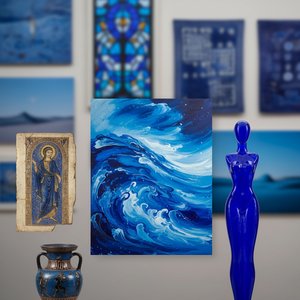
The Allure of Azure: Exploring the Symbolic & Aesthetic Depths of Blue in Art History
Explore the rich history of blue in art! Discover its symbolism, from ancient pigments to modern masterpieces by Kandinsky & Seurat. Uncover the psychological impact and cultural meanings behind this captivating hue.

Tučné umění: Top 10 děl s odvážnou atmosférou | TopImpressionists.cz
Prozkoumejte 10 ikonických děl umění s odvážnou atmosférou! Obrazy Van Gogha, Picassa a dalších mistrů. Historie, techniky a inspirace pro váš interiér. Reprodukce obrazů nejvyšší kvality na TopImpressionists.com – objevte sílu barev a emocí!