
 Sdílet
 Sdílet
 Podrobnosti o díle
 Průvodce

 Stáhnout
 Podobné položky
 Slideshow
 Otázky a odpovědi
 Statistiky
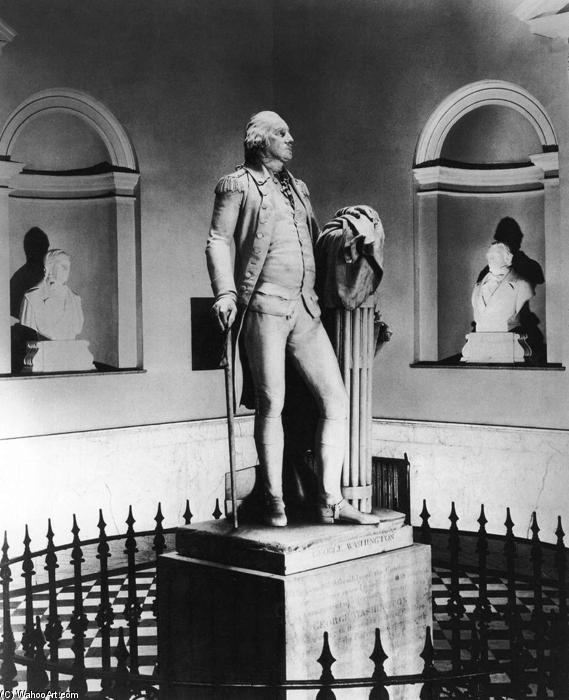
George Washington


Admire Jean-Antoine Houdon’s iconic George Washington statue – a masterpiece capturing the statesman's intellect & gravitas. Explore its history, artistry, and significance in American art.
 Zobrazit více
Jean Antoine Houdon byl průkopníkem klasicistické figurální sochařství, známým především realistickými portréty osvícenských osobností jako Washington a Voltaire. Jeho díla vyjadřují intelektuální bohatství doby.
Giclée / Umělecký tisk
Giclée nebo plátěný tisk muzeální kvality s rychlou výrobou a širokou nabídkou povrchových úprav. ( Koupit ručně malovaný obraz Přepnout na digitální obraz)




































Standardní velikost
na zakázku
CM
INCH
Vyberte si z našich přednastavených velikostí, které odpovídají původním proporcím díla.
Loading sizes...

šířka
výška
Zadejte šířku a výšku, které potřebujete pro váš rám nebo stěnu. Tisk lze pouze oříznout, nikdy však nelze zvětšit obraz nad jeho původní rozměr, proto při výběru jiného formátu dochází ke ztrátě části obrazu. Před samotným tiskem vám zašleme digitální náhled k schválení. Obraz zobrazený na této stránce nenabízí skutečný výřez — ten uvidíte pouze v náhledu.
Celosvětové doručení () do 2 týdnů namísto standardních 4/5 týdnů. (6 listopad)

Zdarma celosvětová expresní doprava

Vysoce kvalitní lněné plátno

Kompletní pojištění přepravy

Záruka vrácení celního poplatku

Záruka věrného barevného souladu

100dení lhůta pro vrácení zboží (pouze při vadách výroby)

100% záruka vrácení peněz

Sleva při více objednávkách
 Skleněná varianta je dostupná pouze u rozměrů menších než 110 cm

George Washington
Giclée / Umělecký tisk
Rozměry reprodukce
-


Celková cena za vybrané možnosti reprodukcí
Kč 1525
The Stoic Statesman: Jean-Antoine Houdon’s Portrait of George Washington
Jean-Antoine Houdon's 1788 sculpture of George Washington stands as more than just a likeness; it is a profound distillation of the ideals upon which the nascent American republic was founded. Carved from luminous Carrara marble, this monumental figure transcends mere portraiture, embodying Washington’s leadership, intellect, and quiet dignity—qualities that continue to resonate centuries later. The statue resides within the Virginia State Capitol in Richmond, a testament to its enduring significance for the Commonwealth and the nation as a whole.
Houdon, a pivotal figure bridging the Rococo and Neoclassical eras, possessed an extraordinary ability to capture not simply outward appearance but the very essence of his subjects. Unlike many of his contemporaries who favored idealized depictions rooted in classical antiquity, Houdon sought to portray individuals as they truly were – with their strengths, vulnerabilities, and inner complexities. This approach is strikingly evident in Washington’s face: a subtle furrow above the brow hints at the weight of responsibility borne during the Revolutionary War, while the steady gaze conveys an unwavering resolve. The sculptor masterfully rendered the texture of the skin, capturing the lines etched by time and experience, lending the statue an astonishing sense of realism.
A Masterclass in Neoclassical Technique
The sculpture’s execution is a remarkable feat of technical skill. Houdon employed a subtractive method, beginning with a large block of marble and meticulously removing material to reveal the desired form. This process demanded immense patience and precision, allowing for gradual refinement of details—from the delicate folds of Washington's military coat to the powerful musculature of his arms. The use of light and shadow is particularly noteworthy; Houdon expertly manipulates the surface of the marble to create a dramatic interplay of highlights and recesses, adding depth and volume to the figure. The statue’s smooth, polished finish reflects the ambient light, further enhancing its visual impact.
Notably, Houdon's approach was revolutionary for his time. He eschewed the traditional practice of creating preparatory drawings, instead working directly from a life mask and measurements taken of Washington himself. This direct engagement with the subject ensured an unparalleled level of accuracy and immediacy in the final sculpture. The statue’s dimensions—standing nearly seven feet tall—were carefully calculated to convey a sense of authority and gravitas, reflecting Washington's stature as the first President of the United States.
Symbolism and Historical Context
Beyond its technical brilliance, the sculpture is rich in symbolic meaning. Washington’s attire – a military uniform reminiscent of Roman generals—references the ideals of republican virtue and civic duty that underpinned the American Revolution. The fasces, a bundle of rods symbolizing authority and unity, held by Washington, echoes the traditions of ancient Rome, suggesting his role as a leader guiding the nation towards a new era. The inclusion of agricultural implements – a plow and a sheaf of wheat – subtly alludes to Washington’s roots as a planter and farmer, grounding him in the values of hard work and self-sufficiency.
Commissioned during a period of profound political and social change, the statue reflects the hopes and aspirations of a nation forging its own identity. It embodies the spirit of Enlightenment ideals – reason, liberty, and civic virtue—that fueled the American Revolution. The fact that Washington chose to be depicted in contemporary attire, rather than adhering to classical conventions, signaled his commitment to practicality and progress over rigid adherence to tradition.
A Legacy of Inspiration
Houdon’s portrait of George Washington remains one of the most iconic representations of the Founding Father. Its enduring appeal lies not only in its technical mastery but also in its ability to capture the essence of a man who shaped the destiny of a nation. Numerous copies have been produced over the centuries, ensuring that this powerful image continues to inspire and remind us of the values upon which America was founded. Today, it stands as a poignant reminder of leadership, resilience, and the enduring pursuit of liberty.
Otázky a odpovědi
Existuje k dílu „George Washington“ od Jean-Antoine Houdon informační list pro studenty?
Stránka Průvodce pro studenty díla „George Washington“ od Jean-Antoine Houdon nabízí tištěný dvoulistový informační list: samotné umělecké dílo s identifikační tabulkou, časovou osu situující dílo do období života umělce, další díla daného autora, naměřenou barevnou paletu a citace ve čtyřech stylech připravené pro okamžité zkopírování.
K jakému využití se doporučuje „George Washington“ od Jean-Antoine Houdon?
Navrhované využití pro „George Washington“ od Jean-Antoine Houdon je Statement, ale lze jej využít i k jiným účelům.
Kdo vytvořil dílo "George Washington" a kdy?
Dílo "George Washington" vytvořil/a Jean-Antoine Houdon v roce 1788.
Biografie umělce
Jean-Antoine Houdon (1741–1828) – Významný Sculptor Éra osvícení
Jean-Antoine Houdon, narozený ve Versailles v roce 1741, představuje klíčovou osobnost mezi období rocoka a klasicismu – sochaře, jehož dílo vyjadřuje intelektuální vášnivost a vyvíjející estetické cítění osvíceného století. Jeho život se rozvinul za dramatických změn ve francouzské společnosti, od poměrně bohatých královských korun až přes revoluční otřesy a napoleonské pověření. Přesto Houdon zůstal pozoruhodně konzistentní v uměleckém vidění: chtěl zachytit nejen podobu, ale samotnou podstatu svých subjektů – jejich intelekt, charakter a vnitřní životy – ve věčné marmoru a bronzu. Tato oddanost vycházela z raného sklona k sochaření, který podporoval formální vzdělávání na Akademii královské malby a sochy již od roku 1752 pod významnými sochami René-Michel Slodtz, Jean-Baptiste Lemoyne a Jean-Baptiste Pigalle. Jeho další přijetí na École royale des élèves protégés až do roku 1764 posílilo jeho základnu, což culminovalo triumfálním vítězstvím ve Výzvě Římské akademie v roce 1761 – ocenění, které mu poskytlo neocenitelné studijní čas s klasickou uměností osobně v Itálii, zkušenost, která hluboce ovlivnila jeho estetické cítění.Významný Styl a Techniky Houdona
Houdonovy sochy jsou okamžitě rozpoznatelné svým ohromujícím realismusem a pečlivou pozorností k detailům. Nebyl spokojen pouze s replikací fyzických znaků; hledal proniknout povrchem, odhalovat osobnost uvnitř. Tento závazek k věrnosti skutečnosti pocházel z hlubokého zájmu o anatomii – evidentního ve slavné bronzové soše *Muskulátor boční pohled* – a nezlomným oddaním pozorování. Na rozdíl od mnoha současníků, kteří idealizovali své předměty, Houdon přijímal nedokonalosti, věřící že přispívají k pravdě podstatnějšímu a působivějšímu obrazu. Používal inovativní techniky, včetně vytváření forem přímo z živého modelu, což mu umožňovalo zachytit drobné detaily s mimořádnou přesností. Tento přístup byl zvláště patrný ve sochách portrétních, které se stali jeho ikonickým úspěchem. Tyto díla nebyla jen statické reprezentace; byly dynamické studie charakteru, nabité psychologickou hloubkou a emocionálním vyjadřením. Houdon dokázal vyjádřit nejen *jak* vypadal někdo, ale *kdo* byl – což ho odlišovalo od mnoha jeho kolegů. Dosáhl toho pomocí jemných nuance výrazu, postoje a zpracování detailů jako jsou oči – často vyřezávané s mírnou konkávou, aby zachytily pohyb světla a naznačily vnitřní myšlenku. Jeho práce byly ovlivněny klasickou estetiku, zejména díly Berniniho a Donatello.Životopisné Milníky Houdona
Jean-Antoine Houdon se narodil ve Versailles jako syn lékaře a byl vzdělán na Akademii královské malby a sochy již od mladého věku. Jeho rané zájem o umění vyústělo v úspěšné studium klasické architektury a filozofie, což mu poskytlo základ pro jeho pozdější tvorbu. Výzvou Římské akademie v roce 1761 znamenala zásadní okamžik – Houdon získal možnost učit se přímo s největšími klasikisty Italálie, což prohloubilo jeho estetické cítění a inspiraci. Jeho vítězství ve Výzvě Římské akademie otevřelo dveře k evropským cestám a intelektuálnímu rozvoji. Houdon byl aktivní účastníkem intelektuálního života osvíceného století, podporoval filozofické debaty a věnoval se tvorbě umění jako prostředku vyjadřování idejí a hodnot. Jeho dílo reflektovalo humanistické hodnoty doby – důraz na rozum, pozorování přírody a estetickou krásu – což z něj učinilo jednoho z nejvýznamnějších představitelů své doby.Významné Sochy Houdona
Houdon vytvořil řadu ikonických soch, které si získaly uznání nejen za svůj technický mistrovství, ale i za jejich psychologickou přesnost a historické důležitost. Jeho největší úspěch představuje socha George Washingtona – monumentální dílo klasicismu, které se stalo symbolem amerického národa. Tato život velikého prezidenta byla založena na pečlivých měřeníách a životní podobě vytvořené během jeho prezidentského působení. Houdon také vytvořil mnoho dalších významných soch – včetně obrazů Voltaire, Benjamin Franklina a dalších intelektuálních osobností osvíceného století – které jsou považovány za vrcholné díla klasické estetiky. Jeho práce byly prezentovány v největších evropských galeriiích a získaly si obdiv široké veřejnosti. Houdonův život byl poznamenán osobními tragédiemi – jeho manželka zemřela mladá, což ho zasáhlo hlubokým smutkem. Přesto Houdon pokračoval ve své tvorbě až do smrti v roce 1828, dokud nezůstal věrný svému uměleckému poslání. Jeho dílo zůstává hodnotné dnes nejen pro svou estetickou krásu, ale také pro jeho schopnost zachytit ducha doby a předat ho budoucím generacím. Houdonův životopis je důkazem toho, že umění může být nástrojem vyjadřování idejí a hodnot a zároveň oslavou lidské krásy. Jeho dílo zůstává inspirací pro současné umělce i historiky.
Jean-Antoine Houdon
1741 - 1828 , Francie
Rychlé informace o umělci
- Artistic Movement Or Style: Neoklasicistická Realismus
- Artists Who Influenced This Artist:
- René-Michel Slodtz
- Jean-Baptiste Lemoyne
- Jean-Baptiste Pigalle
- Date Of Birth: 1741
- Date Of Death: 1828
- Full Name: Jean-Antoine Houdon
- Nationality: Francouzský
- Notable Artworks:
- George Washington
- Voltaire
- Benjamin Franklin
- Place Of Birth: Versailles, Francie
Související články

The Eternal Beauty of Marble: A Guide to Sculpting Light, Stone, and the Soul of Art History
Explore the sublime artistry of marble sculpture. From Greek antiquity to the masters of light, discover how stone captures the eternal essence of human beauty and emotion through expert craftsmanship and historical mastery.
Prozkoumejte umělecká díla uspořádaná podle témat, stylů a charakteristik.


