

 Náhled v interiéru
 Sdílet
 Sdílet
 Podrobnosti o díle
 Průvodce

 Stáhnout
 Podobné položky
 Rentgenové snímky
 Slideshow
 Q&A
Q&A Statistiky
Smugglers


Jean-Baptiste Camille Corot
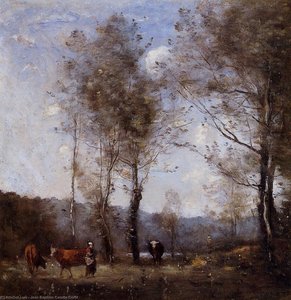
A serene depiction of a rural landscape featuring cows grazing peacefully under a vast sky. A solitary man stands observing the animals, capturing the quiet beauty of the countryside.
landscape
Landscape with Figures
1871
 Zobrazit více
Jean-Baptiste-Camille Corot (1796–1875) byl francouzský malíř, mistr atmosférických krajin a průkopník impresionismu. Objevte jeho klidné obrazy a trvalý vliv na uměleckou historii.
Giclée / Umělecký tisk
Giclée nebo plátěný tisk muzeální kvality s rychlou výrobou a širokou nabídkou povrchových úprav. ( Koupit ručně malovaný obraz Přepnout na digitální obraz)




P118B Kč10

P118H Kč10

P118W Kč10

P438Z Kč10

P508JH Kč12

P508YH Kč12

P805H Kč10

P805Z Kč10

P919BZ Kč10

P919G Kč10

P919XJ Kč10

P959ZH Kč10

P968JZ Kč12

W106C Kč8

W218G Kč10

W218JH Kč8

W218Y Kč10

W307PJ Kč10

W316G Kč10

W316PJ Kč8

W316Y Kč10

W398PJ Kč8

W4111J Kč10

W500HY Kč15

W500JH Kč15

W692G Kč12

W849H Kč8

W940BG Kč15

W953PJ Kč8




Standardní velikost
na zakázku
CM
INCH
Vyberte si z našich přednastavených velikostí, které odpovídají původním proporcím díla.
Loading sizes...

šířka
výška
Zadejte šířku a výšku, které potřebujete pro váš rám nebo stěnu. Tisk lze pouze oříznout, nikdy však nelze zvětšit obraz nad jeho původní rozměr, proto při výběru jiného formátu dochází ke ztrátě části obrazu. Před samotným tiskem vám zašleme digitální náhled k schválení. Obraz zobrazený na této stránce nenabízí skutečný výřez — ten uvidíte pouze v náhledu.
Celosvětové doručení () do 2 týdnů namísto standardních 4/5 týdnů. (31 říjen)

Zdarma celosvětová expresní doprava

Vysoce kvalitní lněné plátno

Kompletní pojištění přepravy

Záruka vrácení celního poplatku

Záruka věrného barevného souladu

100dení lhůta pro vrácení zboží (pouze při vadách výroby)

100% záruka vrácení peněz

Sleva při více objednávkách
 Skleněná varianta je dostupná pouze u rozměrů menších než 110 cm

Smugglers
Giclée / Umělecký tisk
Rozměry reprodukce
-


Celková cena za vybrané možnosti reprodukcí
Kč 1500
A Symphony in Ochre and Shadow – Exploring Jean Baptiste Camille Corot’s Landscape Vision
Jean Baptiste Camille Corot (1796–1875), considered one of the foremost landscape painters of his era, possessed an unparalleled ability to capture the subtle beauty of the natural world. His canvases rarely depict grand vistas or dramatic storms; instead, they offer intimate glimpses into rural landscapes bathed in soft light and imbued with a profound sense of tranquility.
The Style: Impressionistic Reverence for Atmosphere
Corot’s style aligns closely with the burgeoning Impressionist movement, though he resisted categorization. Unlike Monet or Renoir who prioritized capturing fleeting moments of color and luminosity, Corot focused on conveying the overall mood and atmosphere of a scene—a technique known as atmospherism. He achieved this remarkable feat through meticulous observation and layering of thin glazes of oil paint, allowing light to penetrate through the pigment and creating an ethereal effect.
Technique: Delicate Brushstrokes and Layered Glazing
Corot’s distinctive brushwork is characterized by loose, horizontal strokes that mimic the contours of hillsides and valleys. These strokes are blended seamlessly together, blurring edges and merging colors to create a hazy, dreamlike quality. Crucially, he employed a technique of glazing—applying thin layers of translucent paint over previously applied layers—to build up tonal depth and luminosity gradually. This painstaking process resulted in surfaces that shimmer with reflected light and evoke the feeling of observing a landscape through mist.
Historical Context: Romanticism’s Legacy
Corot emerged from the Romantic movement, which championed emotion and imagination as responses to the grandeur of nature. However, he distanced himself from the overtly sentimental tendencies of his contemporaries, prioritizing accuracy and restraint. His landscapes reflect a deep appreciation for the sublime—the awe-inspiring beauty that simultaneously inspires terror and reverence—but tempered with a humanist sensibility rooted in observation and empathy.
Symbolism: Quiet Contemplation and Connection to Earth
While Corot’s paintings rarely bear explicit symbolic references, they resonate with themes of solitude, contemplation, and communion with the natural world. The muted palette – dominated by ochre yellows, earthy browns, and subtle greens – reflects the colors of the soil and vegetation, grounding the viewer in a tangible connection to the landscape. These canvases invite viewers to pause, breathe deeply, and experience the restorative power of unspoiled beauty—a timeless message that continues to captivate audiences today.
Emotional Impact: A Balm for the Soul
Ultimately, Corot’s landscapes transcend mere representation; they evoke a profound emotional response. They convey a sense of peace, serenity, and melancholy – capturing the fleeting moments of beauty found in everyday rural life. Viewing his paintings is akin to stepping into a tranquil sanctuary where worries fade away and one finds solace in the enduring presence of nature.
Otázky a odpovědi
Jaké je místo díla „Smugglers“ mezi opakovanými tématy umělce Camille Corot?
„Smugglers“ zachycuje landscape, impressionism, cows, pastoral, tranquility, sunlight, rural scene, zatímco v díle umělce Camille Corot se setkáváme s tématy jako rural impressionism, pastoral tranquility, light atmosphere, landscape tradition, calm rural life. Porovnání těchto dvou aspektů odhaluje, jak toto dílo navazuje na obvyklá témata tohoto autora.
V jaké velikosti se doporučuje vytisknout "Smugglers"?
Pro dílo „Smugglers“ od Camille Corot se doporučuje reprodukce ve velikosti Large. Velikost lze upravit při zachování původních proporcí.
Kde si mohu prohlédnout náhled díla "Smugglers"?
Stránka Náhled v prostoru díla „Smugglers“ vám umožňuje prohlédnout si umělecké dílo před objednávkou.
Podobná díla




Biografie umělce
A Life Immersed in Light and Landscape
Jean-Baptiste-Camille Corot, jméno znící s klidnou krásou francouzského krajinářství 19. století, se narodil do pohodlné pařížské buržoazní rodiny 16. července 1796. I když byl na počátku směřován k obchodnímu životu, osud – a možná i vrozená umělecká citlivost – zasáhly. Jeho rané roky byly poznamenány neobvyklým dětstvím; byl pověřen péčí o paní v venkovské oblasti poblíž L’Isle-Adam až do věku čtyř let, kdy byl vrácen k rodičům a vyvinul hlubokou spojenk s přírodou, která by nepochybně ovlivnila jeho umělecké vizi. Toto počáteční ponoření do venkovské klidnosti kontrastovalo s rušným městem, které čekalo na něj, ale položilo základy pro celoživotní úsilí o zachycení mihotavých kvalit světla a atmosféry. Jeho rodiče, úspěšní švadlenové, zajistili finanční stabilitu, což Corotovi umožnilo plně se věnovat umění po neúspěšném pokusu o obchodní podnikání – vzácná výhoda pro aspirující umělce té doby. Tato podpora byla klíčová, protože mu umožnila zcela se obětovat umělecké výchově bez okamžitých tlaků spojených s vyděláváním na živobytí.Od Akademických Základů k Plein-Air Inovaci
Corotova formální umělecká vzdělání začala studiem u Achille Etna Michallona a později Jean-Victor Bertina, obojího vážených krajinářských malířů hluboce zakořeněných v neoklasicistické tradici. Toto zázemí mu zajistilo pečlivý přístup k kompozici a formě, zdůrazňující jasnost a strukturu. Nicméně Corot nebyl spokojen pouze s replikací zavedených stylů; toužil po něčem autentičtějším, způsobem, jak vyjádřit nejen *co* viděl, ale i *jak* se cítil ponořen v krajině. Klíčový okamžik nastal při jeho první cestě do Itálie v roce 1825. Římská Campagna, osvětlená zlatým světlem a zasazená do historie, vzbudila jeho představivost. Strávil roky kreslící a malující en plein air – přímo z přírody, což byla praxe, která tehdy nebyla tak běžná – a to mu umožnila zachytit jemné nuance světla a stínu, tenké atmosférické efekty, které se staly charakteristickými jeho stylu. Nevytvářel si jen topografické detaily; snažil se vyvolat pocit klidu a harmonie. Jeho rané italské díla demonstrují jasnost tvarů a světlou paletu ovlivněnou klasickými ideály, ale již naznačují měkčí, evokativnější přístup, který by definoval jeho zralý styl. Pečlivě studoval mistrovské práce, kopíroval je v římských galerii, ale vždy filtruje tyto lekce skrze svůj vlastní rostoucí cit pro přírodu.Most Mezi Tradycemi
Corotova umělecká vývoj nebyl lineární; byl to jemné vyvážení mezi tradicí a inovací. Pravidelně vystavoval na pařížském salonu, počáteční uznání získával pro díla založená na neoklasicistických konvencích. Nicméně, jak pokračoval ve studiu plein-air malby, jeho styl začal vyvíjet. Odkláněl se od vysoce detailních a finálních kompozic směrem k volnějším štětcím a tlumenější paletě. Tento posun nebyl úplným odmítnutím akademických principů; spíše se jednalo o snahu vnést do nich naléhavost a emocionální rezonanci přímého pozorování. Stal se mistrem tonalismu, používajíc jemné variace hodnot pro vytvoření hloubky a atmosféry. Jeho krajiny nešly o dramatické příběhy nebo velkolepé gesta; šlo o klidnou kontemplaci, krásu každodenních scén – lesní louku, slunečnou pastvinou, klidný břeh řeky. Tento přístup rezonoval s rostoucím publikem hledajícím útočiště před rychlým průmyslovým rozvojem a sociálními nepokoji 19. století. Nebyl zájmu o velkolepé prohlášení nebo politické prohlášení; jeho umění se soustředilo na nalezení krásy v obyčejném, zvedání každodenního do sféry klidného kontemplování.Dědictví a Trvalý Vliv
Jean-Baptiste-Camille Corotův vliv na pozdější generace umělců je neoměřitelný. Byl klíčovým článkem mezi neoklasicistickou tradicí a vznikajícím impresionistickým proudem. Umělci jako Monet, Pissarro a Sisley hluboce obdivovali jeho schopnost zachytávat mihotavé efekty světla a atmosféry a oni stavěli na jeho inovacích ve svých vlastních průlomových dílech. Corotův důraz na přímé pozorování a plein-air malbu položil základy pro radikální odklon impresionistů od studia v ateliérech. Nicméně, Corot nebyl jen předvojácem impresionismu; byl jedinečným a významným umělcem ve vlastním právu. Jeho rozsáhlý výstup – zahrnující krajiny, portréty a figurální studie – stále okouzluje publikum svou klidnou krásou a emocionální hloubkou. Jeho díla jsou umístěna v mnoha významných muzeích po celém světě, včetně Musée des Beaux-Arts v Dunkirk a Musée Courbet v Ornans, Francie, stejně jako National Gallery v Londýně a Metropolitan Museum of Art v New Yorku. Zemřel 22. února 1875 a zanechal za sebou dědictví, které inspiruje umělce i milovníky umění dodnes – důkaz trvalé síly světla, krajiny a klidného kontemplování. *The Repose*, *Interrupted Reading* a *Agostina* zůstávají ikonickými příklady jeho mistrovství, ukazujícími jak zachycuje jak fyzický svět, tak vnitřní život svých subjektů s pozoruhodnou citlivostí a grácií. Jeho vliv se rozšiřuje za hranice malby; podporoval ducha umělecké svobody a povzbuzoval mladší umělce, aby našli svůj vlastní hlas.
Camille Corot
1796 - 1875 , Francie
Rychlé informace o umělci
- Artistic Movement Or Style: Realismus, Impresionismus
- Artists Or Movements Influenced By This Artist:
- Monet
- Pissarro
- Artists Who Influenced This Artist:
- Michallon
- Bertin
- Date Of Birth: 17. července 1796
- Date Of Death: 22. února 1875
- Full Name: Jean-Baptiste-Camille Corot
- Nationality: Francouzský
- Notable Artworks:
- Le Repose
- Čtenářka
- Place Of Birth: Paříž, Francie
Související články

Evoking Arcadia: A Historical & Aesthetic Exploration of Rural Landscape Art
Explore the rich history of pastoral landscape art, from classical Arcadia to Impressionism & beyond. Discover key artists, movements, and how to collect serene rural scenes for your home. Expert insights at TopImpressionists.

Cultivating Visions: A Historical Journey Through Rural Landscapes in Art
Explore the rich history of rural landscape painting with TopImpressionists. Discover Impressionist masterpieces, key artists & movements. Find your perfect serene artwork and bring nature's beauty home.

Jean-Baptiste-Camille Corot: A Poetic Realism – Bridging the Barbizon School and Early Impressionism
Explore the life & art of Camille Corot, a pivotal figure bridging the Barbizon School & Impressionism. Discover his poetic realism, signature style, and lasting influence on landscape painting. Learn more at TopImpressionists.

Idyllic Visions: Exploring the Pastoral Scene in Art History – From Arcadia to Modern Interpretations
Explore the captivating history of pastoral art from classical Arcadia to modern masterpieces. Discover key artists like Millet & Cole at TopImpressionists. Find serene landscape paintings for your home.

John Constable: 25 mistrovských děl krajinářské poezie | TopImpressionists.com
Prozkoumejte 25 ikonických děl Johna Constabla, mistra anglického krajinářství a romantismu. Obdivujte jeho olejomalby, plátna s venkovskou atmosférou a inspirujte se pro dekoraci interiéru. Reprodukce obrazů nejvyšší kvality na TopImpressionists.com
Prozkoumejte umělecká díla uspořádaná podle témat, stylů a charakteristik.


