

 Náhled v interiéru

 Sdílet
 Sdílet
 Podrobnosti o díle
 Průvodce


 Stáhnout
 Podobné položky
 Rentgenové snímky
 Slideshow
 Otázky a odpovědi
 Statistiky
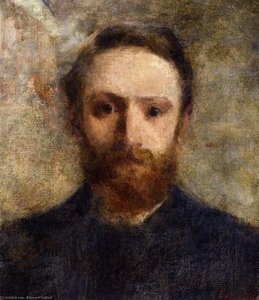
Self Portrait

- 46.0 x 38.0 cm


A striking 1870 self-portrait by Impressionist master Frédéric Bazille captures a serious, intellectual gaze through masterful brushwork, offering a profound window into the artist's soul for your private collection.
 Zobrazit více
Jean Frédéric Bazille (1841-1870) byl klíčový impresionista. Objevte jeho barevné krajinky, portréty a blízký vztah s Monetem & Renoirrem. Kvalitní reprodukce naleznete zde!
Giclée / Umělecký tisk
Giclée nebo plátěný tisk muzeální kvality s rychlou výrobou a širokou nabídkou povrchových úprav. ( Koupit ručně malovaný obraz Přepnout na digitální obraz)




P118B Kč10

P118H Kč10

P118W Kč10

P438Z Kč10

P508JH Kč12

P508YH Kč12

P805H Kč10

P805Z Kč10

P919BZ Kč10

P919G Kč10

P919XJ Kč10

P959ZH Kč10

P968JZ Kč12

W106C Kč8

W218G Kč10

W218JH Kč8

W218Y Kč10

W307PJ Kč10

W316G Kč10

W316PJ Kč8

W316Y Kč10

W398PJ Kč8

W4111J Kč10

W500HY Kč15

W500JH Kč15

W692G Kč12

W849H Kč8

W940BG Kč15

W953PJ Kč8




Standardní velikost
na zakázku
CM
INCH
Vyberte si z našich přednastavených velikostí, které odpovídají původním proporcím díla.
Loading sizes...

šířka
výška
Zadejte šířku a výšku, které potřebujete pro váš rám nebo stěnu. Tisk lze pouze oříznout, nikdy však nelze zvětšit obraz nad jeho původní rozměr, proto při výběru jiného formátu dochází ke ztrátě části obrazu. Před samotným tiskem vám zašleme digitální náhled k schválení. Obraz zobrazený na této stránce nenabízí skutečný výřez — ten uvidíte pouze v náhledu.
Celosvětové doručení () do 2 týdnů namísto standardních 4/5 týdnů. (16 listopad)

Zdarma celosvětová expresní doprava

Vysoce kvalitní lněné plátno

Kompletní pojištění přepravy

Záruka vrácení celního poplatku

Záruka věrného barevného souladu

100dení lhůta pro vrácení zboží (pouze při vadách výroby)

100% záruka vrácení peněz

Sleva při více objednávkách
 Skleněná varianta je dostupná pouze u rozměrů menších než 110 cm

Self Portrait
Giclée / Umělecký tisk
Rozměry reprodukce
-


Celková cena za vybrané možnosti reprodukcí
Kč 1515
A Glimpse into the Soul of an Impressionist Master
In this poignant Self Portrait, painted in 1870, we encounter Frédéric Bazille not merely as a painter, but as a man caught in the delicate transition between youthful ambition and the heavy mantle of artistic legacy. The canvas presents a striking study of character; the subject gazes directly at the viewer with an expression that is simultaneously serious and deeply introspective. Clad in the crisp formality of a white shirt and a black tie, his neatly combed hair lends him an air of intellectual rigor, yet there is an undeniable vulnerability beneath the surface. This work serves as a profound window into the psyche of a man whose life would be tragically cut short at the height of his creative powers.
The composition is masterfully layered, moving beyond a simple portrait to create a narrative space that feels lived-in and complex. While the central figure commands our immediate attention, the presence of other figures—one positioned toward the right and another receding into the background on the left—suggests a world teeming with social connection and shared history. A subtle, almost ethereal detail, a bird visible near the top-left corner, introduces an element of unexpected life and perhaps symbolizes the fleeting nature of existence. The inclusion of a chair at the far right edge anchors the scene in a domestic reality, grounding the psychological depth of the portrait within a tangible, physical environment.
Technique and the Radiance of Light
As a pivotal figure in the early Impressionist movement, Bazille’s technique in this self-portrait reflects a sophisticated command over light and form. The brushwork, while maintaining a certain structural integrity characteristic of his academic training, begins to embrace the luminous qualities that would define his later contributions to art history. There is a palpable sense of texture in the rendering of his clothing and the subtle shadows that contour his face, creating a three-dimensional presence that breathes within the frame. The interplay of light across the subject's features does more than just define shape; it evokes an emotional temperature, capturing a moment of quiet, contemplative stillness.
For the discerning collector or interior designer, this piece offers much more than mere decoration. It is an invitation to engage with the history of French Impressionism through a deeply personal lens. The painting’s palette and composition make it a versatile centerpiece for a sophisticated interior, providing a focal point that sparks conversation and invites lingering study. Whether placed in a sunlit gallery or a moody, library-style study, this reproduction brings with it the weight of 19th-century history and the enduring beauty of a master's self-reflection.
Otázky a odpovědi
Je dílo "Self Portrait" k dispozici jako umělecká tisknutá reprodukce?
Dílo "Self Portrait" je k dispozici jako umělecký tisk na bavlněném plátně nebo archivním plátnovém papíře. Objednávku můžete zadat na stránce Kvalitní umělecký tisk v požadované velikosti.
Kde najdu průvodce k dílu "Self Portrait"?
Pro dílo „Self Portrait“ od Frédéric Bazille je k dispozici stránka Průvodce pro studenty: tiskem připravený informační list o uměleckém díle, navržený pro studenty a použití ve výuce.
Jakou techniku bylo použito pro dílo „Self Portrait“ od Frédéric Bazille?
Technikou díla „Self Portrait“ od Frédéric Bazille je Oil On Canvas. Reprodukce mají za cíl věrně zachytit vzhled této techniky.




Biografie umělce
The Brief Radiance of Jean Frédéric Bazille
Jean Frédéric Bazille’s story is one of immense promise tragically cut short, a fleeting yet significant contribution to the burgeoning Impressionist movement. Born in Montpellier, France, on December 6, 1841, into a prosperous Protestant family involved in wine production, Bazille initially seemed destined for a life far removed from the world of art. His parents, while supportive, insisted he pursue medical studies alongside his artistic inclinations – a compromise reflecting the societal expectations of the time and their desire for his financial security. This duality would shape his early years, dividing his attention between anatomical dissection and the captivating allure of color and light. However, it was within the vibrant atmosphere of Paris, where he relocated in 1862 to continue his medical training, that Bazille’s artistic path truly began to unfold.Forging a Path Amongst Giants
Paris proved to be a crucible for young Bazille. He quickly fell in with a circle of artists who would become synonymous with Impressionism: Claude Monet, Pierre-Auguste Renoir, and Alfred Sisley. Studying under Charles Gleyre provided him with formal training, but it was the shared passion and radical ideas exchanged amongst these friends that truly ignited his artistic vision. Bazille’s financial stability – a fortunate contrast to the often precarious existence of his companions – allowed him to generously support them, offering studio space and materials. This generosity wasn't merely practical; it stemmed from a deep camaraderie and belief in their collective potential. He became a vital hub for this emerging group, fostering an environment of experimentation and mutual encouragement. His early works, like *The Pink Dress* (c. 1864), already demonstrate a keen eye for capturing fleeting moments and the effects of light – hallmarks that would define Impressionism. He wasn’t simply mimicking established styles; he was actively participating in the creation of something entirely new. The influence of Eugène Delacroix, with his bold color palettes and dramatic compositions, is subtly present in Bazille's early work, yet he quickly moved beyond academic conventions to embrace a more modern sensibility.A Style Defined by Light and Friendship
Bazille’s artistic style, though developing rapidly, possessed a unique character within the broader Impressionist aesthetic. While sharing their fascination with *plein air* painting – working outdoors to directly capture the nuances of natural light – his compositions often exhibited a more structured quality than Monet’s or Renoir’s. He frequently combined figure painting with landscape, placing his subjects thoughtfully within their environment, as seen in masterpieces like *Family Reunion* (1867-1868). This work is not merely a depiction of familial gathering; it's an exploration of light filtering through the trees, animating the scene and imbuing it with a sense of warmth and intimacy. His paintings weren’t just about *what* he saw, but *how* he saw it – the emotional resonance evoked by color, form, and light. He was deeply influenced by Eugène Delacroix, whose vibrant use of color resonated with his own artistic sensibilities, yet he moved beyond academic conventions to embrace a more modern sensibility. Bazille’s approach to capturing human figures in natural settings was particularly innovative; he sought to integrate them seamlessly into the landscape, creating a sense of harmony and atmosphere.A Life Interrupted: Legacy and Remembrance
The blossoming career of Jean Frédéric Bazille was brutally interrupted by the Franco-Prussian War in 1870. Driven by a sense of patriotic duty, he joined a Zouave regiment just months after the conflict erupted. Tragically, he was killed in action on November 28, 1870, at the young age of 28, near Beaune-la-Rolande. His death sent shockwaves through the artistic community, robbing them of a talented friend and generous benefactor. His premature demise meant his work remained relatively unknown for many years. However, in recent decades, Bazille’s contributions have been increasingly recognized and celebrated. Today, his paintings are held in prestigious museums like the Musée d'Orsay in Paris, and reproductions allow art lovers worldwide to experience the beauty and innovation of his vision. Bazille’s legacy extends beyond his artistic output; he embodies the spirit of youthful idealism, unwavering dedication, and the power of friendship that defined the early days of Impressionism. He remains a poignant reminder of the potential lost, yet also a testament to the enduring impact of a brief but brilliant career.Key Works and Influences
Bazille’s artistic output was surprisingly limited during his lifetime – approximately sixty paintings are attributed to him. *The Pink Dress* (1864), a vibrant depiction of a young woman in a pink dress, is considered one of his most important early works, showcasing his burgeoning talent for capturing fleeting moments and the effects of light. *Family Reunion* (1867-1868) exemplifies his ability to integrate figures into landscapes with remarkable sensitivity, creating a sense of atmosphere and emotion. His work also demonstrates an interest in still life – particularly arrangements featuring flowers and fruit – often rendered with a delicate attention to detail. Bazille’s artistic development was significantly influenced by several key figures: Eugène Delacroix, whose dramatic use of color and dynamic compositions provided a foundation for Bazille's own style; Charles Gleyre, his formal training instructor who introduced him to the techniques of academic painting; and, crucially, his close friends Claude Monet, Pierre-Auguste Renoir, and Alfred Sisley, with whom he shared ideas and experimented with new approaches to painting. The legacy of these friendships profoundly shaped Bazille’s artistic trajectory.A Final Note
Despite his tragically short life, Frédéric Bazille left an indelible mark on the development of Impressionism. His innovative approach to capturing light, atmosphere, and human figures in natural settings paved the way for future generations of artists. His story serves as a reminder that even the briefest of flames can illuminate the path for others, and that the most enduring legacies are often forged in the crucible of friendship and artistic collaboration.
Frédéric Bazille
1841 - 1870 , Francie
Rychlé informace o umělci
- Artistic Movement Or Style: Impresionismus
- Artists Or Movements Influenced By This Artist: ['Impresionisté']
- Artists Who Influenced This Artist: ['Delacroix']
- Date Of Birth: 6. prosinec 1841
- Date Of Death: 28. listopad 1870
- Full Name: Jean Frédéric Bazille
- Nationality: Francouzský
- Notable Artworks:
- Růže růžová
- Rodinná shoda
- Place Of Birth: Montpellier, Francie
Související články

Timeless Elegance: Capturing the Soul of Historical Portraits through Impressionism
Discover the ethereal beauty of Impressionist portraiture. Explore how masters like Monet and Renoir captured light, emotion, and soul through revolutionary brushwork to create timeless elegance for the discerning art lover.

Capturing Light: A Journey Through the Soul of Impressionist and Post-Impressionist Western Art
Explore the luminous world of Impressionism and Post-Impressionism. Discover the artistry of Monet, Renoir, and Van Gogh through our expert insights and exquisite, hand-painted oil reproductions designed for the discerning art lover.

Capturing the Soul: The Art of Portrait Composition and Ethereal Light in Impressionist Masterpieces
Explore the ethereal magic of Impressionist portraiture. Discover how masters like Monet and Renoir captured light and soul through revolutionary composition, and learn how to bring this timeless beauty into your home with exquisite, hand-painted oil reproductions.

Capturing the Soul: The Ethereal Magic and Timeless Technique of Impressionist Portraiture
Discover the ethereal beauty of Impressionist portraiture. Explore how masters like Monet and Renoir captured light and soul through brushwork, and learn how to bring this timeless magic into your home with exquisite, hand-painted oil reproductions from TopImpressionists.com.

Soul on Canvas: The Raw Emotion and Psychological Depth of Expressionist Portraiture
Explore the profound emotional depth of Expressionist portraiture. Discover how masters like Van Gogh moved beyond light to capture the human soul through vibrant color and textured brushwork in this deep dive into art history.
Prozkoumejte umělecká díla uspořádaná podle témat, stylů a charakteristik.

