Ateliér — Doprava po celém světě zdarma — Dodání za 2–6 týdnů
Obraz z fotky Seznam přání Košík
NáhledNáhled Náhled v ARNáhled v AR Přepnout na tisk Přepnout na tiskPřepnout na obrázek Přepnout na obrázek SdíletSdílet
Podrobnosti o dílePodrobnosti o díle Přidat do oblíbených Přidat do oblíbených StáhnoutStáhnout Podobné položkyPodobné položky Rentgenové snímkyRentgenové snímky SlideshowSlideshow

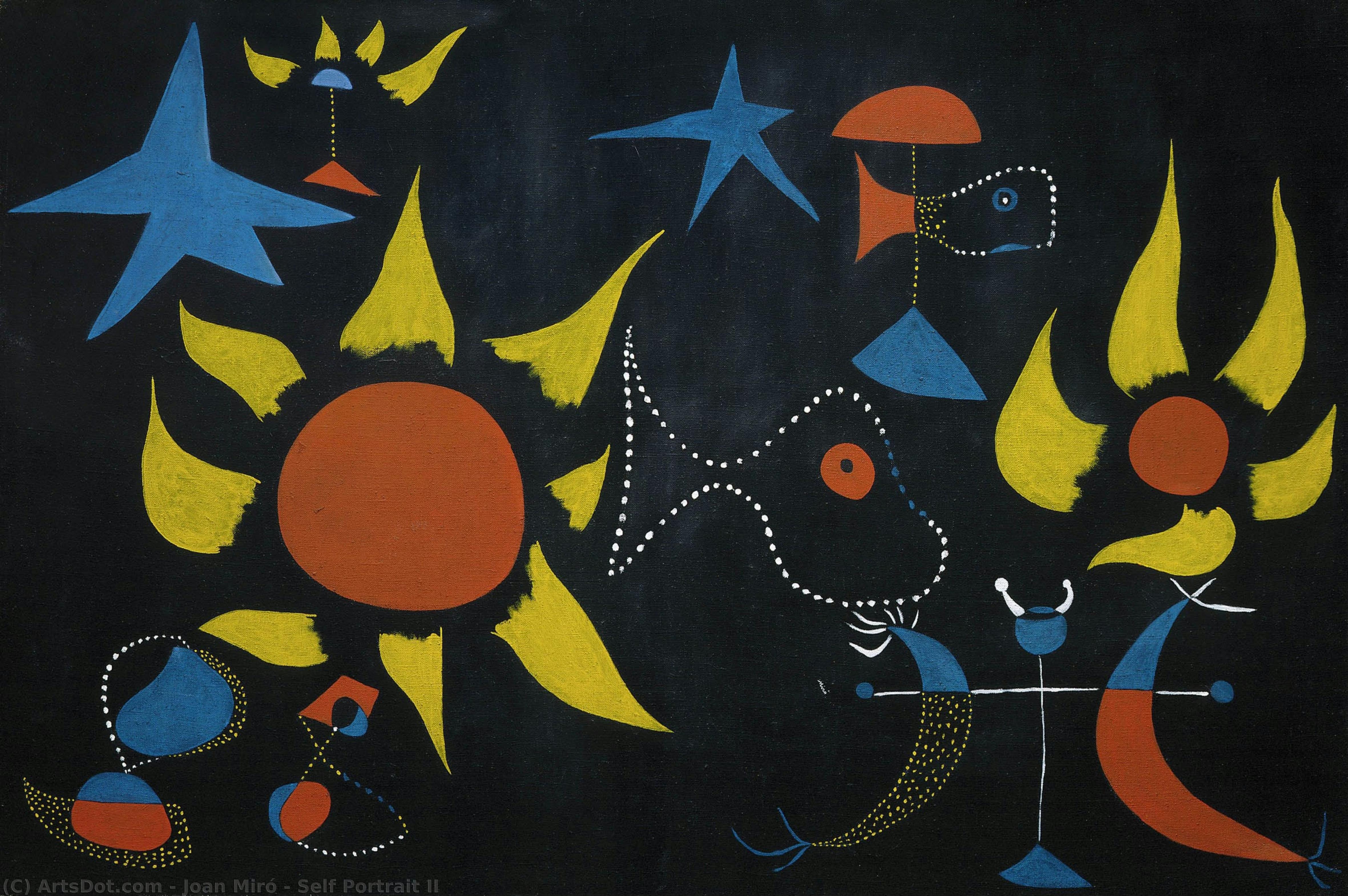
Self Portrait II

Křehká kráska v zrcadle – mistrovské dílo Joan Miró z roku 1919, plné symboliky a podivného kouzla. Objevte surrealistickou hloubku a osobní výpověď tohoto ikonického obrazu.

Ručně malovaná olejová reprodukce

Ručně malovaná olejná barva na plátně ve vašem zvoleném rozměru i s rámem, vyrobená našimi umělci na zakázku. (Přepnout na tisk Přepnout na tiskPřepnout na obrázek Přepnout na obrázek)

P118B $10
P118H $10
P118W $10
P438Z $10
P508JH $12
P508YH $12
P805H $10
P805Z $10
P919BZ $10
P919G $10
P919XJ $10
P959ZH $10
P968JZ $12
W106C $8
W218G $10
W218JH $8
W218Y $10
W307PJ $10
W316G $10
W316PJ $8
W316Y $10
W398PJ $8
W4111J $10
W500HY $15
W500JH $15
W692G $12
W849H $8
W940BG $15
W953PJ $8

Standard
custom
CM
INCH

Vyberte si z našich přednastavených velikostí, které odpovídají původním proporcím díla.

šířka
výška

Můžete zadat vlastní rozměry pro konkrétní rám nebo prostor. Pokud se vámi vybraná velikost neshoduje s proporcemi původního obrazu, dílo buď ořízneme, nebo jej doplníme ručně malovanými prvky. Před zahájením výroby vám bude zaslán digitální náhled ke schválení.
Upozorňujeme, že náhled na obrazovce neodpovídá skutečnému ořezu ani rozšíření. Pouze digitální náhled přesně zobrazí finální kompozici.
Ačkoliv je možné zvolit vlastní velikost, pro zachování původních proporcí doporučujeme vybrat rozměr z předdefinovaného seznamu.

Příklady možných změn: Nahrazení obličeje vlastní fotografií; Přidání domácího mazlíčka (např. nahrazení kočky psem); Vložení skrytého vzkazu do pozadí; Změna krajiny nebo prvků v pozadí.
Po přijetí objednávky vám tým TopImpressionists.com zašle e-mail s pokyny a poskytne náhledovou verzi.

Celosvětová doprava () za 3–4 týdny namísto standardních 5 týdnů. (4 srpen). Bez kompromisů v kvalitě.

why_choose_icon
Zdarma celosvětová expresní doprava
why_choose_icon
Vysoce kvalitní lněné plátno
why_choose_icon
Kompletní přepravní pojištění
why_choose_icon
Záruka vrácení celního poplatku
why_choose_icon
Záruka přesného barevného shodu
why_choose_icon
60denní lhůta pro vrácení zboží (pouze při vadách výroby)
why_choose_icon
100% garance vrácení peněz
why_choose_icon
Sleva při hromadné objednávce

Celková cena

$ 269

reproduction

Self Portrait II

Technika reprodukce

Rozměry reprodukce

-

Celková cena za výběr

$ 269

Základní informace

  • Artistic style: Abstract Expressionism
  • Notable elements or techniques: Geometric shapes & Organic forms
  • Influences:
    • Catalan Landscape
    • Gaudí
  • Movement: Surrealism
  • Title: Self Portrait II
  • Medium: Painting

Kvíz o umění

U každé otázky je pouze jedna správná odpověď.

Otázka 1:
What is the dominant color scheme employed in Joan Miró’s ‘Self Portrait II’?
Otázka 2:
The painting prominently features a sun. What symbolic significance might this element hold within Miró’s artistic vision?
Otázka 3:
Considering Miró’s influences, which architectural style is particularly evident in his artistic approach?
Otázka 4:
The image description highlights the presence of birds. How might these figures contribute to the overall interpretation of ‘Self Portrait II’?
Otázka 5:
What artistic technique is Miró known for utilizing in his paintings, characterized by simplified forms and vibrant colors?

Popis díla

A Window Into Miró’s Inner Landscape: Exploring ‘Self Portrait II’

Joan Miró's 'Self Portrait II', painted sometime between 1967 and 1968, isn’t merely a depiction of the artist; it’s an invitation into his profoundly imaginative world—a realm where recognizable forms dissolve into vibrant abstraction, mirroring the complexities of the human psyche. Created during Miró's prolific period of experimentation with color and form, this artwork exemplifies his signature style: Surrealist Expressionism, blending dreamlike imagery with bold chromatic hues and dynamic compositional arrangements.
  • Style & Technique: Miró’s technique is characterized by a deliberate rejection of representational accuracy. Instead, he employs loose brushstrokes—often applied in thick impasto—to build up textured surfaces that pulsate with energy. The palette leans heavily on yellows and blacks, punctuated by splashes of crimson and turquoise, creating an arresting visual contrast that draws the eye inward. This textural approach isn’t accidental; it reflects Miró's desire to capture not just what he sees but what he *feels*, channeling subconscious impulses onto the canvas.
  • Historical Context: Miró emerged as a pivotal figure in the Surrealist movement following World War II, though he distanced himself from André Breton’s rigid dogma. However, his artistic vision remained firmly rooted in the spirit of Surrealism—a preoccupation with irrationality, automatism, and the exploration of dreams—influenced by artists like René Magritte and Salvador Dalí. The painting speaks to a broader cultural fascination with mythology and symbolism, reflecting anxieties about the Cold War era.
Symbolism & Imagery: The central element – a radiant sun – immediately establishes a connection to primal forces of life and illumination. Its placement in the upper left quadrant suggests an aspiration for transcendence, hinting at Miró’s spiritual leanings. Scattered stars represent aspirations for enlightenment and guidance, mirroring the artist's own quest for meaning amidst chaos. The birds, positioned on opposite sides of the composition, symbolize freedom and communication—themes recurrent throughout Miró’s oeuvre. Their stylized forms contribute to the overall sense of otherworldly beauty. Emotional Impact: ‘Self Portrait II’ transcends mere visual representation; it communicates a palpable emotional resonance. The bold colors evoke feelings of optimism mingled with melancholy, capturing the artist's contemplation on mortality and artistic legacy. The dynamic composition conveys an impression of restless movement—a reflection of Miró’s inner turmoil and creative energy. Viewing this artwork is akin to embarking on a journey into the subconscious, prompting viewers to confront their own anxieties and desires.
  • Interior Design Considerations: For interior designers seeking inspiration, ‘Self Portrait II’ offers a captivating focal point—a piece that commands attention without overwhelming space. Its vibrant hues can be harmoniously incorporated into palettes inspired by Mediterranean landscapes or bohemian interiors. The textured surface adds depth and visual interest to any room.
Concluding Thoughts: Joan Miró’s ‘Self Portrait II’ remains a testament to the power of abstraction to convey profound emotional truths. It's more than just a painting; it’s a crystallized fragment of Miró’s artistic soul—a timeless masterpiece that continues to inspire and intrigue audiences worldwide. Reproductions crafted with meticulous attention to detail ensure that its evocative beauty can be enjoyed in homes across the globe.

Biografie umělce

A Catalan Visionary: The Life and Art of Joan Miró

Joan Miró i Ferrà, born in Barcelona in 1893, stands as one of the most significant figures in 20th-century art. His journey was not merely a progression through styles but an exploration of inner worlds, translating dreams, memories, and Catalan identity onto canvas with a uniquely poetic visual language. From humble beginnings marked by illness and initial parental reservations about his artistic pursuits, Miró persevered, driven by an innate need to express the intangible—the emotions, sensations, and subconscious currents that lie beneath the surface of reality. His early life was steeped in the traditions of Barcelona, a city brimming with architectural marvels thanks to Antoni Gaudí, whose organic forms would subtly influence Miró’s later abstractions. The goldsmithing profession of his father instilled an appreciation for meticulous craftsmanship, while the rugged Catalan landscape became a recurring motif and source of inspiration throughout his career.

Early Influences and the Path to Surrealism

Miró's formal artistic training began at La Llotja in Barcelona, where he honed his skills in traditional techniques. However, it was exposure to the avant-garde movements sweeping through Paris that truly ignited his creative evolution. The vibrant colors of Fauvism and the fragmented forms of Cubism resonated deeply, prompting him to move to Paris in 1920. This period proved pivotal as he encountered artists like Pablo Picasso and began experimenting with increasingly abstract compositions. Yet, Miró didn’t simply adopt these styles; he synthesized them, forging a path toward his own distinctive aesthetic. He sought to distill forms to their essence, stripping away representational details in favor of symbolic shapes and evocative colors. This exploration led him to the Surrealist group in 1924, aligning him with artists such as Max Ernst and Salvador Dalí. While embracing the Surrealist interest in the subconscious, Miró maintained a unique sensibility—his work was less about shocking imagery or Freudian symbolism than it was about creating a world of playful forms and poetic suggestion. He believed that art should transcend rational thought and tap into the realm of dreams and intuition.

The Catalan Landscape and Artistic Roots

Miró’s formative years were profoundly shaped by his surroundings. Growing up in Barcelona, he absorbed the influence of Gaudí's architectural innovations—the undulating curves and organic textures of Sagrada Familia and Parc Güell—which instilled within him a fascination for natural forms and patterns. The Catalan landscape—characterized by pine forests, rocky mountains, and azure seas—became a constant source of inspiration for his paintings and prints. These elements would reappear throughout his oeuvre, symbolizing resilience, freedom, and the enduring spirit of Catalan culture. His father’s profession as a goldsmith instilled in him an appreciation for precision and craftsmanship, shaping his artistic approach and contributing to his meticulous attention to detail.

Key Works: A Surrealist Universe

Miró's artistic output spanned decades, encompassing painting, sculpture, ceramics, printmaking, and collage—each medium serving as a vehicle for exploring his distinctive vision. The Farm (1922) stands as a seminal achievement, embodying the artist’s synthesis of Fauvist color palettes with Cubist fragmentation. It depicts a stylized Catalan landscape populated by fantastical creatures—birds, snails, and amorphous shapes—creating a dreamlike atmosphere that reflects Miró's preoccupation with subconscious imagery. The series *Dutch Interiors (1928)* demonstrated his ability to reinterpret the Old Masters through a modernist lens, transforming familiar domestic scenes into abstracted compositions infused with Surrealist symbolism. His collaborative efforts with Max Ernst on *Grattage* canvases—particularly *The Elephant Bird*—marked an important stage in his artistic experimentation and showcased his innovative techniques for revealing textures beneath layers of paint. Painting (1933) exemplifies Miró’s commitment to simplifying forms and prioritizing color, resulting in striking images that convey a sense of immediacy and emotional intensity.

Legacy and Enduring Influence

Joan Miró's contribution to modern art is undeniable. He challenged conventional artistic norms and championed abstraction as a means of expressing inner experience—a legacy that continues to inspire artists today. His unwavering belief in the power of imagination and his refusal to compromise on his artistic vision solidified his place among the most influential figures of the 20th century. Miró established two foundations—the Fundació Joan Miró in Barcelona (1975) and the Fundació Pilar i Joan Miró in Palma de Mallorca (1981)—ensuring that his artistic legacy would endure, fostering creativity and promoting dialogue between art and society. His work remains a testament to the transformative potential of art—a vibrant celebration of Catalan identity and an enduring symbol of Surrealist innovation.

Joan Miró

Joan Miró

1893 - 1983 , Španělsko

Rychlé fakta

  • Artistic Movement Or Style: Surrealismo
  • Artists Or Movements Influenced By This Artist: ['Fauvismus']
  • Artists Who Influenced This Artist:
    • Pablo Picasso
    • Cézanne
  • Date Of Birth: 20 aprile 1893
  • Date Of Death: 25 dicembre 1983
  • Full Name: Joan Miró i Ferrà
  • Nationality: Spagnolo
  • Notable Artworks:
    • La Poetisa
    • Dům s palmy
    • Tanečník s zrcadlem
  • Place Of Birth: Barcelona, Spagna
Prozkoumejte umělecká díla uspořádaná podle témat, stylů a charakteristik.
© TopImpressionists.com — Všechna práva vyhrazena  ·  100% Ručně malováno · Spokojenost zaručena · Doprava po celém světě zdarma
VISA MASTERCARD