

 Náhled v interiéru
 Sdílet
 Sdílet
 Podrobnosti o díle
 Průvodce

 Stáhnout
 Podobné položky
 Rentgenové snímky
 Slideshow
 Q&A
Q&A Statistiky
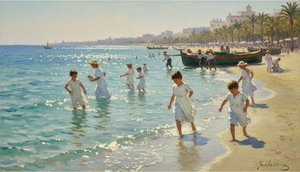
La siesta


Experience the radiant light and leisure of Joaquín Sorolla’s ‘La Siesta,’ a captivating Spanish painting from 1912 depicting women resting in nature. This stunning reproduction captures the artist's signature style and offers a timeless moment of tranquility – discover or own this masterpiece.
 Zobrazit více
Joaquín Sorolla: Španělský mistr světla a barvy! Objevte jeho zářivé portréty a plážové scény zachycující podstatu středomoří. Jeho dílo je ikonické a inspirativní!
Giclée / Umělecký tisk
Giclée nebo plátěný tisk muzeální kvality s rychlou výrobou a širokou nabídkou povrchových úprav. ( Koupit ručně malovaný obraz Přepnout na digitální obraz)




P118B Kč10

P118H Kč10

P118W Kč10

P438Z Kč10

P508JH Kč12

P508YH Kč12

P805H Kč10

P805Z Kč10

P919BZ Kč10

P919G Kč10

P919XJ Kč10

P959ZH Kč10

P968JZ Kč12

W106C Kč8

W218G Kč10

W218JH Kč8

W218Y Kč10

W307PJ Kč10

W316G Kč10

W316PJ Kč8

W316Y Kč10

W398PJ Kč8

W4111J Kč10

W500HY Kč15

W500JH Kč15

W692G Kč12

W849H Kč8

W940BG Kč15

W953PJ Kč8




Standardní velikost
na zakázku
CM
INCH
Vyberte si z našich přednastavených velikostí, které odpovídají původním proporcím díla.
Loading sizes...

šířka
výška
Zadejte šířku a výšku, které potřebujete pro váš rám nebo stěnu. Tisk lze pouze oříznout, nikdy však nelze zvětšit obraz nad jeho původní rozměr, proto při výběru jiného formátu dochází ke ztrátě části obrazu. Před samotným tiskem vám zašleme digitální náhled k schválení. Obraz zobrazený na této stránce nenabízí skutečný výřez — ten uvidíte pouze v náhledu.
Celosvětové doručení () do 2 týdnů namísto standardních 4/5 týdnů. (31 říjen)

Zdarma celosvětová expresní doprava

Vysoce kvalitní lněné plátno

Kompletní pojištění přepravy

Záruka vrácení celního poplatku

Záruka věrného barevného souladu

100dení lhůta pro vrácení zboží (pouze při vadách výroby)

100% záruka vrácení peněz

Sleva při více objednávkách
 Skleněná varianta je dostupná pouze u rozměrů menších než 110 cm

La siesta
Giclée / Umělecký tisk
Rozměry reprodukce
-


Celková cena za vybrané možnosti reprodukcí
Kč 1500
A Moment of Golden Tranquility: Exploring Sorolla’s “La Siesta”
Joaquín Sorolla’s “La Siesta,” painted in 1912, is more than just a depiction of women resting outdoors; it's an embodiment of the Spanish spirit – a celebration of light, leisure, and the simple joys of life. This captivating scene, brimming with warmth and serenity, offers a profound glimpse into Sorolla’s masterful technique and his deep connection to the Valencian landscape that shaped his artistic vision. The painting immediately draws the eye to the figures bathed in an almost impossibly bright, golden light – a hallmark of Sorolla's style, achieved through meticulous observation and a keen understanding of how sunlight interacts with surfaces.
- Subject Matter: The central theme is the “siesta,” the afternoon nap, a deeply ingrained tradition in Spanish culture. It represents a pause from labor, a moment for rest and connection.
- Composition: Sorolla expertly employs a pyramidal composition, guiding the viewer’s eye through the scene with a natural grace. The figures are arranged to create depth and movement, while their relaxed postures invite the observer into their tranquil world.
- Color Palette: Dominated by warm yellows, ochres, and greens, the palette evokes the intense sunlight of the Mediterranean coast. These colors aren’t merely descriptive; they contribute significantly to the painting's emotional impact.
The Master of Light – Sorolla’s Technique
Sorolla was renowned for his ability to capture light with unparalleled realism and vibrancy. His technique, heavily influenced by Impressionism and plein air painting, involved working rapidly to fix the fleeting effects of sunlight before it changed. He utilized loose, broken brushstrokes—a characteristic feature of his style—to create a shimmering effect, particularly noticeable in the fabrics and skin tones of the figures. The horse, rendered with equally confident strokes, adds to the sense of movement and vitality within the scene. Notice how he builds up layers of color, creating an almost palpable texture that invites closer inspection.
- Plein Air Painting: Sorolla frequently painted outdoors ("en plein air"), directly observing and translating the natural light onto canvas.
- Broken Brushstrokes: His signature technique involved applying paint in short, separate strokes, allowing the colors to blend optically rather than physically.
- Emphasis on Reflection: He meticulously depicted reflections of light on surfaces – water, grass, skin – amplifying the sense of luminosity.
Symbolism and Context – Valencia’s Golden Age
"La Siesta" was created during a period of significant artistic flourishing in Spain, often referred to as the “Golden Age” of Spanish painting. Sorolla's work reflects this era's fascination with light, color, and the celebration of everyday life. The scene itself is imbued with subtle symbolism; the bottle suggests refreshment and conviviality, while the relaxed posture of the women embodies a sense of freedom and contentment. The horse, a common motif in Valencian art, represents strength, nobility, and connection to the land – values deeply rooted in the region’s history.
Painted in 1912, the work reflects Sorolla's growing international recognition. He had already established himself as one of Spain’s leading artists, exhibiting his works across Europe and attracting a devoted following. This painting exemplifies his ability to capture not just a visual scene but also the very essence of Spanish life and culture.
Emotional Resonance – A Legacy of Serenity
Ultimately, “La Siesta” transcends its subject matter to evoke a profound sense of peace and tranquility. Sorolla’s masterful use of light and color creates an atmosphere of warmth and serenity that invites the viewer to share in the women's moment of respite. It is a timeless image that speaks to our universal desire for relaxation, connection, and appreciation of the simple pleasures of life – a testament to Sorolla’s enduring legacy as one of Spain’s greatest painters.
Otázky a odpovědi
Patří dílo „La siesta“ mezi slavná děl směru Impressionist Spanish Painting?
Dílo „La siesta“ od Joaquín Sorolla je klasifikováno jako Iconic a patří k享有 směru Impressionist Spanish Painting.
Jaké využití a prostor se doporučuje pro „La siesta“ od Joaquín Sorolla?
Pro dílo „La siesta“ od Joaquín Sorolla jsou uvedena dvě doporučení pro použití (Mood) a prostor (Living Room).
Co zachycuje dílo "La siesta"?
Témata obsažená v díle „La siesta“ od Joaquín Sorolla zahrnují spanish painting, sorolla style, outdoor leisure, restful scene, light and shadow, female figures, rural spain. Tato témata společně shrnují obsah celého uměleckého díla.
Podobná díla


Biografie umělce
A Life Bathed in Light: The World of Joaquín Sorolla
Joaquín Sorolla y Bastida, jméno synonymum pro zářivý světlo a živou energii Španělska, byl víc než jen malíř; byl kronikářem duše své země. Narodil se ve Valencii v roce 1863 a jeho rané dětství bylo poznamenáno tragédií. V pouhých dvou letech, po cholerové epidémii, která si vyžádala životy obou rodičů, byl s mladší sestrou svěřen do péče své materské tety a strýce. Tato raná zkušenost se ztrátou možná v něm zanechala hluboké ocenění plynutí života – sentiment, který by se promítl do jeho uměleckého díla. Přestože ho tížily těžkosti v dětství, nezhasínající jiskra uměleckého talentu, která se brzy projevila, nechtěla být potlačena. Dostal počáteční výuku ve Valencii, kde prokázal nadání, které vedlo k studiu pod vedením uznávaných umělců, jako byli Cayetano Capuz a José Benlliure, nakonec culminující v grant na čtyři roky studia v Římě. Tam, uprostřed klasické grandeur Itálie, začal Sorolla formovat svůj jedinečný umělecký směr, absorboval vlivy, přičemž zároveň vyvíjel styl, který byl charakteristický pro něj samotného.Od Historických Narrativ k Slunečně Zlatým Realismům
Sorollův raný tvorba odrážela převládající akademické trendy té doby – rozsáhlé historické a mytologické scény. Nicméně, došlo k zásadnímu posunu, jakmile se vrátil do Španělska a začal skutečně pozorovat svět kolem sebe. Zaujal ho každodenní život jeho spoluobčanů, zejména ti na valencijském pobřeží. Intenzivní středomořské slunce, zářící moře a živá energie lidí se stali jeho hlavními předměty. Tento přechod nebyl okamžitý; Sorolla pokračoval v prozkoumávání sociálního realismu s díly jako *Smutné dědictví* (1899), silná reprezentace dětí trpících poliomy, které se koupou ve moři – obraz, který získal významnou obdivovanost, ale také odhalil temnější, soucitnější stránku jeho uměleckého vize. *Smutné dědictví*, vystavené na Pařížském veletrhu, přineslo mu širokou uznání a upevnil jeho pozici jako vedoucího španělského umělce. Přestože se snažil zachytit světlo, ne pouze ho zobrazovat, jeho styl byl inspirován impresionismem, ale nikdy se plně nepřipustil jeho zásady. Jeho díla nesměla být jen reprezentací světla; měly zachycovat jeho esenci, způsob, jak tančí na vodě, osvětluje kůži a transformuje obyčejné okamžiky v scény mimořádné krásy.Mistr Luminismu: Unikátní Umělecký Hlas
Sorollův technický styl byl okamžitě rozpoznatelný – bravurní zobrazení štětcových tahů, charakterizované volnými, energickými tahy, které vyjadřovaly pohyb a atmosféru. Pracoval *en plein air* vždy, když to bylo možné, přímo čelil výzvám zachycení mihotavého světla. Tato oddanost malování venku vedla k plátnům, která jsou plná života a okamžitosti. Jeho plážové scény, možná jeho ikonické díla, nejsou jen malebné reprezentace volného času; jsou studiemi luminismu, odrazů a radosti lidí v interakci s jejich prostředím. Obrazy jako *Děti na pláži* a *Šití záveje* to dokazují – postavy osvětlené zlatým světlem, zobrazené s pozoruhodným pocitem spontánnosti a vitality. Nebyl zván k detailnímu zobrazení; spíše se snažil vyjádřit *pocit* reality, upřednostňoval atmosféru a emoce před přesnou reprezentací. Tento přístup mu získal srovnání s impresionisty jako Monetem a Renoirrem, ale jeho dílo mělo jedinečnou španělskou povahu – teplo, intenzitu a emocionální hloubku, která ho odlišovala.Dědictví a Trvalý Vliv
V prvních letech 20. století byl Joaquín Sorolla mezinárodně uznávaný umělec. Vykládal po celé Evropě i v USA, získával množství ocenění a objednávek. Jeho nejambicióznější podnik, *Vize Španělska*, cyklus patnácti monumentálních muralů zadaných Hispanic Society of America, zůstává svědectvím jeho umělecké vize a technické dovednosti. Přestože utrpěl mrtvicí v roce 1920, která omezila jeho malířskou činnost, jeho vliv pokračoval růst po jeho smrti v roce 1923. Jeho díla inspirovala generace umělců, nejen ve Španělsku, ale po celém světě. Dnes jsou jeho obrazy vystaveny v předních muzeích po celém světě, včetně Muzea Sorolla v Madridu – bývalý dům transformovaný na prostor věnovaný prezentaci jeho umění. Sorollův dědictví přesahuje jeho technickou brilanci; zachytil specifický okamžik španělské historie a kultury, navždy ztvárčil krásu jejích krajin a ducha jejích lidí. Zůstává mistrem světla, barvy a emocí – malíř, jehož dílo nadále rezonuje s publikem dneška, připomíná nám sílu umění osvětlit náš svět.Klíčové úspěchy a uznání
- 1892: Zlatá medaile na Národní výstavě v Madridu pro *Další Margaritu*.
- 1894: Ocenění za *Návrat z rybolovu: Tažení lodi*, které bylo zakoupeno Musée du Luxembourg.
- 1899: Grand Prix a vyznamenání na Univerzální výstavě v Paříži pro *Smutné dědictví*.
- 1900-1923: Rozsáhlé výstavy po celé Evropě i v USA, které upevňovaly mezinárodní uznání.
- 1912-1928: Zadal se cyklusem muralů *Vize Španělska* pro Hispanic Society of America (dokončen posthumně).
- Současnost: Díla jsou vystavována v předních muzeích po celém světě, včetně Muzea Sorolla v Madridu.

Joaquín Sorolla
1863 - 1923 , Španělsko
Rychlé informace o umělci
- Artistic Movement Or Style: Luminismus, Impressionismus
- Artists Or Movements Influenced By This Artist: ['Sorolla']
- Artists Who Influenced This Artist:
- Pradilla
- Bastien-Lepage
- Menzel
- Date Of Birth: 27. února 1863
- Date Of Death: 10. srpna 1923
- Full Name: Joaquín Sorolla y Bastida
- Nationality: Španělský
- Notable Artworks:
- Další Marguerite
- Plavba do moře
- Bílá služebná
- Place Of Birth: Valencia, Španělsko
Související články

Katsushika Hokusai: 25 mistrovských děl japonského umění pro váš interiér | TopImpressionists.com
Prozkoumejte 25 ikonických děl japonského mistra Katsushiky Hokusaiho! Objevte příběhy za Velkou vlnou, 36 pohledů na horu Fuji a další ukiyo-e tisků. Kvalitní reprodukce obrazů pro váš interiér na TopImpressionists.com.

Giclée Prints: Archival Quality & Aesthetic Nuances for the Discerning Collector
Explore the world of giclée prints with TopImpressionists. Learn about archival quality, aesthetic nuances & investment potential. Expert guidance for discerning art collectors seeking museum-quality reproductions and lasting value.
Joaquín Sorolla: Capturing Spanish Light & Life – A Legacy of Impressionism
Explore the luminous world of Joaquín Sorolla, Spanish master of Impressionism. Discover his life, techniques & legacy – a guide for art collectors and enthusiasts. Invest in timeless beauty.

Evocations of Place: A Historical Journey Through Landscape Art
Explore the rich history of landscape art with TopImpressionists. Discover renowned artists, movements like Impressionism & Romanticism, and expert guidance for collecting timeless pieces. Find your perfect serene escape today!

Romantická krajina v malbě: 10 mistrovských děl, které definovaly umělecký proud | TopImpressionists
Prozkoumejte 10 ikonických děl romantické krajinářské malby! Objevte příběhy Caspara Davida Friedricha, Turnera a dalších mistrů. Reprodukce obrazů nejvyšší kvality pro váš interiér na TopImpressionists.com.
Prozkoumejte umělecká díla uspořádaná podle témat, stylů a charakteristik.


