

Zobrazeno: · Včetně rámu:
 Náhled v interiéru
 Sdílet
 Sdílet
 Podrobnosti o díle
 Průvodce

 Stáhnout
 Podobné položky
 Rentgenové snímky
 Slideshow
 Otázky a odpovědi
 Statistiky
- 33.0 x 31.0 cm


Kč 5855
Ručně malovaná olejová reprodukce
Rukou malované olejné plátno v libovolném rozměru i s rámem, vyrobené našimi umělci na zakázku. ( Přepnout na tisk Přepnout na digitální obraz)
Velikost
·Standardní velikost
na zakázku
CM
INCH
Vyberte si z našich přednastavených velikostí, které odpovídají původním proporcím díla.
Načítání velikostí...

šířka
výška
Zadejte šířku a výšku, které potřebujete pro váš rám nebo stěnu. Protože se jedná o ruční malbu, při výběru jiného formátu může umělec kolem obrazu domalovat o něco více, nebo jej mírně oříznout — rozhodnete si vy. Před zahájením malby vám zašleme digitální náhled ke schválení. Obraz zobrazený na této stránce neodpovídá skutečnému výsledku — pouze digitální náhled jej zobrazuje.
 Více informací
Dokončit
·
Bílé okraje Kč1

Rozostřené okraje Kč1

Prodloužené okraje Kč1

P118B Kč10

P118H Kč10

P118W Kč10

P438Z Kč10

P508JH Kč12

P508YH Kč12

P805H Kč10

P805Z Kč10

P919BZ Kč10

P919G Kč10

P919XJ Kč10

P959ZH Kč10

P968JZ Kč12

W106C Kč8

W218G Kč10

W218JH Kč8

W218Y Kč10

W307PJ Kč10

W316G Kč10

W316PJ Kč8

W316Y Kč10

W398PJ Kč8

W4111J Kč10

W500HY Kč15

W500JH Kč15

W692G Kč12

W849H Kč8

W940BG Kč15

W953PJ Kč8

H24-GOLD Kč30

H24-SILVER Kč30

H36-GOLD Kč45

H36-SILVER Kč45
Dodáváno v ochranné tubě, připraveno k vlastním rámování.
Doplňkové služby
volitelnéCo všechno doplňky zahrnují?
Příklady možných změn: Nahrazení obličeje fotografií zákazníka; Přidání mazlíčka (např. výměna kočky za psa); Skrytá zpráva v pozadí; Změna krajiny nebo prvků v pozadí.
Po přijetí objednávky vám tým TopImpressionists.com pošle e-mail s instrukcemi a poskytne náhled návrhu
Po přijetí objednávky vám tým TopImpressionists.com pošle e-mail s instrukcemi a poskytne náhled návrhu
Celosvětová doprava () za 3–4 týdny namísto standardních 5 týdnů. (7 listopad). Bez kompromisů v kvalitě.
Ochranný lak
Popisek díla
Detaily ryté bronzové plakety
This elegant plaque features the artist's name and the title of the artwork, finely engraved for a timeless presentation.
It is made from bronze with a refined, elegant finish. The text is precisely laser-engraved for a sharp and permanent result. Measuring 9x2 cm, the plaque is compact yet easy to read. It's built to be durable and scratch-resistant, offering a professional, museum-quality look. Mounting is simple thanks to the included adhesive backing.
Detaily průhledné akrylové desky
The plaque includes essential engraved details such as the artist's name, the title of the artwork, the date it was created, the type of media used-like oil on canvas or watercolor-a brief description of the piece, and a QR code that links to the complete artwork information.
It is crafted from clear acrylic, offering a sleek, modern appearance. The text is UV-engraved in black to ensure strong visual contrast. With a size of 10x15 cm, it ensures optimal readability. It comes equipped with two metal hooks for secure wall mounting. The plaque is designed to be weather-resistant, making it suitable for various environments, and it includes interactive features that work seamlessly with smartphone scanning.
Detaily černé akrylové destičky
This elegant plaque includes engraved information such as the artist's name, the title of the artwork, the date it was created, the type of media used (like oil on canvas or watercolor), a short description of the artwork, and a QR code for quick access to more information.
The plaque itself is made from refined black acrylic with a premium finish. The text is laser-engraved in white for high contrast and readability. Its size is 10x15 cm, designed to be easy to read. It comes with two metal hooks for professional mounting. The design is sleek and fits any interior style. It is also weather-resistant and durable, with built-in digital integration for mobile compatibility.
Skleněná varianta je dostupná pouze u rozměrů menších než 110 cm
 Skleněná varianta je dostupná pouze u rozměrů menších než 110 cm
- Zdarma celosvětová expresní doprava
- Vysoce kvalitní lněné plátno
- Kompletní pojištění přepravy
- Záruka vrácení celního poplatku
- Záruka věrného barevného souladu
- 100dení lhůta pro vrácení zboží (pouze při vadách výroby)
- 100% záruka vrácení peněz
- Sleva při více objednávkách


Popis sbírného předmětu
Explore Johann Zoffany's 'Self-Portrait,' a captivating 1805 painting revealing a glimpse into Georgian society, featuring intriguing figures and classical influences. Discover the artist’s unique style & historical context.
Biografie umělce
"meta_description": "Johann Zoffany (1733–1810) byl německý malíř známý především konverzačními portréty a scénami z divadelních představení. Jeho díla, včetně detailní podoby Uffizi v Římě, zachycují život anglické společnosti 18. století."
O malbě
A Window into the Soul: Johann Zoffany’s “Self Portrait as David with the Head of Goliath”
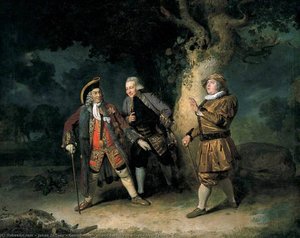
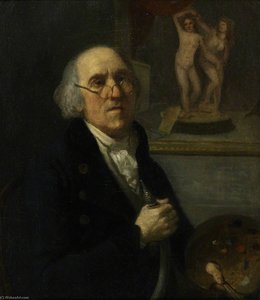
Johann Zoffany's "Self Portrait as David with the Head of Goliath," painted in 1805, is far more than a simple depiction of an artist contemplating his own likeness. It’s a meticulously constructed tableau vivant—a staged scene brimming with classical allusion, theatricality, and a subtle, almost unsettling, exploration of identity and artistic ambition. This remarkable work, housed within the Google Art Project, offers a captivating glimpse into the mind of a master portraitist navigating the complex social landscape of 18th-century England.
Zoffany’s genius lay in his ability to seamlessly blend historical references with contemporary life. The painting immediately draws the eye to the central figure, a man strikingly resembling Zoffany himself, posed dramatically as David, victorious over Goliath. However, this isn't a straightforward homage to Michelangelo’s iconic sculpture; rather, it’s a carefully orchestrated layering of symbolism. The head of Goliath, prominently displayed on a table beside him, is not merely a prop but a deliberate reference to the biblical narrative—a potent emblem of triumph and artistic skill. The inclusion of this severed head speaks volumes about Zoffany's own aspirations: he sought recognition as a master craftsman, capable of capturing both the physical likeness and the spirit of his subjects.
The Stage is Set: Context and Composition
Beyond the central figure, the composition unfolds like a miniature theatrical scene. Two statues—one depicting Venus and the other Diana—stand sentinel on either side, adding an element of classical grace and subtly elevating the entire arrangement. These figures, reminiscent of Roman sculptures, serve as silent witnesses to Zoffany’s self-portrait, grounding the scene in antiquity while simultaneously suggesting a dialogue between past and present. The carefully chosen setting – a richly furnished room with a vibrant tapestry and a collection of intriguing objects—further enhances this sense of layered meaning. The inclusion of a violoncello, a symbol of musical refinement and intellectualism, hints at Zoffany’s own appreciation for the arts and his desire to be associated with the elite circles of London society.
Zoffany's meticulous attention to detail is evident in every aspect of the painting. The lighting, expertly rendered, creates a sense of depth and drama, drawing the viewer into the scene. The textures—the velvet upholstery, the polished wood of the furniture, the rough surface of the stone statues—are all depicted with remarkable realism. This commitment to accuracy reflects Zoffany’s training as a decorative painter and his understanding of how to create convincing illusions of space and form.
A Reflection on Identity: The Artist's Gaze
Perhaps the most compelling aspect of “Self Portrait as David with the Head of Goliath” is its subtle exploration of identity. Zoffany isn’t simply portraying himself; he’s presenting a carefully constructed image of himself—an artist, a scholar, and a man of refined taste. The direct gaze of his self-portrait invites the viewer to engage in a silent dialogue, questioning the nature of representation and the relationship between art and reality. The inclusion of the severed head of Goliath can be interpreted as a symbolic challenge – a reminder that artistic success often requires confronting difficult truths and overcoming formidable obstacles.
Furthermore, the painting’s creation occurred during a period of significant social and political change in England. The rise of the middle class, the burgeoning interest in classical art and literature, and the expansion of the British Empire all contributed to a climate of intellectual ferment. Zoffany's work reflects these shifting values, capturing the spirit of an era defined by ambition, innovation, and a fascination with the past.
Collecting the Echoes: Reproduction and Legacy
Reproductions of “Self Portrait as David with the Head of Goliath” offer a remarkable opportunity to experience the richness and complexity of Zoffany’s masterpiece. Whether displayed in a grand salon or a smaller study, this painting continues to captivate viewers with its intricate details, evocative symbolism, and profound insights into the human condition. It serves as a testament to the enduring power of art to illuminate our understanding of ourselves and the world around us.
Otázky a odpovědi
Kde je dnes možné vidět dílo „Self Portrait“ od Johann Zoffany?
Originál díla „Self Portrait“ od Johann Zoffany je uložen v instituci Britská knihovna, Londýn, United Kingdom. Reprodukce však umožňuje toto dílo vystavit i ve vašem domově.
K čemu se doporučuje reprodukce díla „Self Portrait“ od Johann Zoffany?
Reprodukci díla „Self Portrait“ od Johann Zoffany doporučujeme pro Reflective. Toto doporučení vychází z tématu, nálady a barevnosti tohoto díla.
Je „Self Portrait“ od Johann Zoffany obrazem, kresbou nebo grafikou?
Dílo „Self Portrait“ od Johann Zoffany je klasifikováno jako WallArt. Tato kategorie určuje typ uměleckého díla, kterým je originál.
Rychlá fakta a umělecký kvíz
O umělci Johann Zoffany

Johann Zoffany
1733 - 1810, Německo
Biografie umělce
Johann Zoffany: Mistr Konverzačních Portrétů a Evropského Světa
Johann Zoffany, narozený Johannes Josephus Zaufallij v roce 1733 v Freibruhu v Německu, byl malíř, který si získal obdiv především ve Velké Británii i v Itálii. Detaily jeho raného života jsou poměrně skromné, ale víme, že od mladého věku dostával umělecké vzdělání. Nejprve se učil u sochaře, možná Melchiora Paula v Ellwangenu, a poté u Martina Speera v Řezníku. Tato základní fáze položila základy pro jeho budoucí kariéru.
V roce 1750 cestoval Zoffany do Říma, kde se připojil k dílně Agostino Masucciho a zdokonaloval své dovednosti v italské umělecké tradici. V roce 1760 se následně přesunul do Anglie, kde si nejprve vydělával vytvářením dekorativních návrhů pro hodiny vyrobené Stephenem Rimbaultem. Tato doba představovala obratový bod, kdy začal budovat kontakty a získávat uznání v londýnské umělecké scéně.
Královská Milost a Umělecký Rozvoj
Zoffany rychle upoutal pozornost krále Jiřího III. a královny Charloty, stali se tak oblíbenými portrétisty královské rodiny. Jeho schopnost zachycovat neformální okamžiky – například portrét Královny Charloty a jejích dvou nejstarších dětí (1765) – ho odlišovalo od formálních dvorních malířů. Byl také populární u rakouské císařské rodiny a v roce 1776 byl jmenován barónem Holy Roman Empirem císařem Marií Teresií.
Mistr Konverzačních Portrétů
Zoffany se stal slavným díky svým „konverzačním portrétům“ – neformálním portrétům zachycujícím společenské shromáždění. Vynikal v zachycování osobností a interakcí uvnitř těchto scén, často zobrazoval prominentní postavy ze společnosti, divadla a literatury. Jeho díla, jako například Rodina Copeová (1775), nabízejí pohledy do životů jeho patronů.
Významné Úspěchy a Významná Díla
- Tribuna Uffizi (1772–1778): Jeho nejznámější dílo, pečlivě detailní zobrazení Uffizi v Benátkách.
- Dr. William Hunter vyučující anatomii na Královské akademii (1779): Fascinující portrét lékařského vzdělávání a vědeckého výzkumu.
- Král Jiří III. (1771): Krásný portrét zobrazující královskou moc a eleganci.
- Colonel Mordauntův koktejl (1784–1786): Živý obraz koloniálního života v Indii, zachycující jedinečný kulturní event.
Roky v Indii a Pozdější Život
Od roku 1783 do roku 1789 žil Zoffany v Indii, kde portrétoval významné osobnosti, jako Warren Hastings a Asaf-ud-Daula. Jeho zkušenosti tam ovlivnily jeho umělecký styl a témata. Zajímavá historka z tohoto období se týká ponorky, na které skončila cesta indických obchodníků, kteří se uchýlili k drastickým opatřením pro přežití.
Vlivy a Dědictví
Zoffaného dílo odráží vlivy z německé preciznosti i italského umění. Byl ovlivněn malíři jako Agostino Masucci a čerpal inspiraci z barokní tradice. Jeho styl zase ovlivnil současníky a pozdější umělce, kteří se zajímali o portrétování a sociální komentář. Zůstal významnou postavou v historii umění, oslavovaný pro svou technickou zručnost, vhledné pozorování a jedinečný umělecké vizi.
Historický Význam
Johann Zoffany’s obrazy poskytují cenné poznatky do společenských zvyků, intelektuálního života a kulturních hodnot jeho doby. Jeho „konverzační portréty“ nabízejí intimní portréty prominentních osobností a jejich světa, zatímco jeho zobrazení Indie přispívají k našemu pochopení koloniální historie. Zůstal významnou postavou v historii umění, oslavovaný pro svou technickou zručnost, vhledné pozorování a jedinečný umělecký vizi.
Závěr
Johann Zoffany byl skutečně jedinečným umělcem, který dokázal zachytit ducha své doby a vytvořit díla, která i dnes fascinují. Jeho portréty jsou nejen krásné, ale také poskytují cenný pohled na život a společnost v 18. století.
Rychlé informace o umělci Johann Zoffany
- Artistic Movement Or Style: Neoklasicismus, Realismus
- Artists Or Movements Influenced By This Artist: ['Zoffani']
- Artists Who Influenced This Artist:
- Masucci
- Speer
- Date Of Birth: 13. března 1733
- Date Of Death: 11. listopadu 1810
- Full Name: Johann Zoffany
- Nationality: Němec
- Notable Artworks:
- Tribuna Uffizi
- George III
- Kolonální zápas
- Place Of Birth: Frankfurt nad Mohanem, Německo
Prozkoumejte umělecká díla uspořádaná podle témat, stylů a charakteristik.


Johann Zoffany
Self Portrait
() ·
Včetně rámu: · Ručně malováno olejem na plátně
Celkem