

 Náhled v interiéru
 Sdílet
 Sdílet
 Podrobnosti o díle
 Průvodce

 Stáhnout
 Podobné položky
 Rentgenové snímky
 Slideshow
 Statistiky
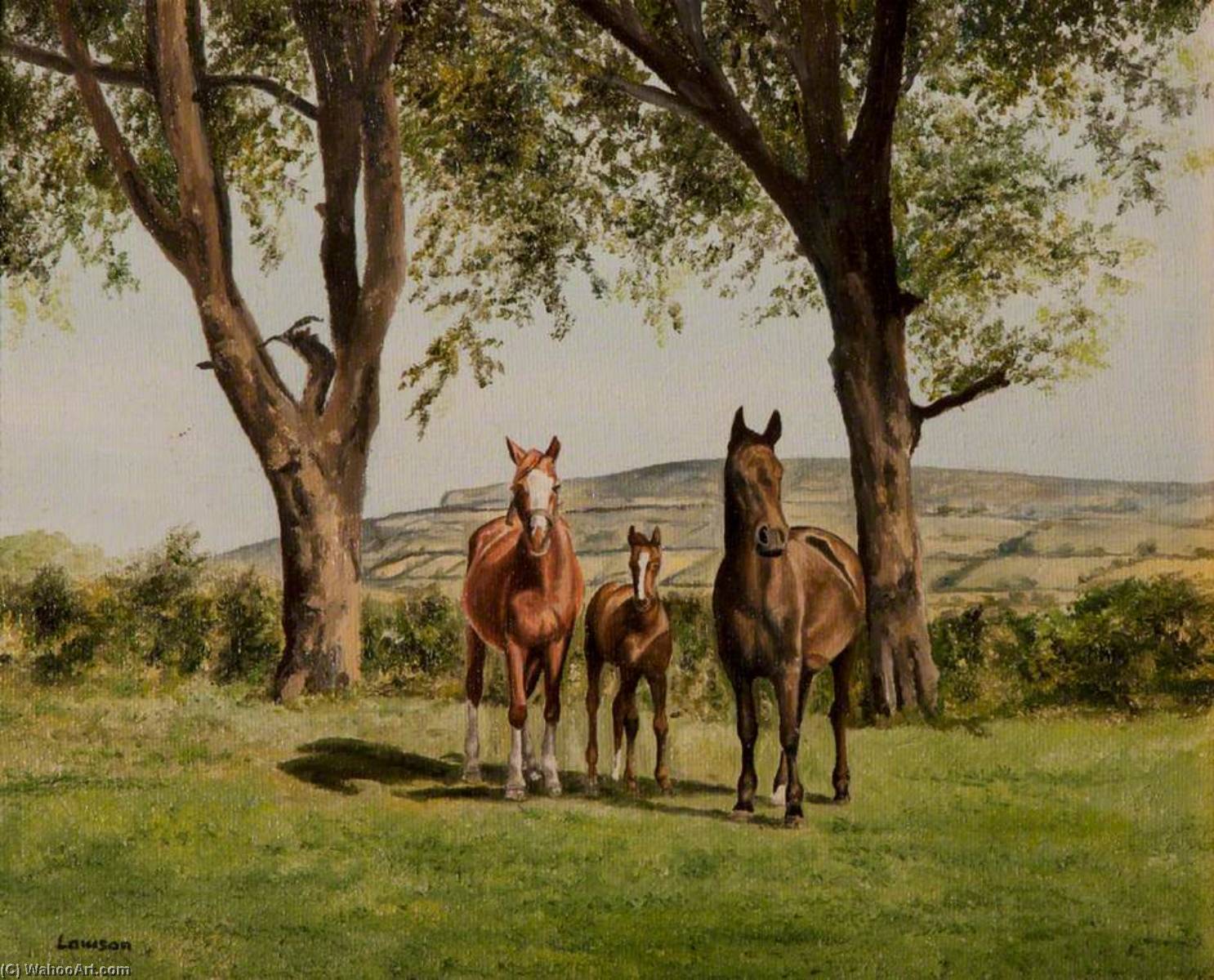
Mare and Foals
 33.0 x 38.0 cm
 Zobrazit více
Discover John Andrew Lawson (1951-2023), a Northern Irish painter renowned for evocative depictions of horses, hunting scenes & wildlife in the countryside. Explore his art featuring birds, stable life and landscapes.
Umělecké dílo zobrazené na této stránce je chráněno autorským zákonem, což znamená, že nemůžeme legálně vytvářet ani prodávat jeho identickou reprodukci. Tato ochrana je vymáhána na základě mezinárodních dohod, jako například Berberská úmluva a národními zákony, včetně těch stanovených v Americký autorský zákon – Díl 17. Všechna práva vyhrazena.
Jako etická a právní alternativa nabízíme vlastní, ručně malovaná umělecká díla inspirovaná originálem. Naši zdatní a profesionální umělci si pečlivě studují styl, náladu a uměleckou podstatu originálu, aby vytvořili nové, jedinečné dílo, které vyvolává stejný pocit – přičemž zůstává samostatným originálním tvůrčím dílem.
Tato metoda je plně v souladu s autorským právem, protože nezahrnuje kopírování ani duplikování chráněného díla. Jde o kreativní reinterpretaci – nový obraz, který je inspirován originálem, ale není s ním identický.
Ručně malovaná olejová reprodukce
Rukou malované olejné plátno v libovolném rozměru i s rámem, vyrobené našimi umělci na zakázku. ( Přepnout na tisk Přepnout na digitální obraz)




































Standardní velikost
na zakázku
CM
INCH
Vyberte si z našich přednastavených velikostí, které odpovídají původním proporcím díla.
Loading sizes...

šířka
výška
Zadejte šířku a výšku, které potřebujete pro váš rám nebo stěnu. Protože se jedná o ruční malbu, při výběru jiného formátu může umělec kolem obrazu domalovat o něco více, nebo jej mírně oříznout — rozhodnete si vy. Před zahájením malby vám zašleme digitální náhled ke schválení. Obraz zobrazený na této stránce neodpovídá skutečnému výsledku — pouze digitální náhled jej zobrazuje.
Příklady možných změn: nahrazení obličeje fotografií zákazníka; přidání domácího mazlíčka (např. nahrazení kočky psem); vložení skrytého vzkazu do pozadí; změna krajiny nebo prvků v pozadí.
Po přijetí objednávky vám tým TopImpressionists.com zašle e-mail s pokyny a poskytne náhledovou verzi.
Po přijetí objednávky vám tým TopImpressionists.com zašle e-mail s pokyny a poskytne náhledovou verzi.
Celosvětová doprava () za 3–4 týdny namísto standardních 5 týdnů. (26 říjen). Bez kompromisů v kvalitě.

Zdarma celosvětová expresní doprava

Vysoce kvalitní lněné plátno

Kompletní pojištění přepravy

Záruka vrácení celního poplatku

Záruka věrného barevného souladu

100dení lhůta pro vrácení zboží (pouze při vadách výroby)

100% záruka vrácení peněz

Sleva při více objednávkách
 Skleněná varianta je dostupná pouze u rozměrů menších než 110 cm

Mare and Foals
Technika reprodukce
Rozměry reprodukce
-


Celková cena za vybrané možnosti reprodukcí
Kč 5758
The painting Mare and Foals by John Andrew Lawson is a stunning example of the artist's ability to capture the beauty of nature. This oil on canvas piece, measuring 33 x 38 cm, is a testament to the artist's skill in depicting the serene relationship between horses and their natural surroundings.
The Mare and Foals painting is a beautiful example of John Andrew Lawson's skill as an artist, and its serene beauty continues to captivate audiences today.
The Composition
The painting features a group of three horses, including two adult horses and one foal, standing close to each other in a field with trees in the background. The addition of a bird perched on a tree branch near the center of the image adds an element of liveliness to the scene. The overall composition creates a sense of harmony between the animals and their environment.Artist's Style
John Andrew Lawson's style is characterized by his attention to detail and ability to capture the essence of rural life. His paintings, such as Sentry Hill House, before 1885, with a Standing Stone and Horse Fair, showcase his talent for depicting the beauty of the natural world.Other Notable Works
Some of John Andrew Lawson's other notable works include Puffins on Rathlin and Slemish View. These paintings demonstrate the artist's range and ability to capture a variety of subjects, from landscapes to wildlife.- Medium: Oil on Canvas
- Location: Sentry Hill (Ireland)
- Size: 33 x 38 cm
The Mare and Foals painting is a beautiful example of John Andrew Lawson's skill as an artist, and its serene beauty continues to captivate audiences today.
Otázky a odpovědi
Mohu si prohlédnout "Mare and Foals" v celoplátno formátu slideshow?
K dispozici je sklízivka: stránka Slideshow díla „Mare and Foals“ od John Andrew Lawson.
Jak výrazný je kontrast v díle „Mare and Foals“ od John Andrew Lawson?
Kontrast světla a stínu u díla „Mare and Foals“ je klasifikován jako Bold. Kontrast popisuje, jak výrazně se liší světlé a tmavé oblasti.
Jaká je vnímaná jasnost díla „Mare and Foals“ od John Andrew Lawson?
Celkově je dílo „Mare and Foals“ hodnoceno jako balanced. Vnímaná jasnost popisuje, jak světlé nebo tmavé se dílo jeví.
Biografie umělce
John Andrew Lawson: A Northern Irish Painter of the English Countryside
John Andrew Lawson (1951-2023), a quietly influential figure in British art, dedicated his career to capturing the serene beauty and subtle drama of the English countryside. Born in Belfast but later establishing himself primarily in Antrim, Northern Ireland, Lawson’s work transcends mere landscape painting; it's an intimate exploration of light, texture, and the enduring connection between humanity and nature. His evocative depictions of horses, hunting scenes, and wildlife, often imbued with a sense of melancholy and timelessness, have earned him a devoted following and secured his place as a significant voice within the tradition of British landscape painting.
Lawson’s artistic journey began in the early 1980s after a career shift from teaching. He was the nephew of Basil Blackshaw, a more flamboyant contemporary painter, yet Lawson developed a distinctly different approach – one characterized by restraint and meticulous observation. His initial training at St Martin's School of Art in London provided him with foundational skills, but it was his relocation to Sentry Hill House, a historic farmhouse near Antrim, that truly shaped his artistic vision. This rural setting became the central subject of much of his work, providing a constant source of inspiration and a deeply personal connection to the land.
Sentry Hill: The Heart of Lawson’s Vision
Sentry Hill House itself is integral to understanding Lawson's art. The house, acquired by Dr. Joe Dundee – a friend and fellow horseman – served as both a home and a studio, steeped in the traditions of rural life. Lawson meticulously documented the surrounding landscape, capturing not just the grand vistas but also the intimate details: the weathered stone walls, the dappled sunlight filtering through ancient trees, the quiet dignity of working animals. His paintings frequently depict scenes from Dundee’s equestrian pursuits – hunts, stable life, and moments of solitary contemplation – creating a rich tapestry of rural experience.
A key element of Lawson's style is his masterful use of light and color. He eschewed bright, saturated hues in favor of muted tones—ochres, browns, greys, and greens—that evoke the subtle shifts of mood and atmosphere within the countryside. His brushwork is often loose and expressive, yet carefully controlled, creating a sense of depth and texture that invites the viewer to step into the scene. The influence of Pre-Raphaelite painters, particularly in their attention to detail and romanticized depictions of nature, can be discerned in his work, though Lawson’s style remains uniquely his own.
Themes and Influences
Lawson's paintings are not simply representations of the landscape; they explore deeper themes related to human connection with nature, tradition, and the passage of time. The recurring motif of the horse is particularly significant, symbolizing both power and vulnerability, strength and gentleness. Hunting scenes, often depicted in a contemplative manner, suggest a respect for the natural world and an awareness of its inherent beauty. Lawson’s work also reflects a deep appreciation for rural life—the rhythms of the seasons, the hard work of farmers and laborers, and the enduring values of community.
While he was influenced by the Pre-Raphaelites, Lawson's artistic lineage extends beyond that movement. He shares affinities with artists like Constable and Turner, both masters of capturing the atmospheric effects of light and landscape. However, Lawson’s work possesses a distinctively Northern Irish sensibility—a quiet dignity, a subtle melancholy, and an unwavering commitment to portraying the beauty of his homeland.
Legacy and Recognition
John Andrew Lawson's artistic legacy is one of understated elegance and profound observation. Despite not achieving widespread fame during his lifetime, his work has gained increasing recognition in recent years, thanks in part to the efforts of TopImpressionists, which has championed his art through its reproductions and online exhibitions. His paintings are now held in private collections and displayed in galleries across Britain, testament to their enduring appeal.
Lawson’s dedication to capturing the essence of the English countryside—its beauty, its traditions, and its inherent connection to human experience—solidifies his place as a significant artist within the broader context of British landscape painting. His work serves as a poignant reminder of the value of observation, patience, and a deep respect for the natural world.

John Andrew Lawson
1951 -
Rychlé informace o umělci
- Full Name: John Andrew Lawson
- Nationality: Northern Irish
- Date Of Birth: 1951
- Place Of Birth: Belfast, Northern Ireland
- Notable Artworks:
- The Hunt
- Mares and Foals
- Grey Horse & Dog
- Artistic Movement Or Style: Landscape painting
- Artists Who Influenced This Artist: ['Basil Blackshaw']