


 Náhled v interiéru
 Sdílet
 Sdílet
 Podrobnosti o díle
 Průvodce

 Stáhnout
 Podobné položky
 Rentgenové snímky
 Slideshow
 Q&A
Q&A Statistiky
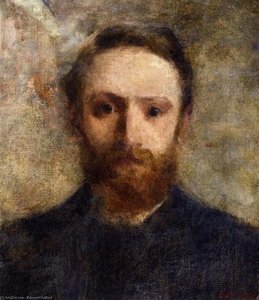
My Friend Chadwick


Captured in Sargent’s masterful realism, this portrait embodies the quiet dignity of friendship—a contemplative gaze from Chadwick confronts the viewer amidst a meticulously rendered suit and tie. Created during the opulent Victorian era, explore the timeless beauty of John Singer Sargent's iconic masterpiece.
 Zobrazit více
John Singer Sargent: americký malíř portrétů a krajinář. Slavný díla jako 'Madame X', impresionistické scény a elegance dobového prostředí. Objevte jeho umělecké dědictví!
Giclée / Umělecký tisk
Giclée nebo plátěný tisk muzeální kvality s rychlou výrobou a širokou nabídkou povrchových úprav. ( Koupit ručně malovaný obraz Přepnout na digitální obraz)




P118B Kč10

P118H Kč10

P118W Kč10

P438Z Kč10

P508JH Kč12

P508YH Kč12

P805H Kč10

P805Z Kč10

P919BZ Kč10

P919G Kč10

P919XJ Kč10

P959ZH Kč10

P968JZ Kč12

W106C Kč8

W218G Kč10

W218JH Kč8

W218Y Kč10

W307PJ Kč10

W316G Kč10

W316PJ Kč8

W316Y Kč10

W398PJ Kč8

W4111J Kč10

W500HY Kč15

W500JH Kč15

W692G Kč12

W849H Kč8

W940BG Kč15

W953PJ Kč8




Standardní velikost
na zakázku
CM
INCH
Vyberte si z našich přednastavených velikostí, které odpovídají původním proporcím díla.
Loading sizes...

šířka
výška
Zadejte šířku a výšku, které potřebujete pro váš rám nebo stěnu. Tisk lze pouze oříznout, nikdy však nelze zvětšit obraz nad jeho původní rozměr, proto při výběru jiného formátu dochází ke ztrátě části obrazu. Před samotným tiskem vám zašleme digitální náhled k schválení. Obraz zobrazený na této stránce nenabízí skutečný výřez — ten uvidíte pouze v náhledu.
Celosvětové doručení () do 2 týdnů namísto standardních 4/5 týdnů. (30 říjen)

Zdarma celosvětová expresní doprava

Vysoce kvalitní lněné plátno

Kompletní pojištění přepravy

Záruka vrácení celního poplatku

Záruka věrného barevného souladu

100dení lhůta pro vrácení zboží (pouze při vadách výroby)

100% záruka vrácení peněz

Sleva při více objednávkách
 Skleněná varianta je dostupná pouze u rozměrů menších než 110 cm

My Friend Chadwick
Giclée / Umělecký tisk
Rozměry reprodukce
-


Celková cena za vybrané možnosti reprodukcí
Kč 1499
A Glimpse into a Soul: The Quiet Dignity of My Friend Chadwick
In the vast, shimmering tapestry of the Gilded Age, few artists possessed the ability to capture the fleeting essence of human character as effortlessly as John Singer Sargent. His 1880 masterpiece, My Friend Chadwick, stands as a profound testament to this capability. The portrait depicts Chadwick Moran, an American businessman and philanthropist, yet it transcends the mere documentation of a notable figure. Through Sargent’s lens, we encounter a man caught in a moment of deep, thoughtful contemplation. There is a palpable sense of dignified composure in Moran’s gaze, a stillness that invites the viewer to pause and reflect alongside him. The painting does not shout for attention; rather, it commands it through a subtle, magnetic presence that speaks of inner strength and intellectual depth.
The technical brilliance of this work lies in Sargent’s masterful command of realism and his sophisticated use of light. Executed in oil on canvas, the painting showcases the artist's ability to layer brushstrokes with surgical precision to achieve breathtaking gradations of shadow and luminosity. This technique allows the textures of the subject—the subtle contours of the face, the weight of the fabric, and the soft play of light across the skin—to feel almost tactile. During his prolific period in Paris, Sargent embraced the Beaux Arts style, an aesthetic that celebrated both the idealized human form and the pursuit of intellectual excellence. In My Friend Chadwick, this is evident in how the artist renders Moran’s features with such remarkable accuracy that the nuances of his expression seem to shift as one moves around the canvas.
Symbolism and the Elegance of the Gilded Age
Beyond the surface level of a formal portrait, the composition is rich with symbolic resonance. The attire worn by Moran—the crisp suit and meticulously tied neckwear—serves as more than just a marker of his social status and professional standing; it represents the stability and decorum of an era defined by burgeoning industry and cultural patronage. Yet, there is a beautiful tension between this outward display of formality and the inward-looking nature of the subject. Moran’s gaze, directed slightly away or perhaps focused on an unseen thought, suggests a profound introspection. It hints at a man who, despite his worldly success, remains deeply connected to his own values and private reflections.
For the discerning collector or interior designer, this piece offers much more than visual beauty; it provides an emotional anchor for a space. The subdued palette and the serene atmosphere of the painting evoke feelings of tranquility and respect. It is a work that breathes life into a room, offering a window into a bygone era of elegance and quiet confidence. Whether placed in a private study, a sophisticated gallery, or a grand living area, a high-quality reproduction of this Sargent masterpiece serves as a conversation piece that celebrates the enduring power of the human spirit and the timeless allure of classical realism.
Otázky a odpovědi
V jakém roce a v rámci kterého uměleckého směru bylo dílo "My Friend Chadwick" vytvořeno?
Dílo „My Friend Chadwick“ vzniklo v roce 1880 jako reprezentativní dílo směru Realistic Portrait Painting. Datum vzniku a příslušnost k danému směru pevně ukotvují toto umělecké dílo v dějinách umění.
Jaké využití a prostor se doporučuje pro „My Friend Chadwick“ od John Singer Sargent?
Pro dílo „My Friend Chadwick“ od John Singer Sargent jsou uvedena dvě doporučení pro použití (Accent) a prostor (Living Room).
Patří „My Friend Chadwick“ od John Singer Sargent do volného tisku?
Stav autorských práv pro dílo „My Friend Chadwick“ od John Singer Sargent: toto dílo spadá do v rámci volného užití – autorská práva vypršela. To určuje, zda lze volně vytvářet reprodukce tohoto obrazu.
Podobná díla




Biografie umělce
A Life Immersed in Light and Society
John Singer Sargent, jméno synonymum s éterickou elegancí portrétů z dob Zlaté éry, byl americký umělec, který většina svého života věnovala rozvíjení svého řemesla v evropském uměleckém světě. Narodil se ve Florencii, Itálie, v roce 1856 jako syn amerických exulantů, Fitzwilliam a Mary Newbold Sargentových, jehož dětství bylo naprosto nekonvenční. Rodinná nomádská existence – neustále putování Francií, Německem, Itálií a Švýcarskem – vložila do mladého Johna kosmopolitní citlivost a brzký kontakt s uměleckými pokladami Evropy. Místo formálního vzdělávání se jeho vzdělání odehrálo v muzeích a starobylých kostelích, což podpořilo vizuální gramotnost, která hluboce ovlivnila jeho umělecké vizi. Tato stěhovavá dětství, i když postrádala tradiční strukturu, poskytla bohatou kulturní zkušenost, která poháněla jeho rozvíjející se talent. Jeho otec, chirurg, a matka, amatérská malířka, podpořili jeho zájmy, brzy si uvědomili pozoruhodnou schopnost Johna v pozorování. Byla zřejmá od mládí, že jeho cestou není medicína ani konvenční povolání, ale umění.Od Pařížské Atelieru k Portrétnímu Mistru
V roce 1874, ve věku osmnatřiceti let, se John Singer Sargent vydal na klíčový kapitál svého uměleckého rozvoje tím, že vstoupil do dílny Caroluse-Durana v Paříži. Tato mentorská spolupráce byla transformační. Duranova důraz na *přímé malování* – techniku, která zřekla předběžných skic ve prospěch okamžitého nanášení barvy na plátno – zdokonalila již impozantní technické dovednosti Johna a vložila do něj úžasnou schopnost zachytávat podobnosti s rychlostí a přesností. Byl to revoluční přístup, který podporoval odvahu a spontánitu, a stal se charakteristickým rysem Sargentova stylu. Absolvoval Duranovy lekce s naprostou oddaností, mistrovsky zvládne umění zachycovat nejen fyzickou podobnost, ale i samotnou esenci svých modelů. Současně se zapojil do studia na École des Beaux-Arts, kde dále zdokonaloval své dovednosti v kreslení z forem a živých modelů. Nicméně, podíl ve stylu španělských mistrů jako Velázquez, kterého potkal během formativní cesty do Španělska v roce 1879, skutečně rozpalil Sargentovu uměleckou fantazii. Byl okouzlán Velázkuevým mistrovským používáním světla, štětce a psychologického hloubky – vlastnosti, které se snažil napodobit ve své tvorbě. Začal studovat jeho díla s obdivem a inspirací.Navigace mezi Slávou, Skandály a Uměleckou Evolucí
Sargent rychle získal postavení žádaného portrétisty v Paříži a přitahoval si objednávky od šlechtických vrstevníků. Nicméně jeho vzestup nebyl bez výzev. Odhalení *Madame X* (Portrét Madame Pierre Gautreau) na salonu v roce 1884 vyvolalo škodolibost, která ohrozila jeho rozvíjející se kariéru. Portrét mladé Virginie Amélie Avegno Gautreau s její bledou pletí, sugestivní pózou a spadlou stuhou byl považován za provokativní a kontroverzní pařížskou společností. I když Sargent později stužku opravil, škoda byla učiněna. Zklamán skandálem se v roce 1886 přestěhoval do Londýna, kde našel přijatelnější publikum pro své talenty. V Londýně pokračoval v portrétování bohatých a významných osobností, zachycujíc opulentní a sociální dynamiku Edwardiánské éry s neuvěřitelnou zručností. Přesto se Sargentova umělecká ambice rozšiřovala za hranice objednaného portrétu. Toužil po větší kreativitě a stále více se věnoval krajinomalbě a studiím *en plein air*, přijímal impresionistický styl charakterizovaný volným štětcem, živými barvami a zaměřením na zachycení mihotavých okamžiků světla a atmosféry. Tyto krajiny odhalují jinou stránku Sargenta – méně soustředěnou na sociální status a více směřovanou k kráse přírodního světa.Trvalé dědictví: Za hranicemi portrétu
Ačkoli je oslavován jako „vedoucí portrétista své generace“, Sargentovo umělecké dědictví se rozšiřuje daleko za jeho mistrovské zobrazení společenských osobností. Jeho klíčová díla, jako je *El Jaleo*, dynamické znázornění španělských tanečníček a *Carnation, Lily, Lily, Rose*, klidné znázornění dvou mladších dívek v anglickém zahradě, demonstrují jeho všestrannost a technickou brilanci. Později ve svém životě se pustil do ambiciózních muralových projektů, včetně monumentální cyklu v Boston Public Library, který ukazoval jeho schopnost přenést svou uměleckou vizi na velký rozměr. Jeho vliv lze nalézt v dílech následných generací umělců, kteří obdivovali jeho technickou zručnost, odvážný štětec a schopnost zachytávat jak fyzickou podobnost, tak psychologickou hloubku. Objev jeho dříve opomíjených mužských nude v 80. letech výrazně rozšířil naše chápání Sargenta jako umělce. Jeho malby stále fascinují publikum po celém světě a nabízejí poutavý pohled na minulou éru, zatímco současně překračují čas díky své trvalé kráse a technické zručnosti. Bezpochyby je jedním z nejvýznamnějších amerických umělců své generace, jehož dílo inspiruje a provokuje obdivující pohledy.Vlivy a Umělecké Rodinné Vztahy
- Carolus-Duran: Jeho učitel, který mu vložil do něj techniku přímého malování a povzbuzoval spontánnost.
- Diego Velázquez: Sargent hluboce obdivoval Velázkuev mistrovský přístup k světlu, štětci a psychologické hloubce, zejména v jeho španělských dílech.
- Impressionismus: Důraz impresionistů na zachycení mihotavých okamžiků a atmosférických efektů zásadně ovlivnil jeho krajinářské malby, což vedlo k volnějšímu, expresivnějšímu stylu.
- James Abbott McNeill Whistler: Sargent sdílel s Whistlerem zájem o estetiku a snahu o „umění pro umělecké účely“, který ovlivnil jeho přístup k kompozici a barvě.

John Singer Sargent
1856 - 1925 , Itálie
Rychlé informace o umělci
- Artistic Movement Or Style: Impressionismus
- Artists Or Movements Influenced By This Artist: ['Whistler']
- Artists Who Influenced This Artist:
- Carolus-Duran
- Velázquez
- Date Of Birth: 12. ledna 1856
- Date Of Death: 14. dubna 1925
- Full Name: John Singer Sargent
- Nationality: Američan
- Notable Artworks:
- Madame X
- El Jaleo
- Carnation, Lily, Lily, Rose
- Place Of Birth: Florence, Itálie
Související články

The Timeless Charm of Oil on Board: Reimagining Texture and Light through the Impressionist Lens
Discover the profound intimacy of oil on panel. Explore how Impressionist masters used rigid supports to capture light, texture, and impasto depth through exquisite, handmade oil reproductions for discerning collectors.

The Soul of Impressionism: Why Oil on Canvas Captures Eternal Light and Timeless Emotion
Discover the enchanting alchemy of Impressionism. Explore how the mastery of oil on canvas, through glazing and impasto, captures eternal light and emotion. Perfect for lovers of Monet and Van Gogh seeking the profound depth of hand-painted fine art.
Prozkoumejte umělecká díla uspořádaná podle témat, stylů a charakteristik.


