


 Náhled v interiéru
 Sdílet
 Sdílet
 Podrobnosti o díle
 Průvodce

 Stáhnout
 Podobné položky
 Rentgenové snímky
 Slideshow
 Statistiky
Teresa Gosse
 Oil On Canvas
- WallArt
- Impressionism
 1885
1885- 19th Century
 61.0 x 51.0 cm
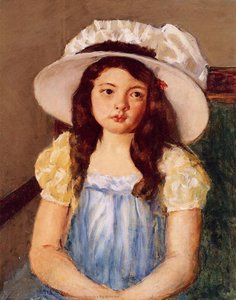
A captivating Impressionist portrait by John Singer Sargent depicting a young girl adorned with flowers, capturing serene beauty and innocence within a tranquil setting.
 Zobrazit více
John Singer Sargent: americký malíř portrétů a krajinář. Slavný díla jako 'Madame X', impresionistické scény a elegance dobového prostředí. Objevte jeho umělecké dědictví!
Ručně malovaná olejová reprodukce
Rukou malované olejné plátno v libovolném rozměru i s rámem, vyrobené našimi umělci na zakázku. ( Přepnout na tisk Přepnout na digitální obraz)




P118B Kč10

P118H Kč10

P118W Kč10

P438Z Kč10

P508JH Kč12

P508YH Kč12

P805H Kč10

P805Z Kč10

P919BZ Kč10

P919G Kč10

P919XJ Kč10

P959ZH Kč10

P968JZ Kč12

W106C Kč8

W218G Kč10

W218JH Kč8

W218Y Kč10

W307PJ Kč10

W316G Kč10

W316PJ Kč8

W316Y Kč10

W398PJ Kč8

W4111J Kč10

W500HY Kč15

W500JH Kč15

W692G Kč12

W849H Kč8

W940BG Kč15

W953PJ Kč8




Standardní velikost
na zakázku
CM
INCH
Vyberte si z našich přednastavených velikostí, které odpovídají původním proporcím díla.
Loading sizes...

šířka
výška
Zadejte šířku a výšku, které potřebujete pro váš rám nebo stěnu. Protože se jedná o ruční malbu, při výběru jiného formátu může umělec kolem obrazu domalovat o něco více, nebo jej mírně oříznout — rozhodnete si vy. Před zahájením malby vám zašleme digitální náhled ke schválení. Obraz zobrazený na této stránce neodpovídá skutečnému výsledku — pouze digitální náhled jej zobrazuje.
Příklady možných změn: nahrazení obličeje fotografií zákazníka; přidání domácího mazlíčka (např. nahrazení kočky psem); vložení skrytého vzkazu do pozadí; změna krajiny nebo prvků v pozadí.
Po přijetí objednávky vám tým TopImpressionists.com zašle e-mail s pokyny a poskytne náhledovou verzi.
Po přijetí objednávky vám tým TopImpressionists.com zašle e-mail s pokyny a poskytne náhledovou verzi.
Celosvětová doprava () za 3–4 týdny namísto standardních 5 týdnů. (25 říjen). Bez kompromisů v kvalitě.

Zdarma celosvětová expresní doprava

Vysoce kvalitní lněné plátno

Kompletní pojištění přepravy

Záruka vrácení celního poplatku

Záruka věrného barevného souladu

100dení lhůta pro vrácení zboží (pouze při vadách výroby)

100% záruka vrácení peněz

Sleva při více objednávkách
 Skleněná varianta je dostupná pouze u rozměrů menších než 110 cm

Teresa Gosse
Technika reprodukce
Rozměry reprodukce
-


Celková cena za vybrané možnosti reprodukcí
Kč 5752
A Vision of Innocence: Exploring Teresa Gosse
To gaze upon John Singer Sargent's Teresa Gosse is to step through a veil into a moment suspended in time—a breath of pure, unadulterated serenity. Painted in 1885, this oil on canvas captures more than just the likeness of a young girl; it encapsulates the ephemeral quality of childhood beauty and the gentle passage of time itself. Sargent, at the height of his mastery during the Gilded Age, wields his brush with an almost effortless grace, allowing light and shadow to become characters in their own right. The subject, Teresa Gosse, is presented in a vision of pastoral charm, her long hair framing a face imbued with quiet contemplation. She wears a simple white dress, a canvas against which the delicate artistry of nature—represented by the flower crown adorning her tresses—is beautifully displayed.
The Mastery of Impressionistic Light and Color
Sargent’s technique here is nothing short of breathtaking. While rooted in the grand tradition of portraiture, Teresa Gosse pulses with the luminous quality characteristic of Impressionism. Observe how the light seems to emanate from within the scene itself, catching the folds of her white garment and illuminating the soft contours of her skin. This masterful handling of light is what elevates the piece beyond mere representation; it imbues it with an almost palpable atmosphere. The brushwork, while appearing fluid and spontaneous from a distance, reveals an underlying structure of profound skill upon closer inspection. It is this ability to capture the fleeting play of natural illumination that makes Sargent’s work so eternally captivating.
Composition and Emotional Resonance
The composition guides the viewer's eye with a gentle, almost hypnotic rhythm. Teresa herself remains the undeniable focal point, her gaze directed slightly off-camera, suggesting an internal world rich with untold stories or perhaps simply observing something magical just beyond our view. The presence of two other figures in the background serves not to distract, but rather to anchor the scene within a believable, lived-in moment. They are whispers of life around the central melody of Teresa’s quietude. The overall emotional impact is one of profound tranquility—a perfect visual balm for the modern soul, inviting contemplation and a deep sense of peaceful nostalgia.
A Timeless Heirloom for Your Space
For those who seek to bring the artistry of history into their contemporary living space, reproductions of Teresa Gosse offer an unparalleled opportunity. Owning this piece is not merely decorating; it is curating a moment of enduring beauty. Whether placed in a sunlit drawing-room or a gallery-style setting, its soft palette and serene subject matter harmonize with both classical elegance and modern minimalist tastes alike. It speaks to the collector who appreciates technical brilliance married to deep emotional resonance—a piece that whispers tales of 19th-century European life while speaking directly to the quiet needs of today.
Otázky a odpovědi
Jakým způsobem barvy díla „Teresa Gosse“ od John Singer Sargent navazují na jeho emoce?
„Teresa Gosse“ od John Singer Sargent kombinuje paletu Neutrals s Calm tónem.
Mohu si prohlédnout „Teresa Gosse“ od John Singer Sargent pod jiným osvětlením?
Dílo „Teresa Gosse“ lze prohlížet vrstvu po vrstvě na stránce Rentgenové snímky, která funguje jako interaktivní prohlížeč inspirovaný světelnou lavicí restaurátora a nabízí jedenáct optických nálezů obrazu.
Mohu využít rozšířenou realitu k tomu, abych si prohlédl(a) „Teresa Gosse“ od John Singer Sargent ve své místnosti?
Dílo „Teresa Gosse“ od John Singer Sargent si můžete prohlédnout přímo na své vlastní stěně díky stránce Náhled v rozšířené realitě s využitím rozšířené reality na kompatibilním zařízení.
Podobná díla




Biografie umělce
A Life Immersed in Light and Society
John Singer Sargent, jméno synonymum s éterickou elegancí portrétů z dob Zlaté éry, byl americký umělec, který většina svého života věnovala rozvíjení svého řemesla v evropském uměleckém světě. Narodil se ve Florencii, Itálie, v roce 1856 jako syn amerických exulantů, Fitzwilliam a Mary Newbold Sargentových, jehož dětství bylo naprosto nekonvenční. Rodinná nomádská existence – neustále putování Francií, Německem, Itálií a Švýcarskem – vložila do mladého Johna kosmopolitní citlivost a brzký kontakt s uměleckými pokladami Evropy. Místo formálního vzdělávání se jeho vzdělání odehrálo v muzeích a starobylých kostelích, což podpořilo vizuální gramotnost, která hluboce ovlivnila jeho umělecké vizi. Tato stěhovavá dětství, i když postrádala tradiční strukturu, poskytla bohatou kulturní zkušenost, která poháněla jeho rozvíjející se talent. Jeho otec, chirurg, a matka, amatérská malířka, podpořili jeho zájmy, brzy si uvědomili pozoruhodnou schopnost Johna v pozorování. Byla zřejmá od mládí, že jeho cestou není medicína ani konvenční povolání, ale umění.Od Pařížské Atelieru k Portrétnímu Mistru
V roce 1874, ve věku osmnatřiceti let, se John Singer Sargent vydal na klíčový kapitál svého uměleckého rozvoje tím, že vstoupil do dílny Caroluse-Durana v Paříži. Tato mentorská spolupráce byla transformační. Duranova důraz na *přímé malování* – techniku, která zřekla předběžných skic ve prospěch okamžitého nanášení barvy na plátno – zdokonalila již impozantní technické dovednosti Johna a vložila do něj úžasnou schopnost zachytávat podobnosti s rychlostí a přesností. Byl to revoluční přístup, který podporoval odvahu a spontánitu, a stal se charakteristickým rysem Sargentova stylu. Absolvoval Duranovy lekce s naprostou oddaností, mistrovsky zvládne umění zachycovat nejen fyzickou podobnost, ale i samotnou esenci svých modelů. Současně se zapojil do studia na École des Beaux-Arts, kde dále zdokonaloval své dovednosti v kreslení z forem a živých modelů. Nicméně, podíl ve stylu španělských mistrů jako Velázquez, kterého potkal během formativní cesty do Španělska v roce 1879, skutečně rozpalil Sargentovu uměleckou fantazii. Byl okouzlán Velázkuevým mistrovským používáním světla, štětce a psychologického hloubky – vlastnosti, které se snažil napodobit ve své tvorbě. Začal studovat jeho díla s obdivem a inspirací.Navigace mezi Slávou, Skandály a Uměleckou Evolucí
Sargent rychle získal postavení žádaného portrétisty v Paříži a přitahoval si objednávky od šlechtických vrstevníků. Nicméně jeho vzestup nebyl bez výzev. Odhalení *Madame X* (Portrét Madame Pierre Gautreau) na salonu v roce 1884 vyvolalo škodolibost, která ohrozila jeho rozvíjející se kariéru. Portrét mladé Virginie Amélie Avegno Gautreau s její bledou pletí, sugestivní pózou a spadlou stuhou byl považován za provokativní a kontroverzní pařížskou společností. I když Sargent později stužku opravil, škoda byla učiněna. Zklamán skandálem se v roce 1886 přestěhoval do Londýna, kde našel přijatelnější publikum pro své talenty. V Londýně pokračoval v portrétování bohatých a významných osobností, zachycujíc opulentní a sociální dynamiku Edwardiánské éry s neuvěřitelnou zručností. Přesto se Sargentova umělecká ambice rozšiřovala za hranice objednaného portrétu. Toužil po větší kreativitě a stále více se věnoval krajinomalbě a studiím *en plein air*, přijímal impresionistický styl charakterizovaný volným štětcem, živými barvami a zaměřením na zachycení mihotavých okamžiků světla a atmosféry. Tyto krajiny odhalují jinou stránku Sargenta – méně soustředěnou na sociální status a více směřovanou k kráse přírodního světa.Trvalé dědictví: Za hranicemi portrétu
Ačkoli je oslavován jako „vedoucí portrétista své generace“, Sargentovo umělecké dědictví se rozšiřuje daleko za jeho mistrovské zobrazení společenských osobností. Jeho klíčová díla, jako je *El Jaleo*, dynamické znázornění španělských tanečníček a *Carnation, Lily, Lily, Rose*, klidné znázornění dvou mladších dívek v anglickém zahradě, demonstrují jeho všestrannost a technickou brilanci. Později ve svém životě se pustil do ambiciózních muralových projektů, včetně monumentální cyklu v Boston Public Library, který ukazoval jeho schopnost přenést svou uměleckou vizi na velký rozměr. Jeho vliv lze nalézt v dílech následných generací umělců, kteří obdivovali jeho technickou zručnost, odvážný štětec a schopnost zachytávat jak fyzickou podobnost, tak psychologickou hloubku. Objev jeho dříve opomíjených mužských nude v 80. letech výrazně rozšířil naše chápání Sargenta jako umělce. Jeho malby stále fascinují publikum po celém světě a nabízejí poutavý pohled na minulou éru, zatímco současně překračují čas díky své trvalé kráse a technické zručnosti. Bezpochyby je jedním z nejvýznamnějších amerických umělců své generace, jehož dílo inspiruje a provokuje obdivující pohledy.Vlivy a Umělecké Rodinné Vztahy
- Carolus-Duran: Jeho učitel, který mu vložil do něj techniku přímého malování a povzbuzoval spontánnost.
- Diego Velázquez: Sargent hluboce obdivoval Velázkuev mistrovský přístup k světlu, štětci a psychologické hloubce, zejména v jeho španělských dílech.
- Impressionismus: Důraz impresionistů na zachycení mihotavých okamžiků a atmosférických efektů zásadně ovlivnil jeho krajinářské malby, což vedlo k volnějšímu, expresivnějšímu stylu.
- James Abbott McNeill Whistler: Sargent sdílel s Whistlerem zájem o estetiku a snahu o „umění pro umělecké účely“, který ovlivnil jeho přístup k kompozici a barvě.

John Singer Sargent
1856 - 1925 , Itálie
Rychlé informace o umělci
- Artistic Movement Or Style: Impressionismus
- Artists Or Movements Influenced By This Artist: ['Whistler']
- Artists Who Influenced This Artist:
- Carolus-Duran
- Velázquez
- Date Of Birth: 12. ledna 1856
- Date Of Death: 14. dubna 1925
- Full Name: John Singer Sargent
- Nationality: Američan
- Notable Artworks:
- Madame X
- El Jaleo
- Carnation, Lily, Lily, Rose
- Place Of Birth: Florence, Itálie
Související články

Impresionismus v obrazech: Top 10 děl, které definují tento revoluční styl
Prozkoumejte 10 ikonických děl impresionismu od Monet, Renoir a dalších. Objevte příběhy za obrazy plnými světla a barev. Reprodukce nejvyšší kvality pro váš interiér na TopImpressionists.com

Blossoming Symbolism: A Historical Journey Through Flowers in Western Painting
Explore the rich history of flower symbolism in Western painting! Discover how artists from the Renaissance to Modernism used blossoms to convey meaning, emotion & beauty. Learn about iconic artworks and movements.

Top 10 slavných obrazů vládnutých bílou barvou – Umění a inspirace pro interiér
Objevte top 10 slavných obrazů, kde bílá barva hraje klíčovou roli. Claude Monet, Van Gogh a další mistři! Inspirace pro váš interiér a reprodukce umění nejvyšší kvality na TopImpressionists.com.

Paul Cézanne: 25 mistrovských děl a revoluce v moderním umění | TopImpressionists.cz
Prozkoumejte 25 ikonických děl Paula Cézanna – průkopníka moderního umění a impresionismu. Obdivujte jeho still life, krajiny a portréty. Reprodukce obrazů v nejvyšší kvalitě na TopImpressionists.com. Inspirace pro váš interiér!

John Singer Sargent: 25 mistrovských děl a inspirace pro váš domov | TopImpressionists.com
Objevte 25 ikonických děl Johna Singera Sargenta – portrétů, impresionistických krajin a elegantních kompozic. Prozkoumejte příběhy umění, techniky a inspiraci pro váš interiér s reprodukcemi nejvyšší kvality na TopImpressionists.com
Prozkoumejte umělecká díla uspořádaná podle témat, stylů a charakteristik.


