


 Náhled v interiéru
 Sdílet
 Sdílet
 Podrobnosti o díle
 Průvodce

 Stáhnout
 Podobné položky
 Rentgenové snímky
 Slideshow
 Statistiky
Playing and Dancing Indians
 Oil On Canvas
- WallArt
- Post-Impressionism
 1960
1960- Modern
 59.0 x 69.0 cm
 Lithuanian Art Centre TARTLE
A vibrant Post-Impressionist celebration of indigenous joy, this colorful painting by Jonas Rimša captures the lively spirit of dancing Indians through a soulful lens, inviting you to bring this cultural masterpiece home.
 Zobrazit více
Explore the vibrant art of Jonas Rimša, a Lithuanian-Bolivian master known for emotional depictions of indigenous culture, love, and nature. Discover his legacy.
Umělecké dílo zobrazené na této stránce je chráněno autorským zákonem, což znamená, že nemůžeme legálně vytvářet ani prodávat jeho identickou reprodukci. Tato ochrana je vymáhána na základě mezinárodních dohod, jako například Berberská úmluva a národními zákony, včetně těch stanovených v Americký autorský zákon – Díl 17. Všechna práva vyhrazena.
Jako etická a právní alternativa nabízíme vlastní, ručně malovaná umělecká díla inspirovaná originálem. Naši zdatní a profesionální umělci si pečlivě studují styl, náladu a uměleckou podstatu originálu, aby vytvořili nové, jedinečné dílo, které vyvolává stejný pocit – přičemž zůstává samostatným originálním tvůrčím dílem.
Tato metoda je plně v souladu s autorským právem, protože nezahrnuje kopírování ani duplikování chráněného díla. Jde o kreativní reinterpretaci – nový obraz, který je inspirován originálem, ale není s ním identický.
Ručně malovaná olejová reprodukce
Rukou malované olejné plátno v libovolném rozměru i s rámem, vyrobené našimi umělci na zakázku. ( Přepnout na tisk Přepnout na digitální obraz)




P118B Kč10

P118H Kč10

P118W Kč10

P438Z Kč10

P508JH Kč12

P508YH Kč12

P805H Kč10

P805Z Kč10

P919BZ Kč10

P919G Kč10

P919XJ Kč10

P959ZH Kč10

P968JZ Kč12

W106C Kč8

W218G Kč10

W218JH Kč8

W218Y Kč10

W307PJ Kč10

W316G Kč10

W316PJ Kč8

W316Y Kč10

W398PJ Kč8

W4111J Kč10

W500HY Kč15

W500JH Kč15

W692G Kč12

W849H Kč8

W940BG Kč15

W953PJ Kč8




Standardní velikost
na zakázku
CM
INCH
Vyberte si z našich přednastavených velikostí, které odpovídají původním proporcím díla.
Loading sizes...

šířka
výška
Zadejte šířku a výšku, které potřebujete pro váš rám nebo stěnu. Protože se jedná o ruční malbu, při výběru jiného formátu může umělec kolem obrazu domalovat o něco více, nebo jej mírně oříznout — rozhodnete si vy. Před zahájením malby vám zašleme digitální náhled ke schválení. Obraz zobrazený na této stránce neodpovídá skutečnému výsledku — pouze digitální náhled jej zobrazuje.
Příklady možných změn: nahrazení obličeje fotografií zákazníka; přidání domácího mazlíčka (např. nahrazení kočky psem); vložení skrytého vzkazu do pozadí; změna krajiny nebo prvků v pozadí.
Po přijetí objednávky vám tým TopImpressionists.com zašle e-mail s pokyny a poskytne náhledovou verzi.
Po přijetí objednávky vám tým TopImpressionists.com zašle e-mail s pokyny a poskytne náhledovou verzi.
Celosvětová doprava () za 3–4 týdny namísto standardních 5 týdnů. (26 říjen). Bez kompromisů v kvalitě.

Zdarma celosvětová expresní doprava

Vysoce kvalitní lněné plátno

Kompletní pojištění přepravy

Záruka vrácení celního poplatku

Záruka věrného barevného souladu

100dení lhůta pro vrácení zboží (pouze při vadách výroby)

100% záruka vrácení peněz

Sleva při více objednávkách
 Skleněná varianta je dostupná pouze u rozměrů menších než 110 cm

Playing and Dancing Indians
Technika reprodukce
Rozměry reprodukce
-


Celková cena za vybrané možnosti reprodukcí
Kč 5758
The beginning of J. Rimša’s career was related to his studies of Indian life: their past, traditions, customs and nature. He travelled to Argentina, Bolivia and Peru, and painted more than 1,000 pictures, although the whereabouts of most of them are unknown. He began his career under the influence of the Spanish school of painting, while his creative individuality matured under the influence of French painting, mostly Post-Impressionist. He finally felt a spiritual affinity with Gauguin, who also sought out the charm of primitive cultures, but in Tahiti. Living far away from Lithuania, Rimša took a similar path in his work: from traditional realism, which occurred in Latin America under the influence of Spanish painting, to Post-Impressionism and Symbolism. Text author Nijolė Tumėnienė.
Otázky a odpovědi
Kdo vytvořil dílo "Playing and Dancing Indians" a v jakém roce?
Jonas Rimša vytvořil/a „Playing and Dancing Indians“ v roce 1960.
Kde mohu najít umělecká díla podobná dílu „Playing and Dancing Indians“ od Jonas Rimša?
Stránka Podobná díla pro dílo „Playing and Dancing Indians“ od Jonas Rimša obsahuje související umělecká díla.
Existuje k dílu „Playing and Dancing Indians“ od Jonas Rimša informační list pro studenty?
Pro dílo „Playing and Dancing Indians“ od Jonas Rimša je k dispozici stránka Průvodce pro studenty: tiskem připravený informační list o uměleckém díle, navržený pro studenty a použití ve výuce.


Biografie umělce
A Lithuanian Soul Rooted in Bolivian Landscape
Jonas Rimša, a name that resonates with the profound depth of the Lithuanian diaspora, was an artist whose life story reads like an epic odyssey of cultural discovery and artistic resilience. Born in 1903 in Svetasiai, Lithuania, his early years were shaped by the rich heritage of the Suvalkija region. Though he initially followed a path dictated by familial duty—graduating from a prestigious sewing school in Vienna—his heart remained tethered to the canvas. This internal tug-of-war between obligation and passion eventually gave way to an unyielding pursuit of aesthetic truth, leading him far from his Baltic roots toward the vibrant landscapes of South America and the tropical allure of the Pacific.
His artistic formation was a tapestry woven from the finest European traditions. Under the tutelage of masters such as Pius Weloński in Warsaw, Antonin Mercié at the École nationale supérieure des Beaux-Arts in Paris, and Konstanty Laszczka at the Cracow Academy of Fine Arts, Rimša absorbed the essence of Impressionism and Post-Impressionism. These formative years provided him with a sophisticated technical foundation, yet it was his later travels that would truly define his creative voice. As he moved through Argentina, Bolivia, and Peru, his style underwent a remarkable metamorphosis. He transitioned from the structured realism influenced by the Spanish school to a more expressive, symbolic language that sought to capture the very spirit of the indigenous peoples and their ancestral traditions.
The Spirit of the Andes and the Gauguinesque Vision
Rimša’s connection to Bolivia was not merely professional but deeply spiritual. In the city of Sucre, he became a pillar of the local art community, establishing schools that nurtured a new generation of talent known as “Rimša’s Group.” His devotion to the region went beyond the classroom; he was a tireless advocate for his students, often personally funding their journeys to Europe to refine their crafts. This commitment to cultural enrichment earned him the highest civilian distinction in Bolivia, the prestigious Cóndor de los Andes award, and the profound honor of being named an Honorary Citizen of Bolivia.
Thematically, Rimša’s work is a breathtaking exploration of life, tradition, and nature. He found a deep spiritual affinity with the works of Paul Gauguin, particularly in his pursuit of "primitive" beauty. Just as Gauguin sought paradise in Tahiti, Rimša traveled to the Pacific islands in 1966, seeking an earthly Eden. His paintings from this period, such as the evocative In a Garden, reflect a mastery of color and a fascination with graphic ornamentality. Whether depicting the rhythmic vitality of Aymara dancers or the lush, verdant stillness of a tropical garden, his oeuvre is characterized by:
- Vibrant Color Palettes: Using light and hue to evoke emotional resonance and atmospheric depth.
- Cultural Symbiosis: A seamless blending of European Post-Impressionist techniques with the indigenous motifs of Latin America.
- Symbolic Depth: Moving beyond mere representation to capture the soul, customs, and ancient rhythms of the civilizations he encountered.
A Lasting Legacy of Artistic Exchange
The significance of Jonas Rimša lies in his ability to act as a bridge between worlds. He was a painter who refused to be confined by geography or nationality. His life’s work—comprising nearly 1,000 paintings and dozens of solo exhibitions—stands as a testament to the power of the artist to transcend borders. Through his eyes, the traditions of the Andes were elevated through a European lens, creating a unique aesthetic that remains vital and moving today. He remains one of the most vivid figures of the Lithuanian diaspora, an artist whose brushstrokes captured the enduring heartbeat of the landscapes and cultures he called home.

Jonas Rimša
1903 - 1978 , Lithuania
Rychlé informace o umělci
- Full Name: Jonas Rimša
- Nationality: Lithuanian
- Date Of Birth: 1903
- Date Of Death: 1978
- Place Of Birth: Svetasiai, Lithuania
- Notable Artworks: ['Tamure / Meilės šokis']
- Artistic Movement Or Style: Emotional expressionism
- Artists Who Influenced This Artist: ['Petras Rimša']
- Artists Or Movements Influenced By This Artist: ['Lithuanian diaspora art']
Související články

Capturing the Soul: The Ethereal Magic and Timeless Technique of Impressionist Portraiture
Discover the ethereal beauty of Impressionist portraiture. Explore how masters like Monet and Renoir captured light and soul through brushwork, and learn how to bring this timeless magic into your home with exquisite, hand-painted oil reproductions from TopImpressionists.com.

The Luminous Living Room: Curating Your Space with Timeless Impressionist Masterpieces
Transform your living room with the luminous beauty of Impressionist masterpieces. Discover museum-quality, hand-painted oil reproductions from Monet to Renoir, curated for the discerning collector seeking timeless elegance and soulful interior design.
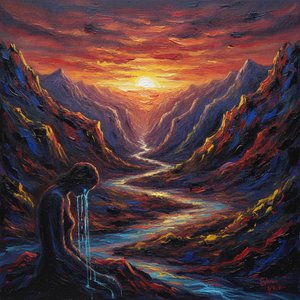
Capturing Emotion: A Journey Through the Soul of Expressionist Landscapes
Explore the profound emotional depth of Expressionist landscapes. Discover how Post-Impressionist masters moved beyond light to capture the soul through vibrant color and form. A curated journey for true art lovers seeking the beauty of expressive mastery.

Capturing the Drama: How Impressionist Light and Shadow Transform Your Living Space
Discover how the luminous light and dramatic shadows of Impressionist masterpieces can transform your home. Explore expert insights on using Renoir, Monet, and Cézanne to create a serene, culturally rich sanctuary through museum-quality, hand-painted oil reproductions.

Beyond the Light: Discovering the Soul and Emotional Depth of Post-Impressionism
Embark on a cultural journey through Post-Impressionism. Discover the profound emotional depth of masters like Van Gogh and Cézanne, exploring how they moved beyond light to capture the very soul of human experience through vibrant color and symbolic form.