

 Náhled v interiéru
 Sdílet
 Sdílet
 Podrobnosti o díle
 Průvodce

 Stáhnout
 Podobné položky
 Rentgenové snímky
 Slideshow
 Otázky a odpovědi
 Statistiky
The Savoyard Boy


Discover "The Savoyard Boy" by Eastman Johnson – a poignant 1853 painting capturing a young boy's quiet contemplation. Explore the realism and Dutch influence of this iconic American genre masterpiece.
 Zobrazit více
Jonathan Eastman Johnson (1824-1906) - americký malíř zobrazující život v USA, známý portréty i scény z každodenního života s vlivem nizozemských mistrů. Jeho díla odráží americkou realitu.
Giclée / Umělecký tisk
Giclée nebo plátěný tisk muzeální kvality s rychlou výrobou a širokou nabídkou povrchových úprav. ( Koupit ručně malovaný obraz Přepnout na digitální obraz)




P118B Kč10

P118H Kč10

P118W Kč10

P438Z Kč10

P508JH Kč12

P508YH Kč12

P805H Kč10

P805Z Kč10

P919BZ Kč10

P919G Kč10

P919XJ Kč10

P959ZH Kč10

P968JZ Kč12

W106C Kč8

W218G Kč10

W218JH Kč8

W218Y Kč10

W307PJ Kč10

W316G Kč10

W316PJ Kč8

W316Y Kč10

W398PJ Kč8

W4111J Kč10

W500HY Kč15

W500JH Kč15

W692G Kč12

W849H Kč8

W940BG Kč15

W953PJ Kč8




Standardní velikost
na zakázku
CM
INCH
Vyberte si z našich přednastavených velikostí, které odpovídají původním proporcím díla.
Loading sizes...

šířka
výška
Zadejte šířku a výšku, které potřebujete pro váš rám nebo stěnu. Tisk lze pouze oříznout, nikdy však nelze zvětšit obraz nad jeho původní rozměr, proto při výběru jiného formátu dochází ke ztrátě části obrazu. Před samotným tiskem vám zašleme digitální náhled k schválení. Obraz zobrazený na této stránce nenabízí skutečný výřez — ten uvidíte pouze v náhledu.
Celosvětové doručení () do 2 týdnů namísto standardních 4/5 týdnů. (5 listopad)

Zdarma celosvětová expresní doprava

Vysoce kvalitní lněné plátno

Kompletní pojištění přepravy

Záruka vrácení celního poplatku

Záruka věrného barevného souladu

100dení lhůta pro vrácení zboží (pouze při vadách výroby)

100% záruka vrácení peněz

Sleva při více objednávkách
 Skleněná varianta je dostupná pouze u rozměrů menších než 110 cm

The Savoyard Boy
Giclée / Umělecký tisk
Rozměry reprodukce
-


Celková cena za vybrané možnosti reprodukcí
Kč 1518
The Savoyard Boy: A Window into 19th-Century American Realism
Jonathan Eastman Johnson’s “The Savoyard Boy,” painted in 1853, isn't merely a portrait; it’s a poignant snapshot of a bygone era, a quiet testament to the burgeoning realism that would define much of 19th-century American art. This captivating work, currently residing within the Brooklyn Museum’s collection, offers a glimpse into the lives of ordinary people – specifically, a young boy from Savoyard, France, navigating the bustling streets of an unnamed American city. Johnson, deeply influenced by the Dutch Masters he studied in Europe, masterfully captures a moment of unassuming dignity and vulnerability, imbuing it with a subtle melancholy that resonates long after viewing.
The painting’s composition is deceptively simple yet profoundly effective. The boy stands against a brick wall, his hooded jacket pulled tight around him, hands clasped protectively in front of his face. His gaze, directed towards the viewer, isn't confrontational; rather, it conveys a quiet introspection, a sense of being both present and slightly removed from the scene. Johnson’s use of muted earth tones – browns, grays, and ochres – creates an atmosphere of understated realism, mirroring the gritty textures of urban life. The brick wall itself serves as a powerful symbol, representing both the anonymity of city living and the boy's precarious position within it.
A Masterclass in Realist Technique
Johnson’s technical skill is evident in his meticulous attention to detail and his ability to render texture with remarkable accuracy. The rough fabric of the boy’s jacket, the worn brickwork behind him, and even the subtle shadows beneath his eyes are all rendered with a delicate hand. He employs a technique reminiscent of Rembrandt – layering thin glazes of paint to build up depth and luminosity, creating a sense of three-dimensionality that draws the viewer into the scene. The brushstrokes themselves are visible, adding to the painting’s authentic feel and suggesting the immediacy of the moment captured on canvas.
Notably, Johnson's training in Europe profoundly shaped his approach. His study of Dutch Masters instilled a deep appreciation for capturing light and shadow with precision, as well as an interest in portraying everyday subjects with dignity and honesty. This influence is particularly evident in the painting’s careful observation of anatomy and its subtle use of chiaroscuro – the dramatic contrast between light and dark – to create a sense of mood and atmosphere.
Historical Context: America on the Brink
“The Savoyard Boy” was painted during a period of significant social and political change in America. The mid-19th century witnessed rapid industrialization, urbanization, and westward expansion, leading to profound shifts in American society. Johnson’s painting reflects this dynamic landscape, capturing the spirit of a nation grappling with its identity and its future. The boy's anonymity speaks volumes about the challenges faced by immigrants and marginalized communities during this era – individuals often overlooked or forgotten within the grand narrative of national progress.
Furthermore, Johnson’s decision to depict a European immigrant highlights the growing diversity of American society. The influx of people from across the globe brought new perspectives, traditions, and experiences, enriching the nation's cultural fabric. The painting serves as a subtle reminder of America’s evolving demographics and its ongoing struggle to embrace inclusivity.
Emotional Resonance: A Portrait of Quiet Dignity
Beyond its historical significance, “The Savoyard Boy” possesses a profound emotional resonance. The boy’s expression – a mixture of curiosity, apprehension, and perhaps even a touch of sadness – invites viewers to contemplate his story and imagine his future. Johnson doesn't offer easy answers or sentimental pronouncements; instead, he presents us with a simple portrait that speaks volumes about the human condition.
The painting’s enduring appeal lies in its ability to evoke empathy and understanding. It reminds us of our shared humanity – the universal experiences of childhood, loneliness, and the search for belonging. “The Savoyard Boy” is more than just a painting; it's a poignant meditation on life, loss, and the quiet dignity of everyday existence.
Otázky a odpovědi
Kde si mohu koupit ručně malovanou reprodukci díla „The Savoyard Boy“ od Jonathan Eastman Johnson?
„The Savoyard Boy“ je dostupná jako ručně malovaná olejová reprodukce na lněném plátně. Objednávku můžete zadat na její stránce Ručně malovaná reprodukce, kde si můžete vybrat z různých rozměrů.
Kdo vytvořil dílo "The Savoyard Boy" a kdy?
Dílo "The Savoyard Boy" vytvořil/a Jonathan Eastman Johnson v roce 1853.
Kde se doporučuje vystavit dílo „The Savoyard Boy“ ve formátu Portrait?
Formát (Portrait) a doporučený prostor (Living Room) jsou dvě informace o umístění uvedené pro dílo „The Savoyard Boy“ od Jonathan Eastman Johnson.
Biografie umělce
A Life Etched in American Realism
Jonathan Eastman Johnson, jméno znící s klidnou důstojností 19. století amerického života, byl víc než jen malíř; byl vizuálním kronikářem své éry. Narodil se v Lovellu, Maine, v roce 1824 a jeho cesta k umělecké slávě nebyla cestou okamžitého uznání, ale postupným rozvíjením utvořeným rodinnými vazbami, přísnou výukou a neochvějné oddaností zobrazování světa tak, jak ho viděl on – s upřímností, nuance a jemným melancholickým krásou. Jeho otec, Philip Carrigan Johnson, zastával pozice v obchodu a fraternálních organizacích, což Eastmanovi v mládí vložilo pocit zapojení do komunity, který by později pronikl do jeho uměleckých témat. Rané zkušenosti s životem v Fryeburgu a Augustě, Maine, poskytly základní zážitky, které informovaly jeho pochopení každodenního života, pochopení, které by přeložil na plátno mimořádnou citlivostí. Jeho formální vzdělání začalo stáží u bostonského grafika v roce 1840, což znamenalo počáteční krok do kariéry definované pečlivým pozorováním a technickou zručností. Přesun do Washingtonu D.C. s rodinou kvůli jeho otcově námořnímu úřadu rozšířil jeho obzory a vystavil ho rozmanitým tématům a zkušenostem, které by jemně ovlivnily jeho umělecké vizi.Od Nizozemských Mistrů k Americkým Scénám
Johnsonův umělecký vývoj byl fascinující souhrou vlivů. Zpočátku přitahován portréty rychle rozšířil svou repertoár o žánrovou malbu – scény zobrazující každodenní život. To nebylo jen o reprezentaci; šlo o zachycení podstaty americké společnosti, nabízení pohledů do životů obyčejných lidí, kteří byli často přehlíženi v rozsáhlejších historických vyprávěních. Klíčový okamžik nastal v 50. letech, kdy Johnson cestoval do Haagu a ponořil se do prací 17. století nizozemských mistrů. Tato zkušenost byla transformační. Absorboval jejich mistrovství v kompozici, osvětlení a realismu, čímž si zasloužil přezdívku „Americký Rembrandt“. Tento vliv je patrný ve jeho obrazech – tlumená paleta, dramatické chiaroscuro a téměř fotografická pozornost k detailům charakterizují jeho zralý styl. Johnson však nevymohl jen kopírování; syntetizoval tyto evropské techniky se svou jedinečně americkou citlivostí, čímž vytvořil díla, která byla technicky brilantní a zároveň hluboce zakořeněná v sociální tkáni jeho doby. Aligned himself with the burgeoning Realist movement, rejecting idealized representations in favor of accurate depictions of everyday life, a commitment that would define his artistic legacy.Svědci Éry
Johnsonův obrazový archiv je pozoruhodně rozmanitý, zahrnující portréty významných osobností jako Abraham Lincoln, Nathaniel Hawthorne, Ralph Waldo Emerson a Henry Wadsworth Longfellow, vedle intimních scén domácího života a venkovské krajiny. Nicméně některé díla se zvedají jako zvláště významná pro svůj sociální komentář a uměleckou inovaci. *Negro Life at the South* (1859) zůstává jedním z jeho nejvýznamnějších – a kontroverzních – obrazů. Zobrazuje Afroameričany, kteří si užívají volný čas, což vyvolalo intenzivní debatu o rasových vztazích a realitách otroctví v předpohledové jižní Americe. Ambiguitu díla - zda se jednalo o romantizovaný obraz nebo o jemnou kritiku? - podnítila diskuse, které rezonovaly daleko za svět umění. Jeho reakce na občanskou válku byla stejně dojemná. Místo zaměření na vojenské hrdiny Johnson se vrátil k dopadu konfliktu na civilní život, vytvářel znepokojivé obrazy rodin v úzkosti a scén zranitelných mimo frontové linie. *Ride For Liberty* (1862), zobrazující otrokovskou rodinu unikající do svobody, je silným svědectvím jeho závazku k sociální spravedlnosti. Jeho obrazy venkovské krajiny v Novém Anglicku – sběr medvědího cukru, sklizeň červené řepy – oslavovaly tradiční americké hodnoty a řemeslnou zručnost s klidnou úctou.Dědictví za Malbou
Kromě svých uměleckých úspěchů Johnson hrál zásadní roli ve formování amerického uměleckého prostředí. Jeho oddanost žánrové malbě ji povýšila na respektovanou formu uměleckého vyjádření, zpochybnila vnímání „vysokého umění“. Nebyl jen umělec; byl kulturním zastupitelstvím. Jeho závazek se rozprostřel za jeho vlastní praxi a culminoval ve spoluzaložení Metropolitan Museum of Art v New Yorku – důkazem jeho přesvědčení o síle umění k vzdělávání a inspiraci. Jeho jméno je vyryto na jeho vchodu, trvalá uznání jeho významného přínosu národnímu uměleckému dědictví. Johnsonův vliv na americký realizm je nezpochybnitelný; jeho oddanost zobrazování každodenního života s upřímností a přesností vytyčil cestu pro budoucí generace umělců, kteří se snažili zachytit složitosti lidského zážitku. Dnes je Jonathan Eastman Johnson připomínán nejen jako technicky zručný malíř, ale také jako promyšlený pozorovatel americké společnosti, jehož díla i nadále rezonují s jejich trvalou relevancí a emocionální hloubkou.Trvající význam
Johnsonovo dědictví se rozprostřeje za konkrétní obrazy nebo institucionální příspěvky. Byl průkopníkem při překonávání mezer mezi evropskými uměleckými tradicemi a jedinečně americkými tématy. Jeho schopnost vkloubit obyčejné scény do hlubokého významu, jeho ochota zapojit se do složitých společenských otázek a jeho neochvějný závazek k realismu upevnil jeho místo jako klíčové postavy 19. století amerického umění. Nebyl jen zaznamenávající život; interpretoval ho, vybízel diváky k zamyšlení nad vlastními hodnotami a přesvědčeními. Jeho dílo slouží jako silný připomínka toho, že skutečné umění nespočívá pouze v technické dovednosti, ale také v schopnosti spojit se s lidskou duší a osvětlit svět kolem nás. Zemřel v New Yorku v roce 1906, zanechávaje za sebou dílo, které i nadále okouzluje a inspiruje, zajišťující si trvalé uznání jako významné postavy amerického uměleckého dějin.
Jonathan Eastman Johnson
1824 - 1906 , Spojilováno s Velkou Británií
Rychlé informace o umělci
- Artistic Movement Or Style: Realismus, žánrová malba
- Artists Or Movements Influenced By This Artist: ['Americký realismus']
- Artists Who Influenced This Artist:
- Holandští mistři
- Jean-François Millet
- Date Of Birth: 29.7.1824
- Date Of Death: 5.4.1906
- Full Name: Jonathan Eastman Johnson
- Nationality: Američan
- Notable Artworks:
- Negro Life at the South
- Ride For Liberty
- Place Of Birth: Lovell, Spojené Království
Související články

The Raw Truth: A Definitive Guide to the Power and Legacy of Social Realism Art
Explore the profound impact of Social Realism. Discover how masters like Courbet rejected idealism to capture the raw, socio-political truths of the working class through powerful, unvarnished art history and enduring visual critique.
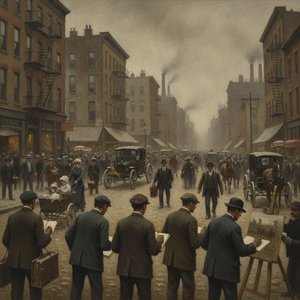
The Ashcan School: Capturing the Raw, Unfiltered Soul of Urban Life through American Realism
Discover the raw beauty of the Ashcan School. Explore how masters like Bellows and Henri captured the gritty, vibrant soul of early 20th-century New York through profound American Realism and evocative urban landscapes.

The Unvarnished Truth: A Cultural Journey Through the Soul of American Realism
Explore the profound beauty of American Realism. From the Ashcan School's urban grit to intimate portraits, discover how artists captured the authentic soul of a nation through unvarnished truth and masterful observation.