Náhled v interiéru
 Sdílet
 Sdílet
 Podrobnosti o díle
 Průvodce

 Stáhnout
 Podobné položky
 Rentgenové snímky
 Slideshow
 Otázky a odpovědi
 Statistiky
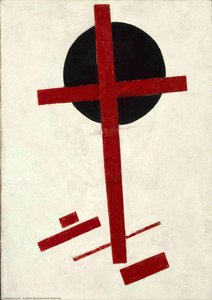
Suprematism 3


Experience the revolutionary brilliance of Kazimir Malevich's Suprematism 3 – a bold geometric abstraction featuring black, white, and red accents. Explore this iconic masterpiece at TopImpressionists.com.
 Zobrazit více
Kazimir Malevich (1878-1935): Ukrajinský zakladatel suprematismu, průkopník abstraktního umění. Objevte ikonické dílo Černá čtvrť a jeho vliv na 20. století.
Giclée / Umělecký tisk
Giclée nebo plátěný tisk muzeální kvality s rychlou výrobou a širokou nabídkou povrchových úprav. ( Koupit ručně malovaný obraz Přepnout na digitální obraz)




P118B Kč10

P118H Kč10

P118W Kč10

P438Z Kč10

P508JH Kč12

P508YH Kč12

P805H Kč10

P805Z Kč10

P919BZ Kč10

P919G Kč10

P919XJ Kč10

P959ZH Kč10

P968JZ Kč12

W106C Kč8

W218G Kč10

W218JH Kč8

W218Y Kč10

W307PJ Kč10

W316G Kč10

W316PJ Kč8

W316Y Kč10

W398PJ Kč8

W4111J Kč10

W500HY Kč15

W500JH Kč15

W692G Kč12

W849H Kč8

W940BG Kč15

W953PJ Kč8




Standardní velikost
na zakázku
CM
INCH
Vyberte si z našich přednastavených velikostí, které odpovídají původním proporcím díla.
Loading sizes...

šířka
výška
Zadejte šířku a výšku, které potřebujete pro váš rám nebo stěnu. Tisk lze pouze oříznout, nikdy však nelze zvětšit obraz nad jeho původní rozměr, proto při výběru jiného formátu dochází ke ztrátě části obrazu. Před samotným tiskem vám zašleme digitální náhled k schválení. Obraz zobrazený na této stránce nenabízí skutečný výřez — ten uvidíte pouze v náhledu.
Celosvětové doručení () do 2 týdnů namísto standardních 4/5 týdnů. (5 listopad)

Zdarma celosvětová expresní doprava

Vysoce kvalitní lněné plátno

Kompletní pojištění přepravy

Záruka vrácení celního poplatku

Záruka věrného barevného souladu

100dení lhůta pro vrácení zboží (pouze při vadách výroby)

100% záruka vrácení peněz

Sleva při více objednávkách
 Skleněná varianta je dostupná pouze u rozměrů menších než 110 cm

Suprematism 3
Giclée / Umělecký tisk
Rozměry reprodukce
-


Celková cena za vybrané možnosti reprodukcí
Kč 1527
The Architecture of Silence: Rediscovering Suprematism 3
In the vast, turbulent landscape of early twentieth-century modernism, few works possess the quiet, tectonic power of Kazimir Malevich’s Suprematism 3. To gaze upon this canvas is to step away from the noisy, representational world and enter a realm of pure, unadulterated feeling. Created during the feverish years between 1910 and 1915, this masterpiece serves as a visual manifesto for a movement that sought to strip art of its duty to mimic reality. Instead, Malevich offers us a sanctuary of geometry, where the weight of the physical world dissolves into a dance of fundamental forms. It is not merely an arrangement of shapes; it is an exploration of the spiritual void, a deliberate attempt to find truth in the absolute simplicity of a square, a line, and a primary hue.
The composition functions through a sophisticated, almost rhythmic tension. The eye does not rest on a single focal point but is instead invited to wander across a dynamic equilibrium of black, white, and red elements. Bold geometric shapes—rectangles and squares that seem to float in an infinite, weightless expanse—are punctuated by sharp, yellow lines that slice through the composition like sudden bursts of light. This meticulous calibration creates a profound paradox: while the individual elements appear static and stable, their arrangement suggests a latent, kinetic energy. For the discerning collector or interior designer, this piece offers a unique architectural quality, providing a sense of structured movement that can anchor a room with both intellectual depth and modern elegance.
A Revolution Carved in Geometry
To understand the emotional gravity of Suprematism 3, one must look back to the radical shifts occurring in the artist's soul. Malevich, born in the rich cultural tapestry of Ukraine, began his journey through the lenses of Impressionism and Cubism, yet he found these styles too tethered to the "dead weight" of the visible world. He sought a "non-objective" reality—a state where art exists for its own sake, free from the burden of storytelling or portraiture. This painting is the embodiment of that liberation. The use of tempera on primed birch bark, a choice reflecting his connection to raw, elemental materials, lends the work an organic, grounded texture that contrasts beautifully with its abstract subject matter.
The symbolism within the piece transcends simple decoration. The stark contrast between the deep black forms and the pristine white ground represents the struggle between presence and absence, between the known and the infinite. The sudden intrusion of red and yellow acts as a pulse, a heartbeat within the void, reminding the viewer that even in total abstraction, there is life, heat, and vitality. For those looking to integrate fine art into contemporary living spaces, Suprematism 3 provides more than just aesthetic appeal; it offers a meditative focal point. It is a piece that demands contemplation, inviting anyone who stands before its reproduction to find beauty in the balance of chaos and order, and to experience the profound peace found in the essence of form.
Otázky a odpovědi
Mohu si před koupí prohlédnout „Suprematism 3“ od Kazimír Malevič na své vlastní stěně?
Dílo „Suprematism 3“ nabízí náhled v rozšířené realitě: na stránce Náhled v rozšířené realitě si jej můžete prohlédnout ve vlastním prostoru pomocí kompatibilního zařízení.
V jakém formátu je dílo „Suprematism 3"?
Dílo „Suprematism 3“ od Kazimír Malevič má formát Square. Tento formát určuje poměry kompozice.
Jakou technikou je vytvořeno dílo "Suprematism 3"?
„Suprematism 3“ je dílo vytvořené v technice Tempera.
Biografie umělce
Kazimir Malevich: Průkopník abstraktního umění
Raný život a vlivy
- Kazimir Severinovič Malevič se narodil v roce 1878 v Kyjevské oblasti na Ukrajině do polské rodiny, přičemž jeho raná léta byla hluboce formována ukrajinskou venkovskou krajinou a její bohatou lidovou kulturou.
- Jeho výchova v sobě vrostila cit pro tradiční umělecké projevy, které později v jeho díle nenápadně rezonovaly.
- Formální vzdělání začalo v Kyjevě, ale Malevič rychle hledal širší umělecké obzory, zaměřil se na Moskvu a nakonec se napojil na rozkvétající evropská avantgardní hnutí.
- Klíčové vlivy: Rané setkání s lidovým uměním, spojené s touhou po moderním vyjádření, vytvořilo základ jeho jedinečného stylu.
Umělecký vývoj a klíčová hnutí
- V počátcích Malevič prozkumával různé styly, včetně impresionismu, symbolismu, fauvismu a kubismu. Zlomová cesta do Paříže v roce 1912 ho vystavila nejnovějším trendům evropského umění.
- Postupně se vzdal od figurativních forem a hledal čistě umělecký jazyk založený na geometrických tvářích a barvě.
- To vedlo k vytvoření suprematismu kolem roku 1915 – abstraktního hnutí zaměřeného na „supremacii čistého citu“ v umění.
- Suprematismus odmítal jakékoli snahy zobrazovat předměty ze světa viditelného a místo toho upřednostňoval základní geometrické tvary, jako jsou čtverce, kruhy a obdélníky.
Hlavní úspěchy a významná díla
- Černý čtverec (1915): Pravděpodobně jeho nejslavnější dílo, které představuje radikální odklon od tradičního umění a je považováno za zakládní kámen abstraktního malířství.
- Bílé na bílém (1918): Série zkoumající čistotu formy a barvy, která představuje bílé geometrické tvary na bílém pozadí – tím posouvá abstrakci do jejích extrémů.
- Stroyuschiysya dom [Dům ve výstavbě] (1916): Raný příklad suprematismu, který ukazuje jeho unikátní pohled na ukrajinskou kulturu prostřednictím abstraktních forem.
- Rozsáhle také psal o teorii umění, přičemž formuloval filozofické principy stojící za suprematismem a prosazoval nový umělecký vědomí.
Historický význam a odkaz
- Malevičovo dílo hluboce ovlivnilo vývoj abstraktního umění 20. století a mělo vliv na hnutí jako minimalismus a konstruktivismus.
- Zpochybnil konvenční představy o reprezentaci a připravil cestu pro neobjektivní umění.
- Jeho myšlenky o čistém citu a geometrické abstrakci rezonují i u dnešních umělců.
- Navzdory politickému pronásledování za éry Stalina – kdy byl nejprve podporován, ale poté potlačován – Malevič vytrval ve své tvorbě i výuce.
- Vliv na pozdější umělce: přímo ovlivnil umělce jako El Lissitzky a nepřímým dědictvím suprematismu utvaril tváře nespočetným dalším tvůrcům.
Pozdní život a smrt
- V pozdějších letech se Malevič vrátil k figurativnímu malířství a pokoušel se syntetizovat své abstraktní principy s reprezentativními formami.
- O umění продовжуoval vyučovat i psát až do své smrti v Leningradu (dnešní Petrohrad) v roce 1935.
- Jeho dílo zůstalo po jeho smrti po několik desetiletí relativně neznámé, ale v druhé polovině 20. století zažilo renesanci zájmu, která upevnila jeho postavení jako jedné z nejdůležitějších postav moderní historie umění.

Kazimír Malevič
1878 - 1935 , Ukrajina
Rychlé informace o umělci
- Artistic Movement Or Style: Suprematismus, Abstrakce
- Artists Or Movements Influenced By This Artist:
- Konstruktivismus
- El Lissitzky
- Artists Who Influenced This Artist:
- Impresionismus
- Fauvizmus
- Date Of Birth: 1878
- Date Of Death: 1935
- Full Name: Kazimir Severinovič Malevich
- Nationality: Ukrajinský/Ruský
- Notable Artworks:
- Černá čtvrť
- Bílá na bílou
- Place Of Birth: Kyjev, Ukrajina
Související články

Geometrická abstrakce: 10 mistrovských děl, které změnily umění | TopImpressionists.cz
Prozkoumejte 10 ikonických děl geometrické abstrakce od Mondriana, Maleviče a Kandinského. Objevte příběhy umělců, techniky a historii tohoto revolučního hnutí. Najděte inspiraci pro moderní dekorace a luxusní reprodukce obrazů na TopImpressionists.com.

Top 10 slavných obrazů vládnutých bílou barvou – Umění a inspirace pro interiér
Objevte top 10 slavných obrazů, kde bílá barva hraje klíčovou roli. Claude Monet, Van Gogh a další mistři! Inspirace pro váš interiér a reprodukce umění nejvyšší kvality na TopImpressionists.com.

Beyond Form & Color: Geometric Abstraction's Evolution in 20th/21st Century Art
Explore the evolution of geometric abstraction from Cubism to contemporary art. Discover key artists like Malevich & Mondrian, investment insights, and expert collecting advice at TopImpressionists.

Kazimir Malevich: Pioneering Suprematism & the Quest for Non-Objective Art
Explore the revolutionary art of Kazimir Malevich & his groundbreaking Suprematism movement. Discover the origins, core principles, and lasting impact of this pivotal force in modern abstract painting.

Kazimir Malevich: Top 25 Děl Suprematismu pro Vaši Inspiraci | TopImpressionists.com
Prozkoumejte 25 ikonických děl Kazmira Maleviče a objevte sílu suprematismu. Černé náměstí, bílé na bílém a další abstraktní mistrovská díla. Repliky obrazů nejvyšší kvality pro váš interiér – TopImpressionists.com.
Prozkoumejte umělecká díla uspořádaná podle témat, stylů a charakteristik.