


 Zobrazit v interiéru
 Odeslat
 Sdílet
 Podrobnosti
 Průvodce

 Stáhnout obrázek
 Podobné kousky
 Rentgenové snímky
 Slideshow
 Statistiky
Lucy with Flower
 Expressionism
 1942
1942 56.0 x 47.0 cm
Explore Lasar Segall’s ‘Lucy with Flower’ (1942). This expressive oil painting evokes introspection with earthy tones & impasto texture. A poignant portrait reflecting wartime emotions.
Lasar Segall (1891-1957): Lithuanian-Brazilian Expressionist painter who bridged European & Brazilian art. Explored suffering, war, and social injustice with poignant emotion.
 Přečíst si více
Ručně malovaná olejová reprodukce
Ručně malované olejné plátno v libovolném rozměru i s rámem, vyrobené našimi umělci na zakázku. ( Přepnout na tiskové verze Přepnout na digitální verzi obrazu)




































Standardní velikost
na zakázku
CM
INCH
Vyberte si z našich přednastavených velikostí, které odpovídají původním proporcím díla.
Loading sizes...

šířka
výška
Můžete zadat vlastní rozměry pro konkrétní rám nebo prostor. Pokud se vámi vybraná velikost neshoduje s proporcemi původního obrazu, dílo buď ořízneme, nebo jej doplníme ručně malovanými prvky. Před zahájením výroby vám bude zaslán digitální náhled ke schválení.
Upozorňujeme, že náhled na obrazovce neodpovídá skutečnému ořezu ani rozšíření. Pouze digitální náhled přesně zobrazí finální kompozici.
Ačkoliv je možné zvolit vlastní velikost, pro zachování původních proporcí doporučujeme vybrat rozměr z předdefinovaného seznamu.
Příklady možných změn: nahrazení obličeje vlastní fotografií; přidání domácího mazlíčka (např. nahrazení kočky psem); vložení skrytého vzkazu do pozadí; změna krajiny nebo prvků v pozadí.
Po přijetí objednávky vám tým TopImpressionists.com zašle e-mail s pokyny a poskytne náhledovou verzi.
Po přijetí objednávky vám tým TopImpressionists.com zašle e-mail s pokyny a poskytne náhledovou verzi.
Celosvětová doprava () za 3–4 týdny namísto standardních 5 týdnů. (7 říjen). Bez kompromisů v kvalitě.

Zdarma celosvětová expresní doprava

Vysoce kvalitní lněné plátno

Úplné pojištění přepravy

Záruka vrácení celního poplatku

Záruka věrného barevného shodu

100dení lhůta pro vrácení zboží (pouze při vadách výroby)

100% garance vrácení peněz

Sleva při více objednávkách
 Skleněná varianta je dostupná pouze u rozměrů menších než 110 cm

Lucy with Flower
Technika provedení
Velikost reprodukce
-


Celková cena
Kč 5600
Biografie umělce
A Life Forged in Displacement: The Journey of Lasar Segall
Lasar Segall’s life was a testament to the power of art born from displacement and suffering, a narrative etched onto canvas with raw emotion and innovative technique. Born on July 21, 1891, in Vilnius, Lithuania—then part of the Russian Empire—Segall inherited a profound connection to his Jewish heritage through his father, a Torah scribe. This early immersion in tradition would become a recurring undercurrent throughout his artistic explorations, even as he navigated a world increasingly defined by upheaval and change. His formative years were steeped in the anxieties of a society grappling with political unrest and religious persecution, themes that would later dominate his work. The seeds of an artist acutely sensitive to human vulnerability were sown early, nurtured by a childhood shadowed by uncertainty.From Berlin to Brazil: A Blossoming Artistic Voice
At fifteen, Segall embarked on a journey that would irrevocably shape his artistic trajectory, moving to Berlin in 1906 to study at the Königliche Akademie der Künste. This immersion into the vibrant German art scene proved pivotal, exposing him to new ideas and techniques while simultaneously solidifying his commitment to self-expression. He continued his studies in Dresden, becoming a “Meisterschüler” at the Kunstakademie, where he began developing a distinctive style characterized by troubled figures inhabiting claustrophobic spaces, their features often exaggerated to convey profound emotional distress. These early works were not merely representations of form; they were visceral expressions of alienation and suffering, influenced by African tribal art and foreshadowing the Expressionist movement that would soon claim him as one of its own. Segall’s involvement with the Dresden Secession Gruppe in 1919, alongside artists like Otto Dix and Conrad Felixmüller, marked a significant step toward artistic independence and a rejection of conventional norms. However, the turbulence of post-war Europe fueled his desire for a new beginning. In 1923, he made the momentous decision to relocate to São Paulo, Brazil, joining siblings who had already established themselves in the country. This move proved transformative, not only offering him refuge but also exposing him to a culture brimming with vibrant colors, diverse influences, and a unique energy that would infuse his art with new life.Brazilian Rhythms and Modernist Visions
Brazil became more than just a haven for Segall; it was a catalyst for artistic reinvention. He quickly embraced the country’s multifaceted identity, drawing inspiration from its bustling cities, lush landscapes, and diverse population. The red-light districts of Rio de Janeiro, the lives of plantation workers, and the vibrant energy of the favelas all found their way onto his canvases. His participation in the pivotal Semana de Arte Moderna (Modern Art Week) in 1922 solidified his position as a leading figure in the Brazilian modernist movement, challenging traditional artistic conventions and paving the way for a new era of creative expression. While retaining elements of Expressionism, Segall’s style evolved towards a more Cubist-influenced approach, reflecting the dynamic forms and bold colors of Brazilian life. He became a Brazilian citizen, fully immersing himself in the cultural landscape while continuing to explore universal themes of human suffering, displacement, and identity.A Legacy of Empathy and Social Commentary
The mature phase of Segall’s career was marked by a deepening exploration of portraiture, landscapes imbued with social commentary, and a continued commitment to portraying the marginalized and oppressed. His portraits, such as “Portrait of Lucy” (1937) and “Lucy with Flower” (1942), are particularly poignant, capturing not just physical likeness but also the inner lives and emotional complexities of his subjects. These works demonstrate an extraordinary ability to convey empathy and understanding through expressive brushwork and a keen sensitivity to human emotion. His landscapes often served as vehicles for social critique, reflecting on the realities of poverty, inequality, and injustice in Brazil. Throughout his life, Segall remained deeply connected to his Jewish heritage and experiences as an immigrant, themes that consistently resurfaced in his art. He died on August 2, 1957, leaving behind a rich artistic legacy that continues to resonate with audiences today. The Museu Lasar Segall in São Paulo, housed in his former residence and studio, stands as a testament to his enduring influence and provides invaluable insight into the life and work of this remarkable artist—a pivotal figure who bridged European traditions with Brazilian realities, leaving an indelible mark on the landscape of modern art. His work remains a powerful reminder of the importance of empathy, social consciousness, and artistic integrity.
Lasar Segall
1891 - 1957 , Lithuania
Rychlé informace
- Full Name: Lasar Segall
- Nationality: Lithuanian-Brazilian
- Date Of Birth: 1891
- Date Of Death: 1957
- Place Of Birth: Vilnius, Lithuania
- Notable Artworks:
- Lucy with Flower
- Portrait of Lucy
- Artistic Movement Or Style: Expressionism, Modernism
- Artists Who Influenced This Artist: ['African tribal art']
- Artists Or Movements Influenced By This Artist: ['Brazilian modern artists']
Související články
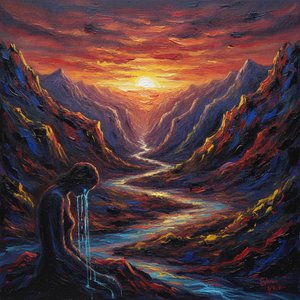
Capturing Emotion: A Journey Through the Soul of Expressionist Landscapes
Explore the profound emotional depth of Expressionist landscapes. Discover how Post-Impressionist masters moved beyond light to capture the soul through vibrant color and form. A curated journey for true art lovers seeking the beauty of expressive mastery.
Prozkoumejte umělecká díla uspořádaná podle témat, stylů a charakteristik.
