

 Náhled v interiéru
 Sdílet
 Sdílet
 Podrobnosti o díle
 Průvodce

 Stáhnout
 Podobné položky
 Rentgenové snímky
 Slideshow
 Q&A
Q&A Statistiky
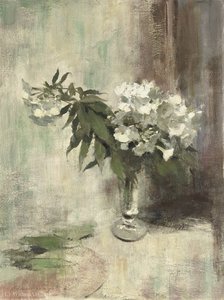
Goblet with Forget-me-nots


Admire Léon Bonvin’s "Goblet with Forget-me-nots" (1863). A poignant French watercolor capturing delicate still life beauty. Hand-painted reproduction available.
 Zobrazit více
Discover Léon Bonvin: French watercolorist of poignant genre scenes & delicate landscapes. Explore his realist still lifes & haunting beauty, a tragic artist's legacy.
Giclée / Umělecký tisk
Giclée nebo plátěný tisk muzeální kvality s rychlou výrobou a širokou nabídkou povrchových úprav. ( Koupit ručně malovaný obraz Přepnout na digitální obraz)




P118B Kč10

P118H Kč10

P118W Kč10

P438Z Kč10

P508JH Kč12

P508YH Kč12

P805H Kč10

P805Z Kč10

P919BZ Kč10

P919G Kč10

P919XJ Kč10

P959ZH Kč10

P968JZ Kč12

W106C Kč8

W218G Kč10

W218JH Kč8

W218Y Kč10

W307PJ Kč10

W316G Kč10

W316PJ Kč8

W316Y Kč10

W398PJ Kč8

W4111J Kč10

W500HY Kč15

W500JH Kč15

W692G Kč12

W849H Kč8

W940BG Kč15

W953PJ Kč8




Standardní velikost
na zakázku
CM
INCH
Vyberte si z našich přednastavených velikostí, které odpovídají původním proporcím díla.
Loading sizes...

šířka
výška
Zadejte šířku a výšku, které potřebujete pro váš rám nebo stěnu. Tisk lze pouze oříznout, nikdy však nelze zvětšit obraz nad jeho původní rozměr, proto při výběru jiného formátu dochází ke ztrátě části obrazu. Před samotným tiskem vám zašleme digitální náhled k schválení. Obraz zobrazený na této stránce nenabízí skutečný výřez — ten uvidíte pouze v náhledu.
Celosvětové doručení () do 2 týdnů namísto standardních 4/5 týdnů. (31 říjen)

Zdarma celosvětová expresní doprava

Vysoce kvalitní lněné plátno

Kompletní pojištění přepravy

Záruka vrácení celního poplatku

Záruka věrného barevného souladu

100dení lhůta pro vrácení zboží (pouze při vadách výroby)

100% záruka vrácení peněz

Sleva při více objednávkách
 Skleněná varianta je dostupná pouze u rozměrů menších než 110 cm

Goblet with Forget-me-nots
Giclée / Umělecký tisk
Rozměry reprodukce
-


Celková cena za vybrané možnosti reprodukcí
Kč 1500
Léon Bonvin was born in Vaugirard, just outside Paris in 1834. Despite displaying great talent in the medium of watercolor he was largely unrecognized by his contemporaries. In 1866 he hanged himself at the age of 32, apparently due to financial difficulties. Working at his family
Otázky a odpovědi
Kde si mohu koupit print díla „Goblet with Forget-me-nots“ od Léon Bonvin?
Dílo "Goblet with Forget-me-nots" je k dispozici jako umělecký tisk na bavlněném plátně nebo archivním plátnovém papíře. Objednávku můžete zadat na stránce Kvalitní umělecký tisk v požadované velikosti.
Kdo je autorem díla "Goblet with Forget-me-nots"?
Dílo "Goblet with Forget-me-nots" se připisuje autorovi Léon Bonvin.
Kde je dnes možné vidět dílo „Goblet with Forget-me-nots“ od Léon Bonvin?
Originál díla „Goblet with Forget-me-nots“ si můžete prohlédnout v instituci The Walters Art Museum, Baltimore, Spojené státy americké.
Podobná díla




Biografie umělce
Léon Bonvin: A Tragic Master of Melancholy
Born in the humble outskirts of Paris in 1834, Léon Bonvin’s life was a poignant paradox—a soul deeply attuned to beauty and melancholy, yet tragically cut short before his artistic potential could fully blossom. His story is not merely that of an artist; it's one of quiet resilience, profound observation, and the heartbreaking struggle against poverty and despair. His legacy resides in a collection of delicate watercolors, imbued with a haunting stillness that continues to captivate viewers today.
Bonvin’s early life was marked by hardship. The son of a constable and a seamstress who operated a small guinguette (a popular outdoor tavern), he grew up amidst scarcity and the constant awareness of his family's limited resources. His older stepbrother, François Bonvin, recognizing Léon’s nascent talent, provided him with rudimentary art supplies—paints and encouragement—and instilled in him a deep appreciation for the works of the Dutch masters, particularly their meticulous attention to detail and atmospheric perspective. While he likely attended some classes at the École royale gratuite de dessin, his primary education came from self-study and an innate sensitivity to light and shadow. Adding another layer to his life was a passion for music; he learned to play the harmonium, finding solace in its melodies amidst the difficulties of his existence.
A World Rendered in Watercolor
Bonvin’s artistic style is immediately recognizable—a quiet realism characterized by an exquisite delicacy and a pervasive sense of melancholy. He primarily worked in watercolor, a medium he favored for its affordability and ability to capture fleeting atmospheric effects. His subjects were often humble: domestic scenes, still lifes of fruit and flowers, and solitary figures immersed in contemplation. He meticulously studied the works of Jean Siméon Chardin, replicating his ability to convey profound emotion through seemingly simple objects. His still lifes are not merely depictions of items; they’re imbued with a sense of quiet dignity and a poignant awareness of mortality.
Unlike many artists of his time who sought grand narratives or dramatic events, Bonvin focused on the everyday—the ordinary moments of life that often go unnoticed. He possessed an extraordinary eye for detail, rendering textures and light with remarkable precision. His landscapes are particularly noteworthy, capturing the subtle shifts in mood and atmosphere with a sensitivity rarely seen. He was known to work at dawn, dusk, or late into the night, seeking out those quiet moments when the world seemed most receptive to his artistic vision.
Struggles and Rejection
Despite his undeniable talent, Bonvin faced significant challenges throughout his career. He struggled financially, working as an innkeeper alongside his wife, a venture that ultimately proved unsuccessful. He approached numerous Parisian gallerists—particularly those on Rue Laffitte and Rue du Bac—hoping to gain recognition for his work, but was largely dismissed due to his lack of fame and the prevailing preference for more established artists. His watercolors, though admired by some, were deemed too dark and melancholic for the tastes of the commercial art market.
In January 1866, driven by desperation and rejection, Bonvin traveled to Paris one last time, seeking a dealer who might appreciate his work. When this attempt failed, he tragically took his own life in the forest outside the city on January 30th of that year, at the young age of 32. His death was a devastating loss for the artistic community and a stark reminder of the precariousness faced by many artists during that era.
A Lasting Legacy
Remarkably, Bonvin’s work gained recognition posthumously thanks to the efforts of his stepbrother, François. A special art sale was organized in 1866, featuring works by both brothers and including donations from prominent artists like Claude Monet, Henri Fantin-Latour, and Johan Barthold Jongkind—individuals who recognized the quality of Léon’s art or knew of his brother's artistic abilities. This event helped to establish a collection of Bonvin’s watercolors that continues to be studied and admired today.
Today, Bonvin’s paintings reside in prestigious collections around the world, including those at the Metropolitan Museum of Art, the Walters Art Museum, and the J. Paul Getty Museum. His work is celebrated for its quiet beauty, its poignant observation of human experience, and its enduring sense of melancholy. Léon Bonvin's story serves as a testament to the power of art to transcend hardship and a reminder that even in the darkest of times, beauty can still be found—and captured with exquisite sensitivity.

Léon Bonvin
1834 - 1866
Rychlé informace o umělci
- Full Name: Léon Bonvin
- Nationality: French
- Date Of Birth: 1834
- Date Of Death: 1866
- Place Of Birth: Vaugirard, France
- Notable Artworks:
- Goblet with Forget-me-nots
- Maisons au bord d'une route
- Moonlight Scene, Houses in the Background
- Artistic Movement Or Style: Watercolorist; Realism
- Artists Who Influenced This Artist: ['Jean Siméon Chardin']
- Artists Or Movements Influenced By This Artist: ['Dutch Golden Age']
Související články

Jean-Léon Gérôme: Academic Rigor & Orientalist Visions Shaping 19th-Century French Painting
Explore the captivating world of Jean-Léon Gérôme, a master of 19th-century academic painting & orientalism. Discover his historical works, artistic techniques, and lasting influence on art history.

Charles Le Brun: Master of French Baroque Classicism & His Enduring Legacy
Explore the life & art of Charles Le Brun, master of French Baroque Classicism. Discover his royal commissions, influence on Versailles, and enduring legacy through detailed analysis & stunning artworks.

Léon Augustin L'Hermitte: Capturing the Soul of French Rural Life
Discover the captivating realist paintings of Léon Augustin L'Hermitte, masterfully depicting French rural life. Explore his technique, influences & legacy – a cornerstone of 19th-century art.

Léon Bonnat: Realism, Academic Mastery & the Depths of Portraiture
Explore the life & work of Léon Bonnat, a leading French Realist painter renowned for his masterful portraits and Spanish Baroque influence. Discover his academic legacy & pursuit of psychological depth in 19th-century art.

Simon Vouet: A Baroque Master's Journey from Italian Influence to French Classicism
Explore the life & art of Simon Vouet, a pivotal French Baroque painter who introduced Italian styles to France. Discover his masterpieces and lasting influence on 17th-century art.