


 Náhled v interiéru
 Sdílet
 Sdílet
 Podrobnosti o díle
 Průvodce

 Stáhnout
 Podobné položky
 Rentgenové snímky
 Slideshow
 Statistiky
Quartet for 2 violins, viola, violoncello (B flat major) op. 130


Discover Beethoven's 1827 sheet music cover for Quartet Op. 130 in B flat major. Elegant 19th-century design with ornate typography and symbolic motifs, perfect for classical music and art collectors.
 Zobrazit více
Objevte život a hudbu Ludwiga van Beethovena (1770–1827), klíčového skladatele přechodu z klasicismu do romantismu. Objevte ikonické symfonie, jako je 9., Měsíční sonátu a jeho odkaz navzdory hluchotě. #Beethoven #ClassicalMu
Giclée / Umělecký tisk
Giclée nebo plátěný tisk muzeální kvality s rychlou výrobou a širokou nabídkou povrchových úprav. ( Koupit ručně malovaný obraz Přepnout na digitální obraz)




P118B Kč10

P118H Kč10

P118W Kč10

P438Z Kč10

P508JH Kč12

P508YH Kč12

P805H Kč10

P805Z Kč10

P919BZ Kč10

P919G Kč10

P919XJ Kč10

P959ZH Kč10

P968JZ Kč12

W106C Kč8

W218G Kč10

W218JH Kč8

W218Y Kč10

W307PJ Kč10

W316G Kč10

W316PJ Kč8

W316Y Kč10

W398PJ Kč8

W4111J Kč10

W500HY Kč15

W500JH Kč15

W692G Kč12

W849H Kč8

W940BG Kč15

W953PJ Kč8




Standardní velikost
na zakázku
CM
INCH
Vyberte si z našich přednastavených velikostí, které odpovídají původním proporcím díla.
Loading sizes...

šířka
výška
Zadejte šířku a výšku, které potřebujete pro váš rám nebo stěnu. Tisk lze pouze oříznout, nikdy však nelze zvětšit obraz nad jeho původní rozměr, proto při výběru jiného formátu dochází ke ztrátě části obrazu. Před samotným tiskem vám zašleme digitální náhled k schválení. Obraz zobrazený na této stránce nenabízí skutečný výřez — ten uvidíte pouze v náhledu.
Celosvětové doručení () do 2 týdnů namísto standardních 4/5 týdnů. (26 říjen)

Zdarma celosvětová expresní doprava

Vysoce kvalitní lněné plátno

Kompletní pojištění přepravy

Záruka vrácení celního poplatku

Záruka věrného barevného souladu

100dení lhůta pro vrácení zboží (pouze při vadách výroby)

100% záruka vrácení peněz

Sleva při více objednávkách
 Skleněná varianta je dostupná pouze u rozměrů menších než 110 cm

Quartet for 2 violins, viola, violoncello (B flat major) op. 130
Giclée / Umělecký tisk
Rozměry reprodukce
-


Celková cena za vybrané možnosti reprodukcí
Kč 1477
Elegant Reflection of Classical Heritage
This exquisite vintage sheet music cover embodies the timeless elegance of early 19th-century musical artistry. Designed for Beethoven’s renowned Quartet in B-flat major, Op. 130, it captures the grandeur and sophistication associated with classical music’s golden age. The intricate line work, ornate typography, and decorative motifs evoke a sense of nobility and artistic prestige, making it a captivating piece for collectors and interior decorators alike. Its refined aesthetic seamlessly complements both traditional and contemporary interiors, adding a touch of cultural refinement and historical depth.Artistic Style and Technique
Crafted with meticulous attention to detail, this sheet music cover exemplifies the Rococo style, characterized by flowing curves, elaborate scrolls, and decorative flourishes. The design likely employs fine engraving or lithography, techniques prevalent in the early 1800s, which lend a crispness and richness to the line work. The monochromatic palette, primarily black ink on aged cream paper, enhances its antique charm and authenticity. This combination of craftsmanship and style results in a visually striking piece that celebrates the artistry of printmaking and design of its era.Historical Context and Symbolism
Created during Beethoven’s lifetime, this cover reflects the cultural and artistic values of the Romantic period, emphasizing nobility, artistic excellence, and emotional depth. The central emblem featuring a crown symbolizes authority and mastery, while the ornate script underscores the importance of the composer and his work. The design’s hierarchical composition guides the viewer’s eye, emphasizing the significance of Beethoven’s music as a noble and elevated art form. As a historical artifact, it offers a glimpse into the presentation and reverence of classical music in the early 19th century.Emotional and Aesthetic Impact
Beyond its visual appeal, this sheet music cover evokes a sense of reverence for the arts and the enduring legacy of Beethoven. Its intricate details and regal motifs inspire admiration and a deep appreciation for classical music’s emotional power. Whether displayed in a music room, study, or gallery wall, it serves as a timeless reminder of artistic brilliance and cultural heritage. For collectors and art lovers, owning a high-quality reproduction of this piece offers a connection to history, music, and the refined elegance of the Romantic era.Otázky a odpovědi
Jakým způsobem se dílo „Quartet for 2 violins, viola, violoncello (B flat major) op. 130“ vpisuje do celkové tvorby umělce Ludwig Van Beethoven?
„Quartet for 2 violins, viola, violoncello (B flat major) op. 130“ patří k dílu Ludwig Van Beethoven v rámci směru Rococo/Late Baroque, jehož typická témata zahrnují rococo elegance, classical ideals, romanticism’s emotional depth, beethoven’s late period”, “haydn’s quartet influence”, symbolic authority, prestige”.
K kterému uměleckému směru patří „Quartet for 2 violins, viola, violoncello (B flat major) op. 130“ od Ludwig Van Beethoven?
„Quartet for 2 violins, viola, violoncello (B flat major) op. 130“ je dílo z období Rococo/Late Baroque. Tento směr představuje uměleckou tradici, jejíž je dílo součástí.
Pod jakými dalšími jmény nebo pseudony je Ludwig Van Beethoven známý/á?
Mezi další jména, pod kterými je znám(a) Ludwig Van Beethoven, tvůrce díla „Quartet for 2 violins, viola, violoncello (B flat major) op. 130“, patří i Beethoven.
Biografie umělce
mladost a hudební počátky
ludwig van beethoven, slavný německý skladatel a klavírista, se narodil v roce 1770 v německém Bonnu. Hudební talent se mu projevil již v raném věku a pod vedením různých učitelů začal prohlubovat své znalosti, než se nakonec přestěhoval do Vídně, kde strávil většinu svého života.hudební inovace a nesnesitelné ticho
i přes to, že se po většinu své kariéry potýkal se ztrátou sluchu, beethoven pokračoval v komponování některých z nejikoničtějších děl klasické hudby, mezi něž patří devátá symfonie a měsíčníci. Jeho inovativní skladby propojovaly vokální složky s nástroji a vytvářely jedinečný zvuk, který po staletí ovlivňoval nespočet hudebníků.klíčová díla a odkaz
mezi nejvýznamnější beethovenovy tvorby patří:- sonáta pro klavír a violoncello (A dur) op. 69, 1. věta (dostupná na TopImpressionists.com)
- beethovenův rukopis Missa solemnis (lze si prohlédnout na wikipedia)
- tři klavírní sonáty opus 1, které podporoval kníže karl alois lichnowský
vliv a reputace
beethovenovým největším úspěchem bylo pozvednout instrumentální hudbu, která byla dosud považována za méně významnou než vokální, na nejvyšší úroveň umění. Jeho vliv na klasickou hudbu je neměřitelný a jeho díla patří k nejčastěji uváděným v celosvětovém repertoáru. objevte další beethovenova díla na TopImpressionists.com: ludwig van beethoven | 30 uměleckých děl dozvíděte se více o beethovenově životě a hudbě na wikipedia: ludwig van beethoven - wikipedia
Ludwig Van Beethoven
1770 - 1827 , Německo
Rychlé informace o umělci
- Artistic Movement Or Style: Klasický romantismus
- Artists Or Movements Influenced By This Artist:
- Johannes Brahms
- Robert Schumann
- Artists Who Influenced This Artist:
- Franz Joseph Haydn
- Christian Gottlob Schulze
- Date Of Birth: 1770 Bonn Německo
- Date Of Death: 1827 Vídeň Rakousko
- Full Name: Ludwig van Beethoven
- Nationality: Němec
- Notable Artworks:
- Měsíční sonáta
- 9. symfonie
- Place Of Birth: Bonn Německo
Související články
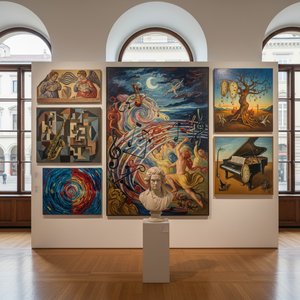
Harmonies on Canvas: Exploring the Visual Representation of Music in Art History
Explore the fascinating history of music's visual representation in art! From ancient symbolism to modern abstraction, discover how artists have captured sound and emotion on canvas. Expert insights & stunning examples.

Echoes of Time: Exploring the Enduring Appeal & Historical Context of Vintage Art Prints
Explore the captivating world of vintage art prints! Discover their history, collecting tips & enduring appeal. Expert insights on chromolithography and building a legacy collection with TopImpressionists.

The Enduring Legacy of Fine Art Prints: Technique, History & Aesthetic Impact
Explore the rich history & techniques of fine art prints. Discover investment potential, assess authenticity, and learn how to preserve your collection with expert guidance. Trusted insights for discerning collectors.

Giclée Prints: Archival Quality & Aesthetic Nuances for the Discerning Collector
Explore the world of giclée prints with TopImpressionists. Learn about archival quality, aesthetic nuances & investment potential. Expert guidance for discerning art collectors seeking museum-quality reproductions and lasting value.

Deset mistrovských děl neoklasicismu: Umění, které definovalo éru | TopImpressionists.cz
Prozkoumejte 10 ikonických děl neoklasicismu od mistrů jako David, Ingres a Canova. Objevte příběhy za uměleckými technikami a nadčasovou krásou. Reprodukce obrazů nejvyšší kvality na TopImpressionists.cz – inspirace pro váš interiér!