


 Zobrazit v interiéru
 Odeslat
 Sdílet
 Podrobnosti
 Průvodce

 Stáhnout obrázek
 Podobné kousky
 Rentgenové snímky
 Slideshow
 Statistiky
St Sebastian
 Oil On Panel
- WallArt
- Northern Renaissance
 1515
1515- Renaissance
 232.0 x 76.0 cm
 Musée Unterlinden
Explore Matthias Grünewald's masterpiece, St Sebastian (detail), a poignant depiction of martyrdom and faith from the Isenheim Altarpiece – a cornerstone of Northern Renaissance art.
 Přečíst si více
"meta_description": "Matthias Grünewald (1470-1528) byl klíčový německý renesanční malíř známý především oltářem Isenheim a dramatickými obrazy plnými emocí a realistickým zobrazením utrpení. Jeho dílo je unikátní kombinací středověkých tradic a nového uměleckého smyslu."
Giclée / Umělecký tisk
Giclée nebo plátěný tisk muzeální kvality s rychlou výrobou a širokou nabídkou povrchových úprav. ( Objednat ručně malovanou reprodukci Přepnout na digitální verzi obrazu)




P118B Kč10

P118H Kč10

P118W Kč10

P438Z Kč10

P508JH Kč12

P508YH Kč12

P805H Kč10

P805Z Kč10

P919BZ Kč10

P919G Kč10

P919XJ Kč10

P959ZH Kč10

P968JZ Kč12

W106C Kč8

W218G Kč10

W218JH Kč8

W218Y Kč10

W307PJ Kč10

W316G Kč10

W316PJ Kč8

W316Y Kč10

W398PJ Kč8

W4111J Kč10

W500HY Kč15

W500JH Kč15

W692G Kč12

W849H Kč8

W940BG Kč15

W953PJ Kč8




Standardní velikost
na zakázku
CM
INCH
Vyberte si z našich přednastavených velikostí, které odpovídají původním proporcím díla.
Loading sizes...

šířka
výška
Zadejte šířku a výšku, které potřebujete pro váš rám nebo stěnu. Tisk lze pouze oříznout, nikdy však nelze zvětšit obraz nad jeho původní rozměr, proto při výběru jiného formátu dochází ke ztrátě části obrazu. Před samotným tiskem vám zašleme digitální náhled k schválení. Obraz zobrazený na této stránce nenabízí skutečný výřez — ten uvidíte pouze v náhledu.
Celosvětové doručení () do 2 týdnů namísto standardních 4/5 týdnů. (22 říjen)

Zdarma celosvětová expresní doprava

Vysoce kvalitní lněné plátno

Úplné pojištění přepravy

Záruka vrácení celního poplatku

Záruka věrného barevného shodu

100dení lhůta pro vrácení zboží (pouze při vadách výroby)

100% garance vrácení peněz

Sleva při více objednávkách
 Skleněná varianta je dostupná pouze u rozměrů menších než 110 cm

St Sebastian
Giclée / Umělecký tisk
Velikost reprodukce
-


Celková cena
Kč 1466
A Vision of Martyrdom and Grace
In the quiet corridors of the Musée d'Unterlinden, there exists a painting that does not merely depict a scene, but breathes with the raw, unshielded intensity of human suffering and divine resilience. Matthias Grünewald’s St Sebastian, completed around 1515, is far more than a religious icon; it is a profound psychological landscape. At first glance, the viewer is struck by the visceral reality of the figure—a man caught in the agonizing intersection of physical torment and spiritual transcendence. Unlike many Renaissance depictions that favor idealized, classical beauty, Grünewald embraces a Northern European tradition of unflinching realism. The saint’s body, pierced by arrows, serves as a canvas for an exploration of pain, yet there is an undeniable elegance in his posture that suggests a soul already beginning its ascent toward the divine.
The composition is a masterclass in dramatic tension and atmospheric depth. Grünewald utilizes a somber, dark interior to push the figure of St. Sebastian into the immediate foreground, creating an intimacy that feels almost intrusive. Light plays a pivotal role here, streaming from a window on the left to sculpt the musculature of the torso and illuminate the wounds with a haunting clarity. This use of chiaroscuro—the dramatic interplay of light and shadow—does more than create three-dimensional form; it directs the viewer's emotional journey, pulling our eyes toward the crimson marks of martyrdom. The presence of a delicate vase of flowers on the periphery offers a poignant contrast, a fleeting whisper of natural beauty set against the heavy, eternal weight of the saint's sacrifice.
The Language of Symbolism and Technique
To gaze upon this masterpiece is to read a complex language of symbols deeply rooted in the late medieval and early Northern Renaissance consciousness. Each arrow embedded in the flesh is not merely a weapon of execution but a symbol of the piercing nature of faith and the shared suffering of Christ. The vibrant yet subdued palette, dominated by earthy tones and punctuated by sudden, startling flashes of red, mirrors the biological reality of blood and wound. Grünew nwald’s technique involves a meticulous layering of oil paint that creates an illusionistic surface, allowing the textures of skin, fabric, and light to feel palpably real. His brushwork, while precise in anatomical detail, possesses a rhythmic energy that captures the very vibration of life under duress.
For the discerning collector or interior designer, a reproduction of this work offers more than mere decoration; it provides a focal point of profound intellectual and emotional gravity. The painting’s ability to command a room lies in its duality—it is simultaneously unsettling and deeply comforting. It invites contemplation on themes of endurance, the beauty found within struggle, and the transformative power of devotion. Whether placed in a curated gallery setting or as a centerpiece in a sophisticated study, St Sebastian serves as a timeless testament to the human spirit's capacity to endure the unimaginable and emerge with a quiet, luminous dignity.
Otázky a odpovědi
Jak si mohu prohlédnout náhled reprodukce díla „St Sebastian“ od Matěj Grünwald?
Chcete-li si prohlédnout náhled reprodukce díla „St Sebastian“ od Matěj Grünwald, otevřete stránku Náhled tohoto díla.
Je dílo „St Sebastian“ od Matěj Grünwald spíše světlé, nebo tmavé?
U díla „St Sebastian“ od Matěj Grünwald je zaznamenána jasnost balanced při luminanci Soft Shadow.
K jaké fázi kariéry Matěj Grünwald odpovídá datum vzniku díla „St Sebastian“ z roku 1515?
„St Sebastian“, vytvořené v roce 1515, patří do Mature Period tvorby umělce Matěj Grünwald.
Biografie umělce
Matthias Grünewald: Život a odkaz
Raný život a umělecké počátky
Matthias Grünewald, narozený jako Mathis Gothart Neithardt kolem let 1470–1475 ve Würzburgu v Německu, představoval klíčovou postavu německé renesance. Přestože žil v době, která byla stále více ovlivňována ideály italské renesance, Grünewald zůstal hluboce zakořeněn v umělických tradicích pozdního středověku střední Evropy. Informace o jeho raném životě jsou vzácné, ale víme, že prošel výtvarným výcvikem, který pravděpodobně získal v místních dílnách.
Umělecký rozvoj a vlivy
Grünewaldův umělecký rozvoj byl formován tehdejšími severoevropskými tradicemi realismu, emocionální intenzity a detailního pozorování. V jeho díle lze patrně vidět vlivy umělců jako Albrecht Dürer či Martin Schongauer, avšak on sám si vybudoval zcela unikátní cestu, kterou charakterizuje dramatická výraznost a živá koloristika. Nebyl přímo spojen s humanistickými kruhy, které byly tehdy v Itálii tak významné; jeho umění však primárně sloužilo náboženským účelům a zrcadlilo duchovní úzkosti jeho doby.
Hlavní díla a umělecký styl
- Isenheimský oltář (1512–1516): Toto mistrovské dílo, které je uloženo v Musée d'Unterlinden v Colmaru, je považováno za Grünewaldovo magnum opus. Zobrazuje scény z Kristova života s děsivým realismem a soustředí se především na témata utrpení a odkupu.
- Ukřižování (cca 1502–1503): Rané dílo, které demonstruje jeho rozvíjející se styl a projevuje intenzivní emoce i anatomickou přesnost.
- Panna Marie při Zvěstování (1512–14): Studie pro Isenheimský oltář, která odhaluje jeho pečlivý proces plánování.
- Mojžíš (1511): Kresba zdůrazňující Grünewaldovu schopnost zachytit výrazné postavy a dramatické pózy.
Grünewaldův styl je specificky definován několika prvky:
- Dramatická kompozice: Používal dynamické uspořádání prvků, aby zvýšil emocionální dopad obrazu.
- Živá paleta barev: Jeho práce s intenzivními a často kontrastními barvami vytváří silný vizuální zážitek.
- Realistické zobrazení utrpení: Grünewald se neváhal dotýkat fyzické i psychické bolesti spojené s náboženskými příběhy.
- Výrazné postavy: Jeho postavy jsou naplněny silnými emocemi a psychologickou hloubkou.
Historický význam a odkaz
Grünewaldovo dílo stojí jako svědectví o trvající síle středověkých uměleckých tradic v Německu během renesance. Dokázal překlenout propast mezi pozdně gotickým stylem a nastupující renesancí a vytvořil unikátní vizuální jazyk, který rezonoval s jeho dobovými lidmi. Jeho vliv je patrný u pozdějších německých umělců, kteří pokračovali v prozkoumávání témat náboženského žáru a emocionální intenzity. Ačkoliv byl po své smrti v roce 1528 po staletí zapomenut, v 19. století zažil renesanci a dnes je uznáván jako jeden z nejdůležitějších malířů německé renesance. Jeho umění i nadále fascinuje diváky svou syrovou emocí, technickou brilancí a hlubokým duchovním rozměrem.
Další prohlédnutí
Zjistěte více o životě a díle Matthiase Grünewalda na: TopImpressionists

Matěj Grünwald
1480 - 1528 , Německo
Rychlé informace
- Artistic Movement Or Style: Německá renesance
- Artists Or Movements Influenced By This Artist:
- Lucas Cranach the Elder
- Hans Baldung zvaný Grün
- Artists Who Influenced This Artist:
- Albrecht Dürer
- Martin Schongauer
- Date Of Birth: c. 1470/1480
- Date Of Death: 31 August 1528
- Full Name: Matthias Grünewald
- Nationality: Německý
- Notable Artworks:
- Isenheimský oltář
- Kristus na kříži
- Panna Marie s Annou
- Moisés
- Place Of Birth: Würzburg, Německo
Související články

Matthias Grünewald: Devotion, Distortion & Spiritual Turmoil in Renaissance Art
Explore the profound religious art of Matthias Grünewald, master of the Isenheim Altarpiece. Discover his unique expressionism, symbolism & lasting impact on Renaissance painting. A guide for collectors and enthusiasts.
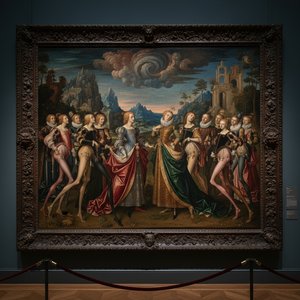
Northern Mannerism: The Dramatic Evolution of Renaissance Art and the Mastery of Elegant Distortion
Explore the dramatic evolution of Northern Mannerism. Discover how masters like Bosch and Grünewald transitioned from Renaissance harmony to profound, elegant distortion through an expert analysis of symbolism, emotional intensity, and artistic innovation.
25 Mistrovských Děl Alte Pinakothek: Umění a Krása pro Váš Domov | TopImpressionists
Prozkoumejte 25 ikonických děl Alte Pinakothek v Mnichově! Obrazy Da Vinciho, Rembrandta a Rubense ožívají. Inspirujte se pro váš interiér s reprodukcemi nejvyšší kvality na TopImpressionists.com.

El Greco: 25 mistrovských děl pro váš interiér | TopImpressionists.com
Prozkoumejte 25 ikonických děl El Greco – španělského mistra renesance a baroka. Obdivujte jeho duchovní malby, portréty a unikátní styl na TopImpressionists.com. Reprodukce obrazů pro váš interiér.

The Northern Renaissance: A Flourishing of Realism, Religious Reform & Artistic Innovation
Explore the Northern Renaissance! Discover Jan van Eyck's innovations, religious shifts, & key artists of this influential period. Expert analysis and insights into Early Netherlandish painting at TopImpressionists.
Prozkoumejte umělecká díla uspořádaná podle témat, stylů a charakteristik.


