


 Zobrazit v interiéru
 Odeslat
 Sdílet
 Podrobnosti
 Průvodce

 Stáhnout obrázek
 Podobné kousky
 Rentgenové snímky
 Slideshow
 Statistiky
Seascape with poplars


Max Beckmann’s ‘Seascape with poplars,’ a poignant Expressionist landscape from 1924, captures a contemplative mood through muted colors and simplified forms. Explore this evocative artwork and discover its rich symbolism – a timeless piece to own.
 Přečíst si více
Objevte silné umění Max Beckmanna (1884-1950). Klíčová figura expresionismu, jeho obrazové dílo zobrazuje zkreslené postavy a děsivé krajiny odkazující na traumata první světové války. Najděte jeho dědictví dnes.
Ručně malovaná olejová reprodukce
Ručně malované olejné plátno v libovolném rozměru i s rámem, vyrobené našimi umělci na zakázku. ( Přepnout na tiskové verze Přepnout na digitální verzi obrazu)




P118B Kč10

P118H Kč10

P118W Kč10

P438Z Kč10

P508JH Kč12

P508YH Kč12

P805H Kč10

P805Z Kč10

P919BZ Kč10

P919G Kč10

P919XJ Kč10

P959ZH Kč10

P968JZ Kč12

W106C Kč8

W218G Kč10

W218JH Kč8

W218Y Kč10

W307PJ Kč10

W316G Kč10

W316PJ Kč8

W316Y Kč10

W398PJ Kč8

W4111J Kč10

W500HY Kč15

W500JH Kč15

W692G Kč12

W849H Kč8

W940BG Kč15

W953PJ Kč8




Standardní velikost
na zakázku
CM
INCH
Vyberte si z našich přednastavených velikostí, které odpovídají původním proporcím díla.
Loading sizes...

šířka
výška
Zadejte šířku a výšku, které potřebujete pro váš rám nebo stěnu. Protože se jedná o ruční malbu, při výběru jiného formátu může umělec kolem obrazu domalovat o něco více, nebo jej mírně oříznout — rozhodnete si vy. Před zahájením malby vám zašleme digitální náhled ke schválení. Obraz zobrazený na této stránce neodpovídá skutečnému výsledku — pouze digitální náhled jej zobrazuje.
Příklady možných změn: nahrazení obličeje vlastní fotografií; přidání domácího mazlíčka (např. nahrazení kočky psem); vložení skrytého vzkazu do pozadí; změna krajiny nebo prvků v pozadí.
Po přijetí objednávky vám tým TopImpressionists.com zašle e-mail s pokyny a poskytne náhledovou verzi.
Po přijetí objednávky vám tým TopImpressionists.com zašle e-mail s pokyny a poskytne náhledovou verzi.
Celosvětová doprava () za 3–4 týdny namísto standardních 5 týdnů. (22 říjen). Bez kompromisů v kvalitě.

Zdarma celosvětová expresní doprava

Vysoce kvalitní lněné plátno

Úplné pojištění přepravy

Záruka vrácení celního poplatku

Záruka věrného barevného shodu

100dení lhůta pro vrácení zboží (pouze při vadách výroby)

100% garance vrácení peněz

Sleva při více objednávkách
 Skleněná varianta je dostupná pouze u rozměrů menších než 110 cm

Seascape with poplars
Technika provedení
Velikost reprodukce
-


Celková cena
Kč 6294
Max Beckmann's 'Seascape with Poplars': A Meditation on Melancholy
Max Beckmann’s ‘Seascape with Poplars,’ painted in 1924, is more than just a depiction of a coastal scene; it’s a profound exploration of human emotion rendered through the lens of Expressionism. This work, characterized by its muted palette and deliberately flattened perspective, invites viewers into a contemplative space where quiet melancholy reigns supreme. The painting immediately draws the eye to the stark contrast between the vertical thrust of the poplars lining the shore and the horizontal expanse of the sea, creating a visual tension that mirrors the underlying emotional complexity.
The scene unfolds with a restrained elegance – figures engaged in leisure activities near the water’s edge, boats gently bobbing on the waves, all bathed in diffused light. Beckmann's technique is meticulously crafted; layers of oil paint are applied in relatively flat planes, avoiding the blending and subtle gradations favored by some contemporary artists. This deliberate approach contributes to the painting’s almost sculptural quality, emphasizing form over photographic realism. The thick lines and simplified shapes – a hallmark of Expressionism – further amplify this effect, creating a sense of solidity and permanence.
A Window into the Artist's Soul
Born in Leipzig in 1884, Max Beckmann’s artistic trajectory was profoundly shaped by his experiences during World War I. His early work demonstrated academic precision, but the horrors he witnessed as a medical orderly ignited a radical shift in his vision. This transformation is powerfully evident in ‘Seascape with Poplars,’ where distorted figures and spaces reflect a deeply troubled psyche. Beckmann’s artistic vocabulary was remarkably diverse, drawing inspiration from a wide range of sources – medieval stained glass, Cézanne's geometric forms, Van Gogh’s emotive brushwork, and the symbolic narratives of Blake and Rembrandt.
The influence of Northern European artists, particularly Bosch and Grünewald, is palpable in the painting’s unsettling atmosphere. These masters were known for their ability to imbue religious scenes with a sense of foreboding and psychological depth, qualities that Beckmann skillfully translates into his seascape. The composition subtly evokes a feeling of isolation and vulnerability, mirroring the artist's own struggles with disillusionment and uncertainty.
Symbolism and Emotional Resonance
Beyond its formal elements, ‘Seascape with Poplars’ is rich in symbolic meaning. The poplars themselves – often associated with stability and resilience – stand as silent witnesses to the scene’s underlying melancholy. The boats, representing journeys and transitions, suggest a yearning for escape or perhaps a confrontation with one's own mortality. Beckmann masterfully uses color—greens, browns, and grays—to evoke a sense of quietude and somber reflection. The ambiguous perspective further enhances this effect, blurring the boundaries between reality and imagination.
The painting’s emotional impact is undeniable. It's not a joyous celebration of nature; rather, it’s a poignant meditation on human existence – a reminder of our vulnerability, our isolation, and the inevitability of change. ‘Seascape with Poplars’ remains a powerful testament to Beckmann’s artistic genius and his ability to translate complex emotions into a visually arresting work of art.
Otázky a odpovědi
Jakým způsobem „Seascape with poplars“ od Max Beckmann propojuje Expressionist Landscape s rodnou zemí umělce?
Dílo v rámci směru Expressionist Landscape s názvem "Seascape with poplars" vytvořil umělec narozený v zemi Německá.
Pod jakými dalšími jmény je Max Beckmann známý/á?
Mezi další jména, pod kterými je znám(a) Max Beckmann, tvůrce díla „Seascape with poplars“, patří i Max Carl Friedrich Beckmann.
Jakou techniku a styl charakterizuje „Seascape with poplars“ od Max Beckmann?
„Seascape with poplars“ od Max Beckmann kombinuje techniku Oil On Canvas s uměleckým směrem Expressionist Landscape. Technika a směr popisují způsob vzniku a styl tohoto díla.


Biografie umělce
Early Life and Artistic Development
Max Beckmann, a German painter, draftsman, printmaker, sculptor, and writer, was born on February 12, 1884, in Leipzig, Saxony. His artistic journey commenced with academically correct depictions—a stylistic choice that would later dramatically shift toward distorted figures and spaces, reflecting his profoundly altered perception of humanity following his service as a medical orderly during World War I. This formative experience indelibly shaped his artistic vision, propelling him away from traditional formalism towards a more emotionally charged exploration of human condition. Beckmann’s initial training at Weimar Academy instilled in him a grounding in classical aesthetics, yet he swiftly embraced the expressive fervor championed by artists like Edvard Munch and Vincent van Gogh—a pivotal moment that cemented his allegiance to Expressionism.Artistic Style and Influences
Beckmann's distinctive style drew inspiration from diverse artistic currents, notably medieval stained glass imagery and the pioneering works of Cézanne and Rembrandt. He meticulously studied these masters’ techniques, absorbing their compositional principles and tonal palettes—a testament to his unwavering dedication to mastering the craft of painting. Furthermore, Beckmann’s gaze turned toward Northern European artists of the late Middle Ages and early Renaissance, including Bosch and Grünewald, whose unsettling visions of human existence resonated deeply with his own artistic sensibilities. These influences contributed to a stylistic vocabulary characterized by angular lines, stark contrasts of light and shadow, and a deliberate flattening of perspective—elements that would become hallmarks of Beckmann’s oeuvre.Notable Works and Exhibitions
Beckmann's artistic output encompassed monumental triptychs like *The Night* (1942), which powerfully conveyed the psychological torment experienced during wartime, alongside intimate portraits capturing fleeting moments of human emotion. His canvases pulsated with symbolic resonance—a deliberate departure from representational accuracy in favor of conveying profound ideas and feelings. Among his most celebrated achievements were *The Bark*, acquired by the National Gallery in Berlin (1928), and *Self-Portrait in Tuxedo*, purchased in the same year, demonstrating his mastery of both technique and conceptual exploration. Beckmann’s work graced prominent exhibition halls across Germany and internationally, securing his place as a pivotal figure within the Expressionist movement and cementing his legacy as one of the foremost artists of his time.Later Life and Exile
Beckmann's artistic trajectory was irrevocably altered by the ascendancy of Adolf Hitler in Germany—a political upheaval that resulted in his dismissal from the Frankfurt Art School and the confiscation of over 500 of his artworks. Forced into exile, he sought refuge in Amsterdam for ten years, enduring bureaucratic obstacles in securing a visa for the United States. Despite these hardships, Beckmann persevered in his artistic pursuits, producing an astonishing body of work during his time abroad—primarily focused on capturing the atmosphere and emotional intensity of daily life. His return to Berlin marked a renewed engagement with German intellectual culture, fostering collaborations with fellow artists and writers who shared his commitment to challenging conventional artistic norms.Legacy
Beckmann’s enduring influence extends beyond his own artistic creations—he served as an instructor at Washington University in St. Louis and the Brooklyn Museum, nurturing the talents of aspiring artists and shaping the direction of American art education. His retrospective debut in the United States in 1948 at the City Art Museum, Saint Louis, garnered critical acclaim and solidified his reputation as a visionary artist whose work continues to inspire contemplation and debate. Max Beckmann’s legacy resides not only in his artistic masterpieces but also in his unwavering conviction that art should serve as a conduit for confronting existential anxieties—a perspective that resonates powerfully with audiences today.
Max Beckmann
1884 - 1950 , Německá
Rychlé informace
- Artistic Movement Or Style: Výraznictví
- Artists Or Movements Influenced By This Artist: ['Rembrandt']
- Artists Who Influenced This Artist:
- Georges Seurat
- Vincent van Gogh
- Date Of Birth: 2. února 1884
- Date Of Death: 27. prosince 1950
- Full Name: Max Carl Friedrich Beckmann
- Nationality: Německý
- Notable Artworks:
- The Bark
- Self-Portrait in Tuxedo
- Place Of Birth: Lipsko, Německá republika
Související články

Katsushika Hokusai: 25 mistrovských děl japonského umění pro váš interiér | TopImpressionists.com
Prozkoumejte 25 ikonických děl japonského mistra Katsushiky Hokusaiho! Objevte příběhy za Velkou vlnou, 36 pohledů na horu Fuji a další ukiyo-e tisků. Kvalitní reprodukce obrazů pro váš interiér na TopImpressionists.com.

Evocations of Place: A Historical Journey Through Landscape Art
Explore the rich history of landscape art with TopImpressionists. Discover renowned artists, movements like Impressionism & Romanticism, and expert guidance for collecting timeless pieces. Find your perfect serene escape today!

Romantická krajina v malbě: 10 mistrovských děl, které definovaly umělecký proud | TopImpressionists
Prozkoumejte 10 ikonických děl romantické krajinářské malby! Objevte příběhy Caspara Davida Friedricha, Turnera a dalších mistrů. Reprodukce obrazů nejvyšší kvality pro váš interiér na TopImpressionists.com.

Giclée Prints: Archival Quality & Aesthetic Nuances for the Discerning Collector
Explore the world of giclée prints with TopImpressionists. Learn about archival quality, aesthetic nuances & investment potential. Expert guidance for discerning art collectors seeking museum-quality reproductions and lasting value.
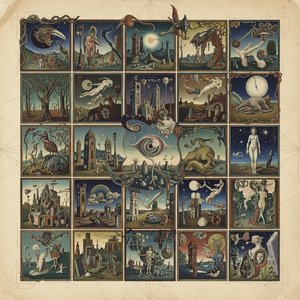
Max Ernst: 25 mistrovských děl surrealismu pro váš domov | TopImpressionists.com
Prozkoumejte 25 ikonických děl Maxe Ernsta – surrealistického mistra. Objevte příběhy za obrazy, techniky a inspiraci pro váš interiér s TopImpressionists.com. Kvalitní reprodukce umění online.
Prozkoumejte umělecká díla uspořádaná podle témat, stylů a charakteristik.


