

Zobrazeno: · Včetně rámu:
 Náhled v interiéru

 Sdílet
 Sdílet
 Podrobnosti o díle
 Informační list pro studenty


 Stáhnout
 Podobné položky
 Rentgenové snímky
 Slideshow
 Otázky a odpovědi

 Statistiky
Found (Max Klinger)


Ručně malováno olejem od Kč5458 při velikosti 36 x 28 cm
K dostání také jako fine art print od Kč1092
- Zdarma celosvětová expresní doprava
- Dodání za 4 až 5 týdnů
- 100dení lhůta na vrácení zboží a vrácení penězů
- Hodnoceno 4.9/5 na základě 241 recenzí zákazníků na ArtShopReviews.com
Kč 7641
Ručně malovaná olejová reprodukce
Rukou malované olejné plátno v libovolném rozměru i s rámem, vyrobené našimi umělci na zakázku. ( Impresionistický tisk Impresionistické oleje Koupit digitální kopii
)
Velikost
·Vyberte si z našich přednastavených velikostí, které odpovídají původním proporcím díla.
Načítání velikostí...

šířka
výška
Zadejte šířku a výšku, které potřebujete pro váš rám nebo stěnu. Protože se jedná o ruční malbu, při výběru jiného formátu může umělec kolem obrazu domalovat o něco více, nebo jej mírně oříznout — rozhodnete si vy. Před zahájením malby vám zašleme digitální náhled ke schválení. Obraz zobrazený na této stránce neodpovídá skutečnému výsledku — pouze digitální náhled jej zobrazuje.
 Více informací
Standardní velikost
na zakázku
CM
PALCE
Dokončit
·
Bílé okraje Kč1

Rozostřené okraje Kč1

Prodloužené okraje Kč1

P118B Kč10

P118H Kč10

P118W Kč10

P438Z Kč10

P508JH Kč12

P508YH Kč12

P805H Kč10

P805Z Kč10

P919BZ Kč10

P919G Kč10

P919XJ Kč10

P959ZH Kč10

P968JZ Kč12

W106C Kč8

W218G Kč10

W218JH Kč8

W218Y Kč10

W307PJ Kč10

W316G Kč10

W316PJ Kč8

W316Y Kč10

W398PJ Kč8

W4111J Kč10

W500HY Kč15

W500JH Kč15

W692G Kč12

W849H Kč8

W940BG Kč15

W953PJ Kč8
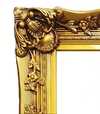
H24-GOLD Kč30
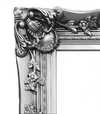
H24-SILVER Kč30
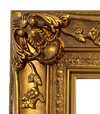
H36-GOLD Kč70
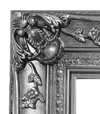
H36-SILVER Kč70
Dodáváno v ochranné tubě, připraveno k vlastním rámování.
Doplňkové služby
volitelnéCo všechno doplňky zahrnují?
Příklady možných změn: Nahrazení obličeje fotografií zákazníka; Přidání mazlíčka (např. výměna kočky za psa); Skrytá zpráva v pozadí; Změna krajiny nebo prvků v pozadí.
Po přijetí objednávky vám tým TopImpressionists.com pošle e-mail s instrukcemi a poskytne náhled návrhu
Globální doručení () za 3/4 týdny místo standardních 4/5 týdnů. (23 prosinec). Bez kompromisů v kvalitě.
Ochranný lak
Popisek díla
Detaily ryté bronzové plakety
Tato elegantní destička obsahuje jméno umělce a název díla, jemně vyryté pro nadčasovou prezentaci.
Je vyrobena z bronzu s rafinovanou, elegantní povrchovou úpravou. Text je přesně vygravírován laserem pro ostrý a trvalý výsledek. Tabulka o rozměrech 9x2 cm je kompaktní, a přitom snadno čitelná. Je vyrobena tak, aby byla odolná a odolná proti poškrábání, což jí dodává profesionální vzhled v muzeovním provedení. Montáž je díky přiložené samolepicí zadní části velmi jednoduchá.
Detaily průhledné akrylové desky
Plaque obsahuje důležité ryté detaily, jako je jméno umělce, název díla, datum jeho vytvoření, použitá technika – například olej na plátně nebo akvarel –, stručný popis díla a QR kód odkazující na kompletní informace o uměleckém díle.
Je vyrobena z průhledného akrylátu, který dodává celku elegantní a moderní vzhled. Text je leptán pomocí UV záření černo, což zajišťuje vysoký vizuální kontrast. Díky rozměrům 10x15 cm je zajištěna optimální čitelnost. Je vybavena dvěma kovovými háčky pro bezpečné upevnění na stěnu. Deska je navržena jako odolná vůči povětrnostním vlivům, což ji činí vhodnou pro různé prostředí, a obsahuje interaktivní prvky, které fungují bezproblémově po naskenování chytrým telefonem.
Detaily černé akrylové destičky
Tato elegantní destička obsahuje ryté informace, jako je jméno umělce, název díla, datum jeho vytvoření, použitá technika (např. olej na plátně nebo akvarel), krátký popis díla a QR kód pro rychlý přístup k dalším informacím.
Samotná plătečka je vyrobena z kvalitního černého akrylátu s prémiovou povrchovou úpravou. Text je laserově gravírován bílou barvou pro vysoký kontrast a čitelnost. Díky rozměrům 10x15 cm je text snadno čitelný. Součástí balení jsou dva kovové háčky pro profesionální montáž. Design je elegantní a hodí se do jakéhokoli interiérového stylu. Plátečka je také odolná vůči povětrnostním vlivům a díky integrované digitální funkci je plně kompatibilní s mobilními zařízeními.
Skleněná varianta je dostupná pouze u rozměrů menších než 110 cm
 Skleněná varianta je dostupná pouze u rozměrů menších než 110 cm
- Zdarma celosvětová expresní doprava
- Vysoce kvalitní lněné plátno
- Kompletní pojištění přepravy
- Záruka vrácení celního poplatku
- Záruka věrného barevného souladu
- 100dení lhůta na vrácení zboží a vrácení penězů
- 100% záruka vrácení peněz
- Sleva při více objednávkách


Found: Max Klinger a moment Symbolism
Two figures kneel in despair beneath a suspended form in this dramatic monochromatic etching filled with dense, swirling cross-hatching.
Max Klinger: biografie
Jeho Parafraze o nalezení rukavice byla inspirována snem: sledujte, jak se rukavice objevuje na každé desce.
O malbě
The Artwork Found by Max Klinger
In the quiet tension of Found, the viewer encounters a scene of profound emotional distress. Max Klinger, born in 1857 in Leipzig, Germany, presents a vision that feels caught in a moment of sudden, sharp anguish. The composition draws the eye upward through a pyramidal arrangement, where two figures kneel in supplication at the base. Above them, a third figure remains suspended on a rigid rectangular plane, creating a sense of unsettling verticality. The atmosphere is heavy with a feeling of helplessness, as if the figures are trapped within a swirling chaos of lines that refuse to settle.
The imagery suggests a narrative of torment or judgment, though the exact nature of the suffering remains a mystery. Shadows and highlights dance across the forms, emphasizing the intensity of the facial expressions and the physical strain of the subjects. There is a palpable sense of unease in the way the figures interact with the space around them. The scene does not offer the comfort of a clear light source, leaving the viewer to navigate the deep shadows and the turbulent, textured background that seems to pulse with internal turmoil.
Composition and Visual Elements
A heavy, pyramidal structure dictates the movement of the scene, pulling the eye upward through a tense arrangement of forms. At the base, two figures kneel in a state of supplication, their bodies anchoring the bottom of the triangle. Above them, a third figure remains suspended on a rigid, rectangular plane, creating a jarring contrast between the organic curves of the human forms and the unyielding geometry of the platform. This vertical tension holds the viewer in a state of suspended animation, caught between the grounded suffering below and the hovering presence above.
The background refuses to remain still. Dense, swirling lines churn through the space, suggesting a world in a state of constant, chaotic turmoil. These lines wrap around the figures, blurring the distinction between the subjects and the atmosphere surrounding them. Light and shadow dance unevenly across the scene, with deep, heavy blacks clashing against pale highlights to emphasize the emotional weight of the figures. The perspective feels strangely flattened, yet the layering of these dark, textured shapes creates a sense of depth that pulls the viewer into the center of the struggle.
Technique and Artistic Materials
The scene emerges from a monochromatic world, where every shadow and highlight relies on a careful dance of gray tones. This is the result of a meticulous printmaking process, likely an etching or an engraving. One can almost feel the physical resistance of the metal plate as the artist uses sharp etching needles to incise deep, deliberate lines into the surface. These marks do not merely outline forms; they build a dense, textured landscape through heavy cross-hatching that catches the light and holds the darkness in place.
The materials used in this creation speak to a tactile, hands-on labor. A metal plate, perhaps zinc or copper, receives the initial wounding of the needle, creating the channels that will eventually hold the ink. Once the incised lines are ready, ink is pressed into these grooves, transferring the soul of the plate onto paper. This method allows for a staggering level of detail, where the swirling, chaotic lines of the background and the sharp, angular contours of the figures emerge from the interplay of ink and fiber.
Style and Artistic Movement
The work breathes with the heavy, restless energy of late 19th-century Expressionism. Every line seems to vibrate with an internal tension, pushing beyond mere representation to capture a raw, psychological state. This approach finds a striking kinship with the visual language of Edvard Munch, where the external world bends and twists to mirror the turbulence of the human spirit. The figures do not simply exist in space; they appear caught in a moment of profound emotional upheaval, their forms shaped by the weight of what they feel rather than the strict rules of anatomy.
At its core, the piece is deeply rooted in the Symbolist movement. It moves away from the literalism of the natural world to explore the shadowy, subjective realms of the subconscious. Rather than depicting a clear, objective reality, the imagery functions through a language of signs and metaphors that point toward deeper, unseen truths. The atmosphere is thick with the sense of a dream or a nightmare, where the boundaries between the physical self and the internal psyche begin to dissolve into a swirl of dark, textured lines.
Emotional and Symbolic Themes
Anguish and fear pulse through the scene, casting a heavy shadow over the figures. A profound sense of desperation grips the viewer as the subject matter unfolds, depicting a moment of intense emotional distress and torment. The two kneeling figures at the base of the composition seem trapped in a state of supplication, their bodies conveying a deep-seated helplessness. Above them, a third figure remains suspended on a rigid rectangular plane, watching the suffering below. This triangular arrangement creates a palpable tension, suggesting a heavy power dynamic or the weight of an inevitable judgment.
Chaos swirls in the background, where dense, agitated lines churn like a storm. These movements suggest a state of inner turmoil or perhaps the presence of overwhelming external forces acting upon the souls depicted. The darkness and light do not merely define form; they heighten the psychological weight of the moment. Every line contributes to an atmosphere of unease, as if the very air around the figures is thick with their collective despair. The struggle feels immediate, caught in a perpetual state of spiritual or emotional crisis.
Related Works by Max Klinger
The shadows of the artist's imagination stretch into other graphic cycles, where the boundaries between reality and the subconscious continue to blur. In the series Paraphrase on the Finding of a Glove, a single lost object transforms into a potent fetish, triggering a sequence of dreamlike visions and unsettling encounters. This narrative exploration of desire and loss finds a musical counterpart in the Brahms Fantasies from 1894, where the artist translates the spirit of composition into visual form. These works reveal a mind preoccupied with the hidden currents of human longing and the irrational forces that govern our inner lives.
Other explorations move through the realms of myth and movement. The artist's hand traces the tension found in The Rape of Prometheus and the rhythmic energy of Preparation for the dance. Each piece acts as a window into a world where the physical and the psychological are inseparable. Whether through the meticulous lines of an etching or the heavy presence of a sculpture, the artist's vision remains fixed on the tension between the seen world and the unseen impulses that drive it.
Otázky a odpovědi
Je tato reprodukce díla Found ručně malovaná, nebo jde o tisk?
Ručně malováno: zkušený malíř přetvoří Found v olejomalbu na lněném plátně.
Jakou velikost si mám vybrat pro Found?
Velikosti se pohybují od 36.3 x 27.5 cm (Kč5458) až po 241.8 x 183.4 cm (Kč36425); v tabulce na této stránce jsou uvedeny jednotlivé varianty a jejich ceny.
Jak dlouho trvá doručení?
Doručení trvá 4 až 5 týdnů a zahrnuje bezplatnou expresní přepravu po celém světě; na této stránce je k dispozici i možnost urgentní výroby. Dílo můžete vrátit během 100 dnů s plným vrácením peniędzy, bez jakýchkoliv podmínek.
Jakou techniku použil/a Max Klinger pro dílo Found?
Etching
Rychlá fakta a umělecký kvíz
O umělci Max Klinger

Max Klinger
1857 - 1920, Německo
O Max Klinger: život, dílo a biografie
Rychlé informace o umělci Max Klinger
- Artistic Movement Or Style: Symbolismus
- Artists Or Movements Influenced By This Artist: ['Expressionismus']
- Artists Who Influenced This Artist:
- Menzel
- Goya
- Date Of Birth: 1857
- Date Of Death: 1920
- Full Name: Max Klinger
- Nationality: Německý
- Notable Artworks:
- Paraphrase...
- Beethoven
- The Bull
- Place Of Birth: Lipsko, Německo
Prozkoumejte umělecká díla uspořádaná podle témat, stylů a charakteristik.


Max Klinger
Found
() ·
Včetně rámu: · Ručně malováno olejem na plátně
Celkem