


 Náhled v interiéru
 Sdílet
 Sdílet
 Podrobnosti o díle
 Průvodce

 Stáhnout
 Podobné položky
 Rentgenové snímky
 Slideshow
 Statistiky
Alter Mann (Vater Hirsch)


Explore Oskar Kokoschka’s ‘Alter Mann (Vater Hirsch)’ – a powerful 1909 oil painting capturing a stern figure. Discover this iconic work's emotive style and historical significance at our gallery.
 Zobrazit více
Oskar Kokoschka (1886-1980) – český malíř a spisovatel, mistr expresionismu s podivnými portréty a silným vyjádřením emocí. Jeho dílo odráží turbulentní život a inovativní styl. #Kokoschka #Výtvarnéumění
Umělecké dílo zobrazené na této stránce je chráněno autorským zákonem, což znamená, že nemůžeme legálně vytvářet ani prodávat jeho identickou reprodukci. Tato ochrana je vymáhána na základě mezinárodních dohod, jako například Berberská úmluva a národními zákony, včetně těch stanovených v Americký autorský zákon – Díl 17. Všechna práva vyhrazena.
Jako etická a právní alternativa nabízíme vlastní, ručně malovaná umělecká díla inspirovaná originálem. Naši zdatní a profesionální umělci si pečlivě studují styl, náladu a uměleckou podstatu originálu, aby vytvořili nové, jedinečné dílo, které vyvolává stejný pocit – přičemž zůstává samostatným originálním tvůrčím dílem.
Tato metoda je plně v souladu s autorským právem, protože nezahrnuje kopírování ani duplikování chráněného díla. Jde o kreativní reinterpretaci – nový obraz, který je inspirován originálem, ale není s ním identický.
Ručně malovaná olejová reprodukce
Rukou malované olejné plátno v libovolném rozměru i s rámem, vyrobené našimi umělci na zakázku. ( Přepnout na tisk Přepnout na digitální obraz)




P118B Kč10

P118H Kč10

P118W Kč10

P438Z Kč10

P508JH Kč12

P508YH Kč12

P805H Kč10

P805Z Kč10

P919BZ Kč10

P919G Kč10

P919XJ Kč10

P959ZH Kč10

P968JZ Kč12

W106C Kč8

W218G Kč10

W218JH Kč8

W218Y Kč10

W307PJ Kč10

W316G Kč10

W316PJ Kč8

W316Y Kč10

W398PJ Kč8

W4111J Kč10

W500HY Kč15

W500JH Kč15

W692G Kč12

W849H Kč8

W940BG Kč15

W953PJ Kč8




Standardní velikost
na zakázku
CM
INCH
Vyberte si z našich přednastavených velikostí, které odpovídají původním proporcím díla.
Loading sizes...

šířka
výška
Zadejte šířku a výšku, které potřebujete pro váš rám nebo stěnu. Protože se jedná o ruční malbu, při výběru jiného formátu může umělec kolem obrazu domalovat o něco více, nebo jej mírně oříznout — rozhodnete si vy. Před zahájením malby vám zašleme digitální náhled ke schválení. Obraz zobrazený na této stránce neodpovídá skutečnému výsledku — pouze digitální náhled jej zobrazuje.
Příklady možných změn: nahrazení obličeje fotografií zákazníka; přidání domácího mazlíčka (např. nahrazení kočky psem); vložení skrytého vzkazu do pozadí; změna krajiny nebo prvků v pozadí.
Po přijetí objednávky vám tým TopImpressionists.com zašle e-mail s pokyny a poskytne náhledovou verzi.
Po přijetí objednávky vám tým TopImpressionists.com zašle e-mail s pokyny a poskytne náhledovou verzi.
Celosvětová doprava () za 3–4 týdny namísto standardních 5 týdnů. (26 říjen). Bez kompromisů v kvalitě.

Zdarma celosvětová expresní doprava

Vysoce kvalitní lněné plátno

Kompletní pojištění přepravy

Záruka vrácení celního poplatku

Záruka věrného barevného souladu

100dení lhůta pro vrácení zboží (pouze při vadách výroby)

100% záruka vrácení peněz

Sleva při více objednávkách
 Skleněná varianta je dostupná pouze u rozměrů menších než 110 cm

Alter Mann (Vater Hirsch)
Technika reprodukce
Rozměry reprodukce
-


Celková cena za vybrané možnosti reprodukcí
Kč 5758
Alter Mann (Vater Hirsch) – Oskar Kokoschka – A Portrait of Psychological Depth
Oskar Kokoschka’s “Alter Mann (Vater Hirsch)” (“Old Man”), completed in 1909, stands as a cornerstone of Expressionism and a haunting testament to the artist's profound understanding of human psychology. More than just a likeness, it’s an exploration of inner turmoil rendered with breathtaking visual intensity.
- Subject Matter: The portrait depicts Ernst Reinhold, a fellow actor whom Kokoschka befriended during his time in Vienna. Reinhold served as a model for numerous works by Kokoschka, capturing the artist’s fascination with portraying individuals grappling with existential anxieties.
- Style & Technique: Kokoschka employed oil paint on canvas—a technique favored by Expressionists—to achieve an unsettlingly realistic depiction of Reinhold's face. The brushstrokes are agitated and restless, conveying a palpable sense of unease and mirroring the psychological state of the sitter.
- Historical Context: Painted during the height of Vienna’s artistic ferment at the turn of the century, “Alter Mann” reflects the anxieties prevalent in European society following the assassination of Archduke Franz Ferdinand. Kokoschka's work aligns with the broader Expressionist movement’s rejection of academic conventions and embrace of subjective experience.
- Symbolism: The painting is rife with symbolic elements. Reinhold’s gaze directs outwards, seemingly confronting an unseen force—perhaps representing mortality or the confrontation with one’s own inner demons. Kokoschka's masterful use of color contributes to this emotional resonance; dark hues dominate the palette, amplifying the sense of melancholy and apprehension.
- Emotional Impact: “Alter Mann” transcends mere representation; it compels viewers to contemplate the complexities of human emotion. The portrait’s unsettling gaze and turbulent brushstrokes evoke feelings of vulnerability, isolation, and psychological struggle—themes that continue to resonate with audiences today.
Currently housed at Lentos Kunstmuseum Linz, Austria, this artwork exemplifies Kokoschka's unwavering commitment to capturing the essence of human consciousness. Its enduring power lies in its ability to provoke contemplation and illuminate the profound depths of the human psyche.
Detailed Analysis – Kokoschka’s Visionary Approach
Kokoschka’s artistic philosophy centered on exploring the relationship between inner vision and optical sight—a concept he articulated in his seminal essay “Von der Natur der Gesichte.” He believed that true art should strive to penetrate beyond superficial appearances, delving into the subconscious realm where emotions and instincts reside. This conviction is vividly realized in “Alter Mann,” where Kokoschka abandons traditional artistic conventions to prioritize conveying psychological truth.
Color Palette & Brushwork – Expressions of Emotion
The painting’s dominant color palette—characterized by deep blacks, browns, and muted reds—serves as a conduit for emotional expression. Kokoschka’s deliberate use of dark hues amplifies the sense of melancholy and apprehension inherent in Reinhold's portrait. Furthermore, his agitated brushstrokes—a hallmark of Expressionist technique—capture the dynamism of Reinhold’s psychological state, mirroring the turbulent emotions beneath the surface.
Kokoschka’s Influence & Legacy
Oskar Kokoschka’s groundbreaking approach to portraiture profoundly impacted subsequent generations of artists. His insistence on portraying subjects with unflinching honesty and capturing their inner turmoil paved the way for a new era of psychological realism in art history. “Alter Mann” remains an iconic exemplar of Expressionism—a timeless masterpiece that continues to inspire admiration and provoke discussion about the nature of human experience.
Otázky a odpovědi
Co zachycuje dílo „Alter Mann (Vater Hirsch)“ od Oskar Kokoschka?
„Alter Mann (Vater Hirsch)“ od Oskar Kokoschka zobrazuje: portrait painting, austrian art history, expressionist figure, stern expression, kokoschka portrait, early 20th century, male subject matter.
Kde by měla být zavěšena reprodukce díla „Alter Mann (Vater Hirsch)“ od Oskar Kokoschka?
Formát Portrait díla „Alter Mann (Vater Hirsch)“ od Oskar Kokoschka doporučujeme pro Living Room. Formát i prostor společně určují ideální umístění reprodukce.
Do jaké části domácnosti se hodí reprodukce díla „Alter Mann (Vater Hirsch)“?
Reprodukce díla „Alter Mann (Vater Hirsch)“ se skvěle hodí do Living Room.
Biografie umělce
A Life Etched in Expression: The World of Oskar Kokoschka
Oskar Kokoschka, born on March 1, 1886, in Pöchlarn, Austria, was a figurehead of early Expressionism, an artist whose work pulsed with the anxieties and passions of a rapidly changing world. His life, marked by both intense personal drama and historical upheaval, became inextricably woven into the fabric of his art. From humble beginnings as the son of a goldsmith and a mother who fostered his artistic inclinations, Kokoschka’s path diverged from conventional expectations. He rejected a scientific career to pursue his calling at the Kunstgewerbeschule in Vienna, a decision that set him on a course toward becoming one of the most psychologically penetrating portraitists of his time. Even as a young student, he displayed an unusual sensitivity and a willingness to challenge artistic norms, traits that would define his entire oeuvre. His early education was steeped in the atmosphere of fin-de-siècle Vienna, a city brimming with intellectual ferment and artistic innovation, yet also shadowed by a growing sense of unease. This duality – beauty and anxiety, tradition and modernity – became a central theme in Kokoschka’s work.The Viennese Years: Portraits and Passion
Kokoschka quickly established himself as a daring portraitist within the vibrant artistic community of Vienna. He didn't aim for mere likeness; instead, he sought to capture the inner turmoil and psychological complexity of his sitters. His portraits were often unsettling, even confrontational, revealing vulnerabilities and hidden depths. This approach resonated with an audience increasingly fascinated by the burgeoning field of psychoanalysis pioneered by Sigmund Freud. The influence of Freud is palpable in Kokoschka’s work, as he delved into the subconscious and explored themes of desire, alienation, and identity. A pivotal moment in his life – and art – was his passionate affair with Alma Mahler, the widow of composer Gustav Mahler. This tumultuous relationship inspired some of his most iconic works, including *The Bride of the Wind (The Tempest)*, a monumental canvas that is both a tribute to Alma and a haunting depiction of their fraught connection. The painting’s swirling forms and intense colors convey a sense of emotional turbulence and impending doom, reflecting the instability of their love affair. It stands as a testament to Kokoschka's ability to translate personal experience into universal themes. He also developed close relationships with other prominent figures of Viennese artistic circles, including Adolf Loos, Peter Altenberg, and Arnold Schönberg.War, Exile, and Artistic Evolution
The outbreak of World War I dramatically altered Kokoschka’s life. He volunteered for service in the Austrian army, experiencing firsthand the horrors of trench warfare. Severely wounded in 1915, his experiences on the front lines left an indelible mark on his psyche and informed his later work. The war years saw a shift in his style, with landscapes becoming increasingly prominent alongside portraits. These landscapes were not idyllic depictions of nature but rather expressions of alienation and despair, reflecting the trauma he had endured. He sought to capture the emotional weight of the conflict, translating the anxieties of a nation into powerful visual metaphors. As political tensions escalated in Europe during the 1930s, Kokoschka found himself targeted by the Nazi regime due to his outspoken opposition to fascism and his association with avant-garde movements deemed “degenerate.” Forced into exile, he fled Austria in 1934, eventually settling in England in 1938. This period of displacement and uncertainty further deepened his sense of isolation but also fueled his artistic creativity. He became a British citizen in 1946, continuing to paint and exhibit internationally while remaining deeply committed to social justice and human rights.Kokoschka’s Enduring Influence
The impact of Kokoschka extends beyond his own artistic output, influencing subsequent generations of artists. Suzanne Sternberg, for example, directly studied under him, absorbing his expressive techniques and philosophical approach to art. His emphasis on emotional honesty and psychological insight resonated with Abstract Expressionists in the mid-20th century and later Neo-Expressionists. Kokoschka’s willingness to confront uncomfortable truths and challenge artistic conventions continues to inspire artists today. He demonstrated that art could be a powerful tool for social commentary, personal expression, and ultimately, a deeper understanding of ourselves and the world around us. His work remains a powerful testament to the enduring power of art to confront difficult truths and illuminate the depths of the human soul.Kokoschka’s Key Works
* *The Bride of the Wind (The Tempest)* – 1920 * *Self-Portrait as Warrior* – 1918 * *Thésée et Antiope* – 1922 * Numerous portraits, including those of Alma Mahler and other prominent figures.
Oskar Kokoschka
1886 - 1980 , Rakousko
Rychlé informace o umělci
- Artistic Movement Or Style: Expressionismus
- Artists Or Movements Influenced By This Artist: ['Neo-Expressionisti']
- Date Of Birth: 1. března 1886
- Date Of Death: 22. února 1980
- Full Name: Oskar Kokoschka
- Nationality: Rakouský, Britský
- Notable Artworks:
- The Bride of the Wind
- Self-portrait
- Place Of Birth: Pöchlarn, Rakousko
Související články
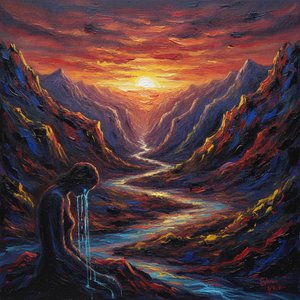
Capturing Emotion: A Journey Through the Soul of Expressionist Landscapes
Explore the profound emotional depth of Expressionist landscapes. Discover how Post-Impressionist masters moved beyond light to capture the soul through vibrant color and form. A curated journey for true art lovers seeking the beauty of expressive mastery.
Prozkoumejte umělecká díla uspořádaná podle témat, stylů a charakteristik.


